
iTechGuides is reader-supported. When you buy through links on our site, we may earn an affiliate commission. As an Amazon Associate I earn from qualifying purchases. Learn more
Choose the POCO F9 Ultra if you want a very large screen, gaming-focused display features, a much higher listed battery capacity, and a 5x telephoto camera. Choose the Xiaomi 15 if you prefer a compact, lighter phone with a 6.36-inch screen and a Leica-branded triple-camera system. There is no defensible universal value winner: compare the same storage tier, local price, warranty and network support before ordering.
POCO F9 Ultra vs. Xiaomi 15 at a glance
These phones target different kinds of buyers rather than competing as identical designs. The POCO F9 Ultra is a large-format performance phone; the Xiaomi 15 is a compact flagship-style model. The table uses manufacturer specifications and the September 2026 TechRadar review where noted.
| Buying priority | POCO F9 Ultra | Xiaomi 15 |
|---|---|---|
| Screen and handling | About 6.9 inches; 235g in TechRadar’s review listing | 6.36 inches; 191–192g on Xiaomi Australia’s specification page |
| Display refresh | Up to 185Hz in selected games; ordinary use is generally 120Hz according to TechRadar | 1–120Hz adaptive refresh rate |
| Chipset | Snapdragon 8 Elite Gen 5 platform with VisionBoost D8 display chip | Snapdragon 8 Elite |
| Battery capacity | 8,050mAh typical | 5,240mAh typical |
| Charging | 100W wired, 50W wireless | 90W wired, 50W wireless |
| Rear cameras | 200MP OIS main, 5x OIS telephoto, 50MP ultra-wide | Leica 50MP OIS main, 60mm 50MP floating telephoto with OIS, 50MP ultra-wide |
| Storage configuration documented here | Not stated in the cited sources | 12GB RAM and 512GB storage on Xiaomi Australia’s cited page |
| Current price | Not established; TechRadar reported launch-region pricing in September 2026 | No comparable current price established |
Battery capacities, refresh-rate limits and camera megapixel counts are specifications, not proof that one phone lasts longer or takes better pictures in every situation.
Which phone is easier to carry and use one-handed?
POCO F9 Ultra: a large-screen, two-handed design
TechRadar lists the POCO F9 Ultra at 163.5 × 77.9 × 8.7mm and 235g. Its roughly 6.9-inch-class display gives games, video and split-screen work considerably more room, but the width and weight make one-handed typing and reaching the top corners harder. A case adds further bulk. If you routinely use your phone while walking, commute with it in a small pocket, or have smaller hands, try the phone in person before buying.
Xiaomi 15: compact flagship proportions
Xiaomi Australia’s specification page lists the Xiaomi 15 at 152.3 × 71.2mm and 191–192g, with the exact weight varying by finish. Its 6.36-inch panel is substantially easier to reach across with one thumb and places less load on a pocket or small bag. That compactness also means less physical space for games, virtual controls and long-form reading than the POCO provides.
The practical choice is therefore not simply “big versus small.” It is whether immersive viewing and a larger touch target are worth carrying an extra 43–44g or more, depending on the Xiaomi finish and your chosen case.
Which display is better for gaming, video and everyday use?
POCO F9 Ultra’s 185Hz claim has important limits
POCO’s global product page lists an AMOLED display supporting up to 185Hz and a VisionBoost D8 display chip. POCO qualifies that maximum: the frame rate depends on the game, graphics settings, software, network conditions, temperature and other factors. TechRadar’s September 2026 review found 185Hz available in only a small subset of games at review time, while most ordinary interaction ran at 120Hz. Treat 185Hz as a title-dependent gaming option, not the phone’s constant refresh rate.
The large panel can make racing games, shooters, emulators and cloud-streamed titles easier to see. It also gives more room for on-screen controls and reduces the need to zoom documents. The trade-off is the physical size described above, and potentially higher power use when demanding games and high refresh rates are enabled; the cited sources do not provide a controlled power comparison.
Xiaomi 15’s 1–120Hz panel favors consistency and efficiency
Xiaomi lists a 6.36-inch, 2670 × 1200 AMOLED display with a 1–120Hz refresh range. The panel can use lower refresh rates for static content and rise to 120Hz for scrolling or supported games. There is no 185Hz gaming mode listed for this model, but 120Hz is already a high-refresh experience for normal apps and most games.
Choose the Xiaomi if your priority is a sharp, compact screen that is comfortable for reading and navigation. Choose the POCO if game support for its higher mode and a much larger viewing area matter more than pocketability. Neither source supplies a laboratory brightness or color comparison between the two displays, so do not infer a winner on image quality from refresh rate alone.
Which phone is faster for gaming and demanding apps?
POCO’s platform and gaming features
POCO identifies the Snapdragon 8 Elite Gen 5 platform and VisionBoost D8 display chip as core features of the F9 Ultra. The naming and display support clearly position it toward sustained gaming and high frame-rate modes. However, the cited material does not include a controlled benchmark, thermal test or direct game-by-game comparison with Xiaomi 15. Performance can vary with game patches, temperature, graphics settings and firmware.
POCO Global Senior Product Manager Kang Lou told TechRadar, “From our end, we believe performance is not always about chasing the latest chipset.” That comment describes the company’s product approach; it is not a benchmark result. TechRadar also quoted POCO Global PR lead Olivia Jiang: “We don’t make launch decisions based on the next generation of hardware, and we deliver
-

Acer A515-43-R19L
-

Acer Aspire 1 A115-32
-

Acer Aspire 3 A315-56
-

Acer Aspire 5 A515-43
-

Acer Aspire 5 A515-55G-57H8
-

Acer Aspire 7 A715-75G-544V
-

Acer Aspire E 15 E5-576G-58RV
-

Acer Aspire E15 E5-576-392H
-

Acer Aspire E5-575G-53VG
-

Acer Aspire E5-575G-57D4
-

Acer Aspire TC-780
-
Acer Aspire TC-875-UR11
-

Acer ASPIRE TC-885
-

Acer Chromebook 11 N7
-

Acer Chromebook 14 CB3-431-C99D
-

Acer Chromebook 15 CB515-1HT-C2AE
-

Acer Chromebook 314
-

Acer Chromebook 315 CB315-2H
-

Acer Chromebook C720
-

Acer Chromebook CB3-532-C47C
-

Acer Chromebook CB512-C1KJ
-

Acer Chromebook CB514-1H-C9H9
-

Acer Chromebook CB715-1W-35ZK
-

Acer Chromebook R 11 CB5-132T
-

Acer Chromebook Spin 11 R751TN-C5P3
-

Acer Chromebook Spin 13 CP713-1WN-53NF
-

Acer Chromebook Spin 15 CP315
-

Acer Chromebook Spin 311 CP311-3H-K3WL
-

Acer Chromebook Spin 511 R752T
-

Acer Chromebook Spin CP514-1HH
-

Acer Chromebook Tab 10
-

Acer Chromebox CXI3
-

Acer ConceptD 3 Ezel
-

Acer ConceptD 5 Pro Laptop
-

Acer ConceptD 7 Ezel CC715-71
-

Acer ConceptD 7 Ezel Pro CC715-72P
-

Acer ED3 ED323QUR
-

Acer ENDURO N3
-

Acer ENDURO N7 EN714-51W
-

Acer ENDURO Urban N3
-

Acer Iconia Tab A200
-

Acer KG241Q
-

Acer Nitro 5
-

Acer Nitro 5 AN517-51-76V6
-

Acer Nitro 5 Spin NP515
-

Acer Nitro 7 AN715-51
-

Acer Predator 15 G9-593
-

Acer Predator 17 G9-793
-

Acer Predator Helios 300 G3-572
-

Acer Predator Helios 300 PH315-53-7426
-

Acer Predator Helios 500 PH517-52
-

Acer Predator Helios 700 PH717-72
-

Acer Predator Triton 300
-

Acer Predator Triton 500
-

Acer Predator Triton 700 PT715-51-783D
-

Acer Predator Triton 900 PT917-71-969C
-

Acer Predator X27
-

Acer Predator X35
-

Acer Predator XB241YU
-

Acer Predator Z321QU
-

Acer Predator Z35P
-

Acer R240HY
-

Acer R271
-

Acer SB220Q bi
-

Acer Spin 1 SP114-31-C3B6
-

Acer Spin 3 SP314-54N
-

Acer Spin 5 SP513-52N-52VV
-

Acer Spin 5 SP513-54N-74V2
-
Acer Spin 7 SP714-61NA
-

Acer Swift 1 SF114-32
-

Acer Swift 3 SF313-53-78UG
-

Acer Swift 3 SF314-52-50FX
-

Acer Swift 3X
-

Acer Swift 5 SF514-55TA-74EC
-

Acer Swift 7 SF713
-

Acer Swift X SFX14-41G
-

Acer Switch 5 SW512-52-55YD
-

Acer Switch Alpha 12 SA5-271P-5972
-

Acer TravelMate B3
-

Acer TravelMate P2 TMP214-53-7384
-

Acer TravelMate P4 TMP414-51
-

Acer TravelMate P6 TMP614-51
-

Acer TravelMate Spin B3
-

Acer TravelMate Spin P4
-

Acer TravelMate X3 TMX314-51
-

Acer TravelMate X5
-

Acer XFA240 BMJDPR
-

Acer XG270HU OMIDPX
-

Acer XR342CK
-

Acer XZ321QU
-

Alcatel 1X (2018)
-

Alcatel 3V
-

Alcatel 7
-

Alcatel Avalon V
-
Alcatel GO Flip 3
-

Alcatel GO FLIP V
-

Alcatel Idol 3
-

Alcatel Idol 4
-

Alcatel Idol 5
-

Alcatel Idol 5S
-

Alcatel JOY TAB 2
-

Alcatel MYFLIP
-

Alcatel T-Mobile Revvl
-

Alcatel TCL LX (A502DL)
-
Alcatel Tetra
-

Amazon Fire 7
-

Amazon Fire HD 10 (2021)
-

Amazon Fire HD 8 (2016)
-

Amazon Fire HD 8 (2020, 10th Gen)
-
AMD Ryzen 5 3600 Processor
-
AMD Ryzen 7 2700X Processor
-
AMD Ryzen 7 3700X Processor
-

AMD Ryzen 9 3900X Processor
-
AMD Ryzen 9 3950X Processor
-

AOC C24G1
-

AOC G2590FX
-

Apple iMac (21.5-inch, 2012)
-

Apple iPad Air 2
-

Apple iPad mini 3
-

Apple iPad Pro 12.9 (2021)
-

Apple iPhone 5s
-

Apple Mac Mini (Late 2012)
-

Apple MacBook (Retina, 12-inch, 2017)
-

Apple MacBook Air (11-inch, 2011)
-

Apple MacBook Air (11-inch, 2012)
-
Apple MacBook Air (11-inch, 2013)
-

Apple MacBook Air (11-inch, 2014)
-

Apple MacBook Air (11-inch, 2015)
-

Apple MacBook Air (13-inch, 2011)
-

Apple MacBook Air (13-inch, 2012)
-

Apple MacBook Air (13-inch, 2013)
-

Apple MacBook Air (13-inch, 2014)
-

Apple MacBook Air (13-inch, 2015)
-

Apple MacBook Air (13-inch, 2017)
-

Apple MacBook Air (13-inch, 2018)
-

Apple MacBook Air (13-inch, 2019)
-

Apple MacBook Air (13-inch, 2020)
-

Apple MacBook Air (M1, 2020)
-
Apple MacBook Pro (13-inch, 2010)
-

Apple MacBook Pro (13-inch, Mid 2012)
-

Apple MacBook Pro (14-inch, 2021)
-

Apple MacBook Pro (15-inch, 2010)
-

Apple MacBook Pro (15-inch, 2017)
-

Apple MacBook Pro (15-inch, 2018)
-
Apple MacBook Pro (17-inch, 2010)
-

Apple MacBook Pro (Retina, 13-inch, 2014)
-

Apple MacBook Pro (Retina, 13-inch, 2015)
-

Apple MacBook Pro (Retina, 15-inch, 2014)
-

Apple MacBook Pro (Retina, 15-inch, 2015)
-

Apple MacBook Pro 13-Inch
-

Apple MacBook Pro 16-Inch
-
ASTRO A10
-

ASTRO A20 Gen 2
-

ASTRO A40 TR
-

ASUS Chromebook C201PA
-

ASUS Chromebook C202
-

ASUS Chromebook C223NA
-

ASUS Chromebook C300
-

ASUS Chromebook C403
-

ASUS Chromebook C423
-

ASUS Chromebook C423NA
-

ASUS Chromebook C425
-

ASUS Chromebook C523
-

ASUS Chromebook CX1 CX1100
-

ASUS Chromebook CX1 CX1400
-

ASUS Chromebook Detachable CM3 CM3000
-

ASUS Chromebook Flip C100PA
-

ASUS Chromebook Flip C101
-

ASUS Chromebook Flip C214
-

ASUS Chromebook Flip C302
-

ASUS Chromebook Flip C433
-

ASUS Chromebook Flip C434
-

ASUS Chromebook Flip C436
-

ASUS Chromebook Flip CM3 CM3200
-

ASUS Chromebook Flip CM5 CM5500
-

ASUS Chromebook Flip CX5 CX5500
-

ASUS E210
-

ASUS EeeBook X205TA
-

ASUS ExpertBook B9450
-

ASUS ExpertBook P2451FA
-

ASUS F556UA-AS54
-

ASUS FX503VM-EH73
-

ASUS K501LX-0041A
-

ASUS Laptop L410
-

ASUS Laptop X509
-

ASUS MB169B+
-

ASUS Nexus 7 (2013)
-

ASUS ProArt StudioBook 15 H500
-

ASUS ProArt StudioBook 17 H700
-

ASUS ProArt StudioBook One W590
-

ASUS ProArt StudioBook Pro 15 W500
-

ASUS ProArt StudioBook Pro 17 W700
-

ASUS ProArt StudioBook Pro X W730
-

ASUS ROG G703GX-E5025R
-

ASUS ROG G752VS GB094T
-

ASUS ROG G752VY-GC489T
-

ASUS ROG GL502VM-FY230T
-

ASUS ROG GL502VS DB71
-

ASUS ROG GL502VS-FY057T
-

ASUS ROG GL752VW-DH71
-

ASUS ROG GL753VE
-
ASUS ROG Phone 3
-
ASUS ROG Phone 3 Strix
-
ASUS ROG Phone II
-

ASUS ROG Strix G15 G513 (2021)
-

ASUS ROG Strix G531GT
-

ASUS ROG Strix Hero III G531
-

ASUS ROG Strix SCAR 15 G533 (2021)
-

ASUS ROG Strix SCAR 17 G733 (2021)
-

ASUS ROG Strix SCAR II GL 704
-

ASUS ROG Strix SCAR III G531
-

Asus ROG Strix XG27VQ
-

ASUS ROG Strix XG49VQ
-

ASUS ROG Swift PG248Q
-

ASUS ROG Swift PG278QR
-

ASUS ROG Swift PG279Q
-

ASUS ROG Zephyrus Duo 15 GX550
-

ASUS ROG Zephyrus Duo 15 SE GX551Q
-

ASUS ROG Zephyrus G14 AniMe Matrix
-

ASUS ROG Zephyrus G14 GA401
-

ASUS ROG Zephyrus G15 GA502
-

Asus ROG Zephyrus G15 GA503Q
-

ASUS ROG Zephyrus GX501
-

ASUS ROG Zephyrus M GM501
-

ASUS ROG Zephyrus M15 GU502
-

ASUS ROG Zephyrus S GX531
-
ASUS ROG Zephyrus S15 GX502
-

ASUS ROG Zephyrus S17 GX701
-

ASUS ROG Zephyrus S17 GX703 (2021)
-

ASUS TUF Dash F15 (2021)
-

ASUS TUF Gaming A15
-

ASUS TUF Gaming A17
-

ASUS TUF Gaming F15
-

ASUS TUF Gaming FX504
-

ASUS TUF Gaming FX505DD/DT/DU
-

ASUS TUF Gaming FX705DY
-

ASUS VivoBook 14 F412DA-IB31
-

ASUS VivoBook 14 M413
-
ASUS VivoBook 15 M513
-

ASUS VivoBook 15 S513
-

ASUS VivoBook 15 X512JA
-

ASUS VivoBook 17 M712DA
-

ASUS VivoBook E403NA-GA012T
-

ASUS VivoBook F510QA
-

ASUS VivoBook F510UA
-

ASUS VivoBook Flip 12 TP202NA
-

ASUS VivoBook Flip 14 TM420
-

ASUS Vivobook Flip 14 TP410
-

ASUS VivoBook M580VD-EB54
-

ASUS Vivobook Pro 15 N552
-

ASUS VivoBook Pro 15 N580
-

ASUS Vivobook Pro 17 N705
-

ASUS VivoBook S13 S333
-

ASUS VivoBook S14 S433
-

ASUS VivoBook S15 S530UA-DB51
-

ASUS VivoBook S15 S532
-

ASUS VivoBook S15 S533
-

ASUS VP28UQG
-

ASUS VZ239H
-

ASUS VZ249H
-
ASUS X441BA-CBA6A
-

ASUS X551MA
-

ASUS X555QA-CBA12A
-

ASUS ZenBook 13 UX331UA
-

ASUS ZenBook 13 UX333FA
-

ASUS ZenBook 14 UX434FLC
-

ASUS ZenBook 15 UX534FTC
-

ASUS ZenBook Duo UX481FL
-
ASUS ZenBook Flip 13 UX363
-

ASUS Zenbook Flip 14 UX463
-

ASUS Zenbook Flip S UX370
-

ASUS ZenBook Flip S UX371
-

ASUS ZenBook Pro Duo 15 OLED UX582
-

ASUS ZenBook Pro Duo UX581
-

ASUS ZenBook S13 UX392
-

ASUS Zenfone 2
-

ASUS Zenfone 3
-

Asus Zenfone 3 ZE520KL
-

ASUS ZenFone 3 Zoom ZE553KL
-

ASUS Zenfone 4 ZE554KL
-

ASUS ZenFone 5 Lite ZC600KL
-

ASUS Zenfone 5Z
-
ASUS Zenfone 6
-
ASUS ZenFone 7 Pro
-

ASUS ZenFone Max Pro (M1) ZB602KL
-

ASUS Zenfone Max Pro (M2) ZB630KL
-

ASUS Zenfone V V520KL
-

ASUS ZenPad 10 (Z300CNL)
-

ASUS Zenpad 3S 10 Z500M
-

ASUS ZenPad S 8 Z580CA
-
ASUS Zenpad Z10 ZT500KL
-

ASUS Zenpad Z8s ZT582KL
-

Atelier Ryza: Ever Darkness & The Secret Hideout
-
AXESS TV1705-24
-

Axiom Verge
-

Battlestar Galactica Deadlock
-

Beats Solo3 Wireless
-

Beats Studio3 Wireless
-

BlackBerry Evolve X
-

BlackBerry KEY2
-

BlackBerry KeyOne
-

BlackBerry Z10
-

BlackBerry Z30
-

BLU Bold N1
-

BLU G9
-

BLU G9 Pro
-

BLU G90 Pro
-

BLU G91
-

Blu Grand M2
-

BLU R1 HD
-

BLU R2 Plus
-

BLU Studio Mega (2018)
-

BLU Vivo One Plus
-

BLU VIVO XI
-

BLU VIVO XI+
-

BLU VIVO XL4
-
Bose QuietComfort 2
-
Bose QuietComfort 30
-

Canon EOS 30D
-

Canon EOS 4000D
-

Canon EOS 650D
-

Canon EOS 6D Mark II
-

Canon EOS 80D
-

Canon EOS 90D
-
Canon EOS M100
-

Canon EOS M50
-

Canon EOS R
-

Canon EOS R6
-

Canon EOS Rebel 2000
-

Canon EOS Rebel SL3 (250D)
-

Canon EOS Rebel T100
-

Canon EOS Rebel T6 EF-S 18-55mm
-

Canon EOS Rebel T7 (2000D)
-

Canon EOS Rebel T7i
-

Canon EOS RP
-

Canon EOS SL2 – 200D
-

Canon IVY REC
-

Canon PowerShot ELPH 100 HS
-

Canon PowerShot ELPH 180
-

Canon PowerShot ELPH 190 IS
-

Canon PowerShot G1 X Mark III
-
Canon PowerShot G7 X Mark II
-

Canon PowerShot G9 X Mark II
-

Canon PowerShot SX410 IS
-

Canon PowerShot SX420 IS
-

Canon PowerShot SX530 HS
-

Canon PowerShot SX540 HS
-

Canon PowerShot SX620 HS
-

Canon PowerShot SX70 HS
-

Canon PowerShot SX720 HS
-

Canon PowerShot SX740 HS
-

Canon VIXIA HF R800
-

Cat S48c
-

Coolpad Legacy
-

Coolpad Legacy Brisa
-

Coolpad Legacy SR
-

Coolpad Snap
-

Corsair HS60 Pro
-

Corsair Vengeance 5180
-

Dell Alienware 17 R5
-

Dell Alienware Area-51m R2
-

Dell Alienware Aurora R11
-

Dell Alienware Aurora R7
-
Dell Alienware Aurora R8
-

Dell Alienware m15 R2
-

Dell Alienware M15 R3
-

Dell Alienware M15 R4
-

Dell Alienware m15 R6 Gaming Laptop
-

Dell Alienware m15 Ryzen Edition R5
-

Dell Alienware M17 R2
-

Dell Alienware M17 R3
-

Dell Alienware M17 R4 Gaming Laptop
-

Dell Alienware X51 R2
-

Dell Chromebook 11 3180
-

Dell Chromebook 11 3181
-

Dell Chromebook 3100
-

Dell Chromebook 3120
-

Dell Chromebook 5190
-

Dell D2719HGF
-

Dell G15 5515
-

Dell G3 15 3579 Gaming Laptop
-

Dell G3 15 3590 Gaming Laptop
-
Dell G3 17 3779 Gaming Laptop
-

Dell G5 15 5590 Gaming Laptop
-

Dell G5 5000 Gaming Desktop
-

Dell G7 15 7500 Gaming Laptop
-

Dell G7 17 7790 Gaming Laptop
-

Dell Inspiron 11 3162
-

Dell Inspiron 13 5000 5370 2-in-1
-

Dell Inspiron 13 5378 2-in-1
-

Dell Inspiron 13 5379
-

Dell Inspiron 13 7300
-

Dell Inspiron 13 7306 2-in-1
-

Dell Inspiron 13 7373
-
Dell Inspiron 13 7386
-

Dell Inspiron 14 3468
-

Dell Inspiron 14 3493
-
Dell Inspiron 14 5410
-
Dell Inspiron 14 5481 2-in-1
-

Dell Inspiron 14 5482
-

Dell Inspiron 14 7400
-

Dell Inspiron 15 3000 3510
-

Dell Inspiron 15 3501
-

Dell Inspiron 15 3567
-

Dell Inspiron 15 5000 5502
-

Dell Inspiron 15 5000 5570
-

Dell Inspiron 15 5100
-

Dell Inspiron 15 5510
-
Dell Inspiron 15 5566
-

Dell Inspiron 15 5577
-

Dell Inspiron 15 5584
-

Dell Inspiron 15 5593
-

Dell Inspiron 15 7501
-
Dell Inspiron 15 7506 2-in-1
-
Dell Inspiron 15 7577
-

Dell Inspiron 15 i5559-4682SLV
-

Dell inspiron 1520
-

Dell Inspiron 1525
-

Dell Inspiron 1545
-

Dell Inspiron 15R N5110
-

Dell Inspiron 16 Plus 7610
-

Dell Inspiron 17 3790
-

Dell Inspiron 17 3793
-

Dell Inspiron 17 5000
-

Dell Inspiron 17 7000 7779
-

Dell Inspiron 17 7706 2-in-1
-
Dell Inspiron 17R 3721
-
Dell Inspiron 24 3000 3464
-

Dell Inspiron 3050 Micro Desktop
-

Dell Inspiron 3670
-

Dell Inspiron 3847
-

Dell Inspiron 3880
-

Dell Inspiron 530
-

Dell Inspiron 5675
-

Dell Inspiron 5680
-

Dell Inspiron Chromebook 14 7486
-

Dell Inspiron Mini 10 1012
-

Dell Inspiron One 2020 AIO
-

Dell Latitude 12 7275
-

Dell Latitude 12 E7270
-

Dell Latitude 13 7350
-

Dell Latitude 14 5400
-

Dell Latitude 15 3500
-

Dell Latitude 2100
-

Dell Latitude 5590
-

Dell Latitude D630
-

Dell Latitude D830
-

Dell Latitude E5400
-

Dell Latitude E5430
-

Dell Latitude E5500
-

Dell Latitude E6400
-

Dell Latitude E6410
-

Dell Latitude E6420
-

Dell Latitude E6430
-

Dell Latitude E6440
-

Dell Latitude E6510
-

Dell Latitude E7250
-

Dell Latitude E7440
-

Dell Latitude E7450
-

Dell Optiplex 3010
-

Dell Optiplex 3020
-

Dell OptiPlex 3070 Micro
-

Dell Optiplex 380
-

Dell Optiplex 390
-

Dell OptiPlex 5050
-

Dell Optiplex 7010
-

Dell Optiplex 745
-

Dell Optiplex 755
-

Dell Optiplex 760
-

Dell Optiplex 7760 All-in-one
-
Dell Optiplex 780
-

Dell Optiplex 790
-

Dell Optiplex 9010
-

Dell Optiplex 9020
-

Dell Optiplex 960
-

Dell Optiplex 990
-

Dell P2414H
-

Dell P2715Q
-

Dell Precision 17 7000 7710
-

Dell Precision 5720 All-In-One
-
Dell Precision M3800
-

Dell Precision M4500
-

Dell Precision M4800
-

Dell Precision M6500
-

Dell Precision M6800
-

Dell Precision T5500
-

Dell S2340M
-

Dell S2419HGF
-

Dell S2716DGR
-

Dell S2719DGF
-

Dell Studio XPS 1647
-

Dell U2718Q
-
Dell U2719D
-

Dell U3219Q
-

Dell Vostro 14 5000 5480
-

Dell Vostro 15 5000 5501
-

Dell XPS 13 2-in-1
-

Dell XPS 13 7390 Laptop
-

Dell XPS 13 9300 Laptop
-

Dell XPS 13 9310 Laptop
-

Dell XPS 13 9360
-

Dell XPS 13 9370
-

Dell XPS 15 2-in-1
-
Dell XPS 15 7590 Laptop
-

Dell XPS 15 9500 Laptop
-

Dell XPS 15 9510
-

Dell XPS 15 M1530
-
Dell XPS 17 9700
-

Dell XPS 17 9710
-

Dell XPS 8700
-

Dell XPS 8900
-

Dell XPS 8930
-
Dell XPS 8940 Desktop Special Edition
-

Dell XPS M1730
-

Desktop Optiplex 7070
-

DOOGEE S95 Pro
-

DOOGEE S96 Pro
-
Element E4FAA43R-C
-

Element E4SFT5017
-

Energizer Power Max P18K Pop
-

Essential PH-1
-

EVOO EG-LP6-BK
-

FUJIFILM FinePix XP130
-

FUJIFILM X-H1
-

FUJIFILM X-Pro3
-

FUJIFILM X-T3
-

GAOMON PD1560
-
Gigabyte AORUS AD27QD
-

Gionee Max Pro
-

Google Chromebook Pixel (2015)
-

Google Pixel
-

Google Pixel 2
-

Google Pixel 2 XL
-
Google Pixel 3
-

Google Pixel 3 XL
-

Google Pixel 3a
-

Google Pixel 3a XL
-

Google Pixel 4
-

Google Pixel 4 XL
-
Google Pixel 4a
-
Google Pixel 4a 5G
-
Google Pixel 5
-
Google Pixel XL
-
GoPro Hero 4
-
GoPro Hero7
-
Hisense 32H4F
-
Hisense 40H4F
-

Hisense 50CU6000
-
Hisense 50H6570G
-
Hisense 50H8G
-

Hisense 55DU6500
-

Hisense 55H8F
-

Hisense 55R6G
-

Hisense 58H6550E
-
Hisense 65H6D
-
Hisense 65H9E Plus
-

Hisense 65H9F
-

Hisense 65H9G
-

Hisense 65R6E
-
Honor 7X
-

Honor 8x
-

HP 15-d103tx Notebook
-

HP 240 G8 Notebook PC
-

HP 250 G5 Notebook
-

HP 250 G8 Notebook PC
-

HP 255 G8 Notebook
-

HP 340S G7
-

HP Chromebook – 11-v050na
-

HP Chromebook – 11a-nb0013dx
-

HP Chromebook – 15-DE0015NR
-

HP Chromebook 11 G2
-

HP Chromebook 11 G4
-

HP Chromebook 11 G5
-

HP Chromebook 11 G6 EE
-

HP Chromebook 11 G7 EE
-

HP Chromebook 11A G8 EE
-

HP Chromebook 11a-na0035nr
-

HP Chromebook 14 G5
-

HP Chromebook 14a – na0097nr
-

HP Chromebook X2 12 – F014DX
-

HP Chromebook x360 – 14-da0021nr
-

HP Chromebook x360 11 G1 EE
-

HP Chromebook x360 11 G3 EE
-

HP Chromebook x360 12b-ca0010nr
-

HP Chromebook x360 14a-ca0097nr
-

HP Chromebook x360 14C
-

HP Chromebook-11-v031nr
-

HP Compaq 8200 Elite SFF
-

HP Compaq Elite 8300
-

HP Compaq Pro 6300
-

HP Elite Dragonfly Max Notebook
-

HP Elite x3
-

HP EliteBook 1040 G4
-

HP EliteBook 830 G7
-

HP EliteBook 840 G7
-

HP EliteBook 840 G8
-

HP EliteBook 8440P
-

HP EliteBook 8470p
-
HP EliteBook 850 G7
-

HP EliteBook 850 G8
-

HP EliteBook Folio 9470m
-

HP EliteBook x360 1040 G7
-
HP EliteBook x360 1040 G8
-
HP EliteBook x360 830 G8
-

HP EliteDesk 800 G1
-

HP ENVY – 15-AS107TU
-

HP ENVY – 17-CE1003CA
-

HP ENVY 13-AQ0011MS
-

HP ENVY 13t-ba100
-

HP ENVY 15t-ep100
-

HP ENVY 17t-cg100
-

HP ENVY 750-175SE
-

HP ENVY Curved All-in-One – 34-a010
-

HP ENVY x360 – 13-AG0045AU
-

HP ENVY x360 – 15-CN0003TU
-

HP Laptop – 17z-ca100
-

HP Laptop 14-dq2053cl
-

HP Laptop 14s-fq0000na
-

HP Laptop 15s-du2098tu
-

HP Laptop 15T
-

HP Laptop 15t dw300
-

HP Laptop 15t-dw200
-

HP Laptop 15z-ef100
-

HP Laptop 17-BY3008CA
-

HP Notebook – 14-an013nr
-

HP Notebook – 15-ay011nr
-

HP Notebook – 15-ay041wm
-

HP Notebook – 15-ay196nr
-

HP Notebook – 15-ba079dx (Touch)
-

HP Notebook – 15-bs033cl
-

HP Notebook – 15-f233wm
-

HP Notebook – 15-f272wm
-

HP Notebook 14-DK0731MS
-

HP Notebook 14-DQ1033CL
-

HP Notebook 17-BY1953CL
-

HP Obelisk 875-0064na
-

HP OMEN 15-ax221tx
-

HP Omen 15-ax250wm
-

HP OMEN 30L GT13-0014
-

HP Omen 870-124na
-

HP Omen Laptop 15T – EN0029NR
-

HP Omen Laptop 17T-CB100
-

HP OMEN X 35
-

HP Pavilion – 14-ce0068st
-

HP Pavilion – 14-ce3064st
-
HP Pavilion 13-A013CL x360
-

HP Pavilion 15-au063nr
-

HP Pavilion 15z – eh100
-

HP Pavilion 15z-eh000
-

HP Pavilion 17-g121wm
-

HP Pavilion 590-P0007C
-

HP Pavilion DV7 – 6C43CL
-

HP Pavilion G6
-

HP Pavilion g7-1150us
-

HP Pavilion Gaming Laptop – 16-A0097NR
-
HP Pavilion Gaming Laptop 15T-DK100
-
HP Pavilion Gaming Laptop 17T-CD100
-

HP Pavilion Power 15-cb025nb
-

HP Pavilion x360 – 14-BA030TX
-

HP Pavilion x360-15-BK117CL
-

HP Probook 450 G8
-

HP ProBook 430 G8
-

HP ProBook 440 G8
-

HP ProBook 445 G7
-

HP ProBook 445 G8
-

HP Probook 450 G2
-

HP ProBook 635 Aero G7
-

HP ProDesk 400 G4
-

HP ProDesk 400 G5
-

HP ProDesk 600 G1
-

HP Spectre Folio – 13-AK0040TU
-

HP Spectre Folio Convertible 13-ak1016nr
-
HP Spectre x360 – 13-AE086TU
-

HP Spectre x360 – 15-BL100NX
-

HP Spectre x360 15t-eb000
-

HP Spectre x360 Conv13-aw0020nr
-

HP Stream 11-ah055sa
-

HP Stream 11-d001dx
-

HP Stream 13-c024TU
-

HP Stream 14-CB010NR
-

HP VH240a
-

HP Z27 27-inch
-

HP ZBook 15 G6
-

HP ZBook Create G7
-

HP ZBook Firefly 14 G7
-

HP ZBook Firefly 14 G8
-

HP ZBook Firefly 15 G7
-

HP ZBook Firefly 15 G8
-

HP ZBook Fury 15 G7
-

HP ZBook Fury 17 G7
-

HP ZBook Power G7
-

HP ZBook Studio G3
-

HP ZBook Studio G7
-

HTC 10
-

HTC 10 evo
-

HTC Desire 10 Pro
-

HTC Desire 510
-

HTC Desire 530
-

HTC Desire 626
-

HTC One M7
-

HTC One M9
-

HTC U Ultra
-

HTC U11
-
HTC U11 Life
-

HTC U11+
-

HTC U12 life
-

HTC U12+
-

Huawei Honor 10
-

Huawei Honor 10 Lite
-

Huawei Honor 20 Lite
-

Huawei Honor 6X
-

Huawei Honor 8
-

Huawei Honor 8X
-

Huawei Honor 8X Max
-

Huawei Honor 9X Pro
-

Huawei Honor Magic 2
-

Huawei Honor Note 10
-

Huawei Mate 10 Lite
-

Huawei Mate 20 Lite
-

Huawei Mate 8
-
Huawei Mate P40 Pro
-

Huawei Mate SE
-

Huawei MateBook 13 2020
-

Huawei MateBook 14 2021
-

Huawei MateBook 16 2021
-

Huawei MateBook D 14 AMD
-

Huawei MateBook D 15 2021
-

Huawei MateBook X Pro 2019
-

Huawei MateBook X Pro 2020
-

Huawei MateBook X Pro 2021
-

Huawei MediaPad M5 8
-

Huawei MediaPad T3 10
-

Huawei MediaPad T5
-

Huawei Nexus 6P
-

Huawei nova 3
-

Huawei nova 3i
-

Huawei nova 4
-

Huawei nova 5T
-

Huawei P smart 2019
-

Huawei P smart Z
-

Huawei P10 lite
-

Huawei P20 Lite
-
Huawei P30 Lite
-
Huawei P30 Pro
-
Huawei P40 Pro
-

Huawei P8 Lite
-

Huawei P9 lite
-

Huawei Y5 Prime 2018
-

Huawei Y6 (2015)
-
Huawei Y7 2019
-

Huawei Y9 2019
-
HUAWEI Y9 Prime 2019
-

Infinix Hot 7
-

Infinix Hot 8
-

Infinix Note 10
-

Infinix Note 8
-

Infinix Smart 3 Plus
-

Insignia NS-24DF311SE21
-

Insignia NS-50DF711SE21
-
Insignia NS-55DF710NA19
-

Insignia NS-55F301NA22
-
Insta360 One X
-

Intel Core i5 9600K Processor
-
Intel Core i7 8700K Processor
-
Intel Core i7 9700K Processor
-
Intel Core i9 9900K Processor
-

iPad 2
-

iPad 6th Generation (Wi-Fi, Cellular)
-

iPad 8th Generation (Wi-Fi, Cellular)
-

iPad Mini 2
-

iPad Mini 5
-

iPad Pro 10.5 (Wi-Fi, Cellular)
-

iPad Pro 11-inch (1st Gen)
-

iPad Pro 9.7 (Wi-Fi, Cellular)
-

iPhone 11
-
iPhone 11 Pro
-
iPhone 11 Pro Max
-
iPhone 12
-
iPhone 12 Mini
-
iPhone 12 Pro
-

iPhone 12 Pro Max
-

iPhone 4s
-

iPhone 5
-

iPhone 5C
-

iPhone 6
-

iPhone 6 Plus
-

iPhone 6s
-

iPhone 6s Plus
-

iPhone 7
-

iPhone 7 Plus
-

iPhone 8
-

iPhone 8 Plus
-
iPhone SE 1st Generation
-
iPhone SE 2nd Generation
-

iPhone X
-
iPhone XR
-
iPhone XS
-
iPhone XS Max
-

Jitterbug Smart 2
-

Kyocera DuraForce Pro
-

Kyocera DuraForce Pro 2
-

Kyocera Hydro SHORE
-
Leica Q2
-

Lenovo 100e Chromebook 2nd Gen
-

Lenovo 100e Windows 2nd Gen
-

Lenovo 14w
-

Lenovo 300e Chromebook 2nd Gen
-

Lenovo 500e Chromebook 2nd Gen
-

Lenovo B570
-

Lenovo C32q-20
-

Lenovo Chromebook 3 14IGL05
-

Lenovo Chromebook C330
-

Lenovo Chromebook C340 15 Inch
-

Lenovo Chromebook Duet (10.1″)
-

Lenovo Chromebook Flex 3 11M836
-

Lenovo Chromebook Flex 5 13-inch
-

Lenovo Chromebook S330
-

Lenovo Chromebook S340
-

Lenovo Flex 11 Chromebook
-
Lenovo Flex 14
-
Lenovo Flex 5 14 Inch
-

Lenovo Flex 5 15 Inch
-

Lenovo Flex 6 11-inch
-

Lenovo Flex 6-141KB
-

Lenovo G27c-10
-
Lenovo G34w-10
-

Lenovo G50-45
-

Lenovo G50-80
-

Lenovo IdeaCentre 510A-15ICB
-

Lenovo IdeaCentre A540-24ICB
-

Lenovo IdeaCentre A540-27lCB
-

Lenovo IdeaCentre T540-15ICB
-

Lenovo IdeaPad 310 15ISK
-

Lenovo IdeaPad 110
-

Lenovo IdeaPad 110-15ISK
-

Lenovo IdeaPad 130 15 Inch
-

Lenovo IdeaPad 130 15AST
-

Lenovo IdeaPad 130S 14 Inch
-

Lenovo IdeaPad 3 14ARE05
-

Lenovo Ideapad 3 15ARE05
-

Lenovo IdeaPad 3-14IML05
-

Lenovo IdeaPad 320
-

Lenovo IdeaPad 320S 14 Inch
-

Lenovo IdeaPad 330
-
Lenovo IdeaPad 330 15IGM
-

Lenovo IdeaPad 330S 15-inch
-

Lenovo IdeaPad 5 14ARE05
-

Lenovo IdeaPad 5 15IIL05
-
Lenovo IdeaPad 520 15IKB
-

Lenovo IdeaPad 530S-14IKB
-
Lenovo IdeaPad 700 15ISK
-

Lenovo IdeaPad 710s Plus
-

Lenovo IdeaPad 720S 13 Inch
-

Lenovo IdeaPad 720S 14 Inch
-

Lenovo IdeaPad 720S 15 Inch
-

Lenovo IdeaPad Chromebook 3 11AST5
-

Lenovo IdeaPad Flex 5 14ALC05
-

Lenovo IdeaPad Flex 5 15-inch (Intel)
-
Lenovo IdeaPad Flex 5i 14-inch
-

Lenovo IdeaPad Gaming 3i
-
Lenovo IdeaPad L340 15 Inch
-

Lenovo IdeaPad L340 17 Inch
-

Lenovo IdeaPad S145 15-inch (AMD)
-

Lenovo IdeaPad S145-15IWL
-

Lenovo IdeaPad S340 13 Inch
-
Lenovo IdeaPad S340 14 Inch
-
Lenovo IdeaPad S340 15 Inch
-

Lenovo IdeaPad S540 13IML
-

Lenovo IdeaPad Slim 1-14AST-05
-

Lenovo IdeaPad Slim 7 14IIL05
-

Lenovo IdeaPad Slim 9i
-

Lenovo IdeaPad Y50-70
-

Lenovo IdeaPad Y510p
-

Lenovo IdeaPad Y700 17 Inch
-

Lenovo IdeaPad Yoga 11S
-

Lenovo IdeaPad Z70-80
-

Lenovo K450E Tower
-

Lenovo Legion 5 15ARH05H
-

Lenovo Legion 5 Pro Gen 6 16-inch (AMD)
-

Lenovo Legion 5i 15 Inch
-

Lenovo Legion 5i 17 Inch
-

Lenovo Legion Tower 5i (2020)
-

Lenovo Legion Y27q-20
-

Lenovo Legion Y520 15 Inch
-

Lenovo Legion Y530 15-inch
-
Lenovo Legion Y540 15 Inch
-

Lenovo Legion Y540 17 Inch
-

Lenovo Legion Y545 15 Inch
-

Lenovo Legion Y7000
-

Lenovo Legion Y730 15ICH
-

Lenovo Legion Y740 15 Inch
-

Lenovo Legion Y740 17 Inch
-

Lenovo Miix 520-12IKB
-

Lenovo N21 Chromebook
-

Lenovo N22 Chromebook
-

Lenovo N23 Chromebook
-

Lenovo Phab 2 Pro
-

Lenovo Q24i-10
-

Lenovo Q27h-10
-

Lenovo Q27Q-10
-

Lenovo Smart Tab M10 FHD Plus (2nd Gen)
-
Lenovo Tab 2 A10-70
-
Lenovo Tab 4 10
-
Lenovo Tab 4 8
-

Lenovo Tab E10 TB-X104F
-

Lenovo Tab M10 HD 2nd Gen
-

Lenovo Tab M8 HD
-

Lenovo Tab P11
-

Lenovo ThinkBook 13s Gen 2 (Intel)
-

Lenovo ThinkBook 14 Gen 2 (Intel)
-

Lenovo ThinkBook 15p
-

Lenovo ThinkBook Plus
-

Lenovo ThinkBook Yoga 14s
-

Lenovo ThinkCentre M720Q
-

Lenovo ThinkCentre M73
-

Lenovo ThinkCentre M900
-

Lenovo ThinkCentre M93P
-

Lenovo ThinkPad 11e Chromebook 3rd Gen
-

Lenovo ThinkPad 11e Yoga Gen 6
-

Lenovo ThinkPad C13 Yoga Chromebook
-

Lenovo ThinkPad E480
-

Lenovo ThinkPad E495 14-inch
-

Lenovo ThinkPad E570
-

Lenovo ThinkPad E580
-

Lenovo ThinkPad E590
-

Lenovo ThinkPad E595
-

Lenovo ThinkPad L13 Yoga Gen 2
-

Lenovo ThinkPad L14 Gen 1 (Intel)
-

Lenovo ThinkPad L14 Gen 2
-

Lenovo ThinkPad L15 Gen 2
-

Lenovo ThinkPad L390
-

Lenovo ThinkPad P1 Gen 3
-

Lenovo ThinkPad P14s Gen 1 (Intel)
-

Lenovo ThinkPad P14s Gen 2 (Intel)
-

Lenovo ThinkPad P15s Gen 2
-

Lenovo ThinkPad P17 Gen 1
-

Lenovo ThinkPad P50s
-

Lenovo ThinkPad P51s
-

Lenovo ThinkPad P52
-

Lenovo ThinkPad P53
-

Lenovo ThinkPad T14 Gen 1 (Intel)
-

Lenovo ThinkPad T14 Gen 2 (Intel)
-

Lenovo ThinkPad T14s Gen 1 (Intel)
-

Lenovo ThinkPad T15 Gen 2 (Intel)
-

Lenovo ThinkPad T15g Gen 2 (Intel)
-
Lenovo ThinkPad T420
-

Lenovo ThinkPad T430
-

Lenovo ThinkPad T440
-

Lenovo ThinkPad T440p
-

Lenovo ThinkPad T460
-

Lenovo ThinkPad T470s
-

Lenovo ThinkPad T480
-

Lenovo ThinkPad T480s
-

Lenovo ThinkPad T490
-

Lenovo ThinkPad T490s
-

Lenovo ThinkPad T580
-
Lenovo ThinkPad X1 Carbon Gen 7
-
Lenovo ThinkPad X1 Carbon Gen 8
-
Lenovo ThinkPad X1 Carbon Gen 9
-
Lenovo ThinkPad X1 Extreme Gen 2
-

Lenovo ThinkPad X1 Extreme Gen 3
-

Lenovo ThinkPad X1 Fold Gen 1
-

Lenovo ThinkPad X1 Titanium Yoga
-

Lenovo ThinkPad X1 Yoga (2nd Gen)
-

Lenovo ThinkPad X1 Yoga (3rd Gen)
-

Lenovo ThinkPad X1 Yoga Gen 4
-

Lenovo ThinkPad X1 Yoga Gen 5
-

Lenovo ThinkPad X1 Yoga Gen 6
-

Lenovo ThinkPad X12 Detachable
-

Lenovo ThinkPad X13 Yoga Gen 2 (Intel)
-

Lenovo ThinkPad X380 Yoga
-

Lenovo ThinkStation P620
-

Lenovo ThinkVision M14
-

Lenovo V130-15IGM
-

Lenovo V14 ADA
-

Lenovo V15 IIL
-

Lenovo V330-15IKB
-

Lenovo X1 Nano 13 Inch
-

Lenovo Y700
-

Lenovo Yoga 2 11-inch
-

Lenovo Yoga 260
-

Lenovo Yoga 3 Pro 1370
-

Lenovo Yoga 6 13-inch
-
Lenovo Yoga 720 13 Inch
-

Lenovo Yoga 720 15 Inch
-
Lenovo Yoga 730 13 Inch
-
Lenovo Yoga 730 15 Inch
-

Lenovo Yoga 7i 14-inch
-

Lenovo Yoga 7i 15-inch
-

Lenovo Yoga 900 13 Inch
-

Lenovo Yoga 910 13IKB
-

Lenovo Yoga 920 13IKB
-

Lenovo Yoga 9i 14-inch
-

Lenovo Yoga 9i 15-inch
-

Lenovo YOGA A940-27ICB
-

Lenovo Yoga Book
-

Lenovo Yoga C630
-

Lenovo Yoga C640
-

Lenovo Yoga C740 14-inch
-

Lenovo Yoga C930-13IKB
-
Lenovo Yoga C940 14 Inch
-

Lenovo Yoga Chromebook C630
-

Lenovo Yoga Duet 7i
-
Lenovo Yoga Tab 3 10
-

Lenovo Z5 Pro GT
-

Lenovo Z50-70
-

Lenovo Z50-75
-

Lenovo Z6 Lite
-

Lenovo Z6 Pro
-

LG 22LJ4540
-

LG 24LJ4540
-

LG 24UD58-B
-
LG 27GL850
-

LG 27UD58-B
-

LG 32GK650F-B
-

LG 32MA68HY-P
-

LG 34UC98-W
-

LG 34UM60-P
-

LG 34UM69G-B
-
LG 43UJ6200
-

LG 43UJ6300
-

LG 43UK6090PUA
-

LG 43UK6300BUB
-

LG 43UK6500AUA
-
LG 43UK6500PLA
-

LG 49UK6090PUA
-

LG 49UK6300PUE
-

LG 50UH5530
-

LG 50UK6090PUA
-

LG 55NANO90UNA
-
LG 55SK8000PVA
-

LG 55SK9000PUA
-
LG 55SM8600PUA
-

LG 55SM9000PUA
-

LG 55UH6030
-

LG 55UK6090PUA
-

LG 55UK6300PUE
-

LG 55UK6500AUA
-

LG 55UM7300PUA
-

LG 60UF7300
-

LG 60UK6090PUA
-
LG 65NANO85APA
-
LG 65NANO85UNA
-

LG 65NANO91TNA
-

LG 65SK8000PUA
-
LG 65SK9000PUA
-

LG 65SM8600PUA
-

LG 65SM9000PUA
-
LG 65UK6090PUA
-

LG 65UK6300PUE
-

LG 65UK6500AUA
-

LG 65UK6500PLA
-
LG 65UM6900PUA
-

LG 65UM7300PUA
-

LG 65UN7300AUD
-
LG 65UN8500PUI
-

LG 70UH6350
-

LG 70UJ6570
-

LG 70UK6570PUB
-

LG 70UM6970PUA
-
LG 75UJ6470
-

LG 75UK6190PUB
-
LG 75UK6570AUA
-

LG 75UK6570PUB
-

LG 75UM6970PUB
-

LG 86SJ9570
-
LG 86UK6570PUB
-
LG 86UM8070PUA
-
LG 86UN8570PUC
-

LG Aristo
-

LG Aristo 2
-

LG Aristo 2 Plus
-

LG Aristo 3
-

LG Aristo 5
-

LG Exalt LTE
-
LG Fiesta 2 LTE
-

LG Fortune 2
-

LG G Flex
-

LG G Flex 2
-

LG G Pad 5 10.1
-

LG G Pad 7.0 V410
-

LG G Pad X 8.0 V521
-

LG G Stylo
-

LG G2
-

LG G3
-
LG G4
-

LG G5
-

LG G6
-

LG G7 Fit
-

LG G7 ThinQ
-

LG G8 ThinQ
-

LG G8X ThinQ
-

LG Gram 13Z980 – A.AAS5U1
-

LG Gram 14Z980 – A.AAS7U1
-

LG Gram 15Z990 – R.AAS9U1
-

LG Gram 16Z90P – K.AAS8U1
-

LG Gram 17Z990 – R.AAS8U1
-

LG Gram 2-in-1 14T990 – U.AAS8U1
-

LG Harmony
-

LG K10
-
LG K20
-
LG K20 Plus
-
LG K20 V
-
LG K30
-

LG K4 (2016)
-

LG K40
-

LG K42
-

LG K51
-

LG K7
-

LG K8
-

LG K92 5G
-

LG Nano 8 Series 55NANO80VNA
-

LG Nexus 5
-

LG Nexus 5X
-

LG OLED55B8PUA
-

LG OLED55B8STB
-

LG Phoenix 3
-

LG Phoenix 4
-

LG Phoenix 5
-

LG Phoenix Plus
-
LG Q6
-

LG Q7
-
LG Q7 Plus
-

LG Q70
-

LG Rebel 3
-

LG Rebel 4 LTE
-

LG Stylo 2
-

LG Stylo 2 Plus
-
LG Stylo 3
-

LG Stylo 3 Plus
-
LG Stylo 4
-
LG Stylo 4 Plus
-

LG Stylo 5
-

LG Tribute Dynasty
-

LG Tribute Empire
-

LG Tribute Royal
-

LG Ultra PC 13U70P – G.AAW7U1
-

LG Ultra PC 17U70N – R.AAS8U1
-
LG UltraPC 15U70P – P.AAS8U1
-

LG V10
-
LG V20
-

LG V30
-

LG V30 Plus
-

LG V35 ThinQ
-
LG V40
-

LG V40 ThinQ
-

LG V50 ThinQ 5G
-
LG Velvet 5G
-

LG Wing 5G
-
LG X Charge
-

LG X Power
-

LG X Style
-

LG X venture
-

LG Xpression 2 (C410)
-

LG Xpression Plus 2
-

LG Zone 4 LM-X210VPP
-

Light Phone 2
-

Lively Jitterbug Flip2
-

Lumia 950 XL
-

Lytro Illum
-

Meizu Note 9
-

Microsoft Lumia 950 XL
-

Microsoft Surface Book
-

Microsoft Surface Book 2
-
Microsoft Surface Book 3 13-inch
-

Microsoft Surface Book 3 15-inch
-

Microsoft Surface Go
-

Microsoft Surface Go 2
-
Microsoft Surface Laptop (1st Gen)
-

Microsoft Surface Laptop 2
-

Microsoft Surface Laptop 3 13 Inch
-

Microsoft Surface Laptop 3 15 Inch
-

Microsoft Surface Laptop 4 13 Inch
-
Microsoft Surface Laptop 4 15 Inch
-

Microsoft Surface Pro
-

Microsoft Surface Pro (5th Gen)
-

Microsoft Surface Pro 3
-

Microsoft Surface Pro 4
-

Microsoft Surface Pro 6
-
Microsoft Surface Pro 7
-

Microsoft Surface Pro 7+
-

Microsoft Surface Pro 8
-

Microsoft Surface Pro X
-

MOTILE M141 14-inch
-

Moto E (2nd Gen)
-
Moto E4
-
Moto E4 Plus
-

Moto E5
-

Moto E5 Cruise
-

Moto E5 Go
-

Moto E5 Play
-

Moto E5 Plus
-

Moto E5 Supra
-

Moto E6 Plus
-

Moto G (1st Gen)
-

Moto G (3rd Gen)
-

Moto G Stylus
-
Moto G4
-

Moto G4 Play
-

Moto G5
-
Moto G5 Plus
-

Moto G5S Plus
-
Moto G6
-

Moto G6 Forge
-

Moto G6 Play
-

Moto G6 Plus
-

Moto G7
-

Moto G7 Optimo
-

Moto G7 Optimo Maxx
-

Moto G7 Power
-

Moto G7 Supra
-

Moto G8 Power
-

Moto X
-

Moto X 2nd Gen
-

Moto X Pure
-

Moto X Pure Edition
-
Moto X4
-

Moto Z Droid
-

Moto Z Force
-

Moto Z Play
-
Moto Z2 Force
-
Moto Z2 Play
-

Moto Z3
-

Moto Z3 Play
-

Moto Z4
-

Motorola Droid Maxx 2
-

Motorola DROID RAZR MAXX
-

Motorola DROID Turbo
-

Motorola Droid Turbo 2
-
Motorola Edge
-

Motorola Edge+
-

Motorola Moto E6
-

Motorola Nexus 6
-

Motorola One
-
Motorola One 5G
-
Motorola One 5G Ace
-
Motorola One Action
-
Motorola One Fusion+
-
Motorola One Hyper
-

Motorola One Power
-

Motorola One Zoom
-
Motorola Razr 5G
-

MSI GS76 Stealth 11U
-

MSI Alpha 15 A3D
-

MSI Alpha 17 A4DE
-

MSI Bravo 15 A4D
-

MSI Bravo 17 A4DDR
-

MSI Creator 15 A10
-

MSI Creator 15M A10S
-

MSI Creator 17 A10S
-

MSI Creator 17M A10SE
-

MSI Creator Z16
-

MSI Crosshair 15 A11
-

MSI Crosshair 17 A11
-

MSI GE62 Apache-276
-

MSI GE66 Raider 11UG
-

MSI GE75 Raider 10SGS
-

MSI GF63 Thin 9SCX
-

MSI GF75 Thin 9SCXR
-

MSI GL62M 7RD-1407
-

MSI GL62M 7REX-1896US
-

MSI GL63 8RC
-

MSI GL63 8RE-629
-

MSI GL65 Leopard 10S
-

MSI GL72M 7RDX-800
-

MSI GL73 9SE
-

MSI GL75 Leopard 10S
-

MSI GP62MVR 6RF Leopard Pro
-

MSI GP63 Leopard 8RE
-

MSI GS63 Stealth 8RE
-

MSI GS63 Stealth-010
-

MSI GS65 Stealth 9SD
-

MSI GS66 Stealth 10S
-

MSI GS75 Stealth-413
-

MSI GV62 8RD-034
-

MSI Katana GF66 11U
-

MSI Modern 14 B11SBU
-
MSI Optix MAG24C
-
MSI Optix MAG27C
-

MSI Optix MAG27CQ
-

MSI Prestige 14 A11
-

MSI Prestige 14 Evo A11M
-

MSI Prestige 15 A11
-

MSI Pulse GL66 11U
-
MSI Stealth 15M A11SDK
-

MSI Summit B14 A11M
-

MSI Summit B15 A11
-

MSI Summit E13 Flip Evo A11MT
-

MSI Summit E14 A11SCS
-

MSI Summit E15 A11
-

MSI Trident 3 8th
-

MSI WS66 10T
-

MSI WS75 10T
-

Nikon COOLPIX A10
-

Nikon COOLPIX B500
-
Nikon COOLPIX L340
-
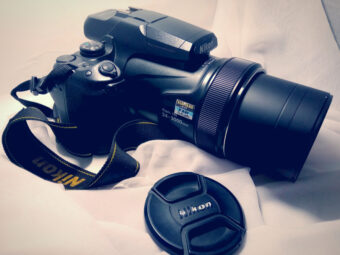
Nikon COOLPIX P1000
-
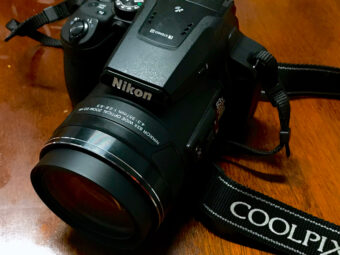
Nikon COOLPIX P900
-
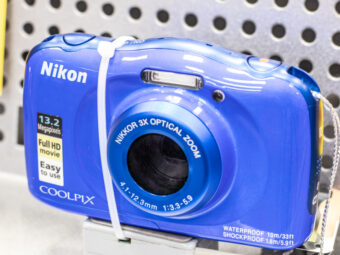
Nikon COOLPIX W100
-

Nikon D3000
-

Nikon D3200
-

Nikon D3400
-

Nikon D3500
-

Nikon D500
-

Nikon D5100
-

Nikon D5300
-

Nikon D5600
-

Nikon D610
-

Nikon D7000
-

Nikon D7200
-

Nikon D7500
-

Nikon DF
-

Nikon Z 50
-

Nikon Z5
-

Nikon Z7
-

Nokia 2 V
-

Nokia 2.2
-

Nokia 3 V
-

Nokia 3.1
-

Nokia 3.1 A
-
Nokia 3.1 C
-

Nokia 3.1 Plus
-

Nokia 5.3
-

Nokia 5.4
-
Nokia 6
-

Nokia 6.1
-

Nokia 6.1 Plus
-

Nokia 6.2
-

Nokia 7.1
-
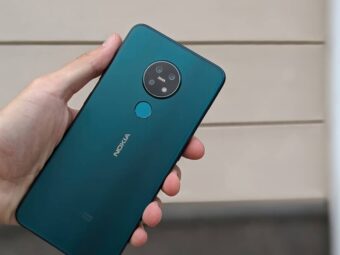
Nokia 7.2
-

Nokia 8
-
Nokia 8 V 5G UW
-
Nokia 8.1
-
Nokia 8.3 5G
-

Nokia Lumia 1520
-

Nokia Lumia 635
-

NVIDIA Shield K1
-

Olympus Tough TG-5
-

OnePlus 2
-
OnePlus 3
-

OnePlus 3T
-

OnePlus 5
-
OnePlus 5T
-

OnePlus 6
-
OnePlus 6T
-
OnePlus 7 Pro
-
OnePlus 7T Pro
-
OnePlus 8
-
OnePlus 8 Pro
-
OnePlus 8T
-
OnePlus Nord
-

OnePlus Nord N10 5G
-
OnePlus Nord N100
-
Onn. 75″ Roku TV – 100044717
-

OPPO A5 2020
-

Oppo A9 2020
-

OPPO F11 Pro
-
OPPO Reno Ace
-
OPPO Reno2 F
-
OPPO Reno3 5G
-
OPPO Reno3 Pro
-

Palm Palm
-
Panasonic Camcorder HC-V770
-
Panasonic Camcorder HC-WXF991
-
Panasonic HC-VX870K
-

Panasonic Lumix DC-FZ80
-

Panasonic Lumix DC-GX9
-

Panasonic Lumix DC-ZS70
-

Panasonic Lumix DC-ZS70K
-
Panasonic Lumix DMC-G7
-

Panasonic Lumix DMC-G85
-
Panasonic Lumix FZ18
-

Pentax K-1
-

Philips 65PFL5504/F7
-

Philips 65PUS7855/12
-
Philips 65PUT8609S/98
-

Plantronics BackBeat Pro 2
-
Plantronics BackBeat Pro 5100
-

Porsche Design Acer Book RS
-

Razer Blade 14 (AMD)
-

Razer Blade 15 Advanced Edition
-

Razer Blade 15 Base Edition
-

Razer Blade 15 Studio Edition
-

Razer Blade 17 (2022)
-
Razer Blade Pro 17
-

Razer Blade Stealth 13
-

Razer Book 13
-

Razer Phone 2
-

Realme 2 Pro
-

Realme 3 Pro
-

Realme 7i
-
Realme Narzo 20 Pro
-
Realme Narzo 30 Pro 5G
-
Realme Narzo 30A
-
Realme X2 Pro
-

Realme X3
-

Realme X3 SuperZoom
-
Realme X50 Pro 5G
-
Realme X7 Pro 5G
-
RED Hydrogen One
-

ReMarkable 2
-
Ricoh GR III
-

Samsung 50AUE70
-

Samsung C27F591
-
Samsung Chromebook 3
-

Samsung Chromebook 4
-

Samsung Chromebook 4+
-

Samsung Chromebook Plus – XE521QAB
-

Samsung Chromebook Plus V2
-

Samsung Chromebook Pro XE510C24-K01US
-

Samsung Convoy 3
-

Samsung Convoy 4
-

Samsung Galaxy A01
-
Samsung Galaxy A02s
-

Samsung Galaxy A10
-

Samsung Galaxy A10e
-
Samsung Galaxy A11
-

Samsung Galaxy A12
-
Samsung Galaxy A20
-

Samsung Galaxy A20s
-

Samsung Galaxy A21
-
Samsung Galaxy A21s
-
Samsung Galaxy A30
-

Samsung Galaxy A30s
-

Samsung Galaxy A40
-

Samsung Galaxy A50
-

Samsung Galaxy A51
-
Samsung Galaxy A51 5G
-

Samsung Galaxy A6
-

Samsung Galaxy A6 Plus
-
Samsung Galaxy A60
-

Samsung Galaxy A7 2018
-

Samsung Galaxy A70
-
Samsung Galaxy A71
-

Samsung Galaxy Avant
-

Samsung Galaxy Book 2LG
-
Samsung Galaxy Book Flex 13 Inch
-

Samsung Galaxy Book Flex 15 Inch
-
Samsung Galaxy Book Flex Alpha 13
-

Samsung Galaxy Book Flex2 Alpha 13
-

Samsung Galaxy Book Go
-

Samsung Galaxy Book Ion 13 Inch
-

Samsung Galaxy Book Pro 13
-

Samsung Galaxy Book Pro 15
-

Samsung Galaxy Book Pro 360 13
-

Samsung Galaxy Book Pro 360 15
-

Samsung Galaxy Chromebook
-

Samsung Galaxy Chromebook 2
-

Samsung Galaxy Chromebook Go
-

Samsung Galaxy Core Prime
-

Samsung Galaxy Express Prime
-

Samsung Galaxy Express Prime 3
-

Samsung Galaxy Folder2
-

Samsung Galaxy Grand Prime
-

Samsung Galaxy Halo
-

Samsung Galaxy J2 Core
-

Samsung Galaxy J2 Prime
-

Samsung Galaxy J2 Pure
-

Samsung Galaxy J3 (2018)
-

Samsung Galaxy J3 Achieve
-

Samsung Galaxy J3 Luna Pro
-

Samsung Galaxy J3 Orbit
-

Samsung Galaxy J3 Prime
-

Samsung Galaxy J5
-

Samsung Galaxy J6
-

Samsung Galaxy J6+
-
Samsung Galaxy J7
-

Samsung Galaxy J7 Crown
-

Samsung Galaxy J7 Prime
-

Samsung Galaxy J7 Refine
-

Samsung Galaxy J7 Sky Pro
-

Samsung Galaxy J7 Star
-

Samsung Galaxy J7 V 2nd Gen
-

Samsung Galaxy J8
-

Samsung Galaxy M11
-

Samsung Galaxy M20
-

Samsung Galaxy M30
-

Samsung Galaxy Note 10
-
Samsung Galaxy Note 10 Plus
-

Samsung Galaxy Note 3
-

Samsung Galaxy Note 4
-

Samsung Galaxy Note 5
-

Samsung Galaxy Note 8
-

Samsung Galaxy Note 9
-

Samsung Galaxy Note FE
-
Samsung Galaxy Note20 5G
-
Samsung Galaxy Note20 Ultra 5G
-

Samsung Galaxy On5
-

Samsung Galaxy S III
-
Samsung Galaxy S10
-

Samsung Galaxy S10+
-

Samsung Galaxy S20 5G
-

Samsung Galaxy S20 FE 5G
-
Samsung Galaxy S20 Ultra 5G
-

Samsung Galaxy S20+ 5G
-
Samsung Galaxy S21 5G
-
Samsung Galaxy S21 Ultra 5G
-
Samsung Galaxy S21+ 5G
-

Samsung Galaxy S4
-

Samsung Galaxy S4 Mini
-

Samsung Galaxy S5
-
Samsung Galaxy S5 Active
-

Samsung Galaxy S5 Mini
-

Samsung Galaxy S6
-

Samsung Galaxy S6 Active
-

Samsung Galaxy S7 Active
-

Samsung Galaxy S7 Edge
-
Samsung Galaxy S8 Active
-

Samsung Galaxy S8+
-

Samsung Galaxy S9
-

Samsung Galaxy S9+
-
Samsung Galaxy Tab 4 10.1 (3G)
-
Samsung Galaxy Tab A 10.1 (Wi-Fi)
-

Samsung Galaxy Tab A 10.1 T580 (2016)
-
Samsung Galaxy Tab A 8.0 (2018)
-

Samsung Galaxy Tab A 8.0 (2019)
-
Samsung Galaxy Tab A 8.4 (2020)
-

Samsung Galaxy Tab E 9.6 (Wi-Fi)
-

Samsung Galaxy Tab Pro 12.2 LTE
-

Samsung Galaxy Tab Pro 8.4
-

Samsung Galaxy Tab S2 8.0
-
Samsung Galaxy Tab S2 9.7 (Wi-Fi, LTE)
-
Samsung Galaxy Tab S3 9.7 (Wi-Fi)
-

Samsung Galaxy Tab S5e 10.5 (2019)
-

Samsung Galaxy Tab S6 Lite
-

Samsung Galaxy Tab S6 LTE (2019)
-

Samsung Galaxy View2
-

Samsung Galaxy Z Flip
-
Samsung Galaxy Z Fold2
-

Samsung I9000 Galaxy S
-

Samsung LC27F398FWNXZA
-

Samsung Notebook 3 NP300E5K-L04US
-

Samsung Notebook 9 Pro
-

Samsung QA49Q6FNAJXZK
-

Samsung QA55Q6FNAKXXA
-
Samsung QA65Q70RAKXXA
-

Samsung QA65Q9FNAWXXY
-
Samsung QA75Q60RAWXXY
-
Samsung QA75Q80TAUXTW
-

Samsung QN32Q50RAFXZA
-

Samsung QN55Q60RAFXZA
-

Samsung QN55Q6FNAPXPA
-
Samsung QN55Q70AAFXZA
-

Samsung QN65Q60RAFXZA
-

Samsung QN65Q60TAFXZA
-

Samsung QN65Q70AAFXZA
-

Samsung QN65Q70RAFXZA
-

Samsung QN65Q70TAFXZA
-

Samsung QN65Q80RAFXZA
-

Samsung QN65Q80TAFXZA
-
Samsung QN65Q8DAAFXZA
-

Samsung QN65Q90RAFXZA
-

Samsung QN75Q60RAFXZA
-

Samsung Series 7 UA75TU7000KXXS
-

Samsung UA50RU7200KXXV
-

Samsung UA55NU7100KXXA
-

Samsung UA55RU7100WXXY
-

Samsung UA55TU8000UXTW
-
Samsung UA65NU7100KXXA
-

Samsung UA82TU8000KXXS
-

SAMSUNG UE75TU7000KXXU
-

Samsung UN32J4001
-

Samsung UN40H5003
-

Samsung UN40JU6100HXPA
-

Samsung UN40MU6300
-

Samsung UN43NU6900FXZA
-
Samsung UN50NU6900FXZA
-

Samsung UN50RU7100
-
Samsung UN50RU7100FXZA
-

Samsung UN55NU6900
-
Samsung UN55NU8000FXZA
-
Samsung UN55RU7100
-

Samsung UN55RU7100FXZA
-

Samsung UN55RU7300FXZA
-
Samsung UN55RU8000FXZA
-

Samsung UN55TU7000FXZA
-
Samsung UN55TU700DFXZA
-

Samsung UN58RU7100FXZA
-

Samsung UN65JU6100FXZP
-
Samsung UN65NU6070FXZA
-
Samsung UN65NU6900FXZA
-

Samsung UN65NU6950
-
Samsung UN65NU6950FXZA
-
Samsung UN65NU7200FXZA
-
Samsung UN65NU8000FXZA
-
Samsung UN65RU7100FXZA
-

Samsung UN65RU8000FXZA
-

Samsung UN65TU7000BXZA
-

Samsung UN70NU6900FXZA
-

Samsung UN75NU6900FXZA
-

Samsung UN85TU8000FXZA
-

Sceptre E246BV-FC
-

Sceptre U650CV-UMC
-

Sceptre X328BV-SR
-
Sceptre X405BV-FSR
-

Sceptre X505BV-FSR
-
Skyworth E20300 40 Inch
-

Sonim XP5s
-

Sonim XP8
-
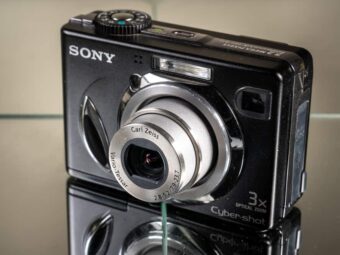
Sony Cyber-Shot DSC-W800
-
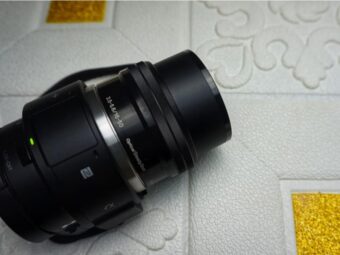
Sony DSC-QX100
-

Sony HANDYCAM HDR-CX405
-

Sony KD-50X80J
-

SONY KD-65A9G
-

Sony KDL – 32W600D
-

Sony XBR – 49X900F
-

Sony XBR – 55A8G
-

Sony XBR – 55A9G
-

Sony XBR – 55X800E
-
Sony XBR – 55X900F
-

Sony XBR – 55X900H
-

Sony XBR – 55X930E
-

Sony XBR – 65X800H
-

Sony XBR – 65X850F
-

Sony XBR – 65X900F
-

Sony XBR – 75X800G
-
Sony XBR – 75X850D
-
Sony XBR – 75X850F
-

Sony XBR – 85X800H
-
Sony XBR – 85X850G
-

Sony XBR – 85X950G
-
Sony Xperia 1
-
Sony Xperia 1 II
-
Sony Xperia 10
-
Sony Xperia 10 II
-
Sony Xperia 10 Plus
-
Sony Xperia 5
-
Sony Xperia 5 II
-

Sony Xperia L1
-

Sony Xperia M5
-

Sony Xperia X Compact
-

Sony Xperia XA
-

Sony Xperia XA Ultra
-

Sony Xperia XA1
-
Sony Xperia XA1 Ultra
-

Sony Xperia XA2 Ultra
-

Sony Xperia XZ
-

Sony Xperia XZ Premium
-

Sony Xperia XZ1
-

Sony Xperia XZ1 Compact
-

Sony Xperia XZ2 Compact
-

Sony Xperia XZ2 Premium
-

Sony Xperia XZ3
-
Sony Xperia Z1
-
Sony Xperia Z3
-
Sony Xperia Z3 Compact
-

Sony Xperia Z4 Tablet Wi-Fi
-

Sony Xperia Z5
-

Sony Xperia Z5 Compact
-

Sony Xperia Z5 Premium
-
Sony XR-55A80J
-

Sony XR-65A90J
-

Sony α1
-

Sony α5100
-

Sony α6300
-

Sony α6400
-

Sony α6500
-

Sony α7 II
-

Sony α7 III
-
Sony α7R IV
-

Stardew Valley
-

SteelSeries ARCTIS 5 (2019 Edition)
-
SteelSeries ARCTIS 9X
-

T-Mobile REVVL 4
-

T-Mobile REVVL 4 Plus
-

T-Mobile Revvl Plus
-

T-Mobile Revvlry
-
TCL 10 5G UW
-

TCL 10 Pro
-

TCL 10L
-

TCL 32S305
-

TCL 32S327
-
TCL 40FS3800
-

TCL 43S403
-
TCL 43S425
-

TCL 49S405
-

TCL 50S423
-
TCL 50S425
-

TCL 55R625
-

TCL 55S21
-

TCL 55S403
-

TCL 55S423
-

TCL 55S425
-

TCL 55US57
-

TCL 65Q825
-

TCL 65R615
-

TCL 65R617
-

TCL 65R625
-

TCL 65S401
-

TCL 65S403
-

TCL 65S421
-

TCL 65S425
-

TCL 65S513
-

TCL 65S517
-

TCL 75S425
-

Teclast X98 Pro
-

Tecno Spark 2
-

Tecno Spark 3
-

Toshiba 50UL3B63DG
-

Toshiba 55LF711U20
-

Toshiba Chromebook 2 CB35-B3340
-

Ulefone Armor 6E
-

Ulefone Armor 7
-

UMIDIGI A5 Pro
-

UMIDIGI F1
-

UMIDIGI F2
-

UMIDIGI S3 Pro
-

Unihertz Atom
-

Vivo NEX S
-
Vivo S1 Pro
-

Vivo V15 Pro
-

Vivo V17 Pro
-
VIZIO D-Series 32-Inch Smart TV
-

VIZIO D24f-F1
-

VIZIO D32x-D1
-

VIZIO D48-D0
-

VIZIO D50u-D1
-
VIZIO D50X-G9
-

VIZIO D55-D2
-
VIZIO D55U-D1
-
VIZIO D60-D3
-

VIZIO D65x-G4
-

VIZIO E32-D1
-

VIZIO E320-A0
-

VIZIO E320i-A0
-

VIZIO E40-D0
-
VIZIO E55-D0
-

VIZIO E65-E1
-

VIZIO M322i-B1
-

VIZIO M506x-H9
-

VIZIO M507-G1
-

VIZIO M558-G1
-

VIZIO M658-G1
-
VIZIO P659-G1
-

VIZIO P65QX-H1
-

VIZIO P75-F1
-

VIZIO V405-G9
-

VIZIO V505-G9
-
VIZIO V505-H19
-

VIZIO V655-G9
-

VIZIO V655-H9
-
VTech KidiZoom Action Cam
-

Westinghouse WR40FX2019
-

Westinghouse WR50UX4210
-

Xiaomi Black Shark 2 Pro
-
Xiaomi Mi 10T Pro 5G
-
Xiaomi Mi 11
-

Xiaomi Mi 8 Lite
-

Xiaomi Mi 9 SE
-
Xiaomi Mi A2 Lite
-

Xiaomi Mi A3
-

Xiaomi Mi CC9 Pro
-

Xiaomi Mi Max 3
-

Xiaomi Mi Max 4
-

Xiaomi Mi Mix 2S
-

Xiaomi Mi Mix 3
-

Xiaomi Mi Mix Alpha
-

Xiaomi Mi Pad 2
-

Xiaomi Mi Pad 4
-

Xiaomi Pocophone F1
-

Xiaomi Redmi 5 Plus
-

Xiaomi Redmi 6
-

Xiaomi Redmi 7
-

Xiaomi Redmi 7A
-

Xiaomi Redmi Note 10
-
Xiaomi Redmi Note 10 Pro
-

Xiaomi Redmi Note 6 Pro
-

Xiaomi Redmi Note 7
-

Xiaomi Redmi Note 8T
-
Xiaomi Redmi Note 9 Pro
-

ZTE Altair 2
-
ZTE Axon 10 Pro 5G
-
ZTE Axon 20 5G
-

ZTE Axon 7 mini
-
ZTE Axon 9 Pro
-

ZTE Axon M
-

ZTE Blade A7
-
ZTE Blade V8 Pro
-

ZTE Blade Vantage
-

ZTE Blade X
-

ZTE Blade Z Max
-

ZTE Grand X Max 2
-

ZTE Grand X Max+
-

ZTE Grand X4
-

ZTE Grand Xmax
-

ZTE Max XL
-

ZTE nubia Red Magic 3
-

ZTE Tempo X
-

ZTE Vision R2
-

ZTE Zmax Pro
Xiaomi 15’s Snapdragon 8 Elite
Xiaomi Australia’s cited specification page lists the Snapdragon 8 Elite, with 12GB of RAM and 512GB of storage for that page’s configuration. It should have ample headroom for demanding apps, but the sources do not establish how its sustained frame rates compare with the POCO’s Gen 5 platform or whether a particular regional Xiaomi configuration uses the same memory and storage.
For gaming, select based on the complete experience: screen size, supported refresh modes, cooling behavior, controls, storage and local software. A chipset label alone cannot answer which phone maintains a higher frame rate in your games.
Independent reader supportYour contribution helps us test, update, and keep practical guides available for everyone.Which has better battery life?
Capacity advantage: POCO F9 Ultra
POCO lists an 8,050mAh typical battery. Xiaomi lists 5,240mAh typical for Xiaomi 15 on its Australia page. On paper, the POCO has the larger energy reserve, which is useful for long gaming sessions, navigation, video playback and hotspot use.
Why capacity is not a runtime verdict
There is no controlled, head-to-head battery-life test in the cited sources. Runtime also depends on display size and refresh rate, modem reception, game load, temperature, background apps, software updates and brightness. The POCO’s larger screen and optional high-refresh gaming mode can consume more power than the Xiaomi’s smaller panel in some workloads. Conversely, the POCO’s capacity margin may still provide more endurance in others. The only accurate conclusion from the available evidence is that the POCO has the higher listed capacity, not that it lasts a specific number of hours longer.
If battery endurance is your deciding factor, compare independent tests for the exact regional models or buy from a seller with a clear return policy. Do not treat the two mAh figures as a laboratory result.
How do their charging systems differ?
POCO lists 100W wired and 50W wireless charging. Xiaomi lists 90W wired and 50W wireless charging. Their wireless ratings are the same on paper, while POCO’s wired rating is 10W higher. Actual charging speed depends on the supplied or compatible charger, cable, temperature, battery state and regional firmware.
Xiaomi Australia’s page says the power adapter is sold separately and that wireless chargers are sold separately. POCO’s global page tells buyers to check the local seller about charger inclusion. Box contents are therefore market- and seller-specific; confirm them before paying rather than assuming either phone includes a high-wattage adapter.
Which camera system is better for photos?
POCO F9 Ultra hardware and review observations
POCO lists a 200MP main camera with optical image stabilization, a 5x OIS telephoto and a 50MP ultra-wide. The longer 5x camera is useful for distant subjects, portraits framed from farther away and travel details without relying entirely on digital zoom. TechRadar’s September 2026 reviewer specifically found the 5x telephoto useful, but described the ultra-wide as weaker in low light.
A 200MP specification does not automatically produce more detail than a lower-resolution sensor. Processing, sensor size, lens quality, stabilization and lighting determine the final image. The cited sources do not provide a controlled image-quality comparison against Xiaomi 15.
Xiaomi 15’s Leica-branded triple camera
Xiaomi lists a Leica 50MP main camera with OIS, a Leica 60mm floating telephoto at 50MP with OIS, and a 50MP ultra-wide. The 60mm focal length sits between a conventional portrait lens and a long 5x module, favoring natural-looking portraits and moderate zoom. Leica branding identifies the camera partnership and tuning; it is not evidence by itself that every scene will outperform the POCO.
Choose the POCO when a dedicated 5x perspective is more valuable than brand-tuned imaging and you accept the reviewer’s low-light ultra-wide caveat. Choose the Xiaomi when you want a compact phone with a Leica-branded, three-camera setup and a 60mm floating telephoto. For a universal “better camera” verdict, the supplied evidence is insufficient.
What software support should you expect?
TechRadar’s September 2026 review says the POCO launched with HyperOS 3 based on Android 16, and reports four Android platform updates plus six years of security updates. Those figures are attributed to the review and should be checked against POCO’s current policy for your country and model before purchase. The cited material does not establish an equivalent Xiaomi 15 support commitment for every market, so do not assume the same period applies to both phones.
Regional firmware can affect available features, update timing, pre-installed apps and network functions. Verify the exact model number, operating-system version and support statement on the local product page or seller invoice if long-term updates are important.
How much do they cost, and which is better value?
A like-for-like current price is not established. TechRadar’s September 2026 review reported launch-region prices for the POCO F9 Ultra, but those figures are not a guaranteed offer today and do not establish what the Xiaomi 15 costs in the same market or storage tier. Xiaomi Australia’s cited page documents a 12GB/512GB configuration, while the cited POCO material does not state a matching storage option.
Compare the following before calling either phone a bargain:
- Street price in your country on the day you buy.
- RAM and storage, not just the model name.
- Whether the advertised charger and cable are included.
- Official warranty length, service location and return window.
- 5G and LTE band compatibility with your carrier.
- Taxes, import charges and seller reputation.
A lower sticker price can be offset by a missing charger, weaker warranty or incompatible regional model. Conversely, paying more for the Xiaomi may be rational if its compact design and camera system match your use better. Value is personal once those local variables are included.
Which phone should different buyers choose?
Buy the POCO F9 Ultra if:
- You want a roughly 6.9-inch display for games, video or split-screen work.
- You will use a supported game that can actually reach the listed 185Hz mode.
- You prefer the larger 8,050mAh typical battery capacity.
- You need a dedicated 5x OIS telephoto for distant subjects.
- You are comfortable carrying a 235g phone and potentially a larger case.
- 100W wired charging is more useful to you than compact dimensions.
Buy the Xiaomi 15 if:
- One-handed use, pocketability and a 191–192g weight matter most.
- A 6.36-inch, 2670 × 1200 AMOLED screen is large enough for your routine.
- You prefer a Leica-branded 50MP main, 60mm floating telephoto and 50MP ultra-wide.
- You want 1–120Hz adaptive refresh rather than a title-limited 185Hz mode.
- You can budget for a separately sold adapter on the cited Australia configuration.
- The local Xiaomi price, warranty and storage package beat the POCO’s offer.
Checks to complete before ordering
- Open the local specification page. Confirm the exact model number, chipset, memory, storage, battery rating and supported bands for your country.
- Check the seller’s box-content list. Look specifically for the charger, cable, case and any regional restrictions. Xiaomi’s cited Australia page says the adapter is separate; POCO says to ask the local seller.
- Compare identical storage tiers. A 512GB Xiaomi listing should not be compared with an unspecified or lower-capacity POCO listing.
- Verify warranty and returns. Confirm who handles repairs, where service is performed and how long you have to return the phone.
- Check carrier compatibility. Ask your network whether the precise regional model supports the required 4G, 5G, VoLTE and emergency-calling bands.
- Match the phone to your hand and games. Test the POCO’s width and weight if possible, and check whether your main games are among those that support its 185Hz mode.
- Confirm software commitments. Treat the POCO update figures reported by TechRadar as a review-era claim and verify the current regional policy.
Bottom-line decision
The POCO F9 Ultra is the more appropriate tool for a buyer who deliberately wants a very large gaming display, high-wattage wired charging, a large listed battery and 5x optical reach. Its size, 235g review-listed weight and game-dependent 185Hz mode are meaningful trade-offs.
The Xiaomi 15 is the safer fit for one-handed use and compact daily carry. Its 6.36-inch display, 191–192g regional specification, Leica-branded cameras and 60mm floating telephoto make it a different kind of flagship experience rather than a smaller POCO. Because no controlled battery comparison, universal camera winner or current like-for-like price is established, make the final choice using your local listing, warranty, carrier compatibility and preferred physical size.
#1 Best Overall

- USA MARKET ONLY WORK ON TMOBILE BOOST MINT TELLO OR ANY UNDER TMOBILE NETWORK PHONE NEEDS A SIM CARD ALREADY ACTIVATED ,OUTSIDE USA WORKS ANY GSM CARRIER SIM GSM FCC ID: 2AFZZPC0AG
- Dual SIM (nano SIM + nano SIM or nano SIM + eSIM) (NO MICRO SD) 5G: 5G SA: n1/2/3/5/7/8/20/26/28/38/40/41/66*(70M)//77/78/485G NSA: n1/3/5/7/8/20/28/38/40/41/66*(70M)/77/784G LTE TDD: B38/40/41/42/484G LTE FDD: B1/2/3/4/5/7/8/18/19/20/26/28/66*(70M)/713G WCDMA: 1/2/4/5/6/8/192G GSM: 2/3/5/8Supports 4x4 MIMO*5G SA/NSA N66(70M) and 4G B66(70M): UL 1710MHz~1780MHz, DL 2110MHz~2180MHz*5G connectivity may vary based on region availability and local operator support.
- 6.83" 1.5K 120Hz ultra-bright AMOLED displayResolution: 2772 x 1280Contrast ratio: 8,000,000:1Refresh rate: Up to 120Hz*Refresh rate can be adjusted to up to 120Hz for supported apps.Peak brightness: 3500 nits covering 25% display areaHBM brightness: 2000 nitsTypical brightness: 800 n: 2560Hz*480Hz touch sampling rate is activated under Game Turbo Mode.*2560Hz instant touch sampling rate is activated under Game Turbo Mode.12-bit color depth, 68 billion colorsDCI-P3 wide display 2.0HDR10+TÜV Rheinland Low Blue Light (Hardware Solution) CertifiedTÜV Rheinland Flicker Free CertifiedTÜV Rheinland Circadian Friendly CertifiedDolby VisionCorning Gorilla Glass 7i
- MediaTek Dimensity 9500s3nm manufacturing process1 x Cortex-X925, up to 3.73GHz3 x Cortex-X4, up to 3.3GHz4 x Cortex-A720, up to 2.4GHzImmortalis-G925 MC11NPU 890 - 8500mAh (typ)100W HyperChargeUSB Type-C charging portUp to 27W reverse chargingSupports PD3.0/PD2.0Smart charging
- Wi-Fi Protocol: Wi-Fi 7/ Wi-Fi 6/ Wi-Fi 5/ Wi-Fi 4 and 802.11a/b/g*Wi-Fi 7/Wi-Fi 6 capability may vary based on regional availability and local network support. Wi-Fi connectivity (including Wi-Fi frequency bands, Wi-Fi standards and other features as ratified in IEEE Standard 802.11 specifications) may vary based on regional availability and local network support. The function may be added via OTA when and where applicable.WLAN frequency: 2.4G Wi-Fi | 5G Wi-FiSupports Multi-Link Operation, 2x2 MIMO, 8x8 Sounding for MU-MIMO, Wi-Fi Direct, MiracastBluetooth 6.0, Dual-BluetoothSupports SBC / AAC / LDAC / LHDC 5.0 / LC3 / ASHA / AuracastNFC
Rank #2

- USA MARKET ONLY WORK ON TMOBILE MINT TELLO OR ANY UNDER TMOBILE NETWORK PHONE NEEDS A SIM CARD ALREADY ACTIVATED ,OUTSIDE USA WORKS ANY GSM CARRIER SIM GSM FCC ID: 2AFZZRA29G
- Dual SIM (nano SIM + nano SIM or nano SIM + eSIM) NO MICRO SD SLOT. 5G: n1/2/3/5/7/8/12/20/26/28/38/40/41/48/66/77/78 - 4G: LTE FDD: 1/B2/B3/B4/B5/B7/B8/B12/B13/B17/B18/B19/B20/B26/B28/B32/B66 4G: LTE TDD: B38/B40/B41/B42/B48 - 3G: WCDMA: B1/B2/B4/B5/B6/B8/B19 - 2G: GSM: B2/B3/B5/B8
- 6.83" AMOLED displayResolution: 1.5K (2772 x 1280)Refresh rate: Up to 120HzTouch sampling rate: Up to 480HzInstantaneous touch sampling rate: 2560Hz*Activated in Game Turbo modeBrightness: 3200 nits peak brightnessBrightness: HBM 1800 nitsColor depth: 12bitContrast ratio: 8000000:1DCI- P3 wide color gamut447PPICorning Gorilla Glass Victus 2Sunlight displayHDR10+ | Dolby Vision16,000-step automatic brightness adjustment3840Hz PWM dimming|TÜV Rheinland Low Blue Light (Hardware Solution) Certified | TÜV Rheinland Circadian Friendly Certified | TÜV Rheinland Flicker Free Certified
- MediaTek Dimensity 7400-Ultra4nm manufacturing process technologyCPU: Octa-core processor, up to 2.6GHzGPU: Mali-G615
- 200MP main cameraOptical Image Stabilization (OIS)0.56μm, 16in1, 2.24μmf/1.77P lens1/1.4" sensor size8MP ultra-wide cameraf/2.2Rear camera video recording4K at 30 fps1080p at 30/60 fps720p at 30 fps / Front Camera 20MP front camera1/4" sensor sizef/2.24P lensFront camera video recording1080p at 30/60 fps720p at 30 fps
Rank #3

- International Model - No Warranty in US. USA ONLY COMPATIBLE WITH TMOBILE / MINT, TELLO GLOBAL VERSION . ****** Does NOT Work With Verizon Sprint Boost Metro Pcs At&t Cricket ***** . Unlocked Worldwide . - FCC ID: 2AFZZPNFAG
- Dual Nano sim 5G + eSIM (No micro SD support): 5G: Supports NSA + SA5G: 5G SA: 1/2/3/5/7/8/12/20/25/26/28/38/40/41/48/66/75/77/78 5G NSA: n1/3/5/7/8/20/28/38/40/41/66/75/77/78: 4G: LTE FDD: B1/2/3/4/5/7/8/12/13/17/18/19/20/25/26/28/32/66/71 4G: LTE TDD: B38/39/40/41/42/48: 3G: UMTS: B1/2/4/5/6/8/192G: GSM: B2/3/5/8 Supports 4x4 MIMO
- Leica Summilux optical lensVARIO-SUMMILUX 1:1.67-3.0/15-115 ASPH.Leica 23mm main camera50MPLight Fusion 9502.4μm 4-in-1 Super Pixelf/1.67OIS23mm equivalent focal lengthLeica 115mm periscope telephoto50MPf/3.0OIS115mm equivalent focal lengthLeica 15mm ultra-wide camera12MPf/2.215mm equivalent focal length120º FOV Rear camera video recording8K (7680 x 4320) video recording at 30fps4K video recording at 120fps p (190+ (1280 x 720) video recording at 30fpsLog video recording up to 4K at 30fps, 60fpsSlow-motion video recording:- 720p at 120fps, 240fps, 480fps, 960fps, 1920fpootSteady
- 6.83" 144Hz eye-care AMOLED displayCorning Gorilla Glass 7iResolution: 1.5K, 2772 x 1280, 447 PPIRefresh rate: Up to 144Hz refresh rate*Touch sampling rate: Up to 480Hz, 3500Hz instantaneous*Color gamut: 100% DCI-P3Color depth: 12bit, 68 billion colorsBrightness: 600 (typ), 2000 (HBM)Peak brightness: 3500nits (UHBM) @APL25 dimmingOriginal color PRO | Pro HDR | Wet Touch Technology 2.0 | Xiaomi Vision Care*HDR10+, Dolby VisionTÜV Rheinland Low Blue Light (Hardware Solution) CertifiedTÜV Rheinland Flicker Free CertifiedTÜV Rheinland Circadian Friendly CertifiedTÜV Rheinland Intelligent Eye Care Certified
- MediaTek Dimensity 95003nm processCPU:1 x C1-Ultra, up to 4.21GHz3 x C1-Premium, up to 3.5GHz4 x C1-Pro, up to 2.7GHzGPU: Mali G1-UltraAI: NPU 990
Quick Recap
Product prices and availability are accurate as of the date/time indicated and are subject to change. Any price and availability information displayed on Amazon at the time of purchase will apply.

