
iTechGuides is reader-supported. When you buy through links on our site, we may earn an affiliate commission. As an Amazon Associate I earn from qualifying purchases. Learn more
Verizon customers can already send basic satellite texts in 2026 on supported Android phones through Skylo, while iPhone 14 and later models use Apple’s satellite features. The separate AST SpaceMobile service is planned to begin in 2026, but Verizon and AST have not published a precise consumer launch date, final device list, or price.
That makes the headline “Verizon Customers Get Satellite Messaging Later This Year” potentially misleading as of August 18, 2026. Satellite messaging is not simply a future Verizon feature: limited emergency and two-way texting capabilities are already available. The unresolved “later this year” story is the broader AST SpaceMobile rollout, which is intended to extend satellite connectivity beyond basic messages.
Key takeaways
- Verizon’s Skylo-powered satellite service already supports basic two-way text messaging on selected Android phones when cellular and Wi-Fi service are unavailable.
- Current Skylo messaging does not support MMS, RCS, photos, attachments, or full internet access, and users need a clear line of sight to the sky.
- iPhone 14 and later models can use Apple’s satellite features, including Messages via satellite and Emergency SOS via satellite, separately from Verizon’s Android/Skylo implementation.
- Verizon and AST SpaceMobile announced a direct-to-device cellular agreement intended to begin in 2026 across the continental United States, but the available announcement does not specify a consumer launch day, final phone list, or retail price.
- Verizon says Skylo satellite SOS and messaging have no additional fee, but customers still need an eligible Verizon line, compatible phone, and qualifying software.
Is Verizon satellite messaging available now or later this year?
Verizon satellite messaging is available now in limited forms; the broader AST SpaceMobile service is the future-facing rollout. Verizon first introduced satellite connectivity with Skylo for select smartphones, initially emphasizing emergency messaging and location sharing. Verizon later expanded ordinary satellite texting to selected Samsung Galaxy S25 and Google Pixel 9 devices in an announcement dated March 19, 2025.
Do these 3 things before closing this tab:
1Scan for outdated or missing drivers - takes under a minute2Repair Windows errors before they cause bigger problems3Fix the driver behind crashes, sound loss and screen glitchesVerizon’s current support documentation lists a wider set of compatible Android phones than the original launch announcements. The current Android feature is designed as a fallback for basic text communication when terrestrial cellular and Wi-Fi connections are unavailable—not as a replacement for ordinary 5G service or broadband internet. Verizon’s satellite SOS and messaging FAQ provides the current requirements and limitations.
#1 Best Overall

- SYNC WITH BLUETOOTH: Connect to SpotX to cellphone so you can communicate with family or even search and rescue; Use as a standalone communication device with it's own dedicated US mobile number to receive messages
- PEACE OF MIND: Send S.O.S. to 24/7 Search & Rescue service, message back and forth about the nature of your emergency, receive confirmation when help is on the way; Message any cell number or email address virtually anywhere
- GLOBALSTAR SATELLITE & SPOT products use GPS to determine location and transmit GPS coordinates to others; SPOT users can notify friends, family or emergency rescue their exact GPS coordinates
- WHAT'S IN THE BOX: SpotX Device, strap and carabiner, micro usb data/power cable, quick start guide, SOS mirrored sticker, warranty card and kickstand
- PURCHASE, ACTIVATE, EXPLORE: Grab a Spot X 2-way Satellite Messenger; Activate by selecting your service plan; Get out there and explore the world with peace of mind
The separate AST SpaceMobile announcement is likely the source of claims about a new Verizon satellite service arriving “later this year.” Verizon and AST announced a definitive commercial agreement for AST direct-to-device service beginning in 2026 across the continental United States. The announcement describes a broader network intended to support native cellular functions such as text, voice, data, and video, but it does not establish an exact consumer launch date, final retail device list, or customer pricing.
As a result, readers should separate two claims:
| Service | Status as of August 18, 2026 | What it is intended to do |
|---|---|---|
| Verizon plus Skylo | Available on selected Android phones | Basic satellite texting and satellite emergency workflows |
| Apple satellite features | Available on supported iPhone 14 and later models | Emergency SOS, roadside assistance, Messages via satellite, and Find My location sharing |
| Verizon plus AST SpaceMobile | Planned to begin in 2026; exact consumer launch details remain unspecified | Broader direct-to-device cellular connectivity, potentially including text, voice, data, and video |
The original Verizon-Skylo launch announcement is historical context, not evidence that the current Skylo feature is still merely “coming later.”
What does Verizon’s current satellite messaging include?
Verizon’s current Android service provides basic two-way text messaging through a satellite connection when cellular and Wi-Fi service are unavailable. The service is useful for short, low-bandwidth communication in a dead zone, but it does not recreate a normal messaging or internet connection.
On supported Android phones, Skylo messaging currently supports ordinary text messages. Verizon says the service does not support MMS, RCS, or attachments. A user cannot depend on the current Android service to send a photo, video, file, or feature-rich RCS group conversation.
| Capability | Current Android/Skylo service | Practical meaning |
|---|---|---|
| Basic SMS | Yes | Short text messages can be sent and received over satellite. |
| Two-way texting | Yes | Recipients can reply, subject to the same service and connection conditions. |
| MMS and photos | No | Do not rely on the feature for image or video messages. |
| RCS | No | RCS chat functions and their richer features are unavailable over the current Skylo service. |
| Attachments | No | Files and other message attachments are not supported. |
| Satellite SOS | Yes, on eligible devices | Emergency workflows are separate from ordinary satellite texting. |
| Full internet access | Not currently documented | The feature should not be described as satellite internet. |
| Voice and video calling | Not part of the current Skylo messaging service | Broader voice and video capabilities belong to the future-facing AST discussion. |
Verizon also says Wireless Emergency Alerts and Commercial Mobile Alert System alerts are not currently supported over Skylo. That limitation matters in remote areas: a satellite-capable phone may be able to send a message without receiving every terrestrial alert normally associated with cellular service.
Which Android phones work with Verizon satellite texting?
Verizon’s support page lists selected Samsung Galaxy and Google Pixel models, not every Android phone. As of August 18, 2026, the listed Android models are:
| Manufacturer | Compatible models listed by Verizon | Important requirement |
|---|---|---|
| Samsung | Galaxy S25, Galaxy S25 Edge, Galaxy S25+, Galaxy S25 Ultra, Galaxy Z Fold7, and Galaxy Z Flip7 | Updated software and Google Messages as the default messaging app |
| Pixel 9, Pixel 9 Pro, Pixel 9 Pro XL, Pixel 9 Pro Fold, Pixel 10, Pixel 10 Pro, and Pixel 10 Pro XL | Updated software and Google Messages as the default messaging app |
The exact eligibility decision can also depend on the Verizon model, account status, software version, and geographic availability. Verizon’s current compatibility and troubleshooting documentation should be checked immediately before buying a phone or publishing an updated model list, because support can change as new devices and software versions arrive.
The Tool Desk
Outbyte Driver Updater FREEScan for outdated or missing drivers - takes under a minuteDriver Scan →Outbyte PC Repair FREEClear out junk files and repair common Windows errorsFree Scan →A generic “No Service” indicator is not enough to establish eligibility. The phone must be a supported model, properly updated, configured with the required messaging app, located in a supported area, and able to establish a satellite connection.
Do iPhones work with Verizon satellite messaging?
Yes, iPhone 14 and later models can use Apple’s satellite features, but the iPhone implementation should not be conflated with Verizon’s Skylo-powered Android service. Verizon directs supported iPhone users to Apple’s satellite capabilities rather than describing those features as the same Android workflow.
Verizon’s consumer satellite page lists these Apple features:
- Emergency SOS via satellite
- Roadside Assistance via satellite
- Messages via satellite
- Location sharing through Find My
The cited Verizon information specifies iPhone 14 or later with iOS 18 or later. Apple controls the implementation and availability of these features, which can vary by country, model, software version, and service. Readers should confirm the current requirements in Apple’s own interface and Verizon’s satellite messaging information for smartphones.
PC Slower Than It Used to Be?
A free scan shows the junk files, broken settings and background clutter dragging Windows down - then fixes them in one click.Free scan · Windows 10 & 11Crashes, No Sound, or Screen Glitches?
Random freezes, missing sound and display glitches usually trace back to one bad driver. Find and replace yours safely.Free scan · under a minuteThe practical distinction is important: an eligible iPhone does not need to be placed on the Android/Skylo compatibility list, and an eligible Android phone does not gain Apple’s Messages via satellite feature.
How do you send a satellite text on a supported Android phone?
A supported Android phone can prompt the user to connect to a satellite when cellular and Wi-Fi service are unavailable. The user must be outdoors or in another location with a usable view of the sky.
- Move outdoors and away from buildings, canyon walls, heavy vegetation, and other obstructions.
- Confirm that cellular and Wi-Fi service are unavailable.
- Open Google Messages and attempt to send a text.
- Follow the satellite-messaging prompt and the positioning instructions shown on the screen.
- Orient and move the phone as instructed, maintaining line of sight while the message is sent.
Verizon says the phone can automatically detect when cellular and Wi-Fi service are unavailable and may prompt the user to connect to a satellite. Connection performance can still vary with the surroundings, phone orientation, weather, satellite availability, and the user’s ability to maintain a clear view of the sky. The Verizon satellite messaging product page describes the customer-facing process.
Rank #2

- Small, rugged, lightweight satellite communicator enables two-way text messaging even in areas with no cell coverage (Active satellite subscription required. Some jurisdictions regulate or prohibit the use of satellite communication devices)
- Send two-way messages globally; easily text back and forth directly with friends via the Garmin Messenger app, even when you’re out of cellular coverage. (Active satellite subscription required. Some jurisdictions regulate or prohibit the use of satellite communication devices.)
- Group messaging via the Garmin Messenger smartphone app lets you share your adventures with multiple contacts simultaneously — and have group text chats with friends and family
- Check in with contacts directly by using preset messages that do not count toward your allotted text messages (Active satellite subscription required. Some jurisdictions regulate or prohibit the use of satellite communication devices)
- Share your GPS location (Active satellite subscription required. Some jurisdictions regulate or prohibit the use of satellite communication devices)
How does Satellite SOS work?
For an eligible Android phone, Satellite SOS begins with an emergency call and then follows on-screen instructions to relay information through the satellite workflow. Verizon documents the following general process:
- Dial 911.
- Follow the on-screen Satellite SOS questions.
- Continue the conversation through Google Messages if the phone prompts you to do so.
- Follow the positioning instructions and maintain satellite visibility.
- Use the option to notify emergency contacts when the feature presents that option.
Verizon says Garmin Response helps relay emergency information to local responders for the Skylo emergency workflow. Satellite SOS should not be treated as a guarantee that emergency communication will succeed in every location. Supported hardware, software, geography, sky visibility, satellite availability, and the emergency workflow all matter.
Satellite SOS is also different from ordinary satellite texting. Emergency communication should be kept concise and should include the information responders need, such as the nature of the emergency and the user’s location when requested.
Where does Verizon satellite messaging work?
Verizon’s current consumer information describes satellite features across the continental United States, Hawaii, and parts of Alaska, but coverage is not equivalent to ordinary nationwide terrestrial coverage. Verizon warns that satellite connectivity may not work in some parts of Alaska.
Satellite coverage is not a guarantee that a phone can connect from every point inside the advertised region. Buildings, vehicles, mountains, canyon walls, dense vegetation, weather, phone orientation, and satellite availability can block or weaken the connection. A phone in a remote area may be geographically covered yet unable to establish a link because the sky is obstructed.
Quick wins for a faster PC:
Repair Windows errors before they cause bigger problemsFix Now →Scan for outdated or missing drivers - takes under a minuteDriver Scan →Clear out junk files and repair common Windows errorsFree Scan →The projected AST service has a different stated footprint. The Verizon-AST commercial agreement describes service across the continental United States. The agreement’s stated target area should not be merged with the current Skylo-facing language about Hawaii and parts of Alaska. These are different arrangements with different deployment claims.
For trip planning, check Verizon’s current satellite support information and coverage tools, then plan for the possibility that a satellite connection will fail at a specific campsite, road segment, canyon, or building.
Does Verizon satellite texting cost extra?
Verizon says Skylo satellite SOS and messaging have no additional fee, but customers still need an eligible Verizon line and compatible phone. Verizon’s consumer information also says satellite service is included with “myPlan” at no additional cost. The no-extra-fee statement does not mean that Verizon wireless service, taxes, fees, device payments, or a new phone are free.
Verizon’s BYOD page advertises satellite texting as a feature of its Simplicity plan and showed $30 per month per line after AutoPay and switcher discounts when accessed in August 2026. That is a date-specific, eligibility-dependent offer rather than a universal Verizon price. Promotional discounts, plan rules, taxes, fees, trade-in credits, and line requirements can change.
Customers considering an upgrade should calculate the full cost:
- the Verizon plan and line charges;
- taxes and fees;
- the phone’s retail or installment price;
- trade-in or promotional-credit requirements;
- any activation, switching, or device-financing conditions.
Verizon and AST have not published a verified final consumer price for the future AST SpaceMobile service in the cited commercial announcement. Do not assume AST service will be free, included with every Verizon plan, or priced like the current Skylo feature.
What will the AST SpaceMobile rollout add?
AST SpaceMobile is intended to provide broader direct-to-device cellular connectivity, potentially extending text, voice, data, and video functions through satellites. Verizon and AST have demonstrated satellite-enabled video calling and described a network intended to support more than basic emergency messages.
The distinction between a demonstration, a planned capability, and a retail service is essential. The companies’ materials describe the AST network as a future commercial rollout beginning in 2026, subject to deployment, network integration, regulatory approvals, testing, and commercial launch. The available definitive Verizon-AST commercial agreement announcement does not provide the exact customer launch day, final supported-phone list, retail plan terms, or price.
Recommended Free Tools
Verizon’s AST announcement about the BlueBird 2 satellite and video calling demonstrates the direction of the partnership, but a demonstration does not establish that nationwide voice, data, or video calling is available to Verizon customers today. Readers should treat AST’s broader functions as planned until Verizon publishes consumer availability details.
Rank #3
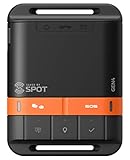
- MEANT FOR ADVENTURE: Spot Gen4 provides critical, life-saving line of communication when you travel beyond cell towers; Let family know you're ok or push the SOS button to send your GPS to emergency responders if you need help
- NO CELL PHONE OR SERVICE-NO PROBLEM: With the Tracking feature Gen4 can transmit location updates when you are moving and when you stop; Keep one in your child's backpack for the walk home
- GLOBALSTAR SATELLITE & SPOT products use GPS to determine location and transmit GPS coordinates to others; SPOT users can notify friends, family or emergency rescue their exact GPS coordinates
- WHAT'S IN THE BOX: SPOT Gen4 device, Strap and Carabiner, USB Cable, Batteries and quick start guide; Subscription required; Two service plans available
- PURCHASE, ACTIVATE, EXPLORE: Grab a Spot Gen4; Activate by selecting your service plan; Get out there and explore the world with peace of mind
How is current Verizon satellite messaging different from a satellite phone?
Current Verizon satellite messaging is a limited fallback feature, not a substitute for a satellite phone, dedicated satellite messenger, or normal cellular broadband.
| Need | Current Verizon smartphone satellite feature | What the reader should understand |
|---|---|---|
| Occasional emergency or basic text | Good potential fit on supported hardware and in a clear-sky location | Useful as a supplemental communication method. |
| Photos, files, or rich group chats | Poor fit for current Android/Skylo messaging | MMS, RCS, and attachments are not supported. |
| Browsing or broadband data | Not currently documented for Skylo messaging | Do not call the current feature satellite internet. |
| Frequent backcountry travel | Limited as a sole safety tool | Consider a dedicated communicator and a broader emergency plan. |
| Future voice, data, or video over satellite | Not current Skylo functionality | AST SpaceMobile is the separate planned Verizon service. |
Hikers, campers, rural travelers, and drivers crossing dead zones may value a built-in fallback because it avoids carrying another device. However, users who need location tracking, weather information, richer SOS monitoring, regular off-grid messaging, or dependable communications beyond cellular coverage should not rely only on basic smartphone satellite texting.
Should you upgrade to a satellite-capable Verizon phone?
An upgrade makes the most sense when the phone is already due for replacement and occasional emergency or basic off-grid texting is valuable. Satellite messaging alone may not justify buying a new flagship phone for someone who rarely leaves cellular coverage.
Free tools Windows power users keep installed
One-click scans. No signup required.
Use this decision checklist:
- Check the existing phone first: an iPhone 14 or later may already support Apple satellite features, while selected Galaxy and Pixel models support Verizon’s Android service.
- Confirm the exact model: the feature is not available on every Android phone or every Galaxy and Pixel generation.
- Check software and app requirements: supported Android phones need current software and Google Messages as the default messaging app.
- Match the capability to the need: basic text and emergency fallback are available now; photos, files, internet access, and current satellite voice are not part of the documented Skylo service.
- Consider geography: remote terrain and obstructions can prevent a connection even inside a listed coverage area.
- Compare alternatives: a dedicated satellite communicator may be more appropriate for frequent or high-consequence backcountry travel.
- Verify plan eligibility: Verizon documentation references supported postpaid and prepaid customers, but plan rules and promotions should be confirmed before purchase.
Verizon’s satellite-capable phone shopping page lists eligible Apple, Samsung, and Google devices, but displayed retail and installment prices are promotion-dependent and can change. A customer who already owns a compatible unlocked device may instead investigate Verizon’s BYOD option before purchasing another phone.
What are the main failure points?
The most common failure is assuming that a “No Service” message automatically means any phone can send a satellite text. The phone, software, messaging app, account, geography, and physical surroundings all have to meet the service requirements.
- Obstructed sky: buildings, vehicles, mountains, canyon walls, and heavy tree cover can prevent the connection.
- Unsupported device: a newer-looking phone is not necessarily on Verizon’s compatibility list.
- Wrong messaging app: Verizon’s Android requirement specifies Google Messages as the default messaging app.
- Outdated software: the device may need a software update before satellite functionality appears.
- Unsupported message type: MMS, RCS, and attachments will not work through the current Android/Skylo service.
- Geographic limitation: current coverage descriptions include Hawaii and parts of Alaska with qualifications, while the AST agreement names the continental United States as its target area.
- Overstated future expectations: AST demonstrations and planned capabilities are not proof that consumer voice, data, or video service is available.
Before traveling, test the phone’s emergency and satellite features according to the manufacturer’s instructions, carry a charged power bank, and keep a backup emergency plan. Smartphone satellite messaging should supplement—not replace—a paper map, first-aid equipment, appropriate trip planning, and a dedicated communicator when the trip demands one.
What changed in Verizon’s satellite timeline?
Verizon’s satellite story moved from a 2024 Skylo announcement to currently documented Android messaging and a separate 2026 AST commercial plan.
What’s actually slowing this PC down?
Pick the symptom - the matching free tool is one click away.
| Date | Development |
|---|---|
| 2024 | Verizon and Skylo announced commercial satellite connectivity for select smartphones, initially emphasizing emergency messaging and location sharing. |
| March 19, 2025 | Verizon announced expanded satellite texting for selected Samsung Galaxy S25 and Google Pixel 9 phones. |
| 2025 | Verizon and AST demonstrated satellite-enabled video calling and described a network intended to support text, voice, and video. |
| October 2025 announcement | AST SpaceMobile and Verizon announced a definitive commercial agreement for AST direct-to-device service beginning in 2026 across the continental United States. |
| August 18, 2026 | Verizon support documentation lists current Android compatibility, basic-text limitations, geographic qualifications, line-of-sight requirements, and no additional Skylo fee. |
The timeline explains why an old headline can sound current while being inaccurate. The correct present-tense story is that Verizon already offers limited satellite messaging on supported phones. The open future-tense story is when and how Verizon will commercialize the broader AST SpaceMobile service.
Frequently Asked Questions
Is Verizon satellite texting available now?
Yes. Verizon currently documents basic two-way satellite texting through Skylo on selected Android phones, while supported iPhone 14 and later models use Apple’s satellite features. The separate AST SpaceMobile service is planned to begin in 2026, but its exact consumer launch date has not been published in the cited announcement.
Does Verizon satellite messaging work on every phone?
No. Verizon’s current Android service is limited to listed Samsung Galaxy and Google Pixel models, requires updated software and Google Messages as the default app, and has account and geographic requirements. Apple satellite features require a supported iPhone 14 or later with compatible software.
Is Verizon satellite messaging free?
Verizon says Skylo satellite SOS and messaging have no additional fee, and Verizon describes the feature as included with myPlan. Customers still need an eligible Verizon line and compatible phone and remain responsible for their wireless plan, taxes, fees, device costs, and any promotion requirements.
Can Verizon satellite texting send photos or use the internet?
No. Verizon’s current Android/Skylo service supports basic two-way text messages but does not support MMS, RCS, attachments, or currently documented full internet access. Broader AST voice, data, and video capabilities are planned rather than established as current Skylo consumer features.
The Bottom Line
Bottom line: Verizon customers do not need to wait for basic satellite texting: supported Android phones already offer limited Skylo messaging, and iPhone 14 or later models can use Apple’s satellite features. The genuinely new 2026 story is Verizon’s planned AST SpaceMobile rollout, which may bring broader satellite-to-phone cellular functions. Verizon and AST have not yet verified the exact consumer launch date, final phone compatibility, or price, so customers should not buy a phone or change plans based on unconfirmed AST details.
Quick Recap
Product prices and availability are accurate as of the date/time indicated and are subject to change. Any price and availability information displayed on Amazon at the time of purchase will apply.

