
Before resetting, recovering, or moving to another Chromebook, make separate copies of your local files and any Linux or Android app data you need. Google Account sync restores selected settings and browser information; it is not a complete backup of the Chromebook. Powerwash and recovery erase local data, so verify your off-device copies before you begin.
First, identify the transition
The right precautions depend on what you are about to do. Moving to another Chromebook is different from Powerwashing or reinstalling ChromeOS, but all can leave you without local data if it has not been copied elsewhere.
- Moving to another Chromebook: sign in with the same Google Account to restore eligible synced information, then separately retrieve files saved to Drive or external storage. Linux backups have architecture requirements, and Android app data may not fully sync.
- Changing ChromeOS channel or version: the steps and risks can vary by device and operation. The change alone does not identify a particular procedure, so save local files and check app data before any step that may reset or replace the system.
- Powerwashing: this factory reset removes local user data, including Downloads, apps, and settings. See Google’s Powerwash instructions.
- Recovering or reinstalling ChromeOS: recovery removes and reinstalls ChromeOS and permanently erases the Chromebook’s hard drive. Newer Chromebooks may support internet recovery; older devices may not. See Google’s recovery guidance.
If your Chromebook is managed by work or school, contact its administrator before resetting or recovering it. An administrator may restrict sync or require a particular process.
What a Chromebook backup needs to cover
Google Account sync
ChromeOS can sync selected account information such as browser history, bookmarks, passwords, and Wi-Fi networks. Which items return depends on your sync settings, the Google Account you use, and any work or school restrictions. Check Google’s account-sync guidance; do not treat sync as a copy of every file or a full system image.
Free tools Windows power users keep installed
One-click scans. No signup required.
#1 Best Overall

- High-capacity storage to go, fast data transfer rates, you can save and backup any files, movies, music, photos, games and more.
- Simple & Ultra slim, the small, light weight enclosure features massive capacity and high quality and reliability.
- Plug and Play - Without software to install, just plug and play with USB connection.
- Ultra-fast Data Transfers - Works with USB3.0 and USB2.0 to deliver, up to 6Gbps transfer speed, which is about 10 times as fast as USB 2.0.
- System Compatibility - It can compatible with PC, Desktop, Laptop, MacBoo, Chromebook, Xbox One series console and so on.
Local files
Files in Downloads and other local folders are not included in Chromebook account sync. Google also warns that downloaded files may be deleted automatically when the device is low on space. Open the Files app and inspect Downloads, other local folders, and app-specific locations before a transition. Google explains local file handling in its Chromebook file guide.
Linux and Android data
The Linux development environment has its own backup-and-restore tool. Android app backup is enabled by default on supported devices, but that does not guarantee every app’s data will appear on another Chromebook. Check each environment separately before proceeding.
Rank #2

- Easily store and access 2TB to content on the go with the Seagate Portable Drive, a USB external hard drive
- Designed to work with Windows or Mac computers, this external hard drive makes backup a snap just drag and drop
- To get set up, connect the portable hard drive to a computer for automatic recognition no software required
- This USB drive provides plug and play simplicity with the included 18 inch USB 3.0 cable
- The available storage capacity may vary.
Back up files to Drive or external storage
Google lists Google Drive, another cloud storage service, and compatible USB flash drives or external hard drives as ways to move files to another Chromebook. Drive files are available through the web; external storage can provide an offline copy. Neither method automatically captures Linux containers or all app data. Google’s switching guide describes file transfer, and its external-device compatibility page covers supported file types and devices.
- Open the Files app and review Downloads, local folders, and locations used by apps. Identify the files you cannot afford to lose.
- Copy those files to Drive or a compatible USB drive or external hard drive. If you have enough space, keeping a second copy on separate external media adds another recovery option.
- Open the destination in Files, or sign in to Drive from a browser, and confirm that important files are present and readable. A file shown as available offline is still a Drive file for offline access, not a full Chromebook backup; see Google’s offline Drive instructions.
Physical storage compatibility varies. If ChromeOS offers to format a drive you do not recognize, do not format it if it contains your only copy: formatting erases its files.
Do these 3 things before closing this tab:
1Repair Windows errors before they cause bigger problems2Fix the driver behind crashes, sound loss and screen glitches3Clear out junk files and repair common Windows errorsRank #3

- 【Versatile Storage Expansion – For Gaming, Work & Everyday Use】 Running out of space on your PS5 or Xbox Series X/S? This external hard drive lets you store and play PS4 / Xbox One games directly, instantly freeing up your console’s internal storage for next‑gen titles. At the same time, it handles work file backups, media libraries, and cross‑device data transfers with ease. One drive, all your needs. *(Note: PS5 / Xbox Series X|S games cannot be run or stored directly from the external hard drive. However, by offloading your PS4 / Xbox One games, you can free up valuable space for newer titles.)*
- 【Patented Silicone Sleeve – Data Protection You Can Count On】 Worried about drops? We’ve got you covered. The patented built‑in silicone sleeve acts like a shock‑absorbing armor, cushioning your drive against bumps and falls. Whether it’s important work documents, precious family photos, or hard‑earned game saves, your data deserves this level of protection.
- 【Plug & Play, Compatible with Computers & Consoles】 No complicated setup—just plug in and go. Works seamlessly with Windows, Mac, and Linux computers, as well as PS4, PS5, Xbox One, and Xbox Series X/S. Process files at the office, back up data at home, or enjoy gaming in your downtime—one drive handles all your devices, simply and hassle‑free.
- 【USB 3.0 Ultra‑Fast Transfer – No More Waiting】 Tired of watching progress bars crawl? With USB 3.0 speeds up to 5Gbps, large files transfer in seconds. Whether you’re moving work documents, transferring hundreds of gigs of games, or backing up a year’s worth of photos, you get more done in less time.
- 【Sleek, Lightweight, and Ready to Go】 Weighing just 0.16 kg—lighter than a can of soda—this compact drive features a stylish mirror‑and‑frosted finish. Toss it in your bag and go, whether you’re heading to the office, visiting a friend for a gaming session, or giving a presentation on the road.
Back up the Linux development environment
If you use Linux apps or keep files in the Linux development environment, create its separate backup before a reset, recovery, or move. ChromeOS saves a .tini backup file, which can take substantial disk space. To restore it on a different Chromebook, the devices need compatible architectures, such as x86 or ARM.
- Open Settings > Advanced > Developers > Linux > Back up and restore.
- Select Back up and choose a destination that will remain available after the transition, such as Drive or external storage.
- Wait for the backup to finish, then verify that the
.tinifile exists at the destination. Make sure the destination has enough free space. - For a move to another Chromebook, check architecture compatibility before relying on the backup to restore there.
Google’s Linux backup and restore instructions provide the feature details.
Rank #4
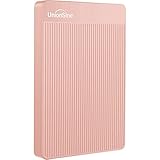
- 【Upgraded version】 - The mirror logo strip is combined with the striped non-slip design. The rounded corners of the shell are more suitable for holding. The strips play a heat dissipation function to ensure a stable and fast transmission process.
- 【Ultra-thin and quiet】 - The motherboard adopts JMicron 578 noise-free solution, giving you a quiet working environment. Lightweight and portable size designed to fit in your pocket for easy portability.
- 【Ultra-Fast Data Transfers】 - Pairing this external hard drive with JMicron 578 solution USB 3.0 and USB 2.0 interfaces enables blazing-fast data transfer. It boasts theoretical read speeds of up to 125MB/s and write speeds of up to 103MB/s."
- 【Plug and Play】 - With no software to install, just plug it in and the drive is ready to use.The hard disk chip is wrapped with an aluminum anti-interference layer to increase heat dissipation and protect data.
- 【What You Get】 - 1 x Portable Hard Drive, 1 x USB 3.0 Cable, 1 x User Manual, Gift-type shell packaging ,Three-year manufacturer's warranty and free technical support services.
Check Android app data separately
On supported Chromebooks, Android backup and restore is on by default, but app data may not fully sync across Chromebooks. For anything important, check the app’s own account, cloud-sync, or export options as well as Google Play backup settings. Do this before disabling the Play Store: Google says disabling it erases Android app data and settings. See Google’s Android app guidance.
Quick Recap
Best Value

- 【Upgraded version】 - The mirror logo strip is combined with the striped non-slip design. The rounded corners of the shell are more suitable for holding. The strips play a heat dissipation function to ensure a stable and fast transmission process.
- 【Ultra-thin and quiet】 - The motherboard adopts JMicron 578 noise-free solution, giving you a quiet working environment. Lightweight and portable size designed to fit in your pocket for easy portability.
- 【Ultra-Fast Data Transfers】 - Pairing this external hard drive with JMicron 578 solution USB 3.0 and USB 2.0 interfaces enables blazing-fast data transfer. It boasts theoretical read speeds of up to 125MB/s and write speeds of up to 103MB/s.
- 【Plug and Play】 - With no software to install, just plug it in and the drive is ready to use.The hard disk chip is wrapped with an aluminum anti-interference layer to increase heat dissipation and protect data.
- 【What You Get】 - 1 x Portable Hard Drive, 1 x USB 3.0 Cable, 1 x User Manual, Gift-type shell packaging ,Three-year manufacturer's warranty and free technical support services.
Run the pre-transition checklist
- Confirm what is changing: Chromebook, channel or version, factory reset, or ChromeOS recovery. If the device is managed, check with the administrator first.
- Sign in to the Google Account you expect to use afterward. Review Settings > Accounts > Sync and Google services > Manage what you sync and enable the categories you want, if permitted.
- Copy local files from Downloads and other folders to Drive or compatible external storage. Inspect the copies before continuing.
- If you use Linux, create and verify the
.tinibackup. For a new Chromebook, confirm architecture compatibility. - If you use Android apps, check Play backup and each important app’s own backup or export options before disabling the Play Store.
- Start the transition only after the copies are verified. For Powerwash or recovery, assume the Chromebook’s local data will be erased.
- After signing in or restoring, check files, browser sync, and app data on the destination before wiping or disposing of the old Chromebook, if you still have it.
Product prices and availability are accurate as of the date/time indicated and are subject to change. Any price and availability information displayed on Amazon at the time of purchase will apply.

