
Free tools Windows power users keep installed
One-click scans. No signup required.
iTechGuides is reader-supported. When you buy through links on our site, we may earn an affiliate commission. As an Amazon Associate I earn from qualifying purchases. Learn more
If you are building a desktop without a graphics card, the processor’s integrated GPU matters almost as much as its CPU performance. The best choice depends on whether you want to play games without a discrete GPU, run a general-purpose PC, or leave room for a graphics-card upgrade later.
For most integrated-graphics gaming builds, the AMD Ryzen 7 8700G is the safest pick. Intel’s latest Core Ultra desktop processors are better choices when compiling, rendering, encoding, or heavy multitasking matter more than gaming performance from the iGPU.
Best CPUs with integrated graphics in 2026
| CPU | Best for | Integrated GPU | Cores / threads | Platform |
|---|---|---|---|---|
| AMD Ryzen 7 8700G | Integrated-graphics gaming | Radeon 780M, 12 graphics cores | 8 / 16 | AM5, DDR5 |
| Intel Core Ultra 7 270K Plus | CPU-heavy work with an iGPU | Intel Graphics, 4 Xe-cores | 24 / 24 | FCLGA1851, DDR5 |
| Intel Core Ultra 5 250K Plus | Intel value builds | Intel Graphics, 4 Xe-cores | 18 / 18 | FCLGA1851, DDR5 |
| AMD Ryzen 5 8600G | Midrange AMD APU systems | Radeon 760M, 8 graphics cores | 6 / 12 | AM5, DDR5 |
| AMD Ryzen 5 8500G | Low-cost AM5 systems | Radeon 740M, 4 graphics cores | 6 / 12 | AM5, DDR5 |
1. AMD Ryzen 7 8700G: best integrated-graphics gaming CPU
The Ryzen 7 8700G remains the clearest choice for a desktop that needs to play games without a graphics card. Its Radeon 780M is substantially more capable than the basic display GPUs found in most conventional desktop processors. It is suitable for 1080p gaming with reduced settings, particularly in esports, older games, and less demanding titles.
Quick wins for a faster PC:
Fix the driver behind crashes, sound loss and screen glitchesFind Drivers →Clear out junk files and repair common Windows errorsFree Scan →Scan for outdated or missing drivers - takes under a minuteDriver Scan →- CPU: 8 cores and 16 threads
- Maximum boost: Up to 5.1 GHz
- Default TDP: 65 W
- iGPU: Radeon 780M with 12 graphics cores at up to 2.9 GHz
- Socket and memory: AM5 and DDR5
- Display support: Up to four displays, including HDMI 2.1 and DisplayPort 2.1
The 8700G is also a practical option for a compact PC that will not have a discrete GPU immediately. AMD originally priced it at $329, although current retail pricing may be very different from its January 2024 launch price.
Popular on Amazon

- Game Without Compromise. Play harder and work smarter with Intel Core 14th Gen processors
- 20 cores (8 P-cores plus 12 E-cores) and 28 threads. Integrated Intel UHD Graphics 770 included
- Up to 5.6 GHz with Turbo Boost Max Technology 3.0 gives you smooth game play, high frame rates, and rapid responsiveness
- Compatible with Intel 600-series (with potential BIOS update) or 700-series chipset-based motherboards
- DDR4 and DDR5 platform support cuts your load times and gives you the space to run the most demanding games
There is an important upgrade trade-off. The chip provides 16 usable PCIe 4.0 lanes, so it is not as flexible as many conventional Ryzen 7000 or Ryzen 9000 processors when you later install a powerful discrete graphics card. Buy it for its strong integrated graphics, not because it is the ideal foundation for a high-end future GPU.
2. Intel Core Ultra 7 270K Plus: best high-performance Intel option
The Core Ultra 7 270K Plus is the better choice when the computer will spend more time compiling code, rendering, encoding, or handling demanding multitasking than playing games on its integrated GPU.
- CPU: 8 Performance-cores and 16 Efficient-cores, for 24 cores and 24 threads
- Maximum boost: Up to 5.5 GHz
- Cache: 36 MB Intel Smart Cache
- Power: 125 W Processor Base Power and 250 W Maximum Turbo Power
- iGPU: Intel Graphics with four Xe-cores at up to 2 GHz
- Media features: AV1 encode/decode and Intel Quick Sync Video
- Display support: Up to four displays, with HDMI 2.1 FRL and DisplayPort 2.1 UHBR20
Intel’s integrated graphics are useful for display output, media acceleration, and lighter gaming, but this is not the same as choosing a processor with one of Intel’s higher-tier Arc laptop iGPUs. The desktop 270K Plus uses Intel Graphics with four Xe-cores.
Intel currently lists a recommended customer price of $339–$349. That is higher than the approximately $289–$299 figure reported around launch, so check the current price before comparing it with AMD alternatives.
Also popular on Amazon
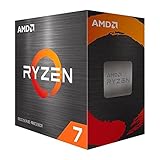
- Play some of the most popular games at 1080p with the fastest processor graphics in the world, no graphics card required
- 8 Cores and 16 processing threads, bundled with the AMD Wraith Stealth cooler
- 4.6 GHz Max Boost, unlocked for overclocking, 20 MB cache, DDR4-3200 support
- For the advanced Socket AM4 platform. Maximum Operating Temperature (Tjmax)-95°C
3. Intel Core Ultra 5 250K Plus: best-value Intel CPU with an iGPU
The Core Ultra 5 250K Plus provides the same general platform and integrated-graphics class as the 270K Plus at a lower official price. It makes sense for a general-purpose desktop that needs working display outputs, Quick Sync, and a capable CPU but does not need the 270K Plus’s additional cores.
- CPU: 6 Performance-cores and 12 Efficient-cores, for 18 cores and 18 threads
- Maximum boost: Up to 5.3 GHz
- Cache: 30 MB Intel Smart Cache
- Power: 125 W Processor Base Power and 159 W Maximum Turbo Power
- iGPU: Intel Graphics with four Xe-cores at up to 1.9 GHz
- Media features: AV1 support and Intel Quick Sync Video
- Official price: $219–$229
The suffix is critical when shopping. The Core Ultra 5 250K Plus includes integrated graphics; the 250KF Plus does not. The F suffix indicates that processor graphics are absent, so the KF model will not provide a display signal by itself.
4. AMD Ryzen 5 8600G: best midrange AMD APU
The Ryzen 5 8600G is a smaller and less expensive alternative to the 8700G. Its six cores are enough for office work, everyday multitasking, and a modest gaming build, while its Radeon 760M is considerably more useful for gaming than the basic iGPUs included with most conventional desktop CPUs.
- CPU: 6 cores and 12 threads
- Maximum boost: Up to 5.0 GHz
- TDP: 65 W
- iGPU: Radeon 760M with 8 graphics cores
- Platform: AM5 socket and DDR5 memory
AMD launched the 8600G at $229. It is a good fit for a small desktop, office PC, or entry-level gaming system that will initially operate without a graphics card. Like the 8700G, it is an APU-focused design with PCIe 4.0 connectivity, so it is less appealing if the immediate plan is to pair the processor with a powerful discrete GPU.
Also popular on Amazon

- ADVANCED FEATURES - With a 65W TDP and 6MB L3 cache, the Ryzen 5 3400G is designed for reliability and versatility.
- 4 Cores and 8 Threads - The Ryzen 5 3400G achieves excellent clock speeds (base 3.7GHz / boost 4.2GHz). All cores are unlocked and allow overclocking.
- AMD Wraith Stealth Cooler Included
5. AMD Ryzen 5 8500G: best low-cost AM5 option
The Ryzen 5 8500G is the least expensive route into this group of AM5 processors. It has six cores and 12 threads, but its Radeon 740M is limited to four graphics cores. That makes it suitable for desktop applications, video playback, lighter esports games, and older titles—not a close gaming equivalent to the 8700G.
- CPU: 6 cores and 12 threads
- Maximum boost: Up to 5.0 GHz
- TDP: 65 W
- iGPU: Radeon 740M with 4 graphics cores
- Platform: AM5 socket and DDR5 memory
- Original U.S. suggested price: $179
Its main attraction is the AM5 platform. You can build an inexpensive PC now and move to a newer AM5 processor later. However, if gaming without a discrete GPU is a major requirement, the extra cost of the 8600G is easier to justify than buying the 8500G and expecting similar graphics performance.
How to choose between these CPUs
- Choose the Ryzen 7 8700G if gaming without a graphics card is the priority.
- Choose the Core Ultra 7 270K Plus if CPU-intensive work is more important than maximum iGPU gaming performance.
- Choose the Core Ultra 5 250K Plus for a less expensive Intel system with integrated graphics and Quick Sync.
- Choose the Ryzen 5 8600G for a balanced midrange AMD APU build.
- Choose the Ryzen 5 8500G when the lowest-cost AM5 system matters more than gaming performance.
Use dual-channel memory with an integrated GPU
An integrated GPU uses system memory instead of dedicated VRAM. A single memory module can therefore restrict graphics performance more severely than it would on a PC with a discrete graphics card.
Install two matching modules—for example, a 2 x 16 GB kit instead of one 32 GB module—and enable the memory profile in the motherboard firmware if appropriate. AMD’s 8700G testing configuration used 32 GB as two 16 GB modules. Memory speed and timings also affect results, but capacity and dual-channel operation should come first.
Also popular on Amazon

- Can deliver fast 100 plus FPS performance in the world's most popular games, discrete graphics card required
- 6 Cores and 12 processing threads, bundled with the AMD Wraith Stealth cooler
- 4.2 GHz Max Boost, unlocked for overclocking, 19 MB cache, DDR4-3200 support
- For the advanced Socket AM4 platform
What integrated graphics can realistically handle
These processors can run a monitor without a graphics card and can handle lighter games, esports titles, older releases, and many everyday media tasks. The 8700G is the strongest gaming-oriented choice here, but it should not be treated as a replacement for a modern discrete GPU.
High-refresh 1440p and 4K AAA gaming generally require a graphics card. Even with the 8700G, expect to adjust resolution, texture quality, and other settings. Integrated graphics also borrow system memory, so leaving enough RAM available for Windows and applications is important.
Independent reader supportYour contribution helps us test, update, and keep practical guides available for everyone.FAQ
Which CPU has the best integrated graphics in 2026?
For a straightforward desktop gaming build without a discrete graphics card, the AMD Ryzen 7 8700G is the safest recommendation in this list. Its Radeon 780M has 12 graphics cores and is designed for substantially stronger integrated graphics performance than ordinary desktop iGPUs.
Do these 3 things before closing this tab:
1Scan for outdated or missing drivers - takes under a minute2Repair Windows errors before they cause bigger problems3Fix the driver behind crashes, sound loss and screen glitchesIs the Ryzen 7 8700G good for gaming without a graphics card?
Yes. It is suitable for 1080p gaming with reduced settings, especially in esports, older, and less demanding games. It is not intended to deliver high-refresh 1440p or 4K performance in modern AAA games.
Also popular on Amazon

- Pure gaming performance with smooth 100+ FPS in the world's most popular games
- 6 Cores and 12 processing threads, based on AMD "Zen 5" architecture
- 5.4 GHz Max Boost, unlocked for overclocking, 38 MB cache, DDR5-5600 support
- For the state-of-the-art Socket AM5 platform, can support PCIe 5.0 on select motherboards
- Cooler not included
Does the Intel Core Ultra 5 250K Plus have integrated graphics?
Yes. The non-F Core Ultra 5 250K Plus includes Intel Graphics with four Xe-cores, support for up to four displays, AV1 media support, and Quick Sync Video. The 250KF Plus does not include processor graphics.
How much RAM should an integrated-graphics PC use?
Use at least a dual-channel kit rather than a single memory module. A 2 x 16 GB kit is a sensible configuration for a modern integrated-graphics desktop because the GPU shares system memory with the operating system and applications.
The Bottom Line
The AMD Ryzen 7 8700G is the best all-around choice when gaming without a graphics card is the main goal. Pick the Core Ultra 7 270K Plus for heavier CPU workloads, or the Core Ultra 5 250K Plus for a lower-cost Intel build. AMD’s Ryzen 5 8600G offers the best midrange balance, while the Ryzen 5 8500G is the budget AM5 option for lighter graphics workloads.
What’s actually slowing this PC down?
Pick the symptom - the matching free tool is one click away.
Whichever processor you choose, install two matching RAM modules. On an integrated-GPU system, memory configuration is part of graphics performance—not a minor afterthought.

