
Arabica usually tastes softer and sweeter, with more perceived acidity; Robusta tends to taste stronger and more bitter, and its beans generally contain more caffeine. These are species-level tendencies, not guarantees about every bag or cup—and Robusta is not automatically inferior. Cultivar, growing conditions, processing, roast, freshness, and brewing all influence the result.
Arabica vs. Robusta at a glance
| What you’re comparing | Arabica | Robusta |
|---|---|---|
| Species | Coffea arabica | Coffea canephora, commonly called Robusta |
| Typical flavor | Sweeter and softer; may have fruit, sugar, chocolate, or berry notes | Stronger, fuller-bodied, and often more bitter or harsher |
| Perceived acidity | Generally higher; can be described as wine-like | Generally lower, but not absent |
| Caffeine | Lower relative to Robusta | The International Coffee Organization (ICO) says the beans contain roughly twice as much caffeine as Arabica beans |
| Quality | Can range widely | Can also be high quality; species alone does not determine quality |
The flavor and acidity descriptions are broad tendencies reported by the ICO in its Coffee Development Report 2020. They are not promises about a specific coffee. World Coffee Research identifies the two as distinct species and documents variation among their cultivars and genetic diversity: World Coffee Research’s coffee varieties catalog.
How do Arabica and Robusta taste different?
Arabica: softer, sweeter, and varied
The ICO describes Arabica as sweeter and softer, with sugar, fruit, chocolate, and berry notes. That wide range makes the species label a poor substitute for a roaster’s tasting notes: a particular origin, process, and roast can emphasize different characteristics.
Robusta: stronger and often more bitter
Robusta is commonly described as stronger, harsher, and more bitter, with a fuller body. The ICO notes that Robusta is used in espresso and blends, where its deep flavor and crema can be desirable. These are uses, not rules: products and individual lots vary.
#1 Best Overall
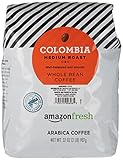
- Balanced, full-bodied medium roast with a smooth finish
- One 32-ounce bag of whole bean coffee
- 100% Arabica coffee grown in Colombia
- Roasted and packed in the U.S.A.
- Shown as a serving suggestion
Which has more caffeine, Arabica or Robusta?
Robusta beans generally have more caffeine. The ICO’s 2020 report says Robusta contains roughly twice as much caffeine as Arabica beans. That is a relative, bean-level comparison—not a fixed caffeine amount for a brewed cup. The cited comparison does not establish a universal serving size or milligram figure, so the species name alone cannot tell you exactly how much caffeine is in your drink.
Is Arabica coffee more acidic?
Arabica generally has more perceived acidity, which the ICO describes as sometimes wine-like. In coffee tasting, acidity means a sensory contribution to flavor; it is not simply sourness, a single pH measurement, or a statement about heartburn.
Rank #2
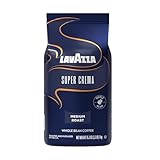
- SUPER CREMA: A 2.2 lb whole bean coffee bag ideal for espresso preparation
- INTENSITY AND ROAST: This full-bodied medium roast offers a bold and creamy finish
- BLEND: Made from Arabica and Robusta beans, this naturally caffeinated blend is sourced from 15 coffee-growing countries around the world
- PREPARATION: Ideal for espresso preparation.
- BREWING GUIDE FOR SINGLE ESPRESSO: 0.28 oz of ground espresso delivers a 1 oz espresso shot
Acids can contribute to aroma, bitterness, mouthfeel, and astringency as well as sourness. A Specialty Coffee Association interview with coffee scientist Sara Yeager discusses a review of 129 publications and more than 8,000 data points—not 8,000 consumer trials—and notes that acid profiles vary with species and roast. The interview also cautions that comparisons are difficult because studies use different samples, roast levels, extraction methods, and analytical techniques, without a universal roast-level definition. Its discussion reports that Robusta organic-acid amounts increase with progressive roasting, while chlorogenic-acid differences between the species are less pronounced and roast level has a larger effect on their concentrations. Read the Specialty Coffee Association’s interview on coffee acidity.
Is Arabica inherently better than Robusta?
No. Arabica is often treated as a premium shorthand and Robusta can be stigmatized as cheap or harsh, but neither label establishes the quality of a particular coffee. The ICO says high-quality Robusta exists and describes quality as depending on factors across production and preparation, including bean type, environment, harvest date, roast, freshness, and brewing. Robusta may also be easier and less costly to produce, but production cost is not the same thing as cup quality.
Crashes, No Sound, or Screen Glitches?
Random freezes, missing sound and display glitches usually trace back to one bad driver. Find and replace yours safely.Free scan · under a minuteWindows Errors? Fix Them Before They Spread
Repair common Windows errors and clear accumulated junk for a smoother, more stable PC - no reinstall needed.Free scan · no reinstallRank #3

- 100 percent Arabica
- Medium Roast
- Central America & African highland origins
- Ideal for espresso preparation (fine grind)
- Fruity & Aromatic
For context, the ICO’s 2020 report estimated that Arabica represented roughly 60% of world coffee production and Robusta the remaining 40%. Those are figures from that report, not a current 2026 market measurement. World Coffee Research also describes Robusta as approximately 40% of global production, without presenting that as a year-stamped annual estimate.
Independent reader supportYour contribution helps us test, update, and keep practical guides available for everyone.Which one should you choose?
- Try Arabica if you tend to enjoy softer, sweeter, more aromatic cups or fruitier and brighter flavor notes.
- Try Robusta if you want a stronger, more bitter, fuller-bodied profile, or prefer beans that are generally higher in caffeine.
- Compare specific coffees, not labels alone. Check the origin, processing, roast date, tasting notes, and whether the bag identifies a species or blend. Brew the coffees in the same way as far as practical so preparation does not become an extra variable.
The ICO’s quality guidance emphasizes that freshness and brewing matter alongside production choices. If available, a blind side-by-side tasting can help you decide which cup you actually prefer.
Quick Recap
Best Value
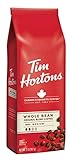
- 100% Arabica Medium Roast Coffee, Original Blend
- Enjoy the Tim Hortons taste you love at home, one delicious cup at a time
- The secret to our great tasting coffee comes from using our own special premium blend
- Ideal for Automatic Coffee Makers
Rank #4

- Fragrant medium roast Peruvian coffee with a smooth finish
- One 12-ounce bag of whole bean coffee
- 100% Arabica coffee grown in Peru
- Fair Trade certified, USDA Organic coffee
- Roasted and packed in the U.S.A.
Product prices and availability are accurate as of the date/time indicated and are subject to change. Any price and availability information displayed on Amazon at the time of purchase will apply.

