
Start by building consistent swimming, cycling and running habits—not by jumping into a peak Ironman plan. A full-distance IRONMAN is a 3.8 km swim, 180 km bike ride and 42.2 km run, in that order. Preparing for it is a long-term project, and the right timeline depends on your current fitness, skills, health and available training time.
What a beginner needs to know before starting
“At first blush tri can seem overwhelming,” writes USA Triathlon contributor Allie Burdick in a beginner guide published July 29, 2025. The most useful way to make it manageable is to treat an Ironman as the destination of a progression, not as a reason to copy the hardest training block you can find.


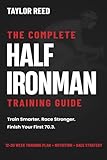

A specialist first-Ironman plan published by Triathlete is only the final nine weeks of preparation. It expects athletes to arrive with substantial endurance already established—including multiple long runs and rides, several swims over 3,000 yards, and preferably one or two completed 70.3 races. It is not a couch-to-Ironman program.
There is no universally supported number of weeks for a complete beginner to prepare safely, and a single weekly schedule will not suit everyone. Set a race date only after considering your starting ability, health, access to training, recovery and weekly commitments.
Do these 3 things before closing this tab:
1Fix the driver behind crashes, sound loss and screen glitches2Clear out junk files and repair common Windows errors3Scan for outdated or missing drivers - takes under a minute#1 Best Overall
Step 1: Assess your starting point and health
Before choosing a plan, take stock of what you can do now and what support you have. Be candid: the goal is to identify the skills and habits to build, not to pass a fitness test.
- Swimming: Can you swim continuously and remain comfortable in the water? Note whether you have access to a pool and, later, safe and permitted open water.
- Cycling: Can you ride safely and control the bike? Identify a safe route or an indoor trainer, and consider whether you need help learning handling skills.
- Running: Can you run comfortably at an easy effort, or do you need to build running durability gradually?
- Time and recovery: How many training sessions can you fit consistently around work, family and sleep? Include time for rest as well as exercise.
- Health: Consider health conditions, past injuries and any symptoms that need professional attention before training.
The World Triathlon Medical Committee strongly recommends periodic health evaluation by a sports physician, beginning with a pre-participation examination before competitive sport; it also recommends screening for other age groups. Ask a qualified clinician what is appropriate for your circumstances.
Step 2: Learn the individual sports before combining them
Build swim comfort and technique
Make water comfort and efficient technique part of your foundation. Pool practice helps you establish a repeatable swim, but it does not fully prepare you for open water: the 2025 IRONMAN first-timer guide cautions that open-water swimming differs substantially from pool swimming. Add open-water familiarization only when it is safe, permitted and appropriate to your ability.
Make bike handling a training priority
Fitness alone does not make a ride safe. USA Triathlon’s bike guidance highlights skills that beginners can overlook: holding a straight line, turning, drinking while riding, and passing or being passed. Practice these in a low-traffic setting before adding busier routes or relying on a demanding training schedule. Follow local traffic laws and the selected event’s rules.
The Tool Desk
Outbyte Driver Updater FREEScan for outdated or missing drivers - takes under a minuteDriver Scan →Outbyte PC Repair FREEClear out junk files and repair common Windows errorsFree Scan →Develop comfortable running
Build the ability to run comfortably and consistently before making long runs or fast sessions the focus. If running is new to you, progress in a way you can recover from; a triathlon plan cannot replace gradual adaptation to the impact of running.
Step 3: Make consistency—not peak volume—the first goal
Establish a manageable routine that includes recurring swim, bike and run practice, along with rest. Early training should give you room to learn technique, build basic durability and notice how your body responds. Increase demands only when you are recovering well enough to keep training consistently.
If you cannot yet train regularly in all three sports, make a foundation phase or an earlier, shorter-distance triathlon a more immediate milestone than jumping into peak Ironman volume. The specialist plan described above prefers prior 70.3 experience, but that is a readiness preference—not evidence that every beginner must complete a 70.3 before attempting a full distance.
Step 4: Build endurance with planned recovery
Once regular training is established, increase session duration and long-session demands progressively. Recovery is part of that progression: it gives you a chance to absorb training rather than continually stacking fatigue.
Rank #3
Triathlete’s sample final-nine-week plan illustrates one way an advanced block can be organized: two build weeks followed by a recovery week, then a peak week and two taper weeks. Use that pattern to understand the roles of build, recovery, peak and taper—not as a beginner calendar. Its entry requirements make it unsuitable as a complete plan for someone starting from little or no endurance training.
Step 5: Add race-specific practice as your fitness develops
Practice bike-to-run transitions
A “brick” is a bike session immediately followed by a run. Bricks help you rehearse the transition between disciplines and experience running after cycling. Add them when your base supports them, rather than treating them as a substitute for consistent training in each sport.
Get ready for the swim and race conditions
Practice open-water swimming and sighting before race day where conditions, supervision and event rules make it safe. Rehearse the clothing and equipment you expect to use. The IRONMAN first-timer guide says race day should not be your first open-water swim and warns against debuting new equipment at the event.
Read the current athlete guide for your specific race. Open-water conditions, wetsuit restrictions, equipment rules, cutoffs and other event details can differ by location and change between editions; the temperature guidance in the 2025 first-timer guide is event-specific, not a universal wetsuit rule.
What’s actually slowing this PC down?
Pick the symptom - the matching free tool is one click away.
Step 6: Rehearse fueling and pacing on long sessions
Use longer training sessions to practice the pacing, hydration, nutrition and gear you intend to use in the event. Record what you try and how you respond, rather than assuming that a general target will suit you.
Triathlete’s 2026 article gives these general fueling examples: 250–400 carbohydrate calories per hour on the bike, 200–350 carbohydrate calories per hour on the run, 750 ml–1.5 L of fluid per hour, and 500–1,000 mg of sodium per liter of fluid. The article emphasizes that the recipe is highly individual and recommends logging responses and practicing with intended race products. These ranges are general article guidance, not personalized medical advice; seek qualified advice if you have health concerns or are unsure what is suitable for you.
Step 7: Taper and prepare for your particular event
A taper is a planned reduction in training before the race. It is not a sign that you have lost fitness, and it is not a cue to panic-train. Follow a taper designed for your level and plan, and use the time to prepare calmly for the event.
Check the selected race’s current athlete guide for its course information, cutoffs, registration requirements, swim conditions and equipment regulations. Do not assume that rules or conditions in another event’s guide apply to yours.
Free tools Windows power users keep installed
One-click scans. No signup required.
Choose a preparation path that matches your readiness
| Approach | What it involves | What to consider |
|---|---|---|
| Direct full-distance goal | Preparing for a full Ironman without first racing shorter triathlon distances. | Assess your swim, bike and run ability, safe access to training, weekly time and recovery capacity. Make sure your plan includes foundation work rather than only a final race-preparation block. |
| Staged path through shorter events | Building experience through shorter-distance triathlons, potentially including a 70.3, before the full distance. | This gives you opportunities to develop race skills and assess how you handle the disciplines together. Triathlete’s plan prefers prior 70.3 experience, but the available guidance does not establish it as a requirement for every athlete. |
Whether you train independently or seek a coach or club, judge the support by how well it fits your circumstances. Look for a plan that accounts for your current ability, safe training access, available time, recovery, open-water and bike-handling experience, and a progressive foundation. A schedule that starts at advanced race-preparation volume is a poor substitute for the earlier work it assumes.
Beginner Ironman equipment: what to get first
You do not need to buy a high-end triathlon bike to begin. USA Triathlon says an existing road, triathlon or mountain bike can work for beginning training. Start with practical equipment you can use safely and comfortably:
- Swimming: Swimsuit, goggles and a swim cap.
- Cycling: A suitable bike, a correctly fitting helmet and a basic flat kit such as a spare tube, pump and tire levers.
- Running: Running shoes that fit comfortably.
A wetsuit depends on conditions and your event’s rules; you do not need to assume that every beginner should buy one immediately. Before race day, confirm that your equipment is permitted and practice with the gear and clothing you intend to use. The IRONMAN first-timer guide puts it plainly: “DON’T USE NEW GEAR ON RACE DAY”.
Quick Recap
Product prices and availability are accurate as of the date/time indicated and are subject to change. Any price and availability information displayed on Amazon at the time of purchase will apply.

