
Recommended Free Tools
After a heart transplant, the most important ways to help are to support the recipient’s exact medication routine, keep scheduled follow-up appointments, watch for changes, and contact the transplant team promptly when something is concerning. The transplant center’s written instructions take priority: medication schedules, monitoring thresholds, activity limits, infection precautions, and emergency plans are specific to the recipient and may change during recovery.
What a caregiver does after discharge
Care needs vary with the recipient’s condition and the transplant center’s plan. At home, a caregiver may help organize medicines, record measurements, arrange transport, prepare meals, follow activity restrictions, and make sure the team hears about new symptoms or medication changes. Support may be needed for several weeks or longer, but the surgical team—not a general timetable—sets the person’s restrictions and recovery plan.

Agree on roles and contact details
Before or soon after discharge, make sure you know who is responsible for each task, how to reach the transplant team during and after clinic hours, and what to do in an emergency. Keep the center’s written instructions and contact numbers somewhere both caregiver and recipient can find them. If the recipient is able, involve them in the routine so they can resume tasks safely as their team advises.
Organize information for appointments
Keep a calendar of visits and tests, plan transportation, and bring the current medication list and any requested home records. A shared calendar or notes app can help coordinate reminders and transport; use the transplant center’s preferred method for sending readings or asking clinical questions. Digital reminders are organizational aids, not a substitute for confirming that a dose was taken or following the center’s instructions.
#1 Best Overall

- Sepsis Awareness Accessories: you get 50 red ribbon pens, sturdy plastic, 5.5 inches, for adults and children; For red ribbon week, these bulk heart health pens support heart disease awareness
- Awareness with Red Ribbon Pens: red means passion, courage, action; These heart health awareness items and anti drug pens raise awareness for heart disease, AIDS, substance abuse, and sepsis; Ideal for schools and communities
- Support Anti Drug and Anti Bullying Campaigns: this red ribbon pen supports anti drug and anti bullying movements; Use these supplies for red ribbon week and sepsis awareness to inspire change
- Ideal for Community Events: our heart health awareness pens suit community events, charity events, nonprofit fundraisers, and school gatherings; These red ribbon pens remind participants of the cause they support, including sepsis awareness
- Suitable for Red Ribbon Week Events: mark heart awareness month with our red ribbon pens; These heart health awareness items and bulk supplies spread courage, awareness, and unity, and support sepsis awareness
How to support the medication routine
Anti-rejection medicines are essential to protecting the transplanted heart and are generally needed for life. Help the recipient follow the exact prescribed doses and times. Do not stop, reduce, increase, or otherwise change an anti-rejection medicine on your own, even if the recipient feels well or has a possible side effect.
Make the current instructions easy to follow
- Keep an up-to-date list of each medicine, its dose, and its scheduled time. Use the transplant center’s format if it provides one.
- A pill organizer may help with organization. Recheck its contents against the current list whenever a prescription or dose changes.
- Use reminders as prompts, and have a clear way to confirm whether a dose was taken so a reminder does not lead to an accidental extra dose.
- Ask the transplant team or pharmacist what to do if a dose is missed, the recipient vomits after taking a dose, or a side effect is suspected. Do not guess, double a dose, or wait until the next visit without asking when instructions are unclear.
Check before medicines are added or changed
Tell the transplant team before a new prescription or other medicine is started, and report changes made by any clinician. This includes antimicrobial treatment, which the International Society for Heart and Lung Transplantation (ISHLT) identifies as a change to communicate to the transplant center. Ask the team or pharmacist about any medicine or supplement whose use is uncertain rather than assuming it is compatible with the transplant regimen.
What to record at home
The American Society of Transplantation (AST) caregiver toolkit describes tracking blood pressure, temperature, and weight. Record measurements at the times and in the way the transplant team specifies, along with symptoms the team asks you to note. A home blood-pressure monitor can be a practical aid if the center wants readings; neither a device nor a single normal reading replaces clinic tests or the team’s interpretation.
Use the recipient’s thresholds, not a generic rule
Ask the transplant team which readings, patterns, or symptoms should prompt a call, and write those thresholds beside the contact plan. The 2022 ISHLT guideline gives examples of changes clinicians should report to the transplant center: fever at or above 101°F (38°C), weight gain of at least 2 pounds in a week, unexplained weight loss of more than 5 pounds, and an unexplained drop in blood pressure. These are guideline examples, not universal home-care cutoffs or permission to wait if the person is unwell. Center instructions control.
Quick wins for a faster PC:
Fix the driver behind crashes, sound loss and screen glitchesFind Drivers →Clear out junk files and repair common Windows errorsFree Scan →Rank #3

- Happy Heartiversary DIY Party Essential Kit INCLUDES 20 heart cut outs - Great for bringing all your DIY CHD awareness party ideas to life!
- DIY PARTY SUPPLIES: Happy Heartiversary essentials include 20 cut outs in one different heart shapes that coordinate with the Heartiversary theme. Set of 20 heart shapes SIZE 5 shape 1’s 5.5” x 5.25”; 5 shape 2’s 5.5” x 5.25”; 5 shape 3’s 5.5” x 5.25”; 5 shape 4’s 5.5” x 5.25”. The unique design and size makes these party decorations an impressive addition to any CHD awareness party.
- HEART WARRIOR PARTY DECORATIONS: Happy Heartiversary DIY party essentials are printed on both sides, so they are perfect for centerpieces or hanging decorations. Hole-punch them and string together as a CHD awareness party banner or hang individually as ceiling decorations. Happy Heartiversary shaped cut outs will make a statement however you choose to use them.
- HIGH-QUALITY PARTY SUPPLIES: Happy Heartiversary DIY Party essentials are professionally printed on heavy-duty card stock paper with a photo-like shine. They are individually inspected and carefully packaged by hand. CHD awareness party essentials will arrive ready to use in all your creative DIY party ideas!
How to reduce infection exposure and spot concerns
Immunosuppressive treatment raises the risk of infection. Practical precautions include washing hands, avoiding close contact with people who are ill, and keeping cuts and wounds clean. Cleveland Clinic notes that prednisone can mask usual signs of infection, so the absence of a typical symptom does not necessarily mean there is no problem. Johns Hopkins advises avoiding crowds and people who are ill, particularly in the first months, and following the doctor’s vaccine recommendations. Ask the transplant team which precautions and vaccines apply to this recipient.
Call about possible infection
Contact the transplant team promptly about fever or chills; redness, warmth, opening, or drainage at an incision; wounds that do not heal; a persistent cough or sore throat; mouth patches; nausea; vomiting; or diarrhea. Fever thresholds differ among guidance: Cleveland Clinic lists fever over 101°F (38.4°C) as an infection warning sign, while the 2022 ISHLT guideline gives 101°F (38°C) as an event-reporting example. Follow the recipient’s written threshold and call for concerning symptoms rather than treating either figure as a universal boundary.
Rank #4
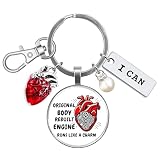
- Heart Surgery Recovery Gifts: Features the inspiring mechanical metaphor "Original Body Rebuilt Engine - RUNS LIKE A CHARM" laser engraved with bold clarity – a resilient tribute to your strength and remarkable journey of recovery.
- Heart Attack Survivor Gift: Forged from hypoallergenic stainless steel, this keychain resists tarnish and daily wear, symbolizing enduring resilience just like the survivor who carries it.
- Cardiac Recovery Gift: Nestled in a protective velvety drawstring pouch, it offers gentle safekeeping for this meaningful emblem – ready to gift with dignity or preserve personal milestones.
- Gifts for Heart Patients: The precision-crafted pendant measures a subtle yet visible 2.5 cm (approx. 1 inch) in diameter – designed for discreet attachment to hospital bag zippers, rehab lanyards, or everyday keys as a private reminder of triumph.
- Heart Warrior's Badge of Honor: A deeply meaningful token for cardiac survivors, bypass warriors, or rehab champions – honoring "re-birthdays," discharge milestones, support groups, or celebrating life’s second chances with unbreakable spirit.
Know when symptoms need urgent attention
Rejection or another complication may not be obvious from symptoms alone. Report new or worsening breathing difficulty, unusual fatigue or reduced activity, fainting, chest pain, a notable blood-pressure change, rapid weight gain or unexplained weight loss, new swelling, or a marked change in mental status using the transplant center’s contact plan. Also tell the team about new gastrointestinal or neurologic symptoms, respiratory infection, hospitalization, or other significant changes.
Use the emergency plan for severe symptoms
For severe breathing problems, chest pain, fainting, or another situation the discharge plan identifies as an emergency, use the emergency route the transplant team provided, including local emergency services when directed. Do not delay urgent care while trying to determine whether the cause is rejection, infection, or a medication effect. If you are unsure whether a symptom is an emergency, use the center’s after-hours instructions.
The Tool Desk
Outbyte Driver Updater FREEFix the driver behind crashes, sound loss and screen glitchesFind Drivers →Outbyte PC Repair FREERepair Windows errors before they cause bigger problemsFix Now →Best Value
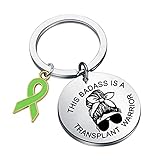
- TRANSPLANT WARRIOR Gift: Transplant Awareness keychain with Strong Woman, Green ribbon, quote Warrior Unbreakable. Gift for women men adult kids transplanted's organ donors on Kidney Liver Heart Lungs Pancreas Intestine Thymus Transplantation disorder disease Raise Awareness
- MATERIAL:Made of stainless steel, Non plating, Non allergic, Non fade, environmental protection and non-toxic, comfortable and easy to wear.
- GUARANTEE: If there are any problems with the purchase, please feel free to contact us first. TIIMG Jewelry will offer you best shopping feeling. PS: every piece of jewelry in TIIMG is packed with a high quality pouch velvet, nice package and ready for gifting
- GIVE FOR ANY OCCASION: If you are a proud organ donor recipient organ transplant warrior then you will love this stylish American Flag organ donation awareness apparel gifts. Great pick for raising organ donation awareness.
- MEASUREMENT: 30mm(1.18"). TIPS:manual measuring permissible error.
Why follow-up visits and tests matter
Follow-up is a core part of transplant care, not optional administration. Visits, blood tests, and other testing help the team assess the transplanted heart, monitor medication levels and side effects, and look for rejection. The American Heart Association describes blood tests, heart-function tests such as ECG or echocardiography, possible biopsy surveillance—particularly in the first year—and regular evaluation of the transplanted heart’s blood vessels. The transplant program determines the exact schedule and tests for each person.
Plan for changing appointment needs
AST notes that early visits may occur several times a week at first, with laboratory work and procedures such as right-heart catheterization or biopsy when scheduled. This is an example, not a schedule every center uses. Help the recipient keep appointments, arrange transport, and bring medication and symptom records; contact the clinic if travel, illness, or another barrier may prevent attendance rather than simply missing a test.
Support recovery without taking over
Follow the surgical team’s directions on lifting, activity, meals, and other restrictions. AST describes transportation, meal preparation, and help with restricted lifting as possible caregiver needs during at least the first four to six weeks, but that period is general toolkit guidance—not a universal restriction or recovery deadline. Ask the recipient’s team what is safe now and when activities can change.
Caregiving can be demanding. Share tasks with other trusted helpers where possible, keep practical plans simple, and tell the transplant team if the recipient or caregiver is struggling to manage medicines, appointments, or daily needs. A sustainable routine makes it easier to keep supporting care over the long term.
A practical daily and appointment checklist
- Follow the current medication list and schedule; raise missed doses, possible side effects, and proposed medication changes with the team or pharmacist.
- Record only the measurements and symptoms the transplant team requests, using its thresholds and reporting instructions.
- Use hand hygiene and the recipient’s infection precautions; report possible infection early.
- Keep clinic visits and tests on the calendar, arrange transport, and bring relevant records.
- Use the written contact plan for urgent concerns and the designated emergency route for severe symptoms.
These steps are general caregiver guidance. The recipient’s transplant team remains the authority on individual care, and its current plan takes precedence over general advice.
Quick Recap
Product prices and availability are accurate as of the date/time indicated and are subject to change. Any price and availability information displayed on Amazon at the time of purchase will apply.

