
Vivaldi brings several everyday browser tools—Workspaces, Tab Stacks, side-by-side Tab Tiling, and built-in utilities—into one configurable interface. Chrome also has tab groups, vertical tabs, profiles, and Memory Saver, so the practical difference is less about Chrome lacking basic features and more about how much of your workflow you want the browser to handle in one place.
What changes when you organize work in Vivaldi?
Vivaldi lets you organize tabs at more than one level. Workspaces separate collections by category, while Tab Stacks group related pages within a workspace. That can suit a browser where research, shopping, personal tasks, and ongoing projects otherwise end up competing in one crowded tab strip.
Workspaces separate contexts
Create Workspaces for distinct kinds of work, then switch between their tab collections instead of keeping every category visible together. Vivaldi describes Workspaces as a way to organize tabs by topic or task; its Workspaces help page explains the feature, and the Workspaces overview shows how it fits into the browser.
Tab Stacks group related pages
Within a Workspace, a Tab Stack can hold pages for one task, such as several sources for a report. Stacks can be named and displayed compactly or on a second level, and Vivaldi says they can be moved, hibernated, or tiled. See Vivaldi’s Tab Stacks instructions for the documented behavior.
#1 Best Overall

- Intel Celeron N4120: 4 Cores & Threads, 1.1GHz Base Clock, Up to 2.6GHz Boost Clock, 4MB Cache, Intel UHD Graphics 600. The perfect combination of performance, power consumption, and value helps your device handle multitasking smoothly and reliably with four processing cores to divide up the work.
Can Vivaldi show multiple pages side by side?
Yes. Vivaldi’s Tab Tiling displays multiple pages in a tiled layout within the browser window. It is useful when you need to compare two pages or keep a reference visible while writing in another tab. Workspaces, stacks, and tiling can be combined, so a project’s pages can be grouped first and then viewed together when the task calls for it. Vivaldi outlines these options on its Tab Management page.
This is a different workflow from opening separate windows or relying on an extension, but the feature documentation alone does not establish that Chrome cannot support a reader’s preferred multitasking setup. The relevant question is whether Vivaldi’s built-in tiling is more convenient for the way you work.
Rank #2

- Storage: 16GB Flash Memory
- OS: Chrome OS
- Screen Size: 11.6"
What does Chrome already offer for tabs and memory?
Chrome has substantial tab-management tools of its own on desktop. Its help documentation covers tab groups, bulk actions, and vertical tabs. Chrome also offers profiles for keeping browsing information such as bookmarks, history, passwords, and settings separate—for example, between work and personal use. Google documents these options in its desktop tab-management help and multiple-profiles help.
For inactive tabs, Chrome’s Memory Saver deactivates tabs that are not in use and reloads them when you return. Google documents Moderate, Balanced, and Maximum settings, plus a list for keeping selected sites active. The exact interface and availability can vary by Chrome release and platform; see Chrome’s performance settings help.
Recommended Free Tools
Rank #3
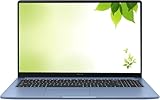
- Intel Processor Up to 2.80GHz, 4GB DDR4, 128GB Storage
- 15" FHD IPS Display, Intel UHD Graphics
- 1x USB Type C, 1 x USB Type A, 1x Headphone/Microphone Combo Jack, HDMI
- Super Fast WiFi and Bluetooth, Integrated Webcam
- Chrome OS, AC Charger Included, Pastel Blue
Vivaldi also offers tab hibernation, but the available documentation does not provide a controlled comparison of memory use or speed between the browsers. A feature list is not evidence that one saves more memory or performs faster.
Which built-in tools does Vivaldi include?
Vivaldi bundles mail, calendar, notes, and feeds, alongside web panels and extensive controls for customizing the interface. For someone who already uses separate apps or services for those tasks, these tools may not change much. For someone who wants them close to the browser, having them integrated may reduce the need to switch contexts. Vivaldi describes these options on its Features page.
Rank #4

- THE BETTER WAY TO LAPTOP – Imagine a Chromebook that’s as flexible as your day: thin and lightweight with built-in Google apps and stress-free security.
- TAKE HITS KEEP MOVING – Sleek, light, and built to last- the Chromebook 2-in-1 is just 0.69” thick and 3.3lbs. Enjoy long-lasting battery life, fast charging, and military-grade durability for nonstop productivity wherever life takes you.
- PERFORMANCE THAT MATCHES YOUR HUSTLE – Fuel your ideas with an Intel Core processor and 128GB storage. Boot up in under 10 seconds to start the day powerfully efficient.
- FLEX YOUR CREATIVITY ANYWHERE, ANYTIME – Create, work, or unwind your way with a versatile 2-in-1 design. Flip easily between laptop, tent, and tablet modes with a responsive touchscreen built for flexibility.
- BRILLIANT VIEWS AND IMMERSIVE AUDIO – See, hear, and create with awesome clarity. The WUXGA display brings rich detail to your work and play, while audio tuned by Waves MaxxAudio provides immersive, balanced sound.
That bundle is a preference, not an automatic advantage: compare it with the tools you actually use, including any extensions or standalone apps you rely on. Chrome’s profiles and extension workflow may be a better fit if you value keeping established accounts and habits together.
Independent reader supportYour contribution helps us test, update, and keep practical guides available for everyone.Can you bring Chrome extensions to Vivaldi?
Vivaldi says it supports Chrome extensions and is available for Windows, macOS, and Linux. That does not guarantee that every extension works identically in every Vivaldi version or operating system. Before switching, check the specific extensions you depend on and confirm that the Vivaldi features you want are available on your platform. Vivaldi’s feature information describes its extension support.
What’s actually slowing this PC down?
Pick the symptom - the matching free tool is one click away.
Best Value
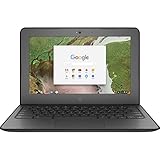
- Storage: 16 GB Flash Memory
- OS: Chrome OS
- Screen Size: 11.6"
Is Vivaldi a better choice than Chrome?
Vivaldi is worth considering if you want layered tab organization, built-in side-by-side page layouts, bundled utilities, and detailed interface controls. Chrome may suit you better if its existing tab groups, vertical tabs, profiles, and extension setup already handle your work without extra adjustment.
There is no source-backed performance or productivity verdict here: the documented features explain what each browser offers, not which one is faster or better for every person. The choice depends on your workflow, platform, extension needs, and whether you prefer a feature-dense browser or the familiarity of Chrome.
Quick Recap
Product prices and availability are accurate as of the date/time indicated and are subject to change. Any price and availability information displayed on Amazon at the time of purchase will apply.

