
The warning sign you shouldn’t ignore is a strong, unusual odor. Fresh fish should smell fresh and mild—not fishy, sour, rancid, or like ammonia. If raw or cooked seafood has a sour, rancid, or fishy smell, don’t eat it; cooked seafood with even a fleeting ammonia odor should also be discarded, according to the FDA.
Smell is a discard warning, not a safety test: fish can carry illness-causing pathogens while looking and smelling normal. Check its handling and storage history, too.
What does spoiled fish smell like?
Fish that has gone bad may smell strongly fishy, sour, rancid, or ammonia-like. FDA guidance says fish should smell fresh and mild, and advises against eating seafood with sour, rancid, or fishy odors. If cooked seafood smells of ammonia—even briefly—discard it.
Don’t taste fish to decide whether it is safe. A suspicious odor is enough reason not to eat it, but the absence of an off odor does not prove it is safe.
Do these 3 things before closing this tab:
1Repair Windows errors before they cause bigger problems2Scan for outdated or missing drivers - takes under a minute3Clear out junk files and repair common Windows errors#1 Best Overall

- Pre-packed, Farm-raised Atlantic Salmon, Certified by Best Aquaculture Practices (BAP).
- Ready-to-cook; to grill, bake, broil, air fry, or pan-fry.
- Conveniently cut into two 6oz portions.
- Fresh Premium Salmon Quality for gourmet meals at home.
- Beautiful color and marble with a mild flavor.
What other signs should you check?
Use several clues rather than relying on appearance alone. FDA’s consumer guidance describes fresh fish as having firm flesh, clear shiny eyes, and red gills without odor. These are freshness indicators, not guarantees of safety.
- Texture: Whole fish should have firm flesh; fillets should spring back when pressed. Slimy tissue is cited in USDA FSIS fish inspection guidance as an example of spoilage or decomposition.
- Eyes and gills: Cloudy or dull eyes and gills that do not have the fresh appearance described by FDA can be reasons for caution. Inspect these signs alongside odor and texture.
- Edges and discoloration: Avoid fillets with discoloration, darkening, or drying around the edges. Color by itself does not establish whether fish is fresh: it can vary, and previously frozen fish may not have all the visual characteristics of never-frozen fish. It should still smell fresh and mild.
Can fish be unsafe even if it smells normal?
Yes. Spoilage organisms can cause unpleasant odors, tastes, and textures, while pathogens that cause illness may be present without changing how food looks, smells, or tastes. The FDA’s food-storage guidance therefore makes handling history important as well as sensory clues. A normal smell is not proof that fish is safe.
Rank #2

- Pre-packed, Farm-raised Atlantic Salmon, Certified by Best Aquaculture Practices (BAP).
- Perfect for family meals or large gatherings.
- Ready to cook, grill or bake.
- Fresh Premium Salmon Quality for gourmet meals at home.
- Beautiful color and marble with a mild flavor.
How long can fresh fish stay in the refrigerator?
FDA advises keeping seafood intended for use within two days in a clean refrigerator at 40°F or below; use a refrigerator thermometer to check the temperature. If you will not use it within two days, wrap it tightly and freeze it. USDA’s general consumer guidance likewise says to cook or freeze fresh fish within two days.
These are storage recommendations, not a way to reverse spoilage or rule out pathogens. FDA also advises discarding refrigerated perishable food, including fish, that has been above 40°F for four hours or more.
Free tools Windows power users keep installed
One-click scans. No signup required.
Rank #3
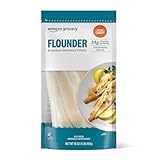
- 1-pound resealable bag of frozen flounder boneless, skinless fillet portions
- Sustainably Sourced: Certified by the Marine Stewardship Council
- Wild Caught
- Flounder is a pure white, lean, mild flavor fish. Excellent fish to grill, bake, broil, or pan-fry.
- Our Fresh brand products are all about high-quality food that fits every budget, every day.
Does cooking make fish with a bad smell safe?
No. Cooking temperature is a doneness target, not a remedy for spoilage. FDA says most seafood should reach an internal temperature of 145°F, but separately advises not eating seafood with spoilage odors. If fish smells sour, rancid, strongly fishy, or ammonia-like, discard it rather than trying to make it safe by cooking.
Quick Recap
Best Value

- WILD CAUGHT | Sustainably Sourced
- READY TO COOK | Broil, Fry, Bake at Home
- RESTAURANT QUALITY | Buttery, Smooth Flavor
- FROZEN FRESH | Frozen at the Peak of Freshness
- FROZEN PORTIONS | Boneless and Skinless
Rank #4
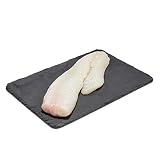
- Raw Atlantic cod fillet
- Sustainable wild caught
- This item is raw and requires cooking
- Reserve by the each, sold by the pound
Product prices and availability are accurate as of the date/time indicated and are subject to change. Any price and availability information displayed on Amazon at the time of purchase will apply.

