
Do these 3 things before closing this tab:
1Clear out junk files and repair common Windows errors2Scan for outdated or missing drivers - takes under a minute3Repair Windows errors before they cause bigger problemsEmergency drills and a plan for an individual student in behavioral-health crisis serve different purposes. A school may practice evacuation or lockdown and still need clear steps for recognizing distress, getting the right people involved, contacting family, and arranging follow-up. A drill alone does not show whether a student-specific plan exists.
What a school emergency plan covers—and what a drill does not
A school Emergency Operations Plan (EOP) is broader than a scheduled drill. The U.S. Department of Education describes an EOP as collaborative planning to prevent or minimize emergencies and clarify the roles of school staff and responders. Its guidance calls for regular review, school-specific training and exercises, and planning for recovery. It also says that “Training, exercises, and age-appropriate drills reinforce preparedness and should reflect school-specific needs.” Department of Education emergency planning guidance


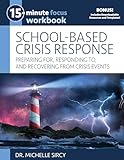

A drill rehearses a response to a defined hazard. A student in acute distress may need a different response: someone must recognize the concern, involve the appropriate school professionals, assess immediate safety, contact emergency or behavioral-health services when warranted, communicate with family, and plan what happens afterward. The right steps depend on the situation and the school’s and local community’s protocols.
Does the plan address student behavioral-health crises?
Look for a mental-health component within the school’s crisis and emergency planning, not just a calendar of drills. A SAMHSA resource authored by the National Child Traumatic Stress Network is a checklist for evaluating and implementing that component across mitigation, prevention, preparation, response, and recovery. SAMHSA says it “offers many practical suggestions for developing procedures and plans for mitigation, prevention, preparation, response, and recovery.” SAMHSA school crisis-plan checklist
#1 Best Overall
That kind of planning is not necessarily a separate document for every student. The useful questions are whether staff know how to act when a student needs help, who coordinates the response, how school and community support connect, and how follow-up is handled. Federal guidance does not establish that every school has an individualized behavioral-health crisis plan.
What educators should know when a student may be in crisis
SAMHSA’s educator guidance emphasizes recognizing warning signs, knowing whom to consult—such as a counselor, nurse, or administrator—and knowing how to access crisis support. It also recommends consulting appropriate professionals and involving parents when concerning behaviors are observed. SAMHSA guidance for educators
- Which staff member is the primary point of contact, and who is the backup?
- How should a concern be escalated during the school day?
- When should emergency services or behavioral-health providers be contacted?
- Who communicates with the student’s family, and how is follow-up arranged?
These are planning questions, not a substitute for a school’s approved procedures or professional judgment. A community crisis resource framework from SAMHSA describes three elements—“someone to contact,” “someone to respond,” and “a safe place for help.” It is a framework for crisis-care systems, not a school protocol or a district contact list. Schools need to know which local services and arrangements are actually available to them. SAMHSA’s national crisis-care guidance
If a student has attempted suicide
A SAMHSA toolkit excerpt gives an example protocol for a suicide attempt: the first adult should stay with the student or arrange for another adult to maintain continuous supervision, call 911 or local emergency services, and contact the designated response coordinator. The coordinator then involves relevant school and community personnel, contacts the student’s parents, engages emergency medical services if needed, and plans follow-up for medical or mental-health care. SAMHSA suicide-prevention toolkit
This is an example from the cited toolkit, not a universal procedure for every crisis, school, or jurisdiction. The linked historical PDF currently redirects to a not-found page, so its excerpt should not be treated as current operational instructions. Follow local emergency procedures and applicable requirements. If someone is in immediate danger, contact emergency services rather than waiting for a plan discussion.
How parents and caregivers can ask about the school’s plan
Ask the principal or district for the relevant procedures and the people responsible for carrying them out. Specific questions can make the conversation more useful:
- Who is the designated point of contact if a student is in crisis, and who covers when that person is unavailable?
- How are concerns escalated during the school day?
- How and when are families contacted?
- Which local crisis services or behavioral-health providers can the school involve?
- How does the school plan follow-up and recovery after an incident?
- How are procedures reviewed, practiced, and adapted for students’ ages and school-specific needs?
For a particular school, confirm the answers with the school or district; general federal guidance does not establish its local procedure.
Independent reader supportYour contribution helps us test, update, and keep practical guides available for everyone.What the available evidence can—and cannot—say about schools
The cited federal and SAMHSA materials provide planning guidance, not a national count of schools with individual student behavioral-health crisis plans. The Department of Education reports that active-shooter drill practices vary and that research on their effects on student well-being is limited; those findings are about active-shooter drills, not mental-health plan coverage. Department of Education school safety and security information
Free tools Windows power users keep installed
One-click scans. No signup required.
Best Value

- Guide students toward a healthy lifestyle, both physically and financially
- This revised and expanded edition adds much more information on work ethic, nutrition, and exercise; updates the sections on sexually transmitted diseases and drugs; and includes completely new sections on preparing financially for the future
- Graphic organizers, self inventories, puzzles, real-life situations, and cloze activities provide creative opportunities for students to assess their own lifestyles and make good choices for the future
- Prepare students for adulthood
- Practical lessons to help handle real life events
The guidance is U.S.-focused and is not legal advice or a finding about any individual school. For a named school or district, its published policy, direct confirmation from administrators, and applicable state and local requirements are needed to establish what plan is in place.
Quick Recap
Product prices and availability are accurate as of the date/time indicated and are subject to change. Any price and availability information displayed on Amazon at the time of purchase will apply.

