
The Tool Desk
Outbyte PC Repair FREERepair Windows errors before they cause bigger problemsFix Now →Outbyte Driver Updater FREEFix the driver behind crashes, sound loss and screen glitchesFind Drivers →Neither option is always cheaper. For a specific purchase, compare the upfront checkout amount after eligible discounts with every amount you would pay under the EMI offer, including fees and applicable taxes. The lower total costs less. This India-focused guide explains how to make that comparison and what to check before choosing.
How to compare the actual cost
Use the same product, seller and transaction date for both options. Compare the amount you would actually pay upfront with the full amount required by the EMI plan—not just its monthly instalment or “no-cost” label.


| Option | Include in the total |
|---|---|
| Pay upfront | The checkout price after any upfront-payment discount, plus any unavoidable payment charge. |
| No-cost EMI | All scheduled instalments, processing or conversion fees, applicable taxes on charges or interest, and other mandatory costs. Subtract a discount or cashback only if the offer terms say you qualify and explain when it will be credited. |
If the EMI offer shows only a monthly amount, multiply it by the number of instalments, then add charges billed separately. Check the checkout disclosure and issuer terms for amounts not included in the instalment schedule. If minimizing the amount paid is your only goal, choose the lower total.
Why “no-cost” EMI may still cost extra
A no-cost EMI can still involve interest charged by the bank. The Reserve Bank of India (RBI) describes a structure in which a platform gives the customer an upfront discount that offsets the bank’s interest. That mechanism does not establish that every fee or tax is covered by the discount.
Free tools Windows power users keep installed
One-click scans. No signup required.
#1 Best Overall

- Natural Textbook Display presents formulas and results exactly as written in textbooks for intuitive learning.
In its sample of consumer-durable loans through BigTech platforms, the RBI reported processing fees of 0.4% to 3.2% of the product price; it also said the GST amount in that sample rose with loan duration. These are findings from that report’s sample, not a current, universal fee schedule. The report passage was indexed at approximately 2024, so check the lender’s current offer rather than treating those figures as your quote.
Tax treatment depends on the transaction and the charge. The Central Board of Indirect Taxes and Customs (CBIC) FAQ distinguishes interest or discount on loans from service or administrative charges collected over and above interest or discount, which it describes as taxable consideration. Do not assume every EMI component is treated alike; inspect the offer’s itemized charges and confirm current rules if tax treatment affects your decision.
Rank #2

- Natural Textbook Display presents formulas and results exactly as written in textbooks for intuitive learning.
What to check in the offer terms
- Total payable: Compare the complete repayment amount with the upfront price after discounts.
- Fees and taxes: Look for processing or conversion fees, taxes on charges or interest, and any other mandatory amount shown separately.
- Discount or cashback eligibility: Confirm the payment method, transaction timing and other conditions. Count the benefit only if you meet them.
- Tenure and schedule: Check the number and size of instalments. RBI consumer guidance says longer tenures mean more total interest and make a loan more expensive.
- Early closure: Check whether paying off the balance early triggers a fee.
- Missed payments: Read the issuer’s terms for default interest or fees, and whether instalments must be paid in full.
Terms vary by issuer, card and plan. For example, Federal Bank’s published terms list a processing fee of 1% or ₹99 minimum for merchant/instant EMI, and a foreclosure charge of 3% plus GST on the remaining principal. The same terms list interest rates of 15.99% per annum for merchant/instant EMI and 18% for post-purchase conversion, plus GST. These are Federal Bank’s posted terms, not a market-wide rate or a quote for a no-cost EMI offer. Check the current terms that apply to your card and transaction.
Independent reader supportYour contribution helps us test, update, and keep practical guides available for everyone.When EMI may still suit you
An EMI can be a reasonable cash-flow choice even if its total is higher: you may prefer to keep more money available now and accept the extra cost. That is a trade-off, not a saving. Compare the premium with the value you place on retaining cash, and make sure the repayment schedule fits your budget.
Do not treat an advertised “no-cost” claim as proof that the EMI and upfront options have equal totals. The checkout figures, offer conditions and issuer terms determine what you will actually pay.
Quick Recap
Best Value
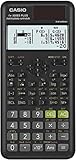
- NATURAL TEXTBOOK DISPLAY℠ – View fractions, expressions, and solutions as they appear in textbooks, making complex equations easier to input and interpret. Easily convert fractions to decimals, and simplify recurring decimals to the hundredths.
Rank #4
Product prices and availability are accurate as of the date/time indicated and are subject to change. Any price and availability information displayed on Amazon at the time of purchase will apply.

