
Free tools Windows power users keep installed
One-click scans. No signup required.
GSM (Global System for Mobile communications) is an open digital cellular technology for mobile voice and data, and a foundational 2G standard. It uses a cellular network and time-separated radio access to connect phones, while shared specifications helped operators build interoperable networks and support roaming.
What does GSM mean?
GSM stands for Global System for Mobile communications. The GSMA describes it as “an open, digital cellular technology used for transmitting mobile voice and data services.” GSM is both a radio-access standard and part of a broader mobile-network system: the radio link connects a phone to the network, which also manages tasks such as mobility, authentication, call routing, and connections to other networks.
Is GSM 2G or 3G?
GSM belongs to the second generation (2G) of digital cellular technology. 3G and 4G refer to later generations of mobile systems; they are not simply newer names for GSM. The International Telecommunication Union (ITU) presents mobile standards as a family of systems, not as a single radio technology or frequency allocation.
How does a GSM network connect users?
Cells and frequency reuse
A GSM coverage area is divided into cells, each served by a nearby base station. Operators plan radio frequencies so the same frequencies can be reused in cells far enough apart to limit interference. This cellular layout lets a network serve users across a wider area than one transmitter could cover.
Recommended Free Tools
#1 Best Overall

- Simple operating system for operate easier, Sound clear and loud
- Nostalgic button design, focused on calls and texts, No Internet access and without camera
- Type-C fast charging, 1050mAh real capacity battery for up to 120h+ standby
- Special SOS button and #2 to #9 8 keys can be set as speed dial buttons for quick assistance
- FM Radio, Alarms, MP3 Player, Mini-games, Notes, Calculator, Calendar, Bluetooth, Flashlight & more—all in one
Frequency and time sharing
GSM combines frequency planning with time-division multiple access (TDMA). In simple terms, radio capacity is organized by frequency and divided into time slots, allowing multiple users to share available radio resources rather than requiring a separate frequency for every call. Introductory material from the ITU places GSM’s foundations alongside cellular coverage, radio spectrum, and access technologies such as FDMA, TDMA, and CDMA.
The radio interface is only one layer of the service. The wider network supports functions including user authentication, mobility between cells, and call routing. Keeping those roles distinct helps explain why GSM is more than a method for dividing radio channels.
Rank #2

- 1.for T-Mobile ONLY***: AGM M9 is designed for use exclusively with “T-Mobile” networks. Carrier compatibility may vary by region and plan, so we recommend confirming with T-Mobile before purchase. If you have any questions, our support team is always happy to help.
- 2.Important Activation Tip***: Many carriers require brand-new SIM cards to be activated inside another device before their first use. Activating your SIM in a different phone before inserting it into the M9 ensures proper SIM detection and helps avoid setup issues.
- 3.SIM Installation Tips***: AGM M9 is built with durability in mind, but SIM handling still requires care. Gently open the SIM slot, place the card securely, and avoid force when closing the tray. This prevents damage that could interfere with SIM recognition.
- Rugged Enough for Everyday Challenges: Built to handle harsh environments, the M9 features IP68 and IP69K protection against water and dust, and can withstand drops of up to 1.8 meters. Whether on rugged job sites or during rainy commutes, it provides reliable durability where ordinary phones fall short.
- Loud & Clear for Everyday Use: Designed for users who value clarity and simplicity, the M9 features loud and crisp call volume, large easy-to-read fonts, and generously sized buttons that feel comfortable and confident to press. AGM M9 keeps focus on what matters: calling and texting with reliable T9 input when needed.
What are GPRS and EDGE?
GPRS and EDGE are packet-data extensions in the GSM standards family. GPRS added packet-based data capability to GSM, and EDGE later enhanced that family’s data services. They are not separate generations on the same footing as 3G or LTE. The 3rd Generation Partnership Project (3GPP) catalogue covers GSM specifications, including GPRS and EDGE for GSM, as well as 3G specifications.
Why did GSM become a global standard?
A common specification made it easier for operators to build networks that could interoperate across national boundaries. The GSMA credits standardization and network unification with enabling the first global networks and GSM roaming, which it identifies as a key driver of GSM’s success. In other words, the shared standard mattered not only for how phones used radio spectrum but also for how subscribers could use compatible services across operators and countries.
Rank #3
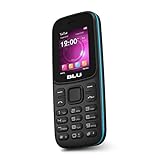
- Unlocked Dual SIM; 1.8" Display 128 x 160 ~114ppi
- Internal 32MB | 32MB RAM MicroSD Slot up to 32GB
- VGA Camera | 600mAh Battery
- Built-in FM Antenna MP3 | MP4 Player | Flashlight
- GSM 850/900/1800/1900
Is GSM still available?
There is no single current answer for every location. Remaining 2G coverage, operator shutdown schedules, and regulatory treatment vary by country and carrier. Check the mobile operators and telecom regulator for the place where you need service before relying on GSM; a phone or device that supports GSM may still lack service if local 2G networks have been retired.
Independent reader supportYour contribution helps us test, update, and keep practical guides available for everyone.What GSM does—and does not—tell you about security
Subscriber authentication and protection of the radio interface are part of GSM’s design concerns. That alone does not establish how secure a particular network or device is today. Security depends on the specific implementation and operating conditions, and a basic introduction is not enough to assess current protection.
Quick Recap
Best Value

- FLIP PHONE DESIGN: The i16 Pro features a classic clamshell flip design with a full numeric keypad, offering a compact and stylish form factor.
- DUAL SIM SUPPORT: Supports two SIM cards simultaneously, allowing you to manage personal and work lines on a single device with ease.
- COLOR DISPLAY: Equipped with a built-in color screen that clearly shows signal strength, battery level, and menu navigation for everyday use.
- MULTIPLE COLOR OPTIONS: Available in sleek Black, vibrant Blue, and elegant Gold to suit your personal style preferences.
- COMPACT AND PORTABLE: The small, lightweight flip form factor makes the i16 Pro easy to carry in a pocket or bag, ideal for on-the-go use.
Rank #4

- Wireless Quadband GSM Desk Phone: Mixing the affordable pricing deals of a mobile phone SIM card with the convenience of the original desk phone
- Is GSM phone works the same as a unlocked mobile phone allowing you to choose what SIM card deal you want; This GSM desk phone even allows you to send and receive SMS messages, meaning you will waste nothing on any SIM plan you buy; Practical and stylish, the large button design of this GSM desk phone makes it easy to use and operate - especially for older folk and those with mental / physical disabilities and can't operate a regular mobile phone; No longer do they have to hold those tiny phone
- Er or battery - no worries about running out of powerSimple navigation menu with high quality built in speaker and MIC for hands free talking
- Wireless Quadband GSM Desk Phone: Mixing the affordable pricing deals of a mobile phone SIM card with the convenience of the original desk phone; An easy way for elderly to keep in contact with their family as well as for families and businessmen to save on costs
Product prices and availability are accurate as of the date/time indicated and are subject to change. Any price and availability information displayed on Amazon at the time of purchase will apply.

