
iTechGuides is reader-supported. When you buy through links on our site, we may earn an affiliate commission. As an Amazon Associate I earn from qualifying purchases. Learn more
Inbound call centers receive calls that customers initiate; outbound call centers place calls to customers, prospects, donors, or other contacts. Inbound teams usually resolve support, billing, technical, order, payment, appointment, and information requests. Outbound teams usually pursue sales, lead qualification, appointment setting, surveys, fundraising, collections, or proactive notifications.
Neither model is universally better. The right choice follows the work your organization must perform: dependable response to incoming demand, organized outreach, or both. A blended center combines the two, but requires managers to balance live queues with scheduled follow-up.
Inbound and outbound call centers at a glance
| Comparison point | Inbound call center | Outbound call center |
|---|---|---|
| Who starts the call? | The customer or another caller | The business, agent, or campaign |
| Primary objective | Resolve a question, problem, request, or transaction | Reach a customer or prospect to achieve an outreach goal |
| Typical work | Support, billing, technical help, complaints, orders, payments, appointments, and information requests | Sales, lead generation, qualification, appointment setting, surveys, research, fundraising, collections, and proactive updates |
| Work pattern | Respond to calls as they arrive, manage queues, and route callers to the right team | Work through follow-up tasks, contact lists, or campaigns |
| Most useful platform functions | Interactive voice response (IVR), queues, call routing, customer history, and service reporting | Outbound calling, campaign or contact workflows, customer context, and outreach reporting |
| Customer expectation | Fast access to a capable person who can solve the immediate need | A relevant, timely call that respects the purpose of the outreach |
Google Cloud’s glossary and Zendesk’s comparison use this direction-based distinction. A center can be inbound, outbound, or blended; the labels describe the dominant workflow rather than a permanent limit on what agents may do.
Crashes, No Sound, or Screen Glitches?
Random freezes, missing sound and display glitches usually trace back to one bad driver. Find and replace yours safely.Free scan · under a minuteWindows Errors? Fix Them Before They Spread
Repair common Windows errors and clear accumulated junk for a smoother, more stable PC - no reinstall needed.Free scan · no reinstallWhat is an inbound call center?
An inbound call center is organized around calls that customers initiate. People call because they need help, information, a transaction, or a response to a problem. The center’s job is to make those calls easy to reach, route them appropriately, resolve the issue, and record the interaction.
#1 Best Overall

- Digital Stereo Sound: Fine-tuned drivers provide enhanced digital audio for music, calls, meetings and more
- Rotating Noise Canceling Mic: Minimizes unwanted background noise for clear conversations; the rotating boom arm can be tucked out of the way when you’re not using it
- Handy In-line Controls: Simple in-line controls on the headset cable let you adjust the volume or mute calls without disruption
- Plug-and-Play USB Computer Headset: Simply plug the USB-A connector into your computer and you’re ready to talk or listen without the need to install software
- Padded Comfort: Comfortable headphones with adjustable headband features swivel-mounted, leatherette ear cushions for hours of comfort and is easy to clean
Common inbound use cases
- Customer and technical support: Troubleshooting products, services, accounts, or connectivity problems.
- Billing and payments: Explaining charges, taking payments, handling account questions, or correcting billing issues.
- Orders and transactions: Taking an order, checking status, processing a payment, or handling a return-related request.
- Complaints and service recovery: Giving customers a clear path to report a failure and obtain a remedy.
- Appointments and reservations: Scheduling, changing, or confirming a service time.
- Information requests: Answering questions about products, promotions, locations, hours, or policies.
An inbound conversation can reveal a suitable upgrade or cross-sell opportunity, but the customer’s original need should be addressed first. Zendesk and Google Cloud both describe service, billing, technical help, transactions, and appointment handling as representative inbound work.
How inbound work flows
- Connection: The customer calls a published number or another entry point.
- Identification and intent capture: An IVR menu, account lookup, or agent question determines who is calling and why.
- Routing: The platform places the call in a queue or sends it to an available team. Routing can use the service requested, agent availability, capacity, or other configured rules.
- Agent handling: The agent reviews the customer’s context, resolves the issue, completes the transaction, or transfers the call when another specialist is required.
- Documentation and follow-up: The interaction is recorded, and any promised callback, appointment, case update, or escalation is assigned.
The operational challenge is variable demand. A sudden outage, billing cycle, product launch, or promotion can change call volume quickly, so queue visibility and routing matter as much as the agent’s product knowledge.
What is an outbound call center?
An outbound call center initiates calls. The organization has a defined reason to contact a person and works from a follow-up task, contact list, or campaign. The call may seek a purchase, information, payment, appointment, donation, or confirmation.
Common outbound use cases
- Sales and telesales: Presenting an offer, qualifying interest, or completing a sale.
- Lead generation: Finding potential buyers and determining whether they fit a sales process.
- Appointment setting: Booking a sales demonstration, consultation, installation, service visit, or renewal discussion.
- Surveys and market research: Collecting feedback, opinions, or responses for a defined study.
- Fundraising: Asking supporters for a donation or updating them about a campaign.
- Collections: Contacting customers about an outstanding payment and arranging the next step.
- Proactive updates: Notifying customers about an event, service change, renewal, delivery, or other planned communication.
Google Cloud’s glossary defines an outbound center as one that makes a large number of calls for purposes including sales, fundraising, public-safety communication, and campaigns. The definition describes the direction and purpose of the work; it does not imply that every outbound operation is a high-volume sales operation.
How outbound work flows
- Define the objective: Decide whether the campaign is for sales, qualification, research, appointments, collections, fundraising, or an update.
- Prepare the audience: Assemble the appropriate contact list or follow-up tasks and give agents the context needed for a relevant conversation.
- Assign work: Route contacts or tasks to available agents or a specialist team according to the campaign’s rules.
- Make and document the call: The agent explains the reason for contacting the person, handles questions, records the result, and captures any consent, appointment, payment, or next action required by the organization.
- Continue the workflow: A qualified lead, scheduled appointment, unanswered contact, payment arrangement, or survey response moves to its next process step.
Outbound work is planned rather than purely queue-driven, but it still needs customer context and clear ownership. A generic script without a relevant reason for the call can make the interaction feel disconnected from the customer’s history.
The key differences between inbound and outbound operations
Demand versus objective
Inbound demand starts with the customer. The center must be ready when the customer needs help, even when the timing and reason are unpredictable. Outbound demand starts with an organizational objective. Managers can schedule tasks and segment contacts, but they must still account for unanswered calls, changing priorities, and the quality of the contact data.
Queue management versus campaign management
Inbound teams emphasize IVR design, queue visibility, routing, wait handling, and fast access to the right skill. Outbound teams emphasize contact selection, campaign stages, agent assignments, follow-up outcomes, and consistent handling of the outreach purpose. A platform may support both, but the workflows and reports are not identical.
Do these 3 things before closing this tab:
1Scan for outdated or missing drivers - takes under a minute2Repair Windows errors before they cause bigger problems3Fix the driver behind crashes, sound loss and screen glitchesRank #2

- Crystal-Clear Calls with ANC & ENC—Our noise cancelling headset features advanced Hybrid Active Noise Cancellation (ANC) to block out background noise for your focus(press ANC button, enjoy 3 modes), wireless headset with mic combined with Environmental Noise Cancellation (ENC) through the microphone to ensure your voice comes through clearly—even in noisy offices or busy homes. Be perfectly heard on every Zoom, Teams, or customer call
- Plug-and-Play Qualcomm USB Dongle for PC/Mac Use—Headsets with microphone for work come with a dedicated Qualcomm USB-A dongle, providing a more stable, low-latency connection than standard Bluetooth. Work headset with mic is the perfect solution for computers without built-in Bluetooth or with restricted settings. USB dongle plug-and-play (Not compatible with landlines/desk phones/VoIP phones)
- Dual Connectivity & Intuitive Flip-to-Mute Microphone—Noise cancelling headphones for work stay connected to two devices at once via adaptor and Bluetooth. The innovative flip-to-mute microphone boom allows you to mute conversations instantly and reliably with a simple, physical flip—ensuring privacy and convenience without fumbling for buttons (MFB answers/ends cell calls only)
- Advanced Bluetooth 5.4—Powered by the latest Bluetooth 5.4, the wireless headphones with mic offer faster pairing, a rock-solid connection, and significantly lower battery consumption. Enjoy the freedom to move around your workspace with an impressive 33-foot operating range, all while maintaining crystal-clear audio without dropouts
- All-Day Comfort—With breathable leather ear cushions, an adjustable headband, 270° rotatable microphone, Bluetooth headset with microphone remains comfortable through the longest shifts. Quick 2-hour charge delivers up to 35 hours of talk time or 50 hours of music, making wireless computer headset with microphone ideal for back-to-back meetings and international travel.
Conversation context
An inbound caller normally provides the immediate reason for contact at the start of the conversation. An outbound agent must establish why the organization is calling and connect that reason to the person’s situation. In both cases, access to service history and prior interactions helps the agent avoid asking the customer to repeat information.
Success criteria
Inbound success is closely tied to resolving the customer’s issue and providing a reliable path through the queue. Outbound success depends on the campaign objective: a qualified lead, completed appointment, research response, donation, payment arrangement, or successful notification. The same call duration or contact count cannot represent success for every purpose.
Can one call center handle both inbound and outbound calls?
Yes. Google Cloud describes blended centers, and Zendesk describes hybrid centers in which agents handle incoming and outgoing calls. A blended operation is useful when customers need support and the same team must also conduct planned follow-up, sales, renewals, research, or proactive updates.
What changes in a blended model
- Capacity planning: Managers must protect enough agent capacity for incoming queues while reserving time for scheduled outreach.
- Priority rules: A live customer waiting for support and a scheduled outbound task may require different service priorities.
- Skill assignment: An agent who is effective at troubleshooting may not be the best person for fundraising or complex sales qualification.
- Context switching: Agents need clear screens, scripts, and status codes so they can move between incoming service and outgoing campaigns without losing the customer’s context.
- Reporting: Inbound service outcomes and outbound campaign outcomes should be measured according to their different objectives.
These staffing and workflow points are operational implications of combining the two directions, not a published performance guarantee. The model works best when priorities, schedules, and ownership are explicit.
Which model should your organization choose?
Start with the reason people contact you and the work your team must initiate. Use the following decision framework.
Choose an inbound emphasis when
- Customers need a dependable way to reach you for support, billing, technical help, orders, payments, appointments, or complaints.
- The timing and reason for contact are largely determined by customer demand.
- Your main operational problem is routing callers to the right person and resolving issues efficiently.
- You need IVR, queues, service history, and reporting centered on incoming interactions.
Choose an outbound emphasis when
- Your organization must proactively reach people for sales, lead qualification, appointments, surveys, fundraising, collections, or updates.
- Work can be organized into contact lists, follow-up tasks, or campaigns.
- The primary result is an outreach outcome rather than resolution of an incoming problem.
- Agents need campaign context, contact history, and consistent outcome tracking.
Choose a blended operation when
- Both incoming support and planned outreach are material parts of the same operation.
- You can define how agents divide their time and which work takes priority when demand changes.
- Your platform can present the needed customer context and route work according to agent availability or capacity.
- Managers are prepared to report inbound service and outbound campaign results separately.
There is no universal winner. Genesys likewise presents inbound and outbound calls as complementary and says the better choice depends on business goals.
Technology requirements and platform capabilities
Technology should follow the operating model. A basic phone system can connect calls, but a modern contact-center platform may combine voice with digital channels and operational tools.
Rank #3

- Digital Stereo Sound: Fine-tuned drivers provide enhanced digital audio for music, calls, meetings and more
- Rotating Noise Canceling Mic: Minimizes unwanted background noise for clear conversations; the rotating boom arm can be tucked out of the way when you’re not using it
- Handy In-line Controls: Simple in-line controls on the headset cable let you adjust the volume or mute calls without disruption
- Plug-and-Play USB Computer Headset: Simply plug the USB-A connector into your computer and you’re ready to talk or listen without the need to install software
- Padded Comfort: Comfortable headphones with adjustable headband features swivel-mounted, leatherette ear cushions for hours of comfort and is easy to clean
Inbound capabilities
- IVR: Menus collect intent or account information before an agent answers.
- Queue and skill routing: Calls are directed to an available team or an agent with the required capability.
- Customer context: Agents can use service history and account information during the conversation.
- Reporting: Supervisors can review queue activity, call outcomes, and service patterns.
Outbound capabilities
- Contact and campaign workflows: Agents receive the next appropriate outreach task and its purpose.
- Customer context: Contact history and relevant account information support a specific, rather than generic, conversation.
- Outcome capture: The system records results such as qualified interest, appointment, response, payment arrangement, donation, or follow-up requirement.
- Reporting: Managers can distinguish completed contacts, unanswered attempts, and campaign outcomes.
Omnichannel and workforce features
Genesys describes platforms that combine routing and IVR with email, chat, social and messaging channels, self-service, workforce optimization, and analytics. Zendesk’s omnichannel routing documentation says calls, email, and messaging can be directed according to agent availability and capacity; some additional routing options depend on the plan level. Feature names and plan conditions can change, so confirm the current vendor documentation before treating a capability as included.
What’s actually slowing this PC down?
Pick the symptom - the matching free tool is one click away.
Using one platform for voice and digital channels can give agents a broader customer history, but it does not remove the need to design separate inbound queues and outbound campaign workflows. A chat request for technical help and a scheduled sales call have different intents even when they appear in the same workspace.
Customer experience considerations
Inbound: make the reason for calling easy to resolve
Keep IVR choices understandable, route callers to the appropriate skill, and give agents the information needed to avoid repeated explanations. If a transfer is necessary, pass the context along so the caller does not have to restart the conversation.
Outbound: make the reason for calling clear
Agents should explain who is calling and why, then connect the outreach to the customer’s relevant situation. A survey, payment request, appointment offer, and sales conversation require different explanations and next steps. Recording the result prevents repeated or contradictory follow-up.
Use service as the first priority in service conversations
An inbound caller who needs a billing correction or technical fix should not have to navigate an unrelated promotion before receiving help. When a genuine upgrade opportunity appears, it can be handled after the initial issue is addressed and only when it is relevant.
Free tools Windows power users keep installed
One-click scans. No signup required.
Examples of the models in practice
Online retailer
Customers call about order status, payments, returns, or delivery problems, so the retailer needs an inbound queue with order context. The same team might run an outbound campaign to confirm a delivery appointment or notify customers about a service change. If both activities are assigned to the same agents, schedules must reserve capacity for live order issues.
Software provider
An inbound team handles technical questions and account billing. An outbound team qualifies trial users, schedules demonstrations, or contacts customers about renewals. A blended model can work when support specialists and sales specialists have distinct routing and scripts.
Rank #4
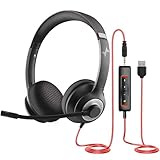
- ✅【Outstanding Noise cancelling Microphone】 The headphones with unidirectional boom 270°microphone that only picks up your voice and block out unwanted background noises. Also, you can wear it on the left or right ear as you like.
- ✅【All-Day Comfort for All Head Shape】 Eaglend always designed for all-day comfort using, there will be no restraint pressure, with the adjustable headbend fit adult and kids easily.The soft protein memory foam earpads is made of high-level breathable materials,ROHS certified materials prevent your ears from heat and sweat.
- ✅【Enhanced sound performance & 40mm audio driver】:Corded phone headset with built-in audio sound card, Eaglend sound lab tested thousands of times for your daily conversation/music/movie/gaming, bringing you extra clear and bass for pleasant experience.
- ✅【USB/3.5mm Connection】 The headphone is designed for multiple use, 3.5mm audio cable with USB In-line audio volume control (cord length 5+4 feet),with mic mute &indicators /speaker mute.Compatible with PC/Tablet/Mac/iOS/laptop /Android phone and other devices."
- ✅【Global warranty &multi-purpose】24 months warranty by eaglend. Great ideal for online courses, Skype chat, call center, Webinars Presentations, Office, Business, Rosetta Stone, Dragon Speaking, Conference Calls and more.
Nonprofit organization
Inbound callers may ask about programs, donations, or appointments. Outbound agents may conduct fundraising, surveys, or donor updates. The purposes differ, so reports should distinguish service requests from campaign outcomes.
Healthcare or appointment-based service
Inbound calls can schedule or change appointments and answer information requests. Outbound calls can confirm an appointment or provide a planned update. The organization should keep the confirmation workflow distinct from sales or survey work so agents have the correct context.
The Tool Desk
Outbyte PC Repair FREERepair Windows errors before they cause bigger problemsFix Now →Outbyte Driver Updater FREEFix the driver behind crashes, sound loss and screen glitchesFind Drivers →Common mistakes and how to avoid them
Treating inbound and outbound as interchangeable
They share a phone channel but have different demand patterns, objectives, scripts, queues, and reports. Configure each workflow around its actual purpose.
Choosing technology before defining the work
Start by listing the calls you receive and the calls you need to initiate. Then map the required routing, customer context, campaign stages, and reporting. Buying a broad feature set without a clear workflow can leave agents with confusing screens and supervisors without useful outcomes.
Using one success measure for every call
A resolved billing issue, a qualified lead, a completed survey, and a scheduled appointment are different results. Define outcome fields and reports that match each operation.
Assuming a hybrid model is automatically more efficient
Blending can reduce handoffs when the same team genuinely needs to handle both directions, but it also creates capacity and priority conflicts. Treat the staffing trade-off as a design decision, not an automatic benefit.
Recommended Free Tools
Ignoring digital channels
Customers may use email, chat, social, or messaging alongside voice. Genesys describes omnichannel platforms that include these channels, and Zendesk documents routing for calls, email, and messaging. If customers move between channels, plan how agents will see the interaction history and how each channel will be prioritized.
Best Value
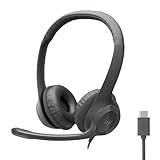
- Digital Stereo Sound: Fine-tuned drivers provide enhanced digital audio for calls, meetings, music, and more
- Rotating Noise-Canceling Mic: Minimizes unwanted background noise for clear conversations; the rotating boom arm can be tucked out of the way when not in use
- Handy Inline Controls: Simple inline controls on the headset cable let you adjust the volume or mute calls without disruption
- USB-C Plug-and-Play: Simply plug the USB-C cable into your computer, including MacBook Neo laptops, and you're ready to talk or listen without installing software.
- Padded Comfort: Comfortable USB C headphones with adjustable headband feature swivel-mounted, leatherette ear cushions for hours of comfort
Implementation checklist
- Inventory the work: Separate incoming reasons such as support, billing, orders, payments, and appointments from outgoing objectives such as sales, research, fundraising, collections, and updates.
- Choose the operating model: Select inbound, outbound, or blended based on which work is material and how predictable it is.
- Design routing: Define IVR choices, queues, skills, availability rules, and escalation paths for inbound calls.
- Design outreach workflows: Define contact lists, campaign stages, agent assignments, scripts, outcomes, and follow-up ownership for outbound calls.
- Connect customer context: Make relevant account and interaction history available before or during the call.
- Set priorities: In a blended operation, specify how live incoming demand competes with scheduled outbound work.
- Plan reporting: Separate service resolution and queue information from campaign outcomes and follow-up status.
- Review channel coverage: Decide whether voice should be combined with email, chat, social, messaging, self-service, workforce tools, or analytics.
- Validate plan conditions: Routing options and other omnichannel features can depend on a vendor’s plan level; confirm the current terms before committing.
What the available customer data says about phone support
Zendesk’s article, updated March 19, 2024, attributes two older findings to its Customer Experience Trends Report 2020 and a separate analysis. It says the phone remained the most common tool customers used to resolve issues with a company, and it describes an analysis of 45,000 companies in which more than half of millennial and Gen Z customers called businesses. These are Zendesk-attributed findings, not fresh 2026 measurements, so use them as context rather than as a current market benchmark.
Frequently Asked Questions
Answers to the most common practical questions appear below.
Frequently Asked Questions
What is the simplest difference between inbound and outbound call centers?
Inbound centers receive calls that customers initiate. Outbound centers initiate calls to customers, prospects, donors, or other contacts.
Quick wins for a faster PC:
Repair Windows errors before they cause bigger problemsFix Now →Scan for outdated or missing drivers - takes under a minuteDriver Scan →Clear out junk files and repair common Windows errorsFree Scan →Is customer service inbound or outbound?
Customer service is usually inbound when customers call for help, billing assistance, technical support, order information, or a complaint. A service team can also make outbound calls for confirmations, follow-up, or proactive updates.
Are sales calls inbound or outbound?
A sales call is outbound when the business initiates it. If a customer calls asking about a product and an agent completes a sale, that interaction began as inbound.
Can the same agents handle inbound and outbound calls?
Yes. A blended or hybrid center assigns agents to both directions. Managers need explicit schedules, priorities, skills, and reporting so live queues and planned outreach do not conflict.
What technology does an inbound call center need?
Typical capabilities include IVR, queue and skill routing, customer history, agent availability or capacity rules, and service reporting. Platforms may also add email, chat, messaging, self-service, workforce optimization, and analytics.
What technology does an outbound call center need?
Outbound teams need contact or campaign workflows, customer context, agent assignments, outcome capture, and reporting that distinguishes completed contacts, unanswered attempts, and next steps.
Which is better, inbound or outbound calling?
Neither is universally better. Choose inbound when dependable response to customer-initiated needs is the priority, outbound when structured outreach is the priority, and blended when both are material and capacity can be coordinated.
Do inbound and outbound call centers use the same metrics?
They should not rely on one universal measure. Inbound reporting focuses on queue and service-resolution outcomes, while outbound reporting follows the campaign objective, such as a qualified lead, appointment, survey response, donation, payment arrangement, or notification.
Quick Recap
Product prices and availability are accurate as of the date/time indicated and are subject to change. Any price and availability information displayed on Amazon at the time of purchase will apply.

