
iTechGuides is reader-supported. When you buy through links on our site, we may earn an affiliate commission. As an Amazon Associate I earn from qualifying purchases. Learn more
Wine clubs typically personalize recommendations through a feedback loop: you describe what you like, try an initial selection, and rate the bottles so future picks can be adjusted. The details vary. Some services describe algorithm-assisted matching, others put a human sommelier in charge, and some combine preference data with broader community signals. A personalized match is a prediction about your palate—not proof that a wine is objectively better.
How the recommendation loop works
- Build an initial profile. A club may ask about wines you like or dislike, preferred styles, or other choices in a quiz. Those answers give it a starting point, not a complete picture of your taste.
- Choose an initial selection. The service uses the profile to select or recommend wines. Depending on the club, this may involve software, a human expert, or both.
- Collect feedback. After tasting, you may rate wines or leave comments. The service can use that feedback to update your profile and shape later recommendations.
The loop only reflects the information the service collects and how it chooses to interpret it. Ratings can also be shaped by which wines you received, which styles you have tried, and whether your preferences change over time.
What a preference quiz can—and cannot—tell a club
A quiz can capture stated preferences before you have tried the club’s selections. Firstleaf says a short quiz creates a custom tasting profile; Wine.com’s Picked questionnaire asks about wines you like or dislike, discovery interests, budget, and shipment frequency. These answers can guide an initial choice, but they are not the same as a long history of tasting feedback.
Recommended Free Tools
For a new member, the starting profile is necessarily based on limited information. A stated preference may also be broad: liking red wine, for example, does not by itself tell a service which varieties, regions, or levels of body and acidity you will enjoy.
Popular on Amazon

- 【PERFECT CHOICE】This 12-piece wine glass set has a classic and smooth appearance. With a capacity of 12oz, it is a nice vessel for your red/white wine tasting!
- 【QUALITY MATERIAL】These stemmed wine glasses are made of sturdy quality glass. The body of the glass is smooth. The wine glasses are overall clear and easy to clean.
- 【EXCEPTIONAL CLARITY】This 12-piece thick wine glasses set has a classic look. The clear glass can reflect the luster of the wine, giving you a different visual experience.
- 【WIDE APPLICATION】This set of red/white wine glasses is applicable for most occasions, such as festivals, parties, weddings, families, etc.
- 【ALL-PURPOSE WINE GLASSES】These wine glasses with stems are suitable for most wines. After having this set of wine glasses, you and your friends will enjoy a new experience feeling.
How ratings can refine later picks
Firstleaf’s quiz-and-rating approach
Firstleaf says ratings refine its tasting profile and future curated orders. Its current how-it-works page says each thumbs-up or thumbs-down is passed through “13 billion data points.” That is Firstleaf’s company claim; the page does not explain what those data points are or independently demonstrate how much they improve recommendation accuracy.
What Firstleaf’s WinePrint shows
Firstleaf’s WinePrint help article describes profile attributes including body, sweetness, acidity, tannins, fruit intensity, tasting notes, varietals, and regions. It says the profile becomes more detailed as members rate more wines, and describes distinct red- and white-wine profiles. WinePrint is based on Firstleaf wines the member has rated; the article does not say it learns from all wine someone drinks or ratings on other services.
Also popular on Amazon

- Complete Set for Wine Lovers: the package is an all-in-one solution for wine lovers, featuring 2 flight boards for tasting, 8 glasses, and 4 soapstone chalks; This comprehensive set ensures you have everything needed to host an engaging wine-tasting session, allowing for memorable moments shared among friends and family
- Elegant and Functional Design: the wine flight board is about 15.8 x 7.6 inches with 3-inch circular depressions offers an elegant and organized way to delight in wine selections, each can accommodates 4 pieces of 16 oz glasses, elevating your wine-tasting gatherings with a touch of class
- Natural Charm: emphasizing its natural beauty, the whiskey tasting board shines with its unique, earthy tone; The acacia wood doesn't just ensure durability, it also radiates an organic charm, bringing a piece of rustic elegance to your home decor in a fashion that melds seamlessly with any setting
- Easy Maintenance for Hassle Free Enjoyment: caring for your wine flight tasting set is straightforward—simply wipe with a damp cloth to clean and use soapstone chalks to identify each wine; Erasing your notes is as easy as using an eraser or damp cloth; Remember to dry the board thoroughly before storing to maintain its pristine condition
- Ideal Gift: crafted from acacia wood, this flight board delivers a natural aesthetic that enhances any wine-tasting experience, making it ideal for a Father's day gift, birthday gift, anniversary gift, and wine lovers' gift—just transforming casual sipping into an event worth celebrating
A visible profile can help a member understand how a club characterizes preferences. It does not reveal every part of the recommendation model: Firstleaf describes WinePrint outputs and rating thresholds, but not the model’s feature weights, training data, or error rates.
Quick wins for a faster PC:
Clear out junk files and repair common Windows errorsFree Scan →Fix the driver behind crashes, sound loss and screen glitchesFind Drivers →Repair Windows errors before they cause bigger problemsFix Now →Human curation versus algorithm-assisted matching
Personalization does not necessarily mean a fully automated system. Wine.com’s Picked service page says a personal sommelier selects six bottles and uses feedback on wines a customer has tried to guide future picks. That is a different public description from Firstleaf’s algorithm-assisted account, but it does not establish that human and automated methods are mutually exclusive across wine clubs.
Also popular on Amazon
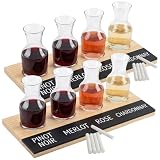
- Wine Tasting Flight Sampler Set - Take your at-home wine tasting to a whole new level with your very own 2-pack wine flight board set! Perfect for cozy nights in with your partner or hosting friends and family where everyone can join the tasting experience.
- Includes 8 Decanter Wine Glasses & 2 Wooden Flight Boards - This deluxe set features eight 6 oz mini decanter wine glasses and two beautifully crafted wooden trays with built-in chalkboard labels (chalk sold separately). Each tray securely holds four glasses - ideal for side-by-side comparisons.
- Explore & Compare Your Favorite Wines - Discover new varieties and compare tasting notes between whites, reds, and rosés - from Sauvignon Blanc to Cabernet Sauvignon - all from the comfort of home.
- Elegant & Giftable Entertaining Set - A stunning gift idea for wine lovers, Mother's Day, bridal showers, weddings, and housewarmings. Great for parties, dinner gatherings, and date nights. Makes for a great holiday gift for Christmas, Secret Santa exchanges, White Elephant swaps, and stocking stuffers.
- Durable, Reusable & Easy to Care For - Dishwasher-safe glassware ensures effortless cleanup, while the solid wooden trays should be hand washed to maintain their beautiful natural wood grain.
Picked also describes customer controls such as price and shipment frequency, a red-or-white mix, cancellation, and a credit for a bottle that misses the mark. Service details and terms can change, so check the current page for the conditions that apply to an order.
Independent reader supportYour contribution helps us test, update, and keep practical guides available for everyone.Personal fit is different from crowd ratings
Vivino is a wine app and marketplace, not the wine-club example above. Its June 2026 Match for You explainer says a user’s score reflects rating history and wine attributes, and that users can manually flag preferred or disliked grapes, styles, and regions. The company distinguishes a personal match from an objective quality judgment: “The score isn’t about whether the wine is objectively good. It’s about whether it’s good for you.”
Also popular on Amazon
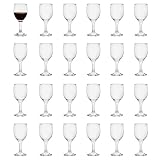
- 24 Classic Red Small Wine Glasses,4OZ capacity
Vivino also says broader recommendations draw on scanning, rating, and purchase behavior alongside community ratings. A crowd signal and a personal-fit prediction answer different questions: one reflects information from the wider community, while the other estimates whether a wine may suit an individual. Vivino’s stated inputs and features may vary by region and app version.
How to judge whether a wine club is meaningfully personalized
When comparing services, look for concrete answers to these questions rather than relying on the word “personalized” alone:
- What does it ask at sign-up? Does the club use an explicit taste quiz, or does it mainly learn from later activity?
- What feedback can you give? Can you rate individual bottles, leave comments, or flag styles you dislike—and does the service say that feedback affects later orders?
- Is a person involved? Does a sommelier choose or review selections, or does the service describe software-led matching?
- Can you see the profile? A profile that explains attributes such as acidity or body is easier to interpret than an unexplained score.
- What does a score mean? Check whether it represents predicted personal fit, community opinion, or another signal; those are not interchangeable.
- What can you control? Check the available settings for budget, shipment frequency, bottle mix, and cancellation.
More ratings may give a service more information, but they do not guarantee more accurate picks. Vivino advises users to rate across styles and set preferences manually; that is the company’s guidance, not independent proof of recommendation performance. Likewise, vendor descriptions of personalization are not head-to-head evidence that one service predicts taste better than another.

