
Quick wins for a faster PC:
Clear out junk files and repair common Windows errorsFree Scan →Fix the driver behind crashes, sound loss and screen glitchesFind Drivers →You can manage interview anxiety without waiting for it to disappear: prepare for the parts you can control, then use a slow breath, a brief pause, and attention to the question to keep communicating when nerves show up.
What interview anxiety can feel like
Interview anxiety is nervousness or fear before or during an employment interview. It may begin days ahead of the meeting and can involve both physical sensations, such as a faster heartbeat, and mental ones, such as racing thoughts. The unfamiliar setting, being evaluated, talking about yourself, and not knowing what to expect can all contribute. Indeed describes common signs and possible triggers.


Feeling nervous does not, by itself, mean you have an anxiety disorder. Ordinary interview nerves are not enough to diagnose a condition, and the available guidance does not establish a clinical threshold.
Before the interview: make the situation more familiar
Learn about the role and employer
Read the job description and review the organization’s work. Make a short list of skills the role calls for and note a few genuine questions you would like to ask. This gives you useful context without requiring you to predict every question or script every answer. Indeed’s interview guidance recommends researching the employer and preparing questions.
What’s actually slowing this PC down?
Pick the symptom - the matching free tool is one click away.
#1 Best Overall
Prepare examples and practice aloud
Choose a few examples from your experience that show relevant skills or results. Practice explaining what happened, what you did, and what the outcome was. Rehearsing aloud with a friend, mentor, faculty member, or career center can make the interview format feel less unfamiliar. A mock interview is practice, not a test of whether you will feel calm. The American Psychological Association recommends practicing interview responses; its advice also appears in this APA discussion of managing interview anxiety.
Settle logistics early
Choose what to wear, check the route or video-call setup, and leave extra time so a last-minute problem is less likely to add pressure. Gather anything you want to have handy, such as copies of application materials, your questions, a notepad and pen, and water. These are practical options, not required equipment. Indeed’s interview-day suggestions include these kinds of preparations.
Pick one calming technique and try it beforehand
Choose a strategy that feels comfortable and realistic: for example, slow breathing, a brief mindfulness exercise while waiting, or exercise beforehand if that suits you. Practicing in advance helps make the technique familiar, so you are not trying to learn it under pressure. The APA advises planning how to manage anxiety and describes breathing and mindfulness approaches in its interview strategies and guidance on maintaining composure.
During the interview: regain your focus
Take one slow breath
If you notice tension rising, breathe in through your nose and let your belly expand, then exhale slowly through your mouth. The APA describes this belly-breathing technique as a way to regain composure; practicing it before the interview can make it easier to use in the moment. Read the APA’s breathing guidance.
The Tool Desk
Outbyte Driver Updater FREEFix the driver behind crashes, sound loss and screen glitchesFind Drivers →Outbyte PC Repair FREEClear out junk files and repair common Windows errorsFree Scan →Rank #3

- Careercup, Easy To Read
- Condition : Good
- Compact for travelling
Pause before you answer
You do not have to respond the instant a question ends. A short pause gives you time to choose a useful example or organize your thoughts. If it helps, say something natural such as, “Let me think about that for a second,” or, “I want to think of a specific example for you.” These are sample phrases, not scripts you need to memorize. Indeed suggests using a pause to gather your thoughts.
Return your attention to the question
Anxiety can pull your attention toward self-criticism—what you think the interviewer thinks of you, or how nervous you feel. Gently bring it back to the question: listen for what the interviewer is asking, then answer that. If you lose your place, take a breath and ask for a moment to think. The APA’s composure guidance includes grounding as a way to regain focus.
Ask a real question when the opportunity comes
A prepared question can make the conversation feel more reciprocal and help you judge whether the role and workplace suit you. Ask about something you genuinely want to understand, such as the work or expectations of the position. Your questions do not need to be elaborate; the point is to have an authentic exchange. Indeed recommends preparing questions for the interviewer.
Independent reader supportYour contribution helps us test, update, and keep practical guides available for everyone.Choose techniques that fit the moment
| Approach | When to use it | Preparation | Best fit |
|---|---|---|---|
| Research the role and prepare questions | Before the interview | Review the job description and organization | Reducing uncertainty about the conversation |
| Rehearse examples aloud | Before the interview | Practice alone or with another person | Getting comfortable describing relevant experience |
| Slow belly breathing | Beforehand or discreetly during the interview | Try it in advance | Taking a deliberate pause when tension rises |
| Brief pause and refocus | During the interview | None; a simple phrase can help if you want one | Organizing a response or returning attention to the question |
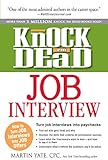
There is no need to buy a product to use these strategies. A notebook and pen can be convenient interview materials, and a workbook can be an optional way to practice, but neither treats anxiety.
Do these 3 things before closing this tab:
1Repair Windows errors before they cause bigger problems2Fix the driver behind crashes, sound loss and screen glitches3Clear out junk files and repair common Windows errorsWhat to expect from these strategies
Preparation and coping techniques can help you approach the interview with a plan; they cannot guarantee that nerves will go away. The sources cited here do not establish a reliable prevalence figure for interview anxiety or a quantified effect size for any one technique. Focus on what the strategies are intended to do: help you prepare, regain composure, and continue answering while nervous.
Quick Recap
Product prices and availability are accurate as of the date/time indicated and are subject to change. Any price and availability information displayed on Amazon at the time of purchase will apply.

