
To maintain a lawn mower, make it safe before working near the blade, clear clippings from the deck and engine, and prepare it for storage using the instructions for its exact model. Blade removal, oil type and amount, service intervals, cleaning restrictions, and fuel and storage steps vary by make, model, and power source. Check the operator manual before maintenance; the blade procedure described below is specific to Husqvarna’s 7021P manual dated September 2016, not a universal procedure.
How to sharpen or replace a lawn mower blade
A blade should be sharpened only if it is serviceable and the mower’s manufacturer permits sharpening. Bent or damaged blades should be replaced with a manufacturer-approved blade matched to the mower model. A sharpened blade must be balanced before it is reinstalled; an imbalance can damage the mower or engine.
Make the mower safe first
Follow the exact manual for blade removal and mower positioning. In the Husqvarna 7021P procedure, the operator disconnects the spark plug wire, turns the mower on its side with the air filter and carburetor facing up, blocks the blade against rotation, and protects hands with gloves or heavy cloth. Do not assume this orientation or procedure applies to another mower.
Sharpen and check balance
If the manual allows sharpening, remove the blade and sharpen it with a file or grinding wheel. The 7021P manual describes checking balance with a steel bolt or pin, or a cone balancer. If one end tips down, remove a small amount of material from the heavy end and check again. Do not reinstall an unbalanced blade. Use the model’s manual for reinstallation and any specified fasteners or tightening instructions; no single torque value applies to all mowers.
#1 Best Overall

- SHARPEN YOUR MOWER BLADE IN MINUTES: Blade removal is optional with this cordless lawnmower sharpener — many standard residential blades can be sharpened right on the mower, saving you the hassle of disassembly. Routine touch-ups take about 2–3 minutes per blade; badly worn edges take longer and are best done with the blade removed.
- MAINTAIN INSTEAD OF REPLACE: Replacement blades run $20–$40 each and a sharpening service costs money and a trip. Regular touch-ups extend the life of the blade you already own — one tool, all season.
- GREENER LAWN IN DAYS - NOT WEEKS: Dull blades tear grass instead of cutting it, leaving brown stressed edges that take weeks to recover. A sharp blade creates a clean cut that heals fast — visibly greener, healthier lawns within days of sharpening. This rotary blade sharpener delivers results you can see, not just feel.
- ADJUSTABLE ANGLE GUIDE - 20° TO 40° LAWN MOWER BLADE SHARPENING: Dial in the right angle for your specific blade with the adjustable lawn mower blade sharpening attachment (20°–40°). For consistent results, tighten the guide firmly before each pass and recheck position every few strokes — this keeps edge geometry accurate across the full blade. Variable speed (5,000–30,000 RPM) with ergonomic grip for controlled, safe operation.
- CORDLESS & LIGHTWEIGHT: No cords to manage across the yard. Lightweight enough to carry one-handed to wherever your mower sits. One full charge sharpens 1–2 standard residential blades — top it up between sessions for a full multi-blade deck. A reliable lawn gadget for every mowing season.
Husqvarna’s 7021P manual cautions against sharpening and says an unbalanced blade can eventually damage the mower or engine. If the blade is bent or damaged, replace it rather than trying to correct it. Choose only a manufacturer-approved part for the exact mower.
How to clean grass from under the mower deck
Remove built-up grass and debris from beneath the deck and clear debris from engine surfaces. The 7021P manual calls for scraping the underside and keeping the engine clean; it warns that a clogged engine runs hotter and can have a shorter service life.
Husqvarna’s zero-turn storage guidance also recommends thorough cleaning, inspection for worn or damaged parts, and tightening loose nuts or screws. It suggests degreaser and warm water rather than gasoline for cleaning. Cleaning methods and restrictions differ by mower, so check the manual before using a hose or pressure washer.
Rank #2
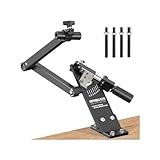
- [ Updated ] Lawn Mower Blade Sharpener: SporGain mower blades sharpener suitable for Blades standard straight, mulching and high-lift mower.
- Fits 1.65"–3.60" Mower Blades: lawn mower blade sharpener jig is designed to accommodate mower blades from 1.65" to 3.60" wide, making it suitable for a wide range of lawn mower blades.
- High-Quality Construction: This lawnmower blade sharpener jig firmly and securely holds the blades in place.
- Lawnmower Blade Sharpener: The lawn mower blade sharpener tool equipped with Ball Bearing, 25mm diameter enlarged Handle and 4 Adapter Screws for angle grinder.
- 15°-45° Adjustable: This mower blade sharpener kit lets you manually adjust the angle of blade holder and angle grinder Bushing by hands (thumb screws). Support you to sharpen multiple blades efficiently.
How to prepare a gas mower for seasonal storage
Fuel instructions differ among mower models and types. Do not combine a full-tank stabilization method with a drain-the-tank method: choose the procedure specified in the mower’s manual, and follow local requirements for fuel handling and disposal. Keep fuel and vapors away from flames, sparks, pilot lights, and other ignition sources.
Recommended Free Tools
Follow the model’s fuel procedure
Briggs & Stratton’s general mower winterization guide, updated January 13, 2026, recommends adding fuel stabilizer according to its package directions, storing treated fuel in a full tank, and running the engine for a few minutes so the treated fuel circulates. This is that guide’s recommendation, not a universal rule.
Husqvarna’s US zero-turn guidance gives a different model-specific approach: empty the fuel or use stabilizer, then run the engine for at least ten minutes so the stabilizer reaches the carburetor. The page treats the end of the season or more than 30 days of inactivity as a storage-preparation point for those zero-turn mowers. It warns against storing fuel indoors or in poorly ventilated areas where vapor could reach an ignition source.
Rank #3

- Lawn Mower Blade Sharpener : The new version of the Lawn Mower Blade Sharpener is Made of corundum, it solves the base wear caused by the excessive speed of grindstone, and effectively prolongs the service life and improves the use effect of the product. Our lawn mower blade sharpener is provided by the original factory, and it is guaranteed.
- Lawnmower Blade Sharpener for Drill : Lawn mower blade sharpener could be used to sharpen mower blades to make the blade sharp again. Using in sharpening lawn blades, lawn tractors, mowers, rototillers, drill blades, sickle bar cutters, etc. Fit for most power drills (Do not need to buy expensive blades).
- Easy to Use : It only takes 10s to install it. You only need to install it on your electric drill to use it. And it can quickly make blunt old blades sharper. Effectively provide your productivity. Fast, automatic, easy, safe, and saves time and effort.
- Size & Package: Each sharpener measures 50 x 47 mm / 1.97 x 1.85 inches, with slight variations possible due to manual measurement. The package contains 5 lawn mower blade sharpeners, each in an attractive box.
- Keep your lawnmower blades sharp with a lawn mower blade sharpener. It's a must-have for any lawn mower or tractor. Enjoy faster, easier mowing and save time. A practical tool for everyday use.
Husqvarna’s US petrol push-mower guidance says to empty the tank before storage, use stabilizer in the last tank, and take any remaining fuel to an applicable disposal location if it is not run until empty. These petrol-mower instructions are distinct from the zero-turn and Briggs & Stratton guidance.
Check oil, parts, and storage conditions
Replace the oil only as specified by the mower’s operator manual, including the correct type and amount. Briggs & Stratton’s winterization guide also recommends inspecting or sharpening or replacing the blade and checking the air filter. Husqvarna’s zero-turn checklist includes cleaning, inspection, an oil change, and battery removal.
Free tools Windows power users keep installed
One-click scans. No signup required.
Briggs & Stratton advises keeping the mower in a dry area, under a cover or in a shed or garage. Husqvarna’s petrol push-mower guidance calls for locked, dry, frost-free storage. Store the mower and any fuel safely, and follow the separate handling instructions for its battery type. Battery removal and storage requirements depend on the mower and battery chemistry, so consult both manuals.
Independent reader supportYour contribution helps us test, update, and keep practical guides available for everyone.When to do the work yourself or use a dealer
DIY maintenance is appropriate only when you can follow the model-specific safety and service instructions and have the tools and experience for the task. For blade work, a sharpening file or suitable sharpening tool and a balancer can help, but neither replaces safe removal, correct fitment, and balance checking. If the blade is damaged, the mower manual is unavailable, or you are unsure how to secure or reinstall the blade, use a qualified service dealer. Check warranty terms and required service procedures before doing work that could affect coverage.
Quick Recap
Product prices and availability are accurate as of the date/time indicated and are subject to change. Any price and availability information displayed on Amazon at the time of purchase will apply.

