
You can often make a live stream look and sound better by adjusting your camera, quieting the room, planning the content, and choosing settings your internet connection can sustain. Before buying anything, test the setup you already have and check the stream preview and health indicators. YouTube is used below as the example platform; settings and controls may differ on other services.
1. Improve camera position and framing
Stabilize the device you already use
Put your phone, webcam, or camera on a steady surface and avoid bumping the table or stand during the stream. If you are using a phone, check that your hands do not cover the lens. YouTube’s filming guidance suggests accessories such as a tripod or selfie stick to reduce shake, but try a stable surface or support you already own first. A mount is an optional convenience, not a prerequisite.
Compose the shot deliberately
- Place the camera at a height and angle that show the subject clearly.
- Check the frame in the stream preview before going live; move the camera or subject rather than accepting an awkward crop.
- Keep the camera steady when speaking or demonstrating something. If movement is part of the stream, check that it remains visible in the preview.
2. Make the room and audio easier to hear
Reduce noise at the source
Listen for wind, traffic, appliances, fans, and other background sounds before the broadcast. If possible, move to a quieter spot or switch off a nearby noise source. YouTube recommends avoiding noisy locations and checking audio; it notes, “Using a microphone can improve your audio.” You do not have to buy one to make a useful improvement: first test the microphone or built-in audio you already have and reduce competing noise.
Check the sound, not just the picture
Speak at the volume you expect to use and listen to the preview or a test stream. Check that your voice is audible and that movement or demonstrations do not create distracting noise. Keep monitoring the sound once live, because a setup that seemed fine while quiet may behave differently during the actual stream.
#1 Best Overall

- CONDENSER MICROPHONE: High sensitivity, low noise, and low distortion with a large 14mm diaphragm and clear sound pickup
- FOR STREAMING & MORE: 360° rotation adjustable stand mic is ideal to track your voice in real-time conference, online streaming, podcasting, music recording, solo vocals or instruments and more
- CARDIOID PICKUP PATTERN: Cardioid pickup pattern microphone effectively isolates background noise, ensuring clear and clean sound for recording and broadcasting
- ONE TAP SILENT MODE: Stylish design USB microphone built-in convenient one-tap mute function that syncs with your laptop or PC. Compatible with Windows OS 7, XP, 8, 10 or higher, Mac OS 10.10 or higher, streaming and broadcasting applications
- PLUG AND PLAY: Easy to use with no additional drivers required and connect with USB data transfer cable; it can be detached and installed on tripods, boom arm or microphone stands that with a standard 5/8 inch thread
3. Plan a simple content flow
A loose sequence can prevent long, unintentional pauses without making a casual stream feel scripted. YouTube recommends planning content to keep a live stream organized and minimize unwanted pauses.
- Write down the opening, main topics or activities, and how you will wrap up.
- For a demonstration, note the order of the steps and have any materials within reach.
- Leave room to respond naturally if audience interaction is part of the stream.
This is preparation, not a rule that every spontaneous stream needs a formal run sheet.
Rank #2

- [Convenient Setup] Plug and play recording USB microphone for PC, with 5.9-Foot USB cable included for computer PC laptop, is connected directly to USB-A port for recording music, computer singing or podcast. The office condenser microphone for computer is easy to use and install. (NOT compatible with Xbox and Phones)
- [Durable Metal Design] Solid sturdy metal construction design, the computer microphone for Zoom meetings with stable tripod stand is convenient when you are doing voice overs or livestreams on YouTube. Durable material extends the service life of the voice-over microphone.
- [Mic Volume Knob] Gaming condenser USB mic compatible for PS4 with additional volume knob itself has a louder or quieter adjustment and is more sensitive. Your voice would be heard well enough through the zoom microphone USB when gaming, skyping or voice recording. Also, you can adjust your volume to zero and protect your privacy.
- [Widely Use] USB-powered design, the condenser microphone for recording no need the 48v Phantom power supply, works well with Cortana, Discord, voice chat and voice recognition. The podcast microphone for Mac, with USB-B to USB-A/C cable, is compatible with desktop, laptop or PS4/PS5, which meets most of your daily recording needs.
- [Clear Output Voice] Cardioid condenser microphone for PC captures your voice properly, producing clear smooth and crisp sound. Great computer recording mic for gamers/streamers/youtubers focus on the main source and reduces background noise. The streaming microphone does the job well for broadcast ,OBS and teamspeak.
4. Check the upload connection before changing quality
Measure upload capacity and leave headroom
Run an upload speed test; download speed does not tell you how much capacity is available for sending a live video. YouTube recommends leaving 20% bandwidth room rather than using all of the measured upload capacity for the stream. Other people and devices sharing the network can reduce what is available to your encoder, even when the connection is generally fast.
Improve the connection you have
- For streaming from a computer, YouTube recommends an Ethernet cable connection. If that is not practical, reduce competing network use where possible.
- For mobile streaming, check signal strength and move to a location with a stronger signal if needed.
- If frames drop or playback buffers, try a lower resolution, frame rate, or bitrate before assuming you need new hardware.
5. Match encoder settings to a stable connection
Resolution, frame rate, and bitrate work together. A higher output setting is not an improvement if your connection cannot sustain it. Use the highest combination that remains stable in a representative test, including the movement and audio you expect in the real stream. The figures below are YouTube live-ingestion recommendations for H.264, not universal requirements and not YouTube’s separate recommendations for uploaded videos.
Windows Errors? Fix Them Before They Spread
Repair common Windows errors and clear accumulated junk for a smoother, more stable PC - no reinstall needed.Free scan · no reinstallOutdated Drivers Are Slowing You Down
One free scan finds every outdated or missing driver and matches the right update for your exact hardware.Free scan · exact hardware matchRank #3

- Custom three-capsule array: This professional USB mic produces clear, powerful, broadcast-quality sound for YouTube videos, Twitch game streaming, podcasting, Zoom meetings, music recording and more
- Blue VO!CE software: Elevate your streamings and recordings with clear broadcast vocal sound and entertain your audience with enhanced effects, advanced modulation and HD audio samples
- Four pickup patterns: Flexible cardioid, omni, bidirectional, and stereo pickup patterns allow you to record in ways that would normally require multiple mics, for vocals, instruments and podcasts
- Onboard audio controls: Headphone volume, pattern selection, instant mute, and mic gain put you in charge of every level of the audio recording and streaming process
- Positionable design: Pivot the mic in relation to the sound source to optimize your sound quality thanks to the adjustable desktop stand and track your voice in real time with no-latency monitoring
| YouTube H.264 live setting | Bitrate guidance |
|---|---|
| 1080p at 30 fps | 5 Mbps |
| 1080p at 60 fps | 6 Mbps minimum; 17 Mbps recommended |
YouTube’s live bitrate table varies by codec, resolution, and frame rate. Consult its current table for the exact combination and codec you plan to use. Do not treat a bitrate figure as a guarantee of quality: network capacity, encoder behavior, and the stability of the connection also matter. After changing settings, test again and monitor the stream’s health and any encoder messages.
Choose latency for the kind of stream
Latency is the delay between capture and playback for viewers. YouTube notes that lower latency can increase buffering. Prioritize lower latency when real-time back-and-forth with viewers matters; if interaction is not central, a longer delay may be an acceptable tradeoff for smoother playback. The available choices and controls are platform-specific.
Rank #4

- Designed to capture less unwanted noise: Engineered from the inside to reduce vibrations from the outside, with a built-in suspension system that delivers shock mount benefits in a compact, no-fuss design.
- An All-In-One mic that doesn’t ask for more: Everything you need is built in — foam pop filter, tiltable stand, and mic arm threads. No extras required. Just clear sound and a smart design for a setup that keeps things simple.
- Fits in any gaming setup: Tilt-adjustable with a weighted base for stability, ready to use out of the box. Built-in 3/8" and 5/8" threads offer easy mounting to compatible mic arms for added versatility.
- Audio Filters Customizable via HyperX NGENUITY: Customize sound with high-pass, low-pass, or voice enhancement filters - reduce rumble, soften sharp tones, and boost voice clarity. Save settings to the mic for consistent sound anywhere.
- Tap-to-Mute with LED Indicator: Control your mic with a simple tap. Red LED on when live, off when muted.
6. Run a preflight and monitor the live stream
Before going live
- Start an unlisted test stream and inspect the preview for framing, sound, movement, and any visible encoding problems.
- Confirm the stream appears where you expect it to. If viewers commonly watch on phones, check the result on a mobile device too.
- Make a local recording and review it if your encoder supports recording and you need to check the output independently.
- For a scheduled YouTube event, YouTube recommends setting up the encoder at least 2 hours ahead and starting it at least 15 minutes before the event. These are event-preparation recommendations, not mandatory lead times for every creator.
While live
Keep an eye on the platform’s stream-health information and check audio and video during the event. If the picture stutters, sound drops, or the platform reports a problem, note the message and reduce the load—often by lowering bitrate or output settings—then verify whether stability improves.
Independent reader supportYour contribution helps us test, update, and keep practical guides available for everyone.Common problems and what to check
- Shaky or poorly framed video: Stabilize the device on a steady surface, adjust the angle and framing, and check the preview. Make sure a phone lens is not blocked.
- Hard-to-hear audio: Listen to a test, reduce nearby noise, and verify the microphone or built-in audio source before starting.
- Dropped frames or buffering: Test upload speed, account for other network users, leave the recommended bandwidth headroom, and try a lower bitrate or output setting.
- Mobile stream instability: Check signal strength and move to a stronger-signal area if possible.
- Viewers report delay: Decide whether faster interaction is worth the increased buffering risk; lower latency is not automatically better for every stream.
- Encoder or platform warning: Read the specific message, check the platform’s current encoder guidance for your codec and settings, and run another test rather than guessing at a universal fix.
Or let it run in the cloud
If your goal is a continuous YouTube stream from uploaded videos rather than a live camera broadcast, StreamNeo is a separate option: upload a recording or build a playlist, add your YouTube stream key, and go live. Nothing has to stay on at home; it streams the uploaded quality up to 4K 60fps at one flat price per slot, with automatic recovery if YouTube drops the stream. The first day is free with no card. Monthly: $9.99 per month. See StreamNeo or start your free day.
Quick wins for a faster PC:
Clear out junk files and repair common Windows errorsFree Scan →Scan for outdated or missing drivers - takes under a minuteDriver Scan →Quick Recap
Best Value
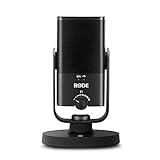
- PLUG AND PLAY USB: connects straight to Mac, PC or iPad over USB, no interface or drivers needed
- STUDIO SOUND ON A DESK: condenser capsule with built-in pop filter tuned for voice, calls and streams
- HEAR YOURSELF LIVE: zero-latency headphone monitoring with hardware volume control on the mic
- MAGNETIC DESK STAND: detaches instantly to mount on any arm with the standard thread
- IN THE BOX: NT-USB Mini with stand and USB-C cable, ready in under a minute
Product prices and availability are accurate as of the date/time indicated and are subject to change. Any price and availability information displayed on Amazon at the time of purchase will apply.

