
To dial in espresso on a Lelit machine, confirm your model and basket, weigh a dose that fits that basket, choose a target output, then adjust the grind in small steps while keeping the other variables steady. Track each shot and taste it: extraction time helps you compare shots, but it is not a substitute for flavor.
Before you start: identify your Lelit model and basket
Lelit machines do not all use the same group, baskets, or controls. Check the model name and the basket markings or documentation before choosing a dose or buying accessories. Use the basket’s stated range where available rather than assuming every double basket has the same capacity.
For example, Lelit lists the Anna PL41TEM with a LELIT57 group and supplied baskets rated at 7–9 g for a single and 14–18 g for a double. The Anna also has a PID boiler temperature controller, an extraction pressure gauge, and a three-way solenoid valve. Lelit says the gauge’s green area indicates the optimal pressure range; that description does not establish a single numeric pressure target. See Lelit’s Anna PL41TEM specifications.
The Victoria PL91T is a different example: its product sheet specifies a LELIT58 commercial group, an ascending extraction timer, temperature display for coffee, steam, and hot water, and activatable pre-infusion. These are Victoria-specific details, not features to assume on every Lelit. The sheet also lists included single and double baskets and an IMS blind filter. See Lelit’s Victoria PL91T product sheet.
#1 Best Overall
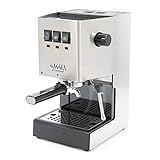
- Solid Steel Housing, Made in Italy
- 9 Bar Espresso Extractions
- Stainless Steel 58mm Commercial Portafilter
- Commercial Three Way Solenoid Valve
- Commercial Steam Wand
Use a repeatable starting recipe
A practical first recipe is a 1:2 brew ratio by weight: for example, 18 g of dry coffee in and a target of 36 g of espresso out. This is a starting point, not a universal Lelit specification. The dose must suit your actual basket, and the coffee, grinder, and taste preference can all call for a different ratio.
The Specialty Coffee Association (SCA) reported a 2017 survey of 275 barista respondents, just over three-quarters of whom were in the United States. Respondents’ average shot characteristics included an 18–20 g dose, 36.5 g output, 25–30 seconds extraction time, 9 bars, and 200°F. These are survey averages, not a required recipe for your machine. The SCA also reproduces an older espresso definition with different dose, volume, temperature, pressure, and time ranges; it is historical context, not a current universal rule. Read the SCA article, “Defining the Ever-Changing Espresso”, for its explanation of the survey and changing espresso practices.
Rank #2

- MANUAL HAND-TEXTURED MICROFOAM: The powerful steam wand on this cappuccino maker and latte machine is designed to quickly turn milk into smooth, flavorful microfoam for creating latte art at home
- PRECISE DOSE GRINDING: Integrated precision conical burr grinder on bean-to-cup espresso machine grinds on demand to deliver correct amount of freshly ground coffee directly into portafilter for your preferred taste with any roast of bean
- WATER PRESSURE: Low pressure pre-infusion gradually increases pressure at the start and draws out all the flavors evenly during the extraction for a balanced-tasting espresso, latte or cappuccino
- RECEIVE 2 FREE BAGS OF SPECIALTY COFFEE: Included when you purchase and register any Breville coffee machine; T&Cs apply
- PRECISE ESPRESSO EXTRACTION: Digital temperature regulation (PID) delivers water at precisely the right temperature, so espresso coffee maker allows for precise espresso extraction
Dial in the shot step by step
- Warm and prepare the machine consistently. Follow the operating instructions for your exact Lelit model, including warm-up and routine care. There is no single warm-up duration established here for every Lelit machine. Use the same preparation routine for each test shot.
- Weigh the dry coffee. Dose into the basket you identified, staying within its stated capacity when one is provided. Distribute and tamp in the same way each time so preparation differences do not obscure the effect of a grind change.
- Set a target output. Place a scale under the cup and select a beverage weight. A 1:2 ratio is a useful initial reference, but you can adjust it to suit the coffee and your preference.
- Start the extraction and track it. Stop the shot when it reaches the target weight. Record the extraction time shown by your machine, if available, or time each shot consistently with a separate timer. Note the dose and output alongside the time.
- Change the grind in small steps. Keep dose and target output fixed while testing. If the shot runs markedly faster than your chosen reference, try a finer setting; if it runs markedly slower, try a coarser setting. Make one grind adjustment at a time and record the result. This is a practical comparison method, not a Lelit-published calibration rule.
- Taste and reassess. Time is useful for diagnosing change, but the goal is a shot you enjoy. If the flavor is not balanced, change one variable, pull another shot, and compare. There is no flavor decision chart here that applies officially to every Lelit, bean, or palate.
- Save the recipe that works. Record the coffee, basket, dose, output, extraction time, grinder setting, and any machine setting you changed. Revisit the recipe when you change the coffee or setup.
Use the controls your model actually has
Use a machine’s gauges, displays, or pre-infusion controls as model-specific aids, not as features to assume across the Lelit range. On the Anna PL41TEM, the pressure gauge provides a visual reference, while its PID controls boiler temperature. On the Victoria PL91T, the display includes an ascending extraction timer and the machine can activate pre-infusion. Follow the instructions for your model to operate its controls; changing several controls at once makes it harder to tell which change affected the shot.
Lelit’s catalog includes machines with built-in grinders as well as machines without them. If yours has an integrated grinder, use that model’s grind controls. Otherwise, use a grinder that can make small enough adjustments for espresso. A scale with a timer is useful for tracking dose, output, and extraction consistently; whole-bean coffee is the relevant starting material for grinding fresh.
The Tool Desk
Outbyte PC Repair FREERepair Windows errors before they cause bigger problemsFix Now →Outbyte Driver Updater FREEScan for outdated or missing drivers - takes under a minuteDriver Scan →Quick Recap
Best Value

- Solid Steel Housing, Made in Italy
- 9 Bar Espresso Extractions
- Stainless Steel 58mm Commercial Portafilter
- Commercial Three Way Solenoid Valve
- Uncoated Aluminum Boiler
Rank #4
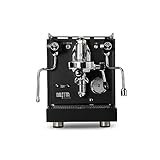
- PID Temperature Control - View and adjust your steam boiler temperature quickly with the front-mounted PID screen.
- Shot Timer - When brewing, the PID screen doubles as a shot timer to monitor your espresso progress.
- Low Power Eco Mode - A new low-power eco-mode lowers your boiler temperature to save energy costs while still offering faster recovery to brew temps.
- Programmable Preinfusion - Program up to 10 seconds of passive preinfusion for better shot consistency.
- Stainless Steel - A stainless steel case, frame, and boiler offers years of service for your kitchen.
Rank #3

- MANUAL HAND-TEXTURED MICROFOAM: The powerful steam wand on this cappuccino maker and latte machine is designed to quickly turn milk into smooth, flavorful microfoam for creating latte art at home
- PRECISE DOSE GRINDING: Integrated precision conical burr grinder on bean-to-cup espresso machine grinds on demand to deliver correct amount of freshly ground coffee directly into portafilter for your preferred taste with any roast of bean
- WATER PRESSURE: Low pressure pre-infusion gradually increases pressure at the start and draws out all the flavors evenly during the extraction for a balanced-tasting espresso, latte or cappuccino
- RECEIVE 2 FREE BAGS OF SPECIALTY COFFEE: Included when you purchase and register any Breville coffee machine; T&Cs apply
- PRECISE ESPRESSO EXTRACTION: Digital temperature regulation (PID) delivers water at precisely the right temperature, so espresso coffee maker allows for precise espresso extraction
What to do when shots vary
- The shot is faster or slower than your reference: check that dose and target output stayed the same, then make a small grind adjustment in the appropriate direction.
- The shot time is similar but the taste is not: do not assume the time alone proves the recipe is right. Make one controlled change, such as the output target or grind, and compare by taste.
- Changing beans or baskets: treat the old setting as a starting reference only. Recheck the basket’s capacity and dial in again with the new coffee or basket.
- You cannot repeat a result: standardize dose, output, distribution, tamp, and timing before drawing conclusions from grind changes.
Product prices and availability are accurate as of the date/time indicated and are subject to change. Any price and availability information displayed on Amazon at the time of purchase will apply.

