
Quick wins for a faster PC:
Clear out junk files and repair common Windows errorsFree Scan →Scan for outdated or missing drivers - takes under a minuteDriver Scan →A useful long-term vision describes the future your studio wants to build: the games it aims to make, the players it hopes to serve, and the kind of organization that can keep making those games. It is not just a slogan or a description of your next release. Define that future, then use it to make practical choices about projects, people, partners, and money.
How is a studio vision different from a game vision?
A studio vision describes the long-term future the organization wants to create. A game vision describes the intended experience and identity of a particular game. They can support each other, but they answer different questions: one is about the studio’s direction across time; the other is about a specific creative work.
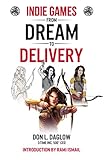


A studio vision is also different from a mission and a strategy. Game Developer’s guidance distinguishes vision—the future an organization wants to reach—from mission, which describes its present purpose: what it does, how, and for whom. Strategy is the set of choices and resource decisions intended to move the studio toward that future. These are useful distinctions, not universal formulas. Game Developer’s strategy-planning article offers mission prompts and industry context.
What should an indie studio vision include?
A vision becomes more useful when it connects the creative work to the organization that must sustain it. Consider these elements together rather than treating the statement as a promise to make one kind of game forever.
Recommended Free Tools
#1 Best Overall
- Games: What kinds of experiences or creative qualities should the studio become known for?
- Players: Whom does the studio want to serve, and what should those players reliably get from its games?
- Creative promise: What durable point of view, craft, subject matter, or player experience runs through the team’s interests?
- Future capability: What should the studio be able to make, and what skills, production capacity, and leadership will that require?
- Working model: What kind of team and working arrangement can keep the studio creating without sacrificing its people?
- Business foundation: What customers, revenue, resources, partners, operations, and business model could support the ambition?
Christopher Buckingham’s Business Planning for Games, published by CRC Press/Routledge in 2024, treats vision and mission as part of a broader plan. Its topics include the game opportunity, goals, customers, success, strategy, marketing, resources, partners, finance, operations, and business model. That breadth is a reminder to connect the future you describe to how the studio could operate; it is not a guarantee of commercial success. See the publisher’s book listing.
How do I write a vision for my game studio?
Start with specific answers about the work and people, then describe a future that can guide decisions beyond the current project. The following process is a practical way to turn those answers into a usable direction.
- Start with the games and players. Write down the experiences your team wants to create, the players you want to reach, and what you want those players to value in your work. Avoid starting with a market label alone.
- Find the through-line. Look across the team’s interests, strengths, craft, and point of view. Ask what could remain distinctive even if the genre, platform, or project changes. A vision tied only to the current game may not help after that game ships.
- Picture the future studio. Describe what the team can make, what relationship it has with its players, and what capabilities or working arrangements make that output possible. Include the organization, not only the creative aspiration.
- State what the studio will not pursue. Name the kinds of work, scope, growth, or business arrangements that would pull the studio away from its creative promise or create unacceptable risks. A direction is clearer when it helps the team decline appealing but misaligned opportunities.
- Check the business assumptions. Ask what customers, revenue, financing, resources, partners, and operational capacity the future depends on. If the vision requires capabilities the studio does not have, identify how it might build, buy, borrow, or partner for them.
- Write a concise statement, then keep the reasoning. The final wording can be brief, but the team should retain the answers and assumptions behind it. A polished sentence without shared meaning is a weak decision tool.
For example, “We want to be successful” does not say what the studio makes or what success means. A more informative draft might say: “We aim to build a small, sustainable studio known for atmospheric narrative games that give overlooked players a strong sense of belonging.” This is only an illustration, not a recommended direction; a real statement must reflect the team’s own ambitions and constraints.
How should a vision shape studio decisions?
Use the vision as a decision filter, not as a substitute for budgets, market evidence, or production planning. When a significant choice comes up, ask what future it advances, what it costs, and what information could change the decision. Consider the same questions for game concepts, publisher relationships, hiring, tools, budgets, and team size.
Do these 3 things before closing this tab:
1Clear out junk files and repair common Windows errors2Scan for outdated or missing drivers - takes under a minute3Repair Windows errors before they cause bigger problemsWhen weighing business routes, compare them on consistent dimensions rather than assuming one path is best:
- Creative fit: Does this route support the games and player promise the studio wants to be known for?
- Financial resilience: What does it mean for revenue timing, runway, financing, and dependence on a small number of projects or customers? Commercial indie development involves uncertainty; the available industry material establishes no universal financial benchmark. GDC’s session on greenlighting commercial indie games raises risk and budget flexibility as planning questions.
- Control and partnership: Which decisions, intellectual property, revenue, and obligations would the studio share or retain? Terms vary; do not assume a standard arrangement without reviewing the actual agreement.
- Capabilities and workload: Does the approach require production, marketing, operations, or leadership capacity the studio can provide?
- Team health and continuity: Can the team sustain the work and the way it is organized? The International Game Developers Association (IGDA) says its mission is “to support and empower game developers around the world in achieving fulfilling and sustainable careers.” Its about page describes a worldwide association with more than 150 chapters and special interest groups; that figure is the organization’s self-description, not a measure of studio outcomes. The IGDA also links its Developer Satisfaction Survey, which addresses career satisfaction and quality of life.
- Adaptability: Can the plan change when the team learns more about its audience or the market?
These dimensions are a way to organize discussion, not a validated scorecard. The material available does not establish one ideal studio size, genre, or growth path. A Georgia Game Developers Association event page documents a panel involving studio leaders with different histories; it is evidence that sustainability is discussed across varied studio experiences, not proof of a single best model.
Rank #4
How do you keep the vision useful as the market changes?
Separate the studio’s durable purpose and creative promise from execution details that may need to change. A platform, launch plan, budget assumption, or audience estimate can become outdated without requiring the studio to abandon its larger direction.
GDC’s 2026 session description on indie launches discusses a stage-gated go-to-market approach, adapting as audience understanding develops, and keeping data fresh. That supports revisiting execution as the team learns; it does not prescribe a universal schedule for rewriting a studio vision. Read the GDC session description.
When reviewing a major plan, check whether new evidence changes the assumptions beneath it. If the audience response differs from expectations, for example, the team may revise positioning, timing, or scope. If the studio’s underlying creative promise still fits, a changed launch plan need not mean the vision itself has failed.
What can an early-stage studio do next?
Turn the vision into a short working document the team can revisit alongside its game and business plans. Include the statement, the reasoning behind it, and the assumptions that would materially affect execution. Then use it in concrete conversations rather than treating it as a branding exercise.
- Compare a new game concept with the studio’s creative promise and intended players.
- Identify what capacity or financing the project would require and what the team would need to give up to pursue it.
- Discuss whether a partner or contract opportunity advances the desired future, even if it offers short-term stability.
- Agree which evidence—such as player response, production needs, or available resources—would justify changing a plan.
For early-stage founders, the IGDA Foundation describes Questline: Gamescom as a program for aspiring founders and early-stage studio leaders, with strategy, sustainability, pitching, publishing, and mentor matching among its areas. The page lists an April 5, 2026 application deadline, which has passed; check the page for current availability rather than assuming applications are open.
Quick Recap
Product prices and availability are accurate as of the date/time indicated and are subject to change. Any price and availability information displayed on Amazon at the time of purchase will apply.

