
What’s actually slowing this PC down?
Pick the symptom - the matching free tool is one click away.
iTechGuides is reader-supported. When you buy through links on our site, we may earn an affiliate commission. As an Amazon Associate I earn from qualifying purchases. Learn more
Commission a soundtrack as a staged production decision, not as a request for “some music.” Start with a brief that defines your game’s world, audience, emotional arc, gameplay states, platforms, schedule, budget range and references. Then compare composers against the same cue list and deliverables, choose original, licensed or hybrid music deliberately, and put implementation and rights in the contract. This process produces a score that supports play, ships on time and can legally appear wherever you plan to release it.
Define what the soundtrack must do
A game score has more jobs than filling silence. It establishes place and period, signals danger or discovery, controls pacing, gives characters and factions an identity, and helps players understand changes in play. A strong brief turns those jobs into decisions a composer can act on.
| # | Preview | Product | Price | |
|---|---|---|---|---|
| 1 |

|
Silent Hill 2 (Game Music) (Original Soundtrack) | $23.99 | Buy on Amazon |
| 2 |

|
Minecraft Volume Alpha | $13.49 | Buy on Amazon |
| 3 |
|
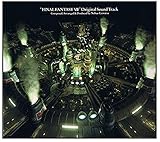
Final Fantasy VII Original Soundtrack | $38.50 | Buy on Amazon |
| 4 |
|
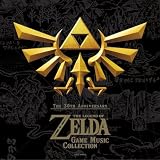
30th Anniversary The Legend of Zelda (Original Soundtrack) | $26.94 | Buy on Amazon |
| 5 |

|
Legend Of Zelda: 30Th Anniversary Concert | $30.17 | Buy on Amazon |
Involve the producer, audio lead, creative director and composer early. Xbox Game Studios describes music supervisors working across those roles, while GameDeveloper stresses that vision, budget and ownership expectations should be communicated clearly. On a small team, one person may hold several titles, but the decisions still need named owners.
Write the creative brief before contacting composers
Keep the brief short enough to read in one sitting, but specific enough that two composers would quote the same job. Include the following:
#1 Best Overall
| Brief section | Decisions to record | Why it matters to the bid |
|---|---|---|
| Game world | Setting, time period, cultures, technology, factions, locations and tone | Sets the palette, instrumentation and research burden |
| Audience | Age range, player expectations, accessibility concerns and territories | Guides intensity, lyrical content, cultural references and localization needs |
| Player experience | Emotions you want during exploration, combat, menus, failure, victory and story scenes | Maps music to moments instead of abstract adjectives |
| Gameplay states | States such as exploration, alert, combat, boss, stealth, pause and results | Reveals whether linear cues or an adaptive system is needed |
| References | A few tracks or scores, with a sentence explaining what to borrow and what to avoid | Prevents a composer from guessing what “cinematic” or “retro” means |
| Scope | Estimated finished minutes, cue count, loop lengths, stems, source files and implementation | Allows comparable pricing and scheduling |
| Platforms | PC, consoles, handhelds, mobile, storefronts and streaming targets | May change file formats, loudness checks and rights territory |
| Schedule | Prototype date, content lock, review windows, launch and post-launch plans | Shows when drafts, approvals and integration must happen |
| Budget | A realistic range and what the range includes | Lets candidates propose a workable scope rather than a misleading per-minute number |
Describe the intended player response in observable terms. “The first night in the settlement should feel safe but temporary” is more useful than “make it atmospheric.” Explain where a cue starts, what can interrupt it, how long it should loop and what the player is doing when it ends.
Separate must-haves from preferences
Mark requirements such as a recurring character theme, a maximum download size, a live choir, or delivery before a demo as non-negotiable. Put stylistic wishes, optional variants and extra stems in a second tier. This gives a composer room to protect the core identity if time or money changes.
Choose original, licensed or hybrid music
These approaches solve different creative and rights problems. Decide before requesting bids so candidates price the same proposition.
Quick wins for a faster PC:
Fix the driver behind crashes, sound loss and screen glitchesFind Drivers →Repair Windows errors before they cause bigger problemsFix Now →Scan for outdated or missing drivers - takes under a minuteDriver Scan →| Approach | Best when | Main advantages | Main risks |
|---|---|---|---|
| Original commission | The score must express a unique world, support recurring themes or react to play | Coherent identity; custom loops, stems and adaptive layers; one rights negotiation for newly created material | More production management; performer, sample and ownership terms still require care |
| Licensed songs or recordings | A recognizable artist or existing recording is central to the concept | Immediate familiarity and a defined performance | Separate permissions for the composition and the specific recording; scope, territory and term can limit use |
| Hybrid | Signature themes need to be custom while lower-priority moments can use existing music | Concentrates budget on identity and reserves flexibility elsewhere | Mixed sonic quality or inconsistent rights if the plan is not coordinated |
Understand the two layers of music rights
A song has an underlying composition (melody, harmony and lyrics) and a particular sound recording. A game may need permission for both. A license that covers in-game use may not cover a trailer, store page, demo, livestream, soundtrack album, sequel or downloadable content. Ask for each use to be listed explicitly, with territory, term, exclusivity and media defined.
Commissioned work also needs clear ownership or license language. “For the game” is not a complete grant. Decide who can exploit a soundtrack album, whether the composer may reuse themes in a portfolio, and what happens if the project is cancelled. For recordings involving performers, samples or multiple territories, use a lawyer familiar with music rights. Xbox Game Studios notes that licensing specialists are crucial because music rights are complex.
Rank #2
- Minecraft Original Soundtrack by C418 CD Volume Alpha
- GHIN85034
- Brand : GHIN85034
Shortlist composers for evidence of fit
Search for evidence that a composer can solve your particular creative and technical problem, not just a polished reel. Listen for relevant genre, instrumentation, emotional range, loop quality and transitions. A beautiful linear track does not prove that its creator can deliver stems, implement parameters or support a changing build.
Review each candidate’s portfolio
- World fit: Does the work communicate a setting or culture without relying on your exact references?
- Audience fit: Can the composer write at the intensity and complexity your players will tolerate for long sessions?
- Interactive fit: Are there convincing loops, layers, stingers, transitions or state changes?
- Production fit: Are mixes clean, dynamic and consistent across headphones, television speakers and small devices?
- Process fit: Can the candidate explain milestones, feedback limits, file delivery and communication?
- Availability: Is the proposed schedule compatible with your prototype, content lock and launch?
Ask for references from projects with comparable scope. Confirm what the composer personally handled: composition only, production, live recording, middleware setup, testing or all of these.
Use one identical test brief
Give finalists the same short cue description and ask for a written proposal. If you commission an audition cue, pay for it and state who owns the test material before work starts. A test should reveal decision-making, not invite unpaid production. Keep the test small enough that you can evaluate it quickly against the game’s world and audience.
Make proposals comparable
Request bids against a shared cue list. Every proposal should state what is included, what is an assumption and what triggers a change order.
| Proposal item | Questions to require an answer |
|---|---|
| Cue inventory | How many cues, variations, stingers and alternate mixes? What is the estimated finished-minute total? |
| Interactive design | Linear files, loops, stems, layers, transition assets or parameter-driven music? Which gameplay states are covered? |
| Production | Who composes, orchestrates, performs, records, edits, mixes and masters? Are live players or vocalists included? |
| Implementation | Who names events, builds transitions, imports assets, integrates with the engine or middleware and tests in a playable build? |
| Revisions | How many review rounds per milestone? What counts as a revision versus a new cue? |
| Schedule | Dates for concept samples, first drafts, approvals, final masters, source files and bug-fix support |
| Rights | Ownership or license, territory, term, exclusivity, soundtrack use, trailers, store media, sequels and downloadable content |
| Price | Separate line items for composition, production, performers, implementation, revisions and rights; identify taxes and payment installments |
Ask candidates to identify dependencies, such as a locked level flow, final dialogue, an available build or approved lyrics. A low bid that assumes perfect inputs may cost more after repeated changes.
Rank #3
- Banda sonora original de Final Fantasy VII
- Compositor: Nobuo Uematsu
Budget by scope, not by a universal per-minute rate
No authoritative current source establishes a universal per-minute soundtrack price. Umberto Pisano identifies four major cost drivers: finished minutes, number of separate cues, whether the music reacts to gameplay and whether implementation is included. Two ten-minute scores can therefore have very different prices.
Free tools Windows power users keep installed
One-click scans. No signup required.
Berklee Online offers a planning example of $5,000–$15,000 for audio on a $100,000 overall game budget (2022). That is an illustrative allocation, not a market rule or a quote for your project. Treat it as a prompt to set a range, then obtain bids against a defined scope.
Request a cost breakdown
- Composition and arrangement
- Sound design or musical editing, if included
- Virtual instruments and sample libraries
- Live performers, choir, studio and union or session fees
- Mixing, mastering and alternate loudness or platform versions
- Interactive stems, transitions and implementation
- Revision rounds and rush work
- Source sessions, stems and project files
- Rights, buyout or license fees
- Post-delivery support and bug fixes
Match payment installments to approvals: for example, a signed start, an approved musical direction, milestone deliveries and final acceptance. Keep a contingency for changed levels, late narrative edits and additional implementation testing.
Reduce scope deliberately when money is tight
Cut complexity rather than asking for the same plan at an unrealistic price. Use fewer, longer cues; a smaller instrument palette; fewer adaptive states; or selected licensed tracks for lower-priority moments. Preserve the themes and gameplay states that carry the game’s identity. Pisano’s practical principle is that a small scope is not the same as an unworthy project: three strong, fitting cues are better than twelve that do not fit.
Decide whether music should be linear or adaptive
| Model | What the player hears | Choose it when | Production implications |
|---|---|---|---|
| Linear | A cue starts, loops or ends on a fixed timeline | Scenes are controlled, gameplay states change rarely, or the budget and schedule are tight | Fewer assets and simpler testing; transitions must still avoid clicks and awkward endings |
| Adaptive layers | Stems enter or leave as intensity, location or state changes | The same area supports different levels of danger or activity | Requires synchronized stems, rules for entrances and exits, and mix testing |
| Adaptive transitions | The system selects transition points or bridge material between states | Exploration, combat and narrative states need seamless movement | Requires transition rules, sync markers, fallback behavior and extensive playtesting |
| Parameter-driven score | Music responds continuously to variables such as threat, speed or health | The game’s emotion depends on gradual rather than binary change | Needs parameter ranges, update rates, priority rules and careful CPU, memory and build testing |
Specify the technical boundary in the brief
Before signing, document event names, state names, parameters, transition rules, loop points, stem formats, sample rates, channel layouts, loudness targets and maximum asset sizes. Name the engine or middleware and state who owns the project session, integration and final testing. If the technology choice is not final, say which assumptions the bid uses.
Do these 3 things before closing this tab:
1Scan for outdated or missing drivers - takes under a minute2Repair Windows errors before they cause bigger problems3Fix the driver behind crashes, sound loss and screen glitchesRank #4
- Import Game - Japanese Version
- Compatible with US systems (region free)
- Japanese language (other languages may be included)
- Manual and packaging in Japanese language
Adaptive music is a technical system. Pisano recommends discussing parameters, transitions and build integration rather than handing over audio and hoping. Make a playable-build test an explicit deliverable, with a defect-reporting process and a defined period for fixing integration bugs.
Plan a practical handoff
- Agree on naming: Use stable names for cues, stems, states, events and versions before importing files.
- Deliver synchronized assets: Provide stems with identical starts, matching sample rates and documented loop and transition points.
- Build the simplest path first: Integrate one representative state change before producing every variation.
- Test in the real build: Check interruption, pause, loading, respawn, scene changes, saved games and rapid state changes.
- Measure platform behavior: Verify memory, CPU, streaming, compression and loudness on every target platform.
- Lock and archive: Store masters, stems, source sessions, metadata and the final implementation project with version numbers.
Put the complete deal in writing
GameDeveloper recommends establishing the audio budget first and addressing ownership, soundtrack exploitation, sequels and other uses in the agreement. Use a contract that turns creative expectations into acceptance criteria.
Creative and delivery terms
- Cue list, estimated finished minutes, loop lengths, stems, alternates and file specifications
- Musical references, intended player response and prohibited elements
- Milestones, review windows, approval authority and revision rounds
- Change-order rates for new cues, rewritten themes, extra states or late direction changes
- Delivery dates, dependencies, cancellation or kill terms and treatment of unfinished work
- Acceptance tests for musical quality, file validity, loops, transitions and build behavior
Money, ownership and future use
- Installments, invoices, expenses, taxes and payment timing
- Whether the developer receives ownership, an exclusive license or a limited license
- Territory, term, exclusivity, platforms and permitted edits
- Explicit rights for the game, trailers, store page, demos, streams, promotional videos and soundtrack release
- Rights for sequels, expansions and downloadable content
- Composer credit, performer permissions, sample clearance and a warranty of originality
- Portfolio use, attribution requirements and restrictions on re-use
Implementation and support terms
- Engine or middleware handoff, event and parameter documentation and integration ownership
- Source files, stems, session files, metadata and archive format
- Playable-build testing, bug-fix window, response times and charges after support ends
- Responsibility for third-party libraries, performers, studios and replacement recordings
Have specialist counsel review agreements involving pre-existing recordings, performers, samples, multiple territories, broad media rights or a buyout. A rights gap discovered after launch can block a trailer, album or platform release even when the in-game files work perfectly.
Independent reader supportYour contribution helps us test, update, and keep practical guides available for everyone.Run production as approval gates
A staged workflow prevents expensive rework and gives the composer useful feedback.
- Kickoff: Confirm the brief, cue inventory, decision makers, technical assumptions, rights goals and payment schedule.
- Musical direction: Review a small set of sketches or a paid test cue. Approve palette, tempo range, instrumentation, mix direction and thematic vocabulary.
- Prototype integration: Put one representative cue or adaptive transition into a playable build. Resolve naming, looping and state-change problems before scaling up.
- First production pass: Deliver cues in milestone groups tied to game areas or states. Review against the written brief, not shifting personal taste.
- Revision window: Consolidate notes through one authorized reviewer. Separate changes that correct the brief from requests that add scope.
- Final production: Complete mixes, masters, stems, alternates, metadata and rights paperwork. Check that performer and sample documents match the delivered files.
- Acceptance: Test every cue in the final or release-candidate build on each platform, record defects, approve fixes and archive the complete package.
Compare proposals with a weighted decision framework
When bids differ, rank them on six axes instead of choosing the lowest total.
Best Value
| Axis | Evidence to examine | Warning sign |
|---|---|---|
| Creative fit | Portfolio, test cue and explanation of how the score serves your world and audience | Generic references or a style that overwhelms gameplay |
| Interactive capability | Examples of loops, layers, transitions and documented implementation work | Only linear tracks and no plan for state changes |
| Scope clarity | Itemized cues, minutes, stems, revisions, source files and acceptance criteria | One per-minute number with undefined deliverables |
| Schedule and communication | Milestones, response times, review windows and availability through launch | Immediate availability but no written production calendar |
| Total cost exposure | Included work, assumptions, change rates, performers, studios and implementation | Low headline price with major exclusions |
| Rights flexibility | Game, trailer, store, soundtrack, sequel, territory, term and performer permissions | “All rights” language that does not name the media or future uses |
Give each axis a score appropriate to your project, then discuss the biggest uncertainty with the leading candidate. The best proposal is the one whose creative result, technical plan, rights and schedule remain credible under the constraints you actually have.
Prevent common commissioning failures
Starting with “What is your rate per minute?”
Why it fails: It hides cue count, interactivity, performers, revisions and implementation. Fix: Send the same brief and request an itemized bid with assumptions.
Choosing from a reel alone
Why it fails: A reel proves taste, not looping, integration, communication or delivery discipline. Fix: Review comparable game work, ask process questions and use a paid, defined test when needed.
The Tool Desk
Outbyte Driver Updater FREEFix the driver behind crashes, sound loss and screen glitchesFind Drivers →Outbyte PC Repair FREERepair Windows errors before they cause bigger problemsFix Now →Leaving rights until after the music is finished
Why it fails: A recording may be usable in the game but not in a trailer or soundtrack album. Fix: List every intended use, territory, term and future project in the contract before recording.
Adding adaptive music late
Why it fails: Layers and transitions affect composition, file structure, engine work and testing. Fix: choose linear or adaptive treatment in the brief and prototype one state change early.
Approving files outside the game
Why it fails: Loops, transitions, ducking, loading and rapid interruptions can fail only in a build. Fix: Make playable-build acceptance and bug support contractual deliverables.
Expanding the cue list without changing the schedule
Why it fails: Extra minutes or states consume composition, production and testing time. Fix: use a written change order that adjusts price, milestones or both.
Recommended Free Tools
A commissioning checklist you can use
- Brief states the world, audience, emotional arc, gameplay states, references, platforms, schedule and budget range.
- Cue list identifies finished minutes, loops, stems, variations and implementation needs.
- Original, licensed or hybrid strategy is chosen, with composition and recording rights mapped separately.
- At least two comparable proposals use the same scope and assumptions.
- Budget separates composition, production, performers, mixing, implementation, revisions and rights.
- Adaptive specifications name events, parameters, transitions, loop points, formats and integration ownership.
- Contract covers milestones, review windows, acceptance, changes, cancellation and payment.
- Contract explicitly grants or licenses game, trailer, store, demo, stream, soundtrack, sequel and downloadable-content uses.
- Performer, sample, originality, credit and portfolio terms are documented.
- Playable-build testing, defect fixes, source files, stems and archive delivery are scheduled.
Bottom line
Commission the smallest soundtrack that fully expresses your game, then make its creative, technical and legal boundaries explicit. A clear brief and comparable bids prevent price confusion; an original, licensed or hybrid decision prevents rights surprises; and early adaptive-music testing prevents an attractive score from failing in play. The result should be judged not only by how a cue sounds on its own, but by how reliably it supports the player, ships in the build and remains usable across every release you intend to make.
Quick Recap
Product prices and availability are accurate as of the date/time indicated and are subject to change. Any price and availability information displayed on Amazon at the time of purchase will apply.

