
PC Slower Than It Used to Be?
A free scan shows the junk files, broken settings and background clutter dragging Windows down - then fixes them in one click.Free scan · Windows 10 & 11Outdated Drivers Are Slowing You Down
One free scan finds every outdated or missing driver and matches the right update for your exact hardware.Free scan · exact hardware matchiTechGuides is reader-supported. When you buy through links on our site, we may earn an affiliate commission. As an Amazon Associate I earn from qualifying purchases. Learn more
Hand-wash a Halo collectible cup with warm water, a little mild dish soap, and a soft microfiber cloth. Keep bleach, abrasive scrubbers, sharp tools, the dishwasher, microwave, and sudden temperature changes away from the cup. Rinse every part thoroughly, let the cup and its removable parts air-dry completely, and store the finish where sunlight, heat, keys, and other hard objects cannot reach it.
Those precautions matter because the printed artwork and painted exterior can wear, scratch, chip, or lift even when the cup itself remains usable. The Halo 25th Anniversary tumbler listing explicitly says “Hand wash only to help preserve the printed artwork,” while Halo Bottle warns that dishwashers can damage a bottle’s outer paint.
What you need before you start
Gather the least aggressive tools that will do the job. A clean microfiber cloth or soft sponge is suitable for both the interior and exterior. Use a small amount of mild dish soap in warm water; more detergent does not clean better and creates more residue to rinse away. If the cup’s own instructions permit it, a soft bottle brush may be used on unprinted interior surfaces only.
Do these 3 things before closing this tab:
1Repair Windows errors before they cause bigger problems2Fix the driver behind crashes, sound loss and screen glitches3Clear out junk files and repair common Windows errors- Warm or lukewarm water, never boiling water.
- A small amount of mild dish soap.
- A soft microfiber cloth or non-abrasive sponge.
- A soft bottle brush for an unprinted interior, only when the maker’s instructions allow one.
- A clean, dry area where the cup can stand upside down with its lid removed.
Do not substitute a scouring pad, steel wool, stiff abrasive brush, knife, scraper, or other sharp object. Do not use bleach or solvent-like cleaners. Abrasion and strong chemicals can dull the surface, scratch a powder-coated finish, or remove sections of the printed design.
#1 Best Overall

- 10x GRIP-ROOT WEAVE - TRAP MORE, WORK LESS: Ultra-absorbent microfiber towels for car Grip Root weave works like PLANT ROOT FOLLICLES, sucking up & LOCKING AWAY 8x to 10x its weight in liquid, particulates, moisture, grime and dirt in far LESS TIME than traditional ‘Heavy Duty’ Cleaning Rags. Each towel features a 2.5mm thick design, providing enhanced durability and better grip during use.
- WON’T LINT, SCRATCH, PILL, SWIRL, SHED, or BLEED like thin, cheaply made microfiber towels for cars. RAPID DRY release layers make these the ideal microfiber towels for cars, creating that spectacular, SWIRL-FREE MIRROR SHINE with our cleaning rags. With a solid 2.5mm thickness, these towels are built to prevent damage while ensuring optimal performance.
- LASTS 1200+ WASHES - That’s 3.27 YEARS worth of use in this 12-pack of COMMERCIAL GRADE 300 GSM Reuseable Cleaning Cloth. The 2.5mm thickness and OVERLOCK BRAIDED STITCHING makes the ideal SUSTAINABLE SOLUTION for cleaning every SURFACE, crack, and CREVICE in your home, garage, or office.
- SOAK IT UP FASTER - 4X’s MORE ABSORBENT than COTTON cloths, these are the microfiber cleaning cloth for cars to get if you want an ALL PURPOSE cleaning towel, crafted with 2.5mm thickness to scoop up your messes, oils, and liquids FASTER than a SPONGE
- UNRIVALED POWER - TEST THIS GRIP-ROOT technology risk-free for 30 full days. With a 2.5mm thick design, it LOCKS AWAY dirt, dust, grime, spills, and messes better than any other high-performance cleaning rags you’ve tried.
Why the artwork needs gentler treatment than an ordinary cup
A collectible cup has two surfaces to protect: the functional vessel and the decorative finish. A mark inside an unprinted area may be merely cosmetic, but rubbing across a graphic can wear its edges or expose a small chip to further damage. Printed artwork can also be affected by repeated friction from rough sponges, metal brushes, utensils, or neighboring objects in storage.
Halo Bottle describes its powder-coated paint as chip-resistant, not chip-proof. That distinction is important: normal handling does not guarantee immunity from a sharp impact or abrasive contact. Treat the cup as a display object with a usable interior rather than as a piece of cookware that can be cleaned with any convenient method.
Complete hand-washing method
Use this sequence after each use, especially when the cup contained a sugary, milky, acidic, or strongly colored drink. Cleaning soon after emptying prevents residue from drying into grooves and reduces the pressure needed near the artwork.
- Empty the cup. Pour out the drink and discard ice or other contents. Do not leave liquid sitting in the cup while you prepare to clean it.
- Remove detachable parts. Take off the lid, straw, gasket, seal, slider, and any other part that the design allows you to remove. Separating the pieces exposes the grooves where residue and moisture collect.
- Rinse with lukewarm water. Let water loosen residue before applying soap. Avoid a sudden hot-to-cold or cold-to-hot change; thermal shock can stress a cup and its finish.
- Prepare mild soapy water. Add a little mild dish soap to warm water. A diluted solution is enough for routine cleaning.
- Clean the interior gently. Wipe the inside with the microfiber cloth or soft sponge. If the manufacturer permits a bottle brush, use a soft one only on an unprinted interior area and keep pressure light.
- Clean the exterior without scrubbing the graphic. Wet the cloth, wring out excess water, and wipe the painted or printed surface with gentle passes. Spend extra time on residue rather than increasing pressure over a logo or illustration.
- Wash the removable parts separately. Clean both sides of the lid, the straw, and every gasket or seal. Work soap into grooves with the soft cloth or a permitted soft brush, not a sharp implement.
- Rinse completely. Run clean water over every piece until no slippery feel or visible suds remain. Soap left in a seal or straw can affect taste and attract residue during storage.
- Air-dry upside down. Place the cup upside down with the lid off so water can drain and air can circulate. Dry the lid, straw, and seals separately rather than trapping moisture inside the assembled cup.
- Reassemble only when fully dry. Check the inside, threads, grooves, and seals. Put the cup back together only after no visible moisture remains.
Canva’s drinkware-care guidance gives the same central instruction: “Hand-wash using a soft sponge or cloth.” Its guidance also recommends warm, soapy water and air-drying upside down.
Rank #2

- Microfiber 16 x 12-inch cleaning cloth (24-pack); ideal for cleaning cars, trucks, boats, and more
- Ultra-soft and non-abrasive car drying towels; will not scratch paints, vinyl, glass, finishes, or other surfaces
- Effectively cleans either dry or with liquid cleaners for streak-free results and a lint-free shine
- Durable and absorbent; soak up 8 times their own weight
- Can be reused hundreds of times
How to remove stains without scratching the design
Start with the least aggressive treatment and repeat it before escalating. Rinse the stain with lukewarm water, apply a small amount of mild dish soap, and hold a damp microfiber cloth against the area briefly to soften residue. Wipe with light pressure, rinse, and inspect the result. Several gentle passes are safer than one forceful scrub.
Stains on the printed exterior
Keep the cloth flat and use short, light strokes. Do not use a textured cleaning pad, powdered abrasive, steel wool, bleach, or a sharp edge to “lift” a mark. If the stain does not release with mild soap, leaving it in place is safer than damaging the artwork while chasing a perfect finish.
Residue inside an unprinted area
Use the same mild soap and soft cloth. A soft bottle brush is an option only if the cup’s own care instructions allow it, and only on an unprinted interior surface. Never force a brush against a printed band, painted illustration, or coating that feels rough or raised.
Free tools Windows power users keep installed
One-click scans. No signup required.
Residue in a lid, straw, or seal
Separate the part, wash it in warm soapy water, and rinse through any channel or groove. Do not poke a seal with a pin, knife, or toothpick. A sharp object can cut the gasket and can scratch a coated surface if it slips.
Rank #3
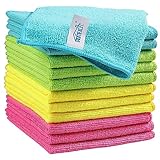
- Effective Streak-Free Cleaning: Clean kitchen countertops, windows, mirrors, bathroom surfaces, stainless steel, car interiors, glass, and other delicate surfaces with just water or your favorite cleaner—these microfiber cloths deliver streak-free, neat results with minimal effort, making daily cleanup fast and simple
- Lint-Free & Scratch-Safe: Soft to the touch and completely lint-free, these cloths won't scratch or damage delicate finishes like glass, ceramic, coated metals, car paint, or polished surfaces—clean with confidence on everything from household appliances to auto trim and electronics screens
- Ultra-Absorbent for Spills, Polishing & Drying: Designed to quickly soak up liquids, grease, and grime, making them ideal for drying dishes, wiping spills, polishing stainless steel, buffing car surfaces, and tackling everyday messes around the house, garage, or workshop—efficient cleaning without extra effort
- Reusable, Washable & Long-lasting: Machine washable and reusable hundreds of times with reinforced edges that hold up wash after wash—a durable replacement for disposable paper towels that cuts down on waste and repeat purchases for families, pet owners, detailers, and busy households
- Versatile Across Home, Auto & Beyond: Equally suited for general household cleaning, interior car detailing, exterior buffing, polishing wheels, wiping down tools, workshop surfaces, electronics, eyeglasses, screens, and more—simply rinse after use or toss in the washing machine; a practical all-around choice for homes, garages, shops, and small businesses
Dishwasher, microwave, and temperature limits
| Method or exposure | Safe practice | Reason |
|---|---|---|
| Dishwasher | Keep the cup out unless its maker explicitly approves dishwasher cleaning. | The Halo tumbler listing specifies hand-wash only, and Halo Bottle says dishwashers can damage the bottle’s outer paint. |
| Microwave | Do not microwave the cup. | The Halo 25th Anniversary tumbler listing says “Do not microwave.” |
| Boiling water | Use warm or lukewarm water instead. | Extreme heat can stress materials and finishes. |
| Rapid temperature change | Let a frozen or very cold cup warm gradually before adding hot liquid. | DS4MD cautions against thermal shock, such as pouring boiling water into a frozen cup. |
| Bleach or harsh chemicals | Use mild dish soap only for routine cleaning. | Bleach and strong cleaners can discolor or attack the finish and are specifically excluded by the tumbler care guidance. |
A dishwasher’s heat, detergent chemistry, water pressure, and contact with racks can all expose the design to more stress than hand-washing. Even if a cup comes out visibly clean, repeated cycles may shorten the life of the print or outer paint. Unless the exact model’s instructions say otherwise, hand-washing is the conservative choice.
Drying and reassembly details that prevent hidden damage
Water trapped under a gasket, inside a straw, or beneath a lid slider can remain after the outside feels dry. Leave each part open and separated while it drains. Drying the cup upside down without the lid follows Halo Bottle’s care guidance and prevents a damp, enclosed interior from sitting in storage.
Do not seal the cup while any component is wet. Moisture trapped between a lid and the rim can leave an odor and keeps residue in contact with the finish. Before reassembly, look at the rim, threads, seal channel, and underside of the lid. If you see a film, rinse again rather than rubbing harder.
How to store a Halo collectible cup
Choose a clean, dry, low-contact location. Keep the cup upright or place it in a padded display area where it cannot roll into another object. Do not stack rough containers, metal accessories, or utensils against the artwork. Keys, buckles, and other hard items can scratch powder-coated paint even when they only touch the cup briefly.
Rank #4

- Unparalleled Cleaning Performance: Our microfiber towels provide outstanding water absorption and adhesion; effortlessly absorb dirt and liquid, delivering exceptional cleaning results that will leave your car looking brand new
- No Scratching: Made from incredibly soft fabric; provides gentle care for your car; delicately wipes surfaces without scratching or damaging the paint, restoring your car's shine
- Super Absorbent: Ideal for drying your car quickly; designed to rapidly soak up water and moisture; perfect for wiping down surfaces and ensuring a streak-free, spotless finish after washing your vehicle
- Versatile Applications: Suitable for various applications; ideal for exterior car care; also effective for household cleaning, such as wiping furniture, kitchen utensils, and glass surfaces
- Easy to Clean and Long-lasting: Designed to withstand repeated use and washing; maintains performance and quality after multiple washes; machine washable and quick-drying for convenient and efficient cleaning
- Keep the cup away from direct sunlight and heat whenever possible.
- Leave clearance around printed panels so neighboring objects cannot rub them.
- Use a clean, soft lining in a display area rather than a rough storage bin.
- Store the cup completely dry, with removable parts dry before assembly or packing.
- Keep metal utensils, keys, and sharp accessories in a separate compartment.
Chip-resistant does not mean chip-proof. A cup that is safe on a shelf can still be damaged when stored loose in a drawer with keys or when wedged tightly beside rough objects. If you transport it, wrap or separate it with a clean soft material that will not shed grit, and prevent movement so the design does not rub against another surface.
Inspecting the finish and responding to damage
Look over the design periodically in good light. Check for lifting edges, hairline cracks, chips, scuffed areas, or a patch that feels raised compared with the surrounding finish. Early inspection helps you change the cleaning method before a loose edge catches on a cloth.
If the design is intact
Continue with normal gentle hand-washing. Keep pressure especially light over the printed sections and avoid introducing a new abrasive tool just because a mark is visible.
The Tool Desk
Outbyte Driver Updater FREEFix the driver behind crashes, sound loss and screen glitchesFind Drivers →Outbyte PC Repair FREEClear out junk files and repair common Windows errorsFree Scan →If a graphic is lifting or cracked
Stop rubbing that area. Rinse gently if necessary, blot or air-dry without dragging a cloth across the damaged spot, and keep the cup away from contact that could catch the edge. Do not apply adhesive, polish, or a solvent unless the cup’s maker provides a specific repair instruction.
Best Value

- Super Absorbent: Experience the excellent quality of AIDEA all-purpose microfiber cleaning cloths; made from premium materials; offering exceptional absorbency and quickly wicking away water to keep you dry; ideal for swiftly and safely removing dirt, grime, and liquids
- Soft & Lint-Free: Our ultra-soft and non-abrasive microfiber towels ensure a scratch-free cleaning experience on surfaces, paint, glass, and coatings; effective in tackling the toughest grease, grime, and dirt; suitable for cleaning kitchens or cars; leaving surfaces shiny and pristine
- Remarkable Durability and Reusability: These microfiber dusting cloths can be washed and reused hundreds of times; resistant to shrinking, falling apart, or losing cleaning power; designed for long-term use
- Easy Care and Use: The shop towels available in five different colors for easy color coding of cleaning tasks; designed with premium fabrics that prevent scratching; ideal for polishing and drying without damaging surfaces; keeps your car shiny and intact
- Versatile: AIDEA cleaning rags are perfect for a variety of tasks; effective with just plain water; suitable for use in kitchens, bathrooms, and for dusting; an essential tool for any cleaning routine
If paint has chipped
Do not try to level the chip with a scraper or abrasive pad. Clean around it with a soft, damp cloth and store the cup so the exposed edge cannot strike another object. A chip-resistant coating can still lose more material when a sharp object catches it.
Independent reader supportYour contribution helps us test, update, and keep practical guides available for everyone.Routine care by use pattern
| Situation | What to do |
|---|---|
| After a normal drink | Empty promptly, hand-wash with warm water and a little mild soap, rinse, and air-dry upside down. |
| After a sugary or milky drink | Separate the lid, straw, and seals and wash each part so residue does not remain in grooves. |
| After a spill on the artwork | Rinse or wipe soon with a damp microfiber cloth and mild soap; avoid scrubbing the graphic. |
| Before long-term display | Clean every part, rinse away all detergent, dry completely, and store away from heat, sunlight, and abrasive objects. |
| Before transport | Make sure the cup is dry and immobilized so the printed surface cannot rub against keys, metal, or rough packaging. |
Common mistakes and safer replacements
- Scrubbing a stubborn mark with a scouring pad: use a soft cloth and repeat mild-soap cleaning instead.
- Using bleach to whiten the interior: stay with mild dish soap; bleach is not recommended for the tumbler’s finish.
- Putting the cup in the dishwasher for convenience: hand-wash it unless the exact maker’s instructions explicitly approve a dishwasher.
- Pouring boiling water into a cold cup: let the cup come toward room temperature and use warm water.
- Reassembling immediately after rinsing: dry the cup, lid, straw, and seals separately before closing them together.
- Using a metal brush or sharp tool in a groove: use a soft cloth or a permitted soft brush and accept that a persistent mark may be safer to leave than to remove aggressively.
- Storing it loose with keys or utensils: give the cup a clean, padded, low-contact space.
When another model’s instructions take priority
“Halo collectible cup” can describe different vessels, finishes, lids, and editions. The Halo 25th Anniversary tumbler listing is a clear example of a hand-wash-only product, but you should still read the care label or manual supplied with your exact cup. If those instructions are more restrictive than this general method, follow the model-specific directions. If they expressly approve a method such as a particular brush or dishwasher cycle, use that approval only for the stated model and conditions.
For an unlabeled or second-hand cup, the safest default is the conservative one: hand-wash, mild soap, soft cloth, no bleach, no abrasives, no microwave, and no sudden temperature changes. Do not infer dishwasher safety from the fact that the cup is made of a durable material; the decorative finish may have a different tolerance.
What’s actually slowing this PC down?
Pick the symptom - the matching free tool is one click away.
What is and is not known about design longevity
Manufacturer and drinkware-care guidance provides handling rules, not a guaranteed number of washes or a measured wear rate. No published figure establishes how many cleaning cycles a Halo collectible-cup design will survive, and no quantified lifespan should be promised. Longevity depends on the specific finish, frequency of use, contact with other objects, temperature exposure, and whether the artwork is already damaged.
The practical goal is therefore to minimize avoidable stress: use soft tools, mild chemistry, moderate water temperature, complete drying, and protected storage. These steps cannot make a print or coating indestructible, but they remove the most common causes of preventable wear.
Quick Recap
Quick checklist
- Empty the cup and remove the lid, straw, gasket, and other detachable parts.
- Rinse with lukewarm water; avoid thermal shock.
- Use a little mild dish soap.
- Wipe with a soft microfiber cloth or non-abrasive sponge.
- Use a soft brush only on an unprinted interior and only when the maker permits it.
- Never use bleach, scouring pads, steel wool, sharp tools, or abrasive cleaners.
- Keep the cup out of the dishwasher unless the exact maker explicitly approves it.
- Do not microwave it.
- Rinse every part until soap residue is gone.
- Air-dry the cup upside down with the lid off, and dry removable parts separately.
- Reassemble only when completely dry.
- Store upright or in a clean padded display area away from sunlight, heat, keys, metal, and rough objects.
- If the design starts lifting, cracking, or chipping, stop rubbing that spot and switch to gentle spot cleaning.
Product prices and availability are accurate as of the date/time indicated and are subject to change. Any price and availability information displayed on Amazon at the time of purchase will apply.

