
The best overall Windows 10 choice is Awesome Miner—but only as management software for a dedicated ASIC. It can discover, configure, monitor, and manage networked Bitcoin miners from a Windows PC. If you need direct command-line control, choose CGMiner or BFGMiner for compatible hardware. If you want the simplest Bitcoin-denominated payout model, NiceHash Miner is easier, but it sells your hashpower through a marketplace instead of directly mining Bitcoin blocks through your own pool account.
Do not install any of these programs expecting a Windows laptop or ordinary gaming GPU to compete with modern Bitcoin mining hardware. Bitcoin mining is dominated by SHA-256 ASICs; the Windows computer usually acts as a controller, monitor, pool client, or marketplace client while the ASIC performs the hashing.
What “Bitcoin mining software on Windows 10” actually means
Modern Bitcoin mining has two separate parts:
- Hashing hardware: A specialized SHA-256 ASIC performs the enormous number of calculations required for Bitcoin mining.
- Control and coordination software: Windows software configures the miner, supplies pool details, monitors hashrate and temperature, or connects the hardware to a marketplace.
Bitcoin’s developer documentation describes mining software as constructing block headers and sending work to dedicated mining hardware. That is why a Windows 10 PC is generally not the device doing the profitable mining. An ordinary CPU or GPU can be useful for learning how mining software works, but it is not a realistic Bitcoin-profitability strategy.
There is one important exception to the usual ASIC arrangement: some older or specialized USB miners can be controlled directly by CGMiner or BFGMiner on Windows. That does not change the economics. Their hashrate is still tiny compared with current Bitcoin ASIC equipment.
Free tools Windows power users keep installed
One-click scans. No signup required.
#1 Best Overall

- COMPACT & PORTABLE MINER: Suitable for mobile phone/laptop mining, There is a chance to win with the bitcoins miner each 10 minutes
- USB BITCOINS MINER: USB solo miner hash rate 75Kh/s; USB-A(USB Port 2.4A)powered, easy to operate; Can be directly connected to computer/laptop/USB HUB/mobile power supply/mobile phone/USB charging socket
- MINI BITCOINS MINER: Equipped with a mini display that can display real-time mining status, hash rate and other information; This design allows users to intuitively understand the operation of the mining machine, making it easy to monitor and adjust the mining strategy
- EFFICIENT & STABLE: Built-in high efficiency ASIC chip, power consumption is 1W, but provides a hash rate of 74KH, suitable for beginners or those who want to experience the mining process; ASIC chips ensure efficient and professional mining
- SUPPORT 2.4G WIFI CONNECTION: The built in 2.4G WiFi module supports wireless connection, allowing users to easily connect the miner to their home network; Remote monitoring and management can be achieved without complicated wiring operations, which greatly enhances the convenience of use
Best Bitcoin mining software for Windows 10 compared
| Software | Best for | Bitcoin-specific role | Windows 10 evidence | Main limitation |
|---|---|---|---|---|
| Awesome Miner | Most users managing one or more networked ASICs | Dashboard, ASIC discovery, pool configuration, monitoring, and optional profit switching | Its official download page explicitly lists 64-bit Windows 10 support | It does not replace the ASIC; features and licensing vary |
| CGMiner | Experienced users who want direct control | Direct pool-mining software for supported ASICs and USB devices | Project documentation includes Windows USB and WinUSB guidance | Command-line setup and hardware support are technical and uneven |
| NiceHash Miner | Beginners who prefer a marketplace and BTC payouts | Sells the computer’s available hashpower through NiceHash | Official Windows downloads and a Windows user guide are available | It is not conventional direct Bitcoin pool mining and includes third-party miner components |
| BFGMiner | Advanced command-line users and specialized or legacy hardware | Pool client with multiple-pool, proxy, and hardware-control workflows | Project materials cover Windows-oriented builds and configuration | Less beginner-friendly and highly hardware-dependent |
| Bitcoin Core | Full-node operators and solo-mining infrastructure | Validates the blockchain and can provide block templates through RPC | Windows 10 is listed among its requirements | It is not a modern standalone ASIC miner |
| Braiins OS | Owners of compatible Bitmain ASIC fleets | ASIC firmware and miner-management layer | It is not Windows mining software; Windows may be used for related installation or management tasks | Compatibility and firmware-flashing risks must be checked carefully |
1. Awesome Miner: best overall Windows management software
Awesome Miner for Windows 10 is the clearest fit when the Windows PC is managing one or more ASIC miners on the same network. Its official requirements explicitly include 64-bit Windows 10, Windows 11, and supported Windows Server editions.
It is best understood as a control panel rather than a replacement for mining hardware. The application can manage and monitor ASIC, GPU, and CPU miners, discover ASICs, configure pools, display hashrate and temperature, use remote agents, estimate profitability, and—where supported—switch between mining options. Those features are useful when a Windows computer is acting as the operator’s dashboard.
Typical Awesome Miner setup
- Confirm the controller: Use a 64-bit Windows 10 installation and preferably a dedicated computer rather than the PC used for banking, sensitive work, or a cryptocurrency wallet.
- Connect the ASIC: Put the Windows computer and miner on the same local network. Most modern ASICs use Ethernet and run their own embedded firmware.
- Find or add the miner: Use ASIC discovery if supported, or add the miner by its local IP address. You may need the miner’s administrator credentials.
- Configure a pool: Enter the pool URL, port, worker name, and password supplied by the pool. Do not copy credentials from an unrelated mining guide.
- Check telemetry: Confirm that hashrate, temperature, fan status, accepted shares, and rejected shares are updating.
- Add remote monitoring only when needed: Remote agents can help manage multiple machines, but do not expose a miner’s administrative interface directly to the public internet.
Awesome Miner is the strongest recommendation for a beginner who already owns networked ASIC hardware and wants a graphical interface. It is not a reason to buy an ASIC without first checking electricity, noise, heat, circuit capacity, firmware support, and local regulations. The vendor’s ASIC getting-started documentation lists support for common families such as Bitmain Antminer, Canaan Avalon, Innosilicon, Goldshell, and MicroBT WhatsMiner, but exact model support should be verified before purchase.
2. CGMiner: best for direct control and technical users
CGMiner is a command-line choice for users who understand pool configuration, miner hardware, Windows drivers, and troubleshooting. It can be appropriate when you want a lightweight direct interface instead of a management dashboard and your particular ASIC or USB miner is supported.
PC Slower Than It Used to Be?
A free scan shows the junk files, broken settings and background clutter dragging Windows down - then fixes them in one click.Free scan · Windows 10 & 11Outdated Drivers Are Slowing You Down
One free scan finds every outdated or missing driver and matches the right update for your exact hardware.Free scan · exact hardware matchA generic pool configuration looks like this:
cgminer.exe -o stratum+tcp://POOL_HOST:PORT -u ACCOUNT.WORKER -p WORKER_PASSWORD
Replace every capitalized placeholder with values from the selected pool. The command is an example format, not a working pool address. A successful session should show submitted work, accepted shares, current hashrate, and device status. A miner showing zero accepted shares is not necessarily profitable merely because the program is running.
CGMiner’s Windows USB requirement
For supported USB ASIC devices, CGMiner’s documentation discusses Windows USB communication and the use of WinUSB drivers configured with tools such as Zadig. This is a hardware-specific requirement. Do not install a generic mining USB driver just because an ASIC is not appearing.
Rank #2

- Bitcoins Miner SOLO LV02 High Efficiency BM1366 ASIC Chip: Consumes 1W of power but offers 78KH Hashrate, making BTC solo miner a ideal for beginners or those who want to experience the mining process; The ASIC chip ensures that mining is done efficiently and professionally, which gives you the chance to earn a full block reward every 10 minutes win 3.125 BTC.
- Compact&Portable mienr: Easy to setup, Packaging box and setup manual are included Lottery Miner. Power Connector USB Type-C ,Can be directly connected to computer/laptop/USB HUB/mobile power supply/mobile phone/USB charging socket. The usb bitcoins miner only mines BTC cryptocurrency.
- Full-color TFT Display Mini Bitcoins Miner: Mini 1.9 inches display that can display real-time mining status, hash rate and other information; This design allows users to intuitively understand the operation of the Bitcoins solo miner, making usb bitcoins miner easy to monitor and adjust the mining strategy.
- Open-Source System Crypto Miner: The built in 2.4G WiFi module supports wireless connection, allowing users to easily connect the nerd miner to their home network; Remote monitoring and management can be achieved without complicated wiring operations, which greatly enhances the convenience of use.
- Cryptocurrency Lottery Miner: effortlessly mines bitcoins through a Mini Lotto Mining Device, The bitcoins miner LV02 is the epitome of simplicity and efficiency in the world of bitcoins mining, With just a USB-C power cable and a touch of luck, You can embark on your mining journey, You need to prepare a USB-C data cable or use the TYPE-C port of your mobile phone to power the Solo Miner LV02 USB Bitcoins Mining Device.
Many current Antminer and other industrial ASICs do not run a CGMiner process hosted by your Windows PC. They run embedded firmware inside the miner, expose a web interface or management API, and perform hashing independently. Windows software can monitor or manage that device over the network. Installing CGMiner on Windows will not automatically take control of every modern ASIC.
Recommended Free Tools
Choose CGMiner when you can identify the exact device support in the project documentation and are comfortable reading logs and fixing driver or pool errors. It is not the best first choice for someone who wants a setup wizard.
3. NiceHash Miner: easiest marketplace-based route
NiceHash Miner is easier to explain as a hashpower marketplace client than as a conventional Bitcoin miner. The software uses available hardware, connects it to the NiceHash marketplace, and pays the user in Bitcoin for hashpower rented by buyers.
That distinction matters:
- With direct pool mining, your miner contributes work to a selected Bitcoin pool and receives a share of that pool’s results.
- With NiceHash, the marketplace determines how buyers use the contributed hashpower, while the seller receives BTC according to the marketplace’s rules and current demand.
This can be convenient for users who do not want to choose a conventional Bitcoin pool, but it does not make a laptop competitive with an ASIC. On a general-purpose PC, the software may use algorithms and third-party miners that are appropriate for the available hardware rather than directly mining Bitcoin’s SHA-256 chain.
Download it only from the official NiceHash download center. NiceHash’s guide also warns that the product includes third-party miner components and cannot guarantee every line of third-party code. That is a meaningful security caveat, especially on a Windows machine used for other purposes.
4. BFGMiner: an advanced command-line alternative
BFGMiner is another command-line option for technically proficient users. Its project materials cover pool URLs, usernames, passwords, multiple pools, proxy support, and ASIC- or FPGA-oriented workflows.
BFGMiner makes sense when you have a specific supported device, need a scriptable configuration, or are maintaining an older or specialized mining setup. It is not a universal “best miner” for every Windows computer. Hardware support, available Windows builds, drivers, and firmware behavior can vary significantly.
Rank #3
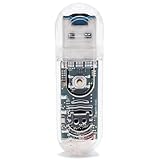
- The LotteryMiner 03 bitcoins Miner is a powerful USB crypto miner with a hash rate of 250KH/s using the latest SHA-256 Asic Chip, ideal for solo mining BTC and other cryptocurrencies.
- Enjoy efficient mining with low power consumption at just 1W, allowing you to mine bitcoins seamlessly without a significant impact on your energy bill.
- Stay connected effortlessly with the built-in 2.4G WiFi feature, ensuring easy setup and ongoing connectivity for your mining operations.
- This cryptp Miner 03 comes equipped with a convenient mini display, providing real-time updates and monitoring of your mining activities, simple to use even for beginners.
- Get a chance to win bitcoins with the Lottery Miner 03's built-in lottery feature, making your mining experience not only profitable but also exciting and rewarding. Boost your mining setup with this compact and reliable USB ASIC miner for a seamless crypto mining experience.
As with CGMiner, distinguish a USB device controlled directly by Windows from a modern networked ASIC that runs its own firmware. For the latter, BFGMiner may not be the correct local hashing program at all; a management application or the manufacturer’s firmware interface may be more appropriate.
5. Bitcoin Core: useful infrastructure, not a standalone miner
Bitcoin Core is important Bitcoin infrastructure, but it is not the right answer if your goal is simply to install a miner on a Windows laptop.
The Tool Desk
Outbyte PC Repair FREEClear out junk files and repair common Windows errorsFree Scan →Outbyte Driver Updater FREEFix the driver behind crashes, sound loss and screen glitchesFind Drivers →Bitcoin Core downloads and validates the blockchain, operates a full node, and provides RPC interfaces. In a solo-mining design, software can use Bitcoin Core’s getblocktemplate RPC to obtain the information needed to construct work. The actual SHA-256 hashing still needs to be performed by dedicated ASIC hardware.
Running Bitcoin Core can be worthwhile if you want your own validating node, want to improve your privacy when interacting with Bitcoin, or are building specialized solo-mining infrastructure. It will not turn the processor in a Windows 10 PC into a competitive Bitcoin miner. Bitcoin Core’s Windows 10 compatibility also does not remove Windows 10’s operating-system security problem.
6. Braiins OS: relevant firmware for compatible ASICs
Braiins OS firmware belongs in an advanced section because it runs on supported ASIC hardware rather than on Windows as an ordinary desktop mining application. Its official page lists numerous Bitmain Antminer models and describes the firmware as compatible with different pool and management software.
Firmware can change how an ASIC manages performance, power, temperature, and pool communication. However, flashing firmware is not the same as installing Windows software. Before proceeding, confirm the exact ASIC model, board revision, firmware compatibility, warranty terms, recovery procedure, and whether the change is permitted by the seller or manufacturer.
What’s actually slowing this PC down?
Pick the symptom - the matching free tool is one click away.
Braiins’ documentation also distinguishes its BOSminer software from CGMiner. Do not assume that a firmware product and a Windows CGMiner installation are interchangeable simply because both contain a miner component.
Rank #4
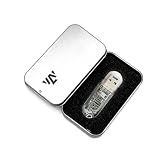
- High efficiency ASIC Chip: Our LV03 bitcoins Miner is a powerful USB crypto miner with a hash rate of 250KH/s using the latest SHA-256 Asic Chip, ideal for solo mining BTC and other cryptocurrencies.
- Easy to Operate: Our home little miner Can be directly connected to computer/laptop/USB HUB/mobile power supply/mobile phone/USB charging socket. Plug in, set up WiFi, and start solo mining (no complex config). It is an ideal choice for beginners to get started or to experience the mining process.
- Crypto Miner Built in 2.4G WiFi: The built in 2.4G WiFi module supports wireless connection, allowing users to easily connect the miner to their home network; Remote monitoring and management can be achieved without complicated wiring operations, which greatly enhances the convenience of use.
- Low Power Solo Miner: Enjoy efficient mining with low power consumption at just 1W, allowing you to mine bitcoins seamlessly without a significant impact on your energy bill.
- Mini Bitcoins Miner Design: Equipped with a mini display that can display real-time mining status, hash rate and other information. This design allowing for intuitive monitoring of the equipment's operation and easy adjustment of the mining strategy.
Which option should you choose?
| Your situation | Best starting point | Why |
|---|---|---|
| You have one or more Ethernet-connected ASICs and want a Windows dashboard | Awesome Miner | It focuses on discovery, configuration, monitoring, and fleet management. |
| You understand command-line tools and have a specifically supported device | CGMiner or BFGMiner | Both provide more direct, scriptable control, but require technical setup. |
| You want BTC payouts without selecting and operating a conventional pool | NiceHash Miner | It uses a marketplace model, although its economics and software risk differ from pool mining. |
| You want to run a validating node or build solo-mining infrastructure | Bitcoin Core plus compatible ASIC software | Bitcoin Core supplies node and RPC infrastructure; it does not perform competitive hashing by itself. |
| You own a supported Bitmain ASIC and are evaluating firmware | Braiins OS, after compatibility checks | It is an ASIC firmware decision, not a general Windows miner choice. |
| You only have a laptop or ordinary gaming PC | Do not buy mining software for profitability | The hardware is not competitive with Bitcoin ASICs, and software cannot overcome that difference. |
Hardware you need before installing mining software
If you are starting from zero, the software is not the main purchase. You need a model-specific Bitcoin ASIC miner or other dedicated SHA-256 mining hardware, a suitable power supply, reliable network connectivity, and a way to remove substantial heat.
After selecting a specific ASIC, check the manufacturer’s electrical and connection requirements before buying accessories. Your checklist may include an ASIC miner power supply, Ethernet cable, and cooling accessories, but generic parts are not automatically compatible with every model. Verify voltage, connector type, amperage, cable rating, outlet capacity, ambient temperature, and noise tolerance.
A modern ASIC can draw far more power than a desktop PC and may run continuously. Calculate electricity first:
daily electricity cost = (watts ÷ 1,000) × 24 × electricity price per kWh
For example, a hypothetical 3,000-watt miner at $0.15 per kWh would use approximately $10.80 of electricity per day before pool fees, hardware cost, cooling, maintenance, downtime, or taxes. That is only an electricity example—not a profitability estimate. Actual mining revenue depends on the ASIC’s hashrate and efficiency, Bitcoin’s network difficulty, the block subsidy and transaction fees, pool fees, uptime, and the BTC exchange rate.
Pool mining versus solo mining
For most small operators, pooled mining is the practical operating model. A pool combines work from many miners and distributes rewards according to contributed shares. That produces more frequent and predictable payouts than waiting alone for a block, although it does not guarantee profit.
Solo mining gives the operator the full block reward if the miner finds a block, but the probability of finding one is highly variable. A miner can run for a long time without a reward even when the ASIC is working correctly. A Bitcoin mining pool is therefore usually the better starting point for a small ASIC. Readers who specifically want a decentralized approach can investigate P2Pool, but should check its current documentation and operational requirements.
Do these 3 things before closing this tab:
1Repair Windows errors before they cause bigger problems2Scan for outdated or missing drivers - takes under a minute3Clear out junk files and repair common Windows errorsNeither a pool nor software can compensate for insufficient hashrate. Pool dashboards show accepted shares and estimated payouts; they do not change the underlying odds or electricity cost.
Independent reader supportYour contribution helps us test, update, and keep practical guides available for everyone.Windows 10 security and download checklist
Windows 10 reached end of support on October 14, 2025, according to Microsoft’s lifecycle notice. A mining application can still list Windows 10 as compatible, but compatibility is not the same as receiving ongoing security fixes. If the controller can be upgraded to a supported Windows release, that is preferable.
Best Value

- 【Low-Cost Bitcoin Miner】Experience the thrill of Bitcoin Solo “Lottery” mining at an extremely low entry cost. Powered by a deeply optimized ESP32-S3 chip with a hash rate up to 387.5KH/s, it continuously buys you a “ticket of hope”.
- 【Unique USB Chain Design】Multiple crypto miner can be easily daisy-chained via USB-A interfaces, requiring only one power supply. Build a clean and efficient “BTC Lottery Device Chain” for combined hashing power and centralized management.
- 【Dual-Mode Mining & Real-Time Monitoring】Switch between bitcoin solo miner mode or a desktop clock mode (mining runs in background) with one click. The built-in high-precision USB tester monitors device power consumption (5-20V/0-6A), offering both utility and fun.
- 【Open-Source & Plug-and-Play】The bitcoin lottery miner is easy setup with the official Web Flash Tool—just configure Wi-Fi and your Bitcoin address via a browser. Also compatible with Arduino/Platform.io, making it a versatile ESP32 development board for hobbyists.
- 【Low Power & Cluster Management】Optimized for energy efficiency. Use the free NMController software (Windows/Mac) to easily manage and monitor multiple nerdminer within your local network.
If Windows 10 must remain in use, treat the controller as a higher-risk, dedicated appliance:
- Download Awesome Miner, CGMiner, BFGMiner, NiceHash, firmware, and drivers only from the official project page or a verified project repository.
- Use a unique administrator password for each ASIC and a strong password on the Windows account. Enable two-factor authentication on pool, marketplace, exchange, and email accounts where available.
- Keep the controller on a separate network or VLAN when practical. Never forward the ASIC’s web administration port directly to the internet.
- Do not store large wallet balances on the mining controller. A dedicated hardware wallet or separate wallet device reduces the consequences of a compromised Windows machine.
- Verify published checksums or digital signatures when the project provides them. Be especially cautious with unofficial preconfigured miner bundles and “cracked” management software.
- Do not disable Windows security protections globally. Legitimate miners are sometimes flagged because their behavior resembles cryptomining malware, but a warning is not proof that a downloaded file is safe.
NiceHash documents cases where Windows Defender removes miner components, and Awesome Miner explains why antivirus products may flag mining-related software. The safe response is to confirm the download source and file integrity first. Never create a blanket antivirus exclusion for an unverified executable.
Quick wins for a faster PC:
Repair Windows errors before they cause bigger problemsFix Now →Fix the driver behind crashes, sound loss and screen glitchesFind Drivers →Installation workflow that avoids the most common mistakes
- Identify the exact hardware: Record the ASIC model, firmware version, connection method, power requirements, and management IP address.
- Choose the software category: Use Awesome Miner for Windows-based management, CGMiner or BFGMiner for supported direct-control hardware, NiceHash for the marketplace model, and Bitcoin Core only when you need node infrastructure.
- Prepare the network: Use wired Ethernet for the ASIC where possible. Reserve or document its IP address so the management application can find it after a reboot.
- Create pool or marketplace credentials: Use the current instructions from the selected service. A worker name is not necessarily the same as an account username.
- Install from an official source: Check the Windows architecture, release notes, checksums, and driver requirements before running the installer.
- Configure conservatively: Start with the manufacturer’s recommended frequency, voltage, fan, and temperature settings. Avoid overclocking until you understand thermal, warranty, and electrical consequences.
- Watch the first hour: Confirm that the ASIC is hashing, temperatures are stable, fans behave normally, and shares are being accepted. Compare the local hashrate with the pool’s delayed dashboard rather than expecting identical instant readings.
- Record recovery details: Save the ASIC’s original firmware information, pool configuration, IP address, and backup procedure before changing firmware or applying aggressive tuning.
Troubleshooting guide
The ASIC does not appear in Awesome Miner
- Confirm that the PC and ASIC are on the same network and that the miner has a link light and an IP address.
- Open the ASIC’s local web interface directly by IP address. If that fails, troubleshoot Ethernet, DHCP, VLAN, firewall, or power before changing mining software.
- Try adding the miner manually by IP address instead of relying on discovery.
- Confirm the ASIC model, web credentials, firmware compatibility, and the management protocol supported by the software.
- Do not install Zadig or a WinUSB driver for a network-connected ASIC unless the device’s documentation specifically requires it.
CGMiner or BFGMiner cannot see a USB device
- Confirm that the device is actually supported by the project and is not designed to run its own embedded firmware.
- Check the data cable, powered USB hub, Windows Device Manager, and the correct WinUSB driver procedure.
- Install only the driver required for that specific device. An incorrect driver can make other USB hardware stop working.
- Run the miner from a command prompt so you can read initialization and driver errors instead of closing the window immediately.
The miner runs but shares are rejected or stale
- Recheck the pool hostname, port, worker name, and password.
- Check Windows and ASIC time synchronization; significant clock errors can contribute to stale work.
- Use a pool server geographically close to the miner when available and avoid unstable Wi-Fi.
- Look for overheating, unstable power, aggressive overclocking, or outdated firmware.
- Compare the rejected-share rate shown by the miner with the pool dashboard. A temporary discrepancy can occur because the interfaces update at different times.
Antivirus removes the miner
Stop and verify the file before restoring it. Confirm that it came from the official project page, compare its checksum or signature if available, and inspect the exact detection name. If the source cannot be verified, delete it. If it is verified, use the narrowest possible exception on a dedicated controller rather than disabling Defender or other protection for the entire computer.
Hashrate is zero or unexpectedly low
First determine whether the problem is the Windows display or the ASIC itself. Check the ASIC’s own web interface, power supply, fan status, temperature, firmware, and local hashrate. A management dashboard cannot create missing hashrate, and restarting the Windows application will not fix a failed hash board or inadequate power circuit.
Bottom-line recommendations
- Choose Awesome Miner if you want the best Windows 10 dashboard for one or more networked ASICs.
- Choose CGMiner or BFGMiner if you are technically experienced and have hardware that their documentation explicitly supports.
- Choose NiceHash Miner if you prefer a marketplace that pays in BTC and accept that it is not the same as direct Bitcoin pool mining.
- Use Bitcoin Core when you want a full node or solo-mining infrastructure—not as a substitute for an ASIC.
- Consider Braiins OS only as a model-specific ASIC firmware decision, with compatibility and recovery checks completed first.
- Do not buy mining software to make a Windows laptop or ordinary GPU profitable at Bitcoin mining. Hardware efficiency, electricity cost, and network conditions matter more than the Windows application.
Frequently Asked Questions
Can I mine Bitcoin on a Windows 10 laptop?
You can run mining software for educational purposes, but a laptop’s CPU or GPU is not competitive with modern SHA-256 ASICs. It may consume electricity, generate heat, and shorten hardware life without producing meaningful profit.
Is Awesome Miner a Bitcoin miner by itself?
No. Awesome Miner is primarily management and monitoring software. It can configure and monitor compatible ASICs, but the ASIC performs the hashing. Installing Awesome Miner without dedicated mining hardware does not create competitive Bitcoin hashrate.
Is NiceHash the same as joining a Bitcoin mining pool?
No. NiceHash is a hashpower marketplace. Users generally sell available hashpower and receive BTC, while direct pool mining contributes work to a selected pool’s mining operation. The payout model, supported algorithms, and risks are different.
Do I need Bitcoin Core to mine Bitcoin?
No. Most pooled ASIC miners do not need to run their own Bitcoin Core node. Bitcoin Core is useful for validating the blockchain and can provide RPC infrastructure for specialized solo-mining setups, but it does not replace ASIC hardware or a suitable miner controller.
Why does Windows Defender flag mining software?
Mining programs can resemble cryptojacking malware because they deliberately use substantial computing resources. A warning still requires investigation: download only from official sources, verify checksums or signatures when available, and never disable security protections globally.
The Bottom Line
For most Windows 10 users who already own a networked ASIC, Awesome Miner is the best starting point. Advanced operators can use CGMiner or BFGMiner for compatible hardware, while NiceHash Miner suits a marketplace-based BTC payout model. Bitcoin Core is node infrastructure, and Braiins OS is ASIC firmware—not a shortcut to profitable laptop mining. Before buying anything, calculate electricity cost and confirm the exact ASIC, firmware, power, cooling, and Windows security requirements.
Quick Recap
Product prices and availability are accurate as of the date/time indicated and are subject to change. Any price and availability information displayed on Amazon at the time of purchase will apply.

