
The best to-do list, task list, and checklist app for Android depends on your workflow: choose Todoist for the best overall balance, Google Tasks or Microsoft To Do for free ecosystem-native simplicity, TickTick for advanced planning and focus tools, and Any.do for shared household lists. No single app is best for everyone.
A basic checklist is enough for groceries or errands. A full task manager becomes worthwhile when you need recurring reminders, projects, subtasks, priorities, calendar planning, synchronization, or shared assignments. The recommendations below are based on feature fit and official product information, not undocumented hands-on testing. Prices and plan details are a U.S.-oriented snapshot checked around August 16, 2026; prices can vary by country, tax, account, billing channel, and app version.
Key takeaways
- Todoist is the best overall Android task manager for most people who want quick capture, projects, subtasks, filters, reminders, integrations, and room to grow.
- Google Tasks is the simplest free choice for Gmail and Google Calendar users, while Microsoft To Do is the strongest free choice for Outlook and Microsoft 365 users.
- TickTick is the broadest power-user option because tasks, calendar planning, habits, Pomodoro, and advanced reminders can live in one app.
- Any.do is the most natural household choice when shared grocery lists, family spaces, daily planning, and calendar features matter.
- Todoist, TickTick, and Any.do all place important advanced features behind paid plans, so “free” does not mean “fully featured.”
Quick picks: which Android task app should you choose?
| App | Best for | Why choose it | Main limitation |
|---|---|---|---|
| Todoist | Most individual users | Best balance of fast capture, organization, reminders, integrations, and cross-platform support | The free plan is limited to five personal projects and three filter views; several advanced reminder and planning features are paid |
| TickTick | Power users | Combines tasks with calendar planning, habits, Pomodoro, and advanced reminders | More complicated than a straightforward checklist, and many differentiating features require Premium |
| Microsoft To Do | Outlook and Microsoft 365 users | Free personal task management with My Day, lists, recurring tasks, reminders, steps, notes, and Outlook synchronization | Fewer advanced views, filters, habit tools, and focus features |
| Google Tasks | Gmail and Google Calendar users | Free, simple, and tightly connected to Google Calendar | Less capable for advanced organization, dashboards, and collaboration |
| Any.do | Families, couples, and calendar-centric planners | Shared projects, grocery lists, family spaces, reminders, calendar, and daily planning | Recurring tasks, location reminders, tags, and several other features require Premium |
| Notion | Tasks alongside notes and databases | Highly customizable workspace for documents, project records, databases, and tasks | More setup and slower capture than a dedicated task manager |
| Trello | Visual project boards | Cards and columns work well for workflows such as To do, Doing, and Done | Cumbersome for ordinary reminders, errands, and recurring personal tasks |
Do you need a task manager or only a checklist?
A checklist is best when the list is short, temporary, and mostly unordered. A task manager is better when an item has a date, reminder, recurrence rule, priority, project, owner, or dependency.
| Type of tool | What it handles | Good example | Better Android choices |
|---|---|---|---|
| Basic checklist | Groceries, packing, errands, and short lists | “Buy milk, bread, and batteries” | Google Tasks or Microsoft To Do; Google Keep can work when the list is primarily a note |
| Task manager | Dates, reminders, recurrence, priorities, projects, subtasks, and synchronization | “Pay rent on the first business day every month” | Todoist, TickTick, Microsoft To Do, or Google Tasks |
| Planner | Tasks combined with daily scheduling and calendar time-blocking | Assigning specific work to available blocks on Tuesday | TickTick, Any.do, or Todoist with its paid calendar features |
| Project manager | Assignments, statuses, dependencies, permissions, activity history, and reporting | A team project with owners and approval stages | Trello for visual, lightweight workflows; a fuller project platform may be needed for complex projects |
| Workspace | Tasks embedded in notes, documents, databases, and knowledge management | Meeting notes linked to a project database and action items | Notion |
Do not choose Notion or Trello merely because both can contain tasks. A person who wants to remember milk needs low-friction capture, not a database or board. Conversely, someone managing recurring work, multiple projects, and deadlines will probably outgrow a basic notes checklist.
#1 Best Overall

- Super Magnetic Attraction: Powerful built-in magnets, easier place-and-go wireless charging and compatible with MagSafe
- Compatibility: Only compatible with iPhone 13/14; precise cutouts for easy access to all ports, buttons, sensors and cameras, soft and sensitive buttons with good response, are easy to press
- Matte Translucent Back: Features a flexible TPU frame and a matte coating on the hard PC back to provide you with a premium touch and excellent grip, while the entire matte back coating perfectly blocks smudges, fingerprints and even scratches
- Shock Protection: Passing military drop tests up to 10 feet, your device is effectively protected from violent impacts and drops
- Check your phone model: Before you order, please confirm your phone model to find out which product is right for you
How do the main Android to-do apps compare?
The table distinguishes calendar display, task synchronization, and time-blocking rather than treating every calendar reference as the same feature. Feature availability can change with plan, platform, account type, or app version.
| App | Android app | Free tier | Recurring tasks | Subtasks or checklist items | Reminders | Calendar capability | Widgets or Android extras | Sharing | Cross-platform access | Habits or Pomodoro | Best for | Main limitation | Paid price snapshot |
|---|---|---|---|---|---|---|---|---|---|---|---|---|---|
| Todoist | Yes | Five personal projects, Smart Quick Add, reminders, list and board layouts, three filters, integrations, and limited Ramble voice sessions | Recurring due dates are paid according to the plan comparison | Subtasks supported | Basic reminders are included; custom, time-based, and location reminders are paid according to the plan comparison | Paid calendar layout and task duration; not equivalent to full two-way calendar time-blocking | Android support and quick capture; exact widget behavior can vary by version | Shared projects and assignments | Strong cross-platform support | No built-in habits or Pomodoro focus on the cited plan summary | Structured personal projects and small-team work | Free limits become restrictive as projects and filters grow | US$7/month or US$60/year for Pro in the billing FAQ; the pricing page also displayed US$5/month billed yearly, so verify the checkout price |
| TickTick | Yes | Usable free version, with major differentiators reserved for Premium | Strong candidate for complex routines; exact free and Premium boundaries should be checked in the app | Premium checklist-item reminders | Advanced reminder support; checklist-item reminders are highlighted as Premium | Calendar planning and calendar widgets are Premium features on the cited upgrade page | Premium Android Quick Ball and calendar widgets | Sharing is available, but the appropriate plan depends on the collaboration requirement | Cross-platform productivity app | Habits and Pomodoro tools, including estimated Pomodoros, are central differentiators | All-in-one productivity systems | Feature breadth creates more setup and maintenance | US$35.99 annual promotional price displayed, reduced from US$49.99; promotion may change |
| Microsoft To Do | Yes; Microsoft lists Android 7.0 as the minimum | Free for personal Microsoft accounts; many Microsoft 365 environments include it | Repeating due dates supported | Steps supported inside tasks | Reminders supported | Tasks integrate automatically with Outlook Tasks; this is not the same as full time-blocking | Android compatibility is documented; widget and manufacturer behavior can vary | Shared lists | Microsoft ecosystem and supported platforms | No comparable built-in habit or Pomodoro focus system in the cited product information | Outlook and Microsoft 365 users | Organizational accounts may need the correct Exchange Online and Microsoft 365 licensing | Free personal product; enterprise access depends on account and licensing |
| Google Tasks | Yes | Free with a Google account; up to 100,000 tasks across all lists and 20,000 uncompleted tasks per list according to Google | Repeating tasks supported | Subtasks supported | Dates and times can be assigned; Android notification behavior still depends on system permissions | Dated tasks appear in Google Calendar; this is calendar display rather than full project time-blocking | Android app; use depends on the current Google app experience | Not a strong shared-project tool | Google ecosystem | No built-in habit or Pomodoro system in the cited product information | Simple personal lists for Google users | Few advanced filters, tags, dashboards, and collaboration features | Free with a Google account |
| Any.do | Yes | Tasks, lists, reminders, calendar, daily planner, and device synchronization | Premium | Tasks and lists; richer household workflows depend on plan | Premium location reminders and WhatsApp reminders | Calendar and daily planner; do not assume two-way synchronization without checking the current plan | Android and Wear OS availability are listed by Any.do | Family space, shared grocery list, shared projects, and team plans | Android, iPhone, iPad, Mac, web, Windows, browsers, Wear OS, and other listed platforms | No equivalent habit/Pomodoro focus bundle identified in the cited product information | Household planning and shared lists | Pricing and feature availability can differ between web and Google Play | Premium US$4.99/month billed annually or US$7.99 monthly; Family US$8.33/month for four billed annually or US$9.99 monthly |
Why is Todoist the best overall choice for many Android users?
Todoist is the best overall editorial pick when the goal is a conventional task manager that starts quickly but can scale into projects, subtasks, priorities, labels, filters, board views, integrations, and small-team collaboration. The balance is more important than any single feature: Google Tasks is simpler, TickTick is broader, and Microsoft To Do is more natural inside Outlook.
Todoist supports natural-language quick capture, so a task can be entered with scheduling information during capture rather than configured through several screens. Todoist also supports list and board layouts, projects, subtasks, priorities, labels, filters, and a large integration ecosystem. Todoist’s paid plan adds calendar layout and task duration, which are useful for planning work rather than merely recording it. The official Todoist pricing page should be checked immediately before subscribing because plan labels and included features can change.
Todoist’s free Beginner plan is not a complete power-user plan. The official plan information limits free users to five personal projects and three filter views, while recurring due dates, labels, custom reminders, calendar layout, task duration, and broader reporting are paid features. Todoist Pro is listed as US$7 per month or US$60 per year in the billing FAQ, but the pricing page displayed US$5 per month billed yearly in the research snapshot. Treat the two displayed figures as a reason to verify the final billing screen, not as interchangeable prices.
Quick wins for a faster PC:
Scan for outdated or missing drivers - takes under a minuteDriver Scan →Clear out junk files and repair common Windows errorsFree Scan →Choose Todoist if: you want one polished system for personal projects, recurring work, quick capture, and integrations. Skip Todoist if: you only need a free Google or Microsoft checklist and do not need labels, filters, or richer project structure.
Is TickTick the best Android app for power users?
TickTick is the strongest fit for users who want tasks, calendar planning, habits, Pomodoro focus tools, and advanced reminders in one productivity system. TickTick is more feature-heavy than Google Tasks or Microsoft To Do, but that breadth is precisely why power users may prefer it.
The official TickTick Premium page highlights checklist-item reminders, calendar widgets, estimated Pomodoros, additional themes, white noise, and the Android Quick Ball as Premium features or benefits. Those Android-specific features matter if quick capture from the home screen or a floating shortcut is central to your workflow. TickTick is also a strong candidate for routines where a recurring task needs more than a simple weekly repeat.
The upgrade page displayed US$35.99 for an annual promotion, reduced from US$49.99. The displayed promotional price is not a permanent price guarantee. Check the current offer, billing period, and Google Play or web checkout before subscribing.
What’s actually slowing this PC down?
Pick the symptom - the matching free tool is one click away.
Choose TickTick if: habits, focus sessions, calendar planning, and tasks belong in one app. Skip TickTick if: you want to open an app and immediately write a short list without configuring a broader productivity system.
Are Microsoft To Do and Google Tasks genuinely free?
Microsoft To Do and Google Tasks are the most credible free starting points for personal Android task management, but their value comes from simplicity and ecosystem integration rather than a large collection of advanced productivity features.
Microsoft To Do: the free Outlook-centered choice
Microsoft To Do is free for personal Microsoft accounts and includes My Day, additional lists, due dates, reminders, recurring tasks, steps, notes, and Outlook task integration. Microsoft describes unlimited additional lists in its product information. Tasks are stored through Exchange Online and integrate automatically with Outlook Tasks. The Microsoft To Do overview explains the product’s core model, while the Microsoft system-requirements page lists Android OS 7.0 as the minimum Android requirement.
Microsoft To Do is the logical first installation for someone whose work already lives in Outlook. My Day provides a focused daily list without requiring a separate planning methodology. The limitation is depth: users who need flexible filters, complex project structures, habit tracking, or a built-in focus timer will likely want Todoist or TickTick.
Do these 3 things before closing this tab:
1Repair Windows errors before they cause bigger problems2Scan for outdated or missing drivers - takes under a minute3Clear out junk files and repair common Windows errorsRank #2

- Compatibility: This case Fit for iPhone 15 (6.1 inch, Released in 2023), iPhone 14 (6.1 inch, Released in 2022), iPhone 13 (6.1 inch, Released in 2021). Please confirm your phone moderl before purchasing
- Strong Magnetic Charging: This iPhone 15 Case has built with 38 super-strong N52 magnets, delivering 2400 gf magnetic attraction—over 7× stronger than standard cases. Ensures a secure, stable connection to Magnetic chargers, power banks, car mounts, and wireless charging stands. Perfectly aligned for fast, stable charging every time
- Tempered Glass Screen Protector: This iPhone 14 Case includes 1× premium tempered glass screen protector that preserves original touch sensitivity and HD clarity. Offers reliable scratch and drop defense for your Screen, without compromising responsiveness or display quality
- Translucent Matte Back: This iPhone 13 Case crafted from high-quality matte TPU and translucent PC, this case reveals the phone logo with an elegant, refined finish. The frosted texture delivers a comfortable, non-slip grip, while the nano antioxidant layer effectively resists stains, sweat, and minor scratches—keeping your case clean and clear longer
- 14FT Military Grade Drop Protection: Phone Case iPhone 15/14/13 has rigid polycarbonate backplate paired with flexible, shock-absorbing TPU bumpers around the edges, plus 4 built-in corner air bags. Provides comprehensive protection against accidental drops, bumps, and impacts
Work and school accounts require extra care. Microsoft documents account and licensing prerequisites, and a corporate Microsoft account does not automatically guarantee complete To Do functionality. Use the Microsoft setup and synchronization guidance if tasks do not appear across Outlook and Android.
Google Tasks: the free Gmail and Calendar choice
Google Tasks is free with a Google account and supports task details, dates and times, deadlines, repeating tasks, and subtasks. Dated tasks appear in Google Calendar, making Google Tasks a low-friction choice for people already working in Gmail and Calendar. Google documents a capacity of up to 100,000 tasks across all lists and 20,000 uncompleted tasks per list in its Android Google Tasks help.
Google Tasks is intentionally less sophisticated than Todoist or TickTick. Google Tasks is not a substitute for advanced labels, filters, project dashboards, habit tracking, or team collaboration. Google Tasks should also be distinguished from Google Keep: Keep is primarily a notes app with checklists, while Tasks is the more appropriate Google product for dated and recurring actions.
Google Tasks places dated tasks in Google Calendar, but that does not automatically provide full time-blocking, dependency management, or two-way project planning. Choose Google Tasks when low friction matters more than a large organizational system.
Is Any.do best for families and shared grocery lists?
Any.do is the strongest shortlist candidate for families, couples, and households that need shared grocery lists, shared projects, reminders, and calendar-oriented daily planning. Any.do’s Family plan includes up to four members, a shared family space, a shared grocery list, and shared projects according to the vendor’s plan information.
The free Personal plan includes tasks and lists, reminders, a calendar, a daily planner, and synchronization across devices. Any.do places recurring tasks, WhatsApp reminders, AI features, color tags, and location reminders under Premium. Any.do also lists support for Android, Wear OS, iPhone, iPad, Mac, web, Windows, browsers, and other platforms.
Any.do’s plan explanation and pricing page should be read together. The research snapshot lists Premium at US$4.99 per month when billed annually or US$7.99 monthly. Family is listed at US$8.33 per month for four members when billed annually or US$9.99 monthly. Payment methods, prices, and upgrade paths may differ between the web and Google Play.
Choose Any.do if: a household needs a shared space and grocery workflow more than advanced personal filters. Compare alternatives if: one person needs complex project organization, or if a household only needs a free, private list.
Recommended Free Tools
What are the best free alternatives for simple checklists?
Google Tasks and Microsoft To Do are the best free alternatives when the main requirement is a personal checklist with dates, reminders, and synchronization. Choose Google Tasks for Gmail and Google Calendar; choose Microsoft To Do for Outlook and Microsoft 365.
| Need | Start with | Why | When to upgrade or switch |
|---|---|---|---|
| Grocery or errand list | Google Tasks or Microsoft To Do | Both provide low-cost, low-setup list management | Switch when shared spaces, location reminders, or richer recurring rules matter |
| Daily work list | Microsoft To Do | My Day gives Outlook users a focused daily view | Switch when filters, labels, advanced project views, or integrations become essential |
| Gmail follow-ups | Google Tasks | Google ecosystem integration and Calendar display reduce account switching | Switch when the Google-native model lacks organization or collaboration depth |
| Free recurring personal tasks | Google Tasks or Microsoft To Do | Both support repeating tasks without a comparable personal subscription barrier in the cited information | Test advanced recurrence carefully if “every seven days,” “weekdays,” or repeat-after-completion behavior is important |
Google Keep can remain useful for a shared note or informal checklist, but it should not be presented as equivalent to a full task manager. Keep is primarily a notes-and-checklists product; Tasks is designed around dated actions and recurrence.
When should you choose Notion or Trello instead?
Choose Notion when tasks need to live alongside documents, meeting notes, databases, and project knowledge; choose Trello when work moves visually through status columns. Neither is the lowest-friction choice for an ordinary Android to-do list.
Notion: tasks inside a workspace
Notion is highly customizable and useful when an action item belongs beside project documentation, a database, or meeting records. The trade-off is setup and maintenance. A mobile capture workflow can be slower when the user must navigate a workspace or database before recording a task.
Rank #3

- Strong Magnetic Charging: Fit for Magnetic chargers and other Qi Wireless chargers. This iPhone 15,14, and 13 Case has built-in 38 super N52 magnets. Its magnetic attraction reaches 2400 gf, which is almost 7X stronger than ordinary, therefore it won't fall off no matter how it shakes when you are charging. Aligns perfectly with wireless power bank, wallets, car mounts and wireless charging stand
- Crystal Clear & Non-Yellowing: Using high-grade Bayer's ultra-clear TPU and PC material, allowing you to admire the original sublime beauty of iPhone 15,14, and 13 while won't get oily when used. The Nano antioxidant layer effectively resists stains and sweat, keeping the case clear like a diamond longer than others
- Military Grade Protection: Passed Military Drop Tested up to 10FT. This iPhone 15 phone case & iPhone 14 & iPhone 13 phone case backplane is made with rigid polycarbonate and flexible shockproof TPU bumpers around the edge and features 4 built-in corner Airbags to absorb impact, which can prevent your Phone from accidental drops, bumps, and scratches
- Raised Camera & Screen Protection: The tiny design of 2.5 mm lips over the camera, 1.5 mm bezels over the screen, and 0.5 mm raised corner lips on the back provide extra and comprehensive protection. Even if the phone is dropped, can minimize and reduce scratches and bumps on the phone
- Perfect Compatibility & Professional Support: Only fit for iPhone 15/14/13--6.1 inch. Molded strictly to the original phone, all ports have been measured and calibrated countless times, and each button is sensitive. Any concerns or questions about iPhone 15/14/13 clear case, please feel free to contact us
Notion belongs in a separate workspace category rather than a flat ranking of conventional checklist apps. The task-app comparison context is useful for understanding that distinction, but Notion should not be recommended to someone who only wants to remember errands.
Trello: visual workflow stages
Trello is useful when cards move through stages such as To do, Doing, and Done. Trello is better for lightweight collaborative kanban than for quick personal reminders, natural-language task entry, or a simple daily list. Trello cards and boards can be cumbersome for short checklists.
Choose Trello when status is the central question—“Which stage is this item in?” Choose Todoist, TickTick, Microsoft To Do, or Google Tasks when the central question is—“What must I do, and when should I be reminded?”
How should you compare calendar integration?
“Calendar integration” is not one capability. An app may display tasks in a calendar, synchronize with an external calendar, turn calendar events into tasks, provide time-blocking, or offer only an internal planning view.
| Capability | What it means | Examples from this shortlist |
|---|---|---|
| Tasks appear in a calendar | Dated tasks are shown alongside calendar events | Google Tasks places dated tasks in Google Calendar |
| Internal calendar layout | The task app presents tasks on a calendar-style planning screen | Todoist’s calendar layout is a paid feature; TickTick and Any.do emphasize calendar planning |
| Daily planning | The app helps select or arrange tasks for a day | Any.do’s daily planner and Microsoft To Do’s My Day |
| Time-blocking | A task is assigned a defined period in the user’s available calendar | Do not assume this from a generic “calendar integration” label |
| Outlook synchronization | Tasks connect to Microsoft’s task system | Microsoft To Do integrates automatically with Outlook Tasks when account and licensing requirements are met |
Google Tasks is the best choice when the requirement is simply to see dated tasks in Google Calendar. TickTick is better when calendar planning is part of a larger habits-and-focus system. Todoist becomes more attractive when project structure, filters, and integrations matter, although its calendar layout and task duration are paid features. Any.do is a natural choice for calendar-centric personal and household planning.
What Android-specific details should you check before switching?
Android usability depends on more than whether an app has an Android download. Check the home-screen widget, quick-add action, notification controls, voice input, one-handed capture, offline behavior, synchronization, and Wear OS support before moving a critical workflow.
- Widgets: Confirm that the widget shows the list or date view you actually use rather than merely opening the app.
- Quick capture: TickTick specifically advertises the Android Quick Ball on its Premium page. A quick-add shortcut can matter more than a long feature list for frequent capture.
- Notifications: Verify notification permission, reminder or alarm permission where applicable, and battery settings.
- Wear OS: Any.do lists Wear OS availability. Treat “cross-platform” as a specific platform list, not a promise that every feature is identical everywhere.
- Offline use: Check whether edits can be made offline and how conflicts are handled when the connection returns. Do not assume every app has identical offline behavior.
- Voice input: Test whether voice capture creates a task with the intended date and recurrence rather than only transcribing words.
Android battery optimization, manufacturer background restrictions, Do Not Disturb, and disabled notifications can prevent reminders from appearing. No task app can guarantee delivery under every Android configuration.
Why do recurring reminders fail or repeat incorrectly?
Recurring-task problems usually come from choosing the wrong recurrence meaning, placing recurrence on a checklist item instead of the parent task, or configuring a due date without a notification time.
The Tool Desk
Outbyte PC Repair FREERepair Windows errors before they cause bigger problemsFix Now →Outbyte Driver Updater FREEScan for outdated or missing drivers - takes under a minuteDriver Scan →| Rule | Meaning to verify | Example |
|---|---|---|
| Every Monday | Repeats on a named weekday | Weekly team meeting preparation |
| Every 7 days | Repeats at a seven-day interval | A maintenance routine based on elapsed time |
| Every weekday | Repeats Monday through Friday | Daily work review |
| Repeat after completion | The next occurrence is calculated when the current task is completed | Clean an item every seven days after the last cleaning |
| Repeat from original due date | The schedule remains anchored to the planned date | A bill due on the first of each month |
| Checklist item recurrence | A sub-item may have a different reminder or recurrence from its parent | A recurring step inside a larger routine |
| Deadline without reminder time | The task has a due boundary but may not have a notification at a chosen hour | A project deadline rather than a timed alert |
For medication reminders, bill payments, chores, and maintenance, create one test occurrence before trusting the system. Confirm the date, time, time zone, recurrence rule, and notification time on Android.
Independent reader supportYour contribution helps us test, update, and keep practical guides available for everyone.How can you fix missing Android task notifications?
Fix missing reminders by checking the app’s notification permission, Android alarm or reminder permission where applicable, battery restrictions, Do Not Disturb, account, time zone, and the task’s actual reminder time.
- Open Android Settings and confirm notifications are enabled for the task app.
- Grant any alarm, reminder, or exact-notification permission requested by the app and Android version.
- Remove or relax battery optimization and background restrictions for the task app, especially on phones with aggressive manufacturer power management.
- Check Do Not Disturb and notification-channel settings.
- Confirm that the correct Google, Microsoft, or app-specific account is signed in.
- Open the task and verify its date, time, time zone, and recurrence rule.
- Confirm that a notification time is configured; a deadline alone may not create a timed alert.
- Set a test reminder a few minutes ahead, leave the app configured normally, and verify delivery before relying on the workflow.
What should you check when tasks do not sync?
Sync failures commonly result from different accounts, offline edits, organizational restrictions, licensing requirements, or a subscription purchased through a different billing channel.
- Compare the signed-in account on every Android device and web or desktop client.
- Confirm that the device is online and allow time for offline edits to synchronize.
- Check whether a work or school administrator blocks the service.
- For Microsoft To Do, verify the Exchange Online and Microsoft 365 account requirements documented by Microsoft’s system-requirements guidance.
- After changing plans, check whether a feature disappeared because the account was downgraded.
- If a subscription was purchased through Google Play, manage or restore it through the same account and billing channel rather than assuming a web purchase will be recognized automatically.
Keep the old task app installed until active tasks, recurrence rules, attachments, and shared lists are confirmed in the new app. A successful sign-in is not proof that every item migrated correctly.
Free tools Windows power users keep installed
One-click scans. No signup required.
Rank #4
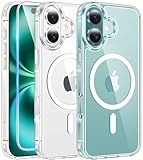
- Strong Magnetic Attraction: Aligns perfectly with wireless power bank, wallets, car mounts and wireless charging stand. The iPhone 16 magnetic case has built-in 38 super N52 magnets. Its magnetic attraction reaches 2400 gf, which is almost 7X stronger than ordinary, therefore it won't fall off no matter how it shakes when you are charging
- Crystal Clear & Never Yellow: Using high-grade Bayer's ultra-clear TPU and PC material, allowing you to admire the original sublime beauty for iPhone 16 while won't get oily when used. The Nano antioxidant layer effectively resists stains and sweat, keeping the case clear like a diamond longer than others
- 10FT Military Grade Protection: Passed Military Drop Tested up to 10 FT. This iPhone 16 clear case backplane is made with rigid polycarbonate and flexible shockproof TPU bumpers around the edge and features 4 built-in corner Airbags to absorb impact, which can prevent your Phone from accidental drops, bumps, and scratches
- Raised Camera & Screen Protection: The tiny design of 2.5 mm lips over the camera, 1.5 mm bezels over the screen, and 0.5 mm raised corner lips on the back provides extra and comprehensive protection, even if the phone is dropped, can minimize and reduce scratches and bumps on the phone. Molded strictly to the original phone, all ports, lenses, and side button openings have been measured and calibrated countless times, and each button is sensitive and easily accessible
- Compatibility & Professional Support: Only compatible for iPhone 16 Phones. We have enough confidence to provide you with quality products and services. Any concerns or questions about iPhone 16 Phone Case, please feel free to contact us
What does each app’s free plan actually include?
A free download and a useful free plan are different things. The practical question is whether the free tier includes the feature that makes the app attractive to you.
| App | Free-plan reality | The likely paid trigger |
|---|---|---|
| Google Tasks | Free with a Google account, with dates, times, repeats, subtasks, Calendar display, and high documented capacity | There is no paid consumer plan identified in the reviewed official source; the trade-off is fewer advanced features |
| Microsoft To Do | Free for personal use with My Day, lists, reminders, repeats, steps, notes, and Outlook integration | Advanced organization may prompt a switch, while organizational access depends on supported licensing |
| Todoist | Five personal projects, three filters, list and board layouts, reminders, and selected integrations | More projects and filters, recurring due dates, custom reminders, calendar layout, task duration, and richer reporting |
| TickTick | Core task management is available, but important differentiators are Premium | Checklist-item reminders, calendar widgets, estimated Pomodoros, extra themes, white noise, and Quick Ball |
| Any.do | Tasks, lists, reminders, calendar, daily planner, and cross-device synchronization | Recurring tasks, WhatsApp reminders, AI features, color tags, location reminders, family sharing, and team collaboration |
Before subscribing, verify currency, monthly versus annual billing, promotional status, tax treatment, and whether the displayed price is web-only. The prices in this article are not permanent guarantees.
How should you handle privacy, accounts, and data portability?
Choose a task service with the account and data lifecycle you can accept. Most synchronized task systems require an account and store data in a vendor-managed cloud, but the dossier does not establish current privacy rankings for these apps.
Before moving sensitive work or household information, ask whether an account is required, which service syncs the data, whether tasks can be exported, what happens after cancellation, and whether shared data can be separated from personal data. Treat AI features separately: identify the exact feature, whether the feature is optional or paid, and what task text or other input the feature processes. Do not assume that an app is private or secure without reviewing its current privacy and security documentation.
Outdated Drivers Are Slowing You Down
One free scan finds every outdated or missing driver and matches the right update for your exact hardware.Free scan · exact hardware matchPC Slower Than It Used to Be?
A free scan shows the junk files, broken settings and background clutter dragging Windows down - then fixes them in one click.Free scan · Windows 10 & 11How do you migrate to a new Android task app?
Migrate in a controlled sequence so that recurring tasks, reminders, and shared data do not silently disappear.
- Inventory active work: Separate actionable tasks from reference notes, completed history, and temporary checklists.
- Export where supported: If the old app provides export, save a copy. Otherwise manually transfer only active tasks rather than recreating years of irrelevant history.
- Rebuild projects: Create the destination projects, folders, labels, and shared spaces before adding individual tasks.
- Recreate recurrence carefully: Decide whether each item means every Monday, every seven days, every weekday, repeat after completion, or repeat from the original due date.
- Check time zones and reminders: Confirm both the due date and the notification time.
- Test synchronization: Create a temporary task on Android, verify it appears on the web or second device, and then complete it from another device.
- Test one reminder: Set a reminder a few minutes ahead and verify Android delivers it.
- Keep the old app available: Do not uninstall or cancel the old service until active tasks and shared lists are confirmed.
- Cancel only after verification: Confirm data, recurrence, sharing, and subscription status before ending the old plan.
Which Android to-do app is right for your workflow?
| Choose this if… | Best starting point | Move to another app when… |
|---|---|---|
| You want the best balance of simplicity and power | Todoist | The free project or filter limits, or paid reminder requirements, no longer fit the budget |
| You want habits, Pomodoro, calendar planning, and tasks together | TickTick | The extra features create more friction than value |
| You live in Outlook or Microsoft 365 | Microsoft To Do | You need advanced filtering, flexible project structures, or focus tools |
| You live in Gmail and Google Calendar | Google Tasks | You need richer organization, dashboards, or collaboration |
| You manage groceries, chores, or household projects with other people | Any.do Family, or a shared Todoist or Microsoft To Do list | You need complex team permissions, dependencies, or reporting |
| You want tasks embedded in documents and databases | Notion | You need faster capture and lower maintenance |
| You move work through visual stages | Trello | You primarily need reminders, recurrence, and quick personal lists |
Frequently Asked Questions
What is the best free to-do list app for Android?
Google Tasks is the best free choice for Gmail and Google Calendar users, while Microsoft To Do is the best free choice for Outlook and Microsoft 365 users. Both support basic dates, reminders, recurring tasks, and synchronization, but neither offers the advanced organization of Todoist or TickTick.
Is Todoist free on Android?
Todoist has a free Beginner plan on Android, but the free plan is limited to five personal projects and three filter views. Recurring due dates, custom reminders, calendar layout, task duration, and other advanced features require paid access according to Todoist’s plan information.
Which Android task app is best for families?
Any.do is the strongest family-focused choice because its Family plan includes up to four members, a shared family space, a shared grocery list, and shared projects. Microsoft To Do shared lists and Todoist shared projects can be better alternatives when the household does not need Any.do’s family-specific planning features.
Why are reminders missing from an Android task app?
Missing reminders are commonly caused by disabled notifications, missing alarm permissions, Android battery optimization, manufacturer background restrictions, Do Not Disturb, an incorrect account, or a task configured with a deadline but no notification time. Check those settings and test a reminder before relying on the app.
What is the difference between Google Tasks and Google Keep?
Google Tasks is the better Google product for dated, recurring actions and subtasks, while Google Keep is primarily a notes app with checklists. Use Google Keep for note-centered lists and Google Tasks when deadlines, reminders, and Google Calendar display matter.
The Bottom Line
Start with Todoist if you want the best all-round Android task manager, Google Tasks if you use Google services and want a free simple list, Microsoft To Do if you use Outlook, TickTick if you want an all-in-one productivity system, and Any.do if household sharing is the priority. Install the simplest app that covers your real workflow, test recurrence and notifications, and pay only when a specific free-plan limit blocks an important task.
Quick Recap
Product prices and availability are accurate as of the date/time indicated and are subject to change. Any price and availability information displayed on Amazon at the time of purchase will apply.

