
What’s actually slowing this PC down?
Pick the symptom - the matching free tool is one click away.
iTechGuides is reader-supported. When you buy through links on our site, we may earn an affiliate commission. As an Amazon Associate I earn from qualifying purchases. Learn more
For most buyers, a well-designed 50MP camera is the safest choice. Choose 108MP when a specific phone combines that resolution with a strong sensor and you expect to crop daylight photos. Choose 200MP if you regularly shoot in bright light, make aggressive crops, print large images, or want extra in-sensor zoom latitude. In dim scenes, all three categories may save lower-resolution, binned photos, so megapixel count alone does not predict night-time quality.
What a phone camera’s megapixel number actually tells you
Megapixels measure the number of picture elements recorded by a sensor. A 50MP sensor records roughly 50 million pixels, a 108MP sensor roughly 108 million, and a 200MP sensor roughly 200 million. That is a resolution specification, not a complete image-quality score.
Image quality also depends on the sensor’s physical area, the size of each pixel, lens brightness and sharpness, autofocus, optical image stabilisation (OIS), image processing, and whether the phone has separate telephoto and ultra-wide cameras. A smaller sensor can contain more pixels than a larger sensor while collecting less light per pixel.
Pixel size changes as resolution rises
Samsung’s ISOCELL HP2 illustrates the trade-off. It contains 200 million 0.6-micrometre pixels on a 1/1.3-inch optical-format sensor. On a fixed-size sensor, fitting more pixels generally means making each individual pixel smaller. Smaller pixels provide finer sampling in bright conditions, but each one collects less light before the phone combines or processes the data.
#1 Best Overall
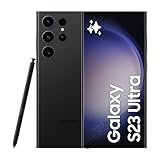
- 6.8" Dynamic AMOLED 2X QHD+ display with 1–120 Hz adaptive refresh rate, up to ~1750 nits brightness, HDR10+ support, and ultra-smooth responsiveness for gaming and scrolling.
Samsung’s Tetra²pixel design can combine four neighbouring pixels for a 50MP output or sixteen for a 12.5MP output. The phone can therefore use the same sensor at different effective resolutions as lighting changes.
Why a 200MP camera may save a 12.5MP photograph
A high-resolution camera is not required to produce a full-resolution file every time. Samsung Semiconductor explains that a phone may default to 12.5MP even with a 200MP sensor, while offering 50MP and 200MP modes when conditions and the photographer’s needs justify them. Combining pixels creates larger effective light-collecting areas and usually gives the image processor cleaner data in darker scenes.
This is why the number printed on the camera specification and the resolution of the saved file can differ. The camera may use the full sensor for focusing, colour information, or cropping while delivering a lower-resolution final image.
Outdated Drivers Are Slowing You Down
One free scan finds every outdated or missing driver and matches the right update for your exact hardware.Free scan · exact hardware matchWindows Errors? Fix Them Before They Spread
Repair common Windows errors and clear accumulated junk for a smoother, more stable PC - no reinstall needed.Free scan · no reinstallWhere higher resolution genuinely helps
More daylight detail
In bright, well-lit scenes, additional pixels can preserve fine textures such as leaves, hair, distant signs, and architectural edges. That advantage only appears when the lens resolves enough detail, focus is accurate, movement is controlled, and processing does not erase the extra information.
More room to crop
A high-resolution image gives you more pixels to retain after cropping. If you crop a 200MP frame substantially, the remaining area can still contain enough pixels for a normal screen or moderate print. A 50MP image may be entirely sufficient for ordinary sharing but leave less latitude for a tight crop.
In-sensor zoom
Samsung says its 200MP sensors can maintain a 12.5MP image through up to 4× in-sensor zoom, whereas it describes lower crop latitude for conventional 50MP sensors. Samsung’s HP3 specification lists 4× lossless zoom while retaining 12.5MP. This is a crop or remosaic technique, not the same as having a dedicated optical telephoto lens, but it can produce useful intermediate zoom levels in bright light.
Rank #2

- USA MARKET ONLY WORK ON TMOBILE MINT TELLO OR ANY UNDER TMOBILE NETWORK PHONE NEEDS A SIM CARD ALREADY ACTIVATED ,OUTSIDE USA WORKS ANY GSM CARRIER SIM GSM FCC ID: 2AFZZRA29G
- Dual SIM (NoT MICRO SD SLOT) 5G: n1/2/3/5/7/8/20/28/38/40/41/48/66/77/78 / 4G: LTE FDD:1/2/3/4/5/7/8/12/13/17/18/19/20/26/28/32/66 -- 4G: LTE TDD:38/40/41/42/48 -- 3G: 1/2/4/5/6/8/19 -- 2G Quad Band
- 6.67" CrystalRes AMOLED displayResolution: 2712 x 1220 (1.5K resolution)Refresh rate: Up to 120HzTouch sampling rate: Up to 480HzBrightness: 3000nits peak brightnessColor depth: 12bitContrast ratio: 5,000,000:1DCI-P3 wide color gamutCorning Gorilla Glass Victus 2Supports Dolby VisionReading mode1920Hz PWM dimming|20,000-level brightness adjustment|HDR10+ | TÜV Rheinland Low Blue Light (Hardware Solution) Certified | TÜV Rheinland Flicker Free Certified | TÜV Rheinland Circadian Friendly Certified
- MediaTek Dimensity 7300-Ultra4nm manufacturing processCPU: Octa-core processor, up to 2.5GHzGPU: Mali-G615 MC2
- 200MP main cameraOISf/1.6516-in-1 binning into one large 2.24μm pixel1/1.4” sensor size7P lens8MP ultra-wide cameraf/2.22MP macro cameraf/2.4Dynamic shots | Motion tracking focus | Lightning Burst | filmFrame | Portraits | Document | Night mode | Dual video | Steady videoRear camera video recording4K at 24/30fps1080p at 30/60fps720p at 30fpsSlow motion: 1080p at 120fpsSlow motion: 720p at 120/240fps - 20MP front cameraf/2.2Soft-light ring | AI beautify | Night mode | Portrait mode | Palm Shutter | Selfie timerFront camera video recording1080p at 30/60fps720p at 30fps
Why megapixels do not guarantee a better photograph
Small pixels can be noisier
On a sensor of similar physical size, increasing the pixel count reduces pixel pitch. Samsung explains that this can lower light sensitivity and increase noise or loss of detail in low light. Pixel binning partly offsets the problem by combining neighbouring pixels into larger effective pixels, but the camera is then no longer using every pixel as an independent output point.
Quick wins for a faster PC:
Repair Windows errors before they cause bigger problemsFix Now →Scan for outdated or missing drivers - takes under a minuteDriver Scan →The lens and sensor may limit the benefit
A lens that is not sharp enough, a focus system that misses the subject, or motion during exposure can waste the additional sampling of a 108MP or 200MP sensor. A larger sensor with a brighter lens can produce cleaner files and better subject separation at a lower nominal resolution.
Processing can matter more than the file size
Phones merge multiple exposures, reduce noise, sharpen edges, reconstruct colour, and compensate for lens defects. Two cameras with the same resolution can therefore produce visibly different results. The processing pipeline also determines how well a phone handles faces, moving subjects, backlighting, and night scenes.
50MP vs 108MP vs 200MP at a glance
| Resolution | Strongest use | Low-light behaviour | Crop and zoom latitude | Main compromises |
|---|---|---|---|---|
| 50MP | Everyday photography when paired with a large sensor, fast lens, OIS, and capable processing | Often uses pixel-binned output; larger effective pixels can give cleaner results | Enough for normal viewing and moderate crops; less reserve than 108MP or 200MP | May offer less detail after a heavy crop; the label alone says nothing about sensor quality |
| 108MP | Detailed daylight images and useful crops when the sensor and optics are well implemented | Typically relies on binning as light falls; exact modes vary by phone | More daylight crop room than 50MP in a comparable design | Not automatically better than a modern 50MP camera; small pixels can hurt night performance |
| 200MP | Bright-light detail, large crops, large prints, and extra in-sensor zoom latitude | May switch to 50MP or 12.5MP through binning; full-resolution mode is less useful in darkness | Highest potential crop reserve; Samsung lists up to 4× in-sensor zoom retaining 12.5MP on specified sensors | Larger files, more processing, and greater dependence on good light, focus, and lens sharpness |
No neutral, controlled head-to-head test establishes one of these resolutions as universally best. The phone’s complete camera implementation determines the result.
50MP cameras: the balanced default
A 50MP main camera is usually the most sensible starting point for a general-purpose phone. It provides ample resolution for phone screens, social sharing, typical prints, and moderate crops without requiring the camera to push a very large native file for every shot.
Look for a 50MP design with a physically large sensor, a fast aperture, OIS, reliable autofocus, and strong image processing. A binned 50MP mode can preserve more light than a sensor whose tiny pixels are always used individually.
Rank #3

- USA MARKET ONLY WORK ON TMOBILE MINT TELLO OR ANY UNDER TMOBILE NETWORK PHONE NEEDS A SIM CARD ALREADY ACTIVATED ,OUTSIDE USA WORKS ANY GSM CARRIER SIM GSM FCC ID: 2AFZZRA29G
- Dual SIM (nano SIM + nano SIM or nano SIM + eSIM) NO MICRO SD SLOT. 5G: n1/2/3/5/7/8/12/20/26/28/38/40/41/48/66/77/78 - 4G: LTE FDD: 1/B2/B3/B4/B5/B7/B8/B12/B13/B17/B18/B19/B20/B26/B28/B32/B66 4G: LTE TDD: B38/B40/B41/B42/B48 - 3G: WCDMA: B1/B2/B4/B5/B6/B8/B19 - 2G: GSM: B2/B3/B5/B8
- 6.83" AMOLED displayResolution: 1.5K (2772 x 1280)Refresh rate: Up to 120HzTouch sampling rate: Up to 480HzInstantaneous touch sampling rate: 2560Hz*Activated in Game Turbo modeBrightness: 3200 nits peak brightnessBrightness: HBM 1800 nitsColor depth: 12bitContrast ratio: 8000000:1DCI- P3 wide color gamut447PPICorning Gorilla Glass Victus 2Sunlight displayHDR10+ | Dolby Vision16,000-step automatic brightness adjustment3840Hz PWM dimming|TÜV Rheinland Low Blue Light (Hardware Solution) Certified | TÜV Rheinland Circadian Friendly Certified | TÜV Rheinland Flicker Free Certified
- MediaTek Dimensity 7400-Ultra4nm manufacturing process technologyCPU: Octa-core processor, up to 2.6GHzGPU: Mali-G615
- 200MP main cameraOptical Image Stabilization (OIS)0.56μm, 16in1, 2.24μmf/1.77P lens1/1.4" sensor size8MP ultra-wide cameraf/2.2Rear camera video recording4K at 30 fps1080p at 30/60 fps720p at 30 fps / Front Camera 20MP front camera1/4" sensor sizef/2.24P lensFront camera video recording1080p at 30/60 fps720p at 30 fps
What a strong 50MP specification looks like
Xiaomi’s official Xiaomi 17 specification lists a 50MP main camera with a 1/1.31-inch sensor, a 2.4-micrometre 4-in-1 super-pixel mode, an f/1.67 aperture, and OIS. The same phone also has separate 50MP telephoto and ultra-wide cameras. Those details illustrate why resolution should be judged alongside sensor area, effective pixel size, lens brightness, stabilisation, and the rest of the camera array.
Who should choose 50MP
- People who mostly share photos online or view them on a phone.
- Photographers who value dependable indoor and night results over extreme cropping.
- Buyers choosing between a well-specified 50MP system and a poorly specified higher-resolution camera.
- Anyone who wants a capable main camera plus useful telephoto and ultra-wide hardware rather than a large number attached to one module.
108MP cameras: a middle ground for daylight cropping
108MP can be a useful compromise. It provides more native detail and crop reserve than 50MP while avoiding some of the file sizes and processing demands associated with 200MP capture. It is most attractive when the phone uses a large, well-supported sensor and a sharp lens rather than treating 108MP as a marketing label.
Compare the sensor’s physical dimensions, pixel pitch, aperture, OIS, autofocus, and processing against a 50MP rival. A modern 50MP sensor with larger effective pixels can produce cleaner and more detailed real-world images than a 108MP sensor with tiny pixels, a slower lens, or weaker processing.
Free tools Windows power users keep installed
One-click scans. No signup required.
The available manufacturer specifications do not establish a neutral laboratory winner between 108MP and 50MP. Treat 108MP as an implementation-specific option for bright-light detail and cropping, not as an automatic upgrade.
200MP cameras: maximum daylight latitude
200MP is most compelling when you have a practical reason to use the extra data. Bright landscapes, distant subjects, large prints, and substantial crops can benefit from the larger starting image. The mode can also provide intermediate in-sensor zoom where a phone lacks a dedicated optical lens for every magnification.
How Samsung’s 200MP modes are intended to work
Samsung’s HP3 product specification lists three operating modes: 0.56-micrometre pixels for 200MP in bright light, 1.12-micrometre pixels for 50MP in darker conditions, and 2.24-micrometre pixels for 12.5MP in the darkest environments. The same specification lists 4× lossless zoom while retaining a 12.5MP output.
Rank #4

- [𝟒𝐧𝐦 𝟓𝐆 𝐃𝐢𝐦𝐞𝐧𝐬𝐢𝐭𝐲 𝟕𝟑𝟎𝟎 & 𝐃𝐃𝐑𝟓 𝟑𝟔𝐆𝐁 𝐑𝐀𝐌+𝟓𝟏𝟐𝐆𝐁 𝐑𝐎𝐌/𝐓𝐅 𝟐𝐓𝐁] DOOGEERugged V40 Pro rugged smartphone is equipped with Dimensity 7300 4nm 5G chip. CPU performance up by 7%. The 4nm architecture and 2.5GHz clock speed ensure seamless multitasking, whether gaming, streaming, or working on the go. Paired with 36GB (16GB+20GB virtual) RAM+512GB storage, there's ample space for everything. Enjoy powerful performance that easily handles any task, from intense mobile gaming sessions to managing multiple applications at once.
- [𝟏𝟐𝟎𝐇𝐳 𝟔.𝟕𝟖" 𝐅𝐇𝐃+𝐃𝐢𝐬𝐩𝐥𝐚𝐲 & 𝟏.𝟒𝟕" 𝐀𝐥𝐥-𝐏𝐮𝐫𝐩𝐨𝐬𝐞 𝐒𝐞𝐜𝐨𝐧𝐝𝐚𝐫𝐲 𝐃𝐢𝐬𝐩𝐥𝐚𝐲] DOOGEERugged V40 Pro 5g rugged phone features a 6.78'' FHD+ screen with 120Hz dynamic refresh rate, catch up with your favourite action films for a silky and smooth visual pleasure, while being capable of adjusting the refresh rate intelligently for lower-frame-rate content when you’re reading or browsing to save more power. Access convenience and save energy with DOOGEERugged V40 Pro's secondary screen, making this rugged smartphone unlocked easy to use key functions and ensuring a smarter, more streamlined user experience.
- [𝟐𝟎𝟎𝐌𝐏 𝐀𝐧𝐭𝐢-𝐒𝐡𝐚𝐤𝐞 𝐀𝐈 𝐂𝐚𝐦𝐞𝐫𝐚+ 𝟐𝟎𝐌𝐏 𝐍𝐢𝐠𝐡𝐭 𝐕𝐢𝐬𝐢𝐨𝐧 𝐂𝐚𝐦𝐞𝐫𝐚+ 𝟒𝐊 𝐕𝐢𝐝𝐞𝐨 𝐑𝐞𝐜𝐨𝐫𝐝𝐢𝐧𝐠] DOOGEERugged V40 Pro rugged phone 5G is your ultimate photography companion. The 200MP AI main camera features OIS optical image stabilization, with stabalization for instant snapshots and videos as well. Create HD masterpieces. 20MP night vision camera has elevated light sensitivity to new heights, excelling in low-light and nighttime conditions. Capture ultra-clear, vivid images, even in the darkest settings.This unlocked rugged phone is also equipped with a 32MP front facing camera, an 8MP telephoto camera, and an 8MP macro camera.
- [𝟖𝟔𝟖𝟎𝐦𝐀𝐡 𝐁𝐚𝐭𝐭𝐞𝐫𝐲 & 𝟑𝟑𝐖 𝐅𝐚𝐬𝐭 𝐂𝐡𝐚𝐫𝐠𝐞𝐫/𝐎𝐓𝐆] DOOGEERugged V40 Pro 5G rugged smartphone unlocked comes with an 8680mAh battery and 33W fast charging. This rugged phone can provide up to 474 hrs of standby time and 43 hrs of music playback time, ensuring no battery anxiety in daily use. Moreover, the unlocked rugged smartphone has an OTG function and can be used as a power bank.
- [𝐀𝐧𝐝𝐫𝐨𝐢𝐝 𝐒𝐲𝐬𝐭𝐞𝐦 & 𝐎𝐒 𝟒.𝟎 𝐔𝐈] DOOGEERugged V40 Pro 5G rugged Smartphone is equipped with android operating system, allowing you to enjoy more convenient, private, secure, and user-friendly system features. This Android rugged phone is also equipped with the self-developed DOOGEERugged OS 4.0 system, allowing you to experience the all-new DOOGEERugged OS 4.0, designed to take your rugged phone experience to a whole new level. Game Mode Without Disturb, App Cloning, Drama Mode (Video), Dynamic Capsule. Enjoy unique features that keep you connected and inspired!
Samsung’s HP2 documentation similarly describes combining four pixels into 50MP or sixteen into 12.5MP. The camera therefore behaves more like several resolution and sensitivity settings in one sensor than a permanent 200MP-only device.
Do these 3 things before closing this tab:
1Repair Windows errors before they cause bigger problems2Fix the driver behind crashes, sound loss and screen glitches3Clear out junk files and repair common Windows errors200MP is not limited to the main camera
Samsung’s HP9 page demonstrates that a 200MP sensor can also be used in a telephoto module. That configuration changes the buying question: evaluate the telephoto lens, its stabilisation, and its native optical magnification as well as the sensor resolution.
Who should choose 200MP
- Photographers who regularly shoot in strong daylight and crop heavily later.
- People making larger prints where the extra source pixels can survive enlargement.
- Users who want additional in-sensor zoom steps between the phone’s optical focal lengths.
- Buyers prepared for larger files and longer processing when using full-resolution mode.
Low-light performance: why binning matters more than the headline number
Low-light quality depends on how many photons the camera captures and how effectively it turns them into a clean image. Sensor area, pixel pitch, aperture, shutter speed, OIS, autofocus, and multi-frame processing all matter.
As light falls, a 200MP phone commonly combines pixels and saves a 50MP or 12.5MP image. A 108MP phone may use a similar strategy, while a 50MP phone may already be operating near its binned output. The lower-resolution file is not a failure; it is the camera using larger effective pixels to reduce noise.
For night photography, compare the phone’s sensor size and lens aperture first. OIS can reduce blur from hand movement, but it cannot freeze a moving person. A bright lens allows a faster shutter or lower amplification, while multi-frame processing can improve shadows when the subject remains still.
Zoom: distinguish optical hardware from pixel crops
A dedicated telephoto camera uses a different focal length and optical path to magnify a distant subject before the sensor records it. In-sensor zoom instead crops or remosaics a high-resolution sensor. The latter can be useful in bright light, especially when it preserves a reasonable output such as 12.5MP, but it does not replace optical reach in every situation.
Best Value

- Stunning 6.9″ Dynamic AMOLED 2X QHD+ display with adaptive 1–120 Hz refresh rate, ultra‑bright up to ~2600 nits, HDR support, “Vision Booster,” and adaptive color tone — giving vivid colours, great outdoor visibility, and super‑smooth scrolling.
- Powerful internals: it runs on the new Snapdragon 8 Elite for Galaxy (3 nm) chip, with 12 GB (or in some markets up to 16 GB) RAM and up to 1 TB UFS 4.0 storage — offering significantly improved CPU/GPU/NPU performance, especially for AI tasks, gaming, and heavy multitasking.
- Advanced quad‑camera system: 200 MP wide main sensor, plus a 50 MP ultrawide, a 50 MP periscope telephoto (5× optical zoom), and a 10 MP telephoto (3× optical zoom) — giving flexibility from ultra‑wide through detailed telephoto shots, and strong performance in varied lighting.
- 5,000 mAh battery with 45 W fast wired charging, wireless charging (Qi2) and reverse wireless charging — balancing long battery life with flexible charging options.
- Durable, premium build: Titanium‑frame body, protected by Corning Gorilla Armor 2 glass, with IP68 dust/water resistance, ultrasonic in‑display fingerprint sensor, modern connectivity (5G, Wi‑Fi 7, Bluetooth, UWB, USB‑C), and long‑term software support (Android 15 / One UI 7, promised 7 major OS/security updates).
Check the phone’s complete zoom system:
- The main camera’s native focal length and maximum useful crop.
- Whether there is a stabilised telephoto module and its optical magnification.
- The resolution and autofocus performance of the telephoto camera.
- How the phone switches between lenses and crops at intermediate zoom levels.
- Whether high-resolution modes work with the telephoto camera or only the main camera.
Speed, storage, heat, and handling
Full-resolution 108MP and 200MP files contain substantially more data than ordinary binned captures. They can take longer to process, occupy more storage, and generate more heat during bursts. The exact file size and capture delay vary by phone, scene, format, and software version, so do not assume a fixed number from the megapixel label.
High-resolution modes are also less forgiving of subject movement. A moving person, shaking leaves, or a slight hand movement can erase the detail you hoped to gain. For everyday snapshots, the phone’s default binned mode may be faster and more reliable.
How to compare two actual phones
- Read the full main-camera specification. Record resolution, sensor format, pixel pitch or binned pixel size, aperture, OIS, and autofocus type.
- Check the other cameras. Note whether the phone has an ultra-wide and telephoto camera, their resolutions, focal lengths, stabilisation, and autofocus.
- Identify default output modes. Find out whether the phone normally saves 12.5MP, 25MP, 50MP, or another binned resolution and which modes are available manually.
- Match the system to your light. For frequent night, indoor, or moving-subject photography, prioritise sensor area, aperture, OIS, autofocus, and processing over the largest number.
- Match the system to your cropping habits. If you crop daylight images heavily or print large, a good 108MP or 200MP implementation can provide useful reserve.
- Check handling costs. Consider storage capacity, capture speed, heat, battery impact, and whether full-resolution mode works with the features you use.
- Inspect sample images at full size. Look for fine texture, smearing, halos, motion blur, colour errors, and noise rather than judging only a cropped specification sheet.
- Verify the exact model and region. Camera sensors, software features, storage options, and availability can differ by market and edition.
Choose by shooting scenario
Mostly social sharing and family photos
Choose the phone with the stronger overall camera system. A capable 50MP main camera with a large sensor, bright lens, OIS, and dependable processing is normally enough; extra resolution is unlikely to survive typical screen resizing.
Recommended Free Tools
Landscapes and architecture in daylight
108MP or 200MP can help when you want to crop distant details or retain fine textures. Ensure the lens is sharp and use a steady grip or support, because motion can negate the extra pixels.
Night streets, restaurants, and indoor events
Prioritise sensor area, pixel-binned performance, lens brightness, OIS, autofocus, and processing. The camera may save 12.5MP or another lower-resolution file, regardless of its 108MP or 200MP headline.
Wildlife and distant subjects
A real telephoto lens and stabilisation generally matter more than a high-resolution main sensor. A 200MP main camera can provide useful daylight crop latitude, but it cannot create the optical reach of a dedicated telephoto in every condition.
Large prints
More source pixels can help, particularly from a sharp, well-focused 200MP or 108MP capture in bright light. Print quality still depends on viewing distance, lens detail, focus, exposure, and processing.
The Tool Desk
Outbyte Driver Updater FREEFix the driver behind crashes, sound loss and screen glitchesFind Drivers →Outbyte PC Repair FREERepair Windows errors before they cause bigger problemsFix Now →Common misconceptions to avoid
- “200MP is always better than 50MP.” The higher number can provide more crop latitude, but a 50MP camera with a larger sensor, brighter lens, OIS, and better processing may produce better photographs overall.
- “A 200MP phone always takes 200MP photos.” Pixel binning can produce 50MP or 12.5MP files, especially as light falls.
- “More megapixels mean better low-light performance.” Smaller native pixels can collect less light; binning, sensor area, aperture, and processing determine the result.
- “Digital crop and optical zoom are identical.” A high-resolution crop can preserve useful detail in bright light, but a telephoto lens supplies genuine optical magnification.
- “The resolution label describes the whole camera system.” Phones combine main, ultra-wide, telephoto, stabilisation, autofocus, video, and computational features. Evaluate the complete system.
Bottom-line buying decision
Start with a strong 50MP system unless your usage points elsewhere. Select 108MP when the specific phone offers a genuinely capable sensor and you value daylight cropping. Select 200MP for bright-light detail, large crops, large prints, or extra in-sensor zoom flexibility, while accepting that darker scenes will usually rely on binning and lower-resolution output. The best purchase is the phone whose sensor, lens, stabilisation, processing, and supporting cameras fit how you actually shoot—not the model with the biggest megapixel badge.
Quick Recap
Product prices and availability are accurate as of the date/time indicated and are subject to change. Any price and availability information displayed on Amazon at the time of purchase will apply.

