
Windows 11 Pro can come as a stand-alone retail license, preinstalled by a PC maker (OEM), or through an organization’s commercial licensing agreement. The key difference is what you receive: retail is sold as a stand-alone product, OEM is generally tied to the licensed PC, and commercial licensing usually grants upgrade rights that require an eligible Windows license already on each device. A product key or successful activation does not, by itself, prove that a copy is genuine or properly licensed.
How the three Windows 11 Pro license types differ
| Type | How you get it | What the right generally covers | Moving it to another PC |
|---|---|---|---|
| Retail | Stand-alone Windows 11 Pro Full Packaged Product (Retail), which may be delivered physically or digitally; the channel name alone does not specify the format. Microsoft’s commercial overview | A stand-alone retail copy, subject to its license terms. | Microsoft’s cited English terms allow conditional transfer, including removing the prior installation. Check the terms for your region and purchase path. Windows license terms |
| OEM / preinstalled | Windows 11 Pro supplied and preinstalled by the PC manufacturer. | Windows licensed with that device. | Generally transfers only with the licensed device, subject to applicable regional law. Windows license terms |
| Commercial / volume | An organization obtains rights under a Microsoft commercial licensing agreement or program. | Microsoft describes Windows 11 Pro Commercial Licensing as an upgrade from an earlier Windows Pro version; general client volume guidance requires an existing retail or OEM operating-system license for each computer. | Assignment and use depend on the organization’s agreement and applicable Product Terms; there is no universal transfer rule for every volume offer. Microsoft Product Terms |
Microsoft identifies retail, OEM, and volume licensing as the three main software acquisition channels in its volume activation guidance. They are not interchangeable labels for the same kind of key or entitlement.
Retail: a stand-alone license
Microsoft lists Windows 11 Pro as a Full Packaged Product (Retail) offering. Its activation guidance says retail copies come with a unique product key used during installation and activation. Retail describes the licensing channel, not a guaranteed box, USB drive, or delivery method; confirm what the seller actually supplies and what terms apply.
Microsoft’s cited English Windows terms provide conditional transfer rights for stand-alone software: it may be moved to another device owned by the licensee, or in specified circumstances to another person’s device. The software must be removed from the previous device. These are not blanket transfer rights for every listing described as a “retail key”; check the terms associated with the purchase and the terms for your region.
Do these 3 things before closing this tab:
1Scan for outdated or missing drivers - takes under a minute2Repair Windows errors before they cause bigger problems3Fix the driver behind crashes, sound loss and screen glitches#1 Best Overall

- STREAMLIMED AND INTUITIVE UI | Intelligent desktop | Personalize your experience for simpler efficiency | Powerful security built-in and enabled.
- JOIN YOUR BUSINESS OR SCHOOL DOMAIN for easy access to network files, servers, and printers.
- OEM IS TO BE INSTALLED ON A NEW PC WITH NO PRIOR VERSION of Windows installed and cannot be transferred to another machine.
- OEM DOES NOT PROVIDE PRODUCT SUPPORT | To acquire product with Microsoft support, obtain the full packaged “Retail” version.
OEM: Windows supplied with a PC
An OEM license is the Windows license supplied with a computer by its manufacturer. Microsoft’s general guidance says OEM activation is associated with the PC’s firmware or BIOS, and the manufacturer activates Windows before delivery. In practical terms, treat this license as belonging with the licensed PC—not as a stand-alone copy you can freely move to a new build.
The cited Windows OEM terms say preinstalled software may be transferred to another user only together with the licensed device, subject to the regional legal exception in the terms. The English-language terms cited here were last updated in April 2024; other regions may have different terms.
Rank #2
- Instantly productive. Simpler, more intuitive UI and effortless navigation. New features like snap layouts help you manage multiple tasks with ease.
- Smarter collaboration. Have effective online meetings. Share content and mute/unmute right from the taskbar (1) Stay focused with intelligent noise cancelling and background blur.(2)
- Reassuringly consistent. Have confidence that your applications will work. Familiar deployment and update tools. Accelerate adoption with expanded deployment policies.
- Powerful security. Safeguard data and access anywhere with hardware-based isolation, encryption, and malware protection built in.
Volume licensing: organizational rights, usually for upgrades
“Volume licensing” is an umbrella for commercial agreements and programs, not simply one key that acts as a full Windows license for any number of new PCs. Microsoft’s general client volume-activation guidance says an organization needs a volume licensing agreement and that Windows client volume licenses generally provide upgrade rights. Each computer exercising those rights needs an existing retail or OEM operating-system license.
Microsoft’s current commercial overview describes Windows 11 Pro Commercial Licensing as an upgrade from a previous Windows Pro version. Whether a particular organization can use a specific offer—and how licenses may be assigned or transferred—depends on its program and agreement. Check the current Product Terms and the organization’s licensing administrator or reseller before deployment. The cited Microsoft Customer Agreement terms include a Windows Home-to-Pro upgrade route in defined circumstances and regions, with a qualifying Windows Home device prerequisite; that example is not a universal rule for all programs or regions.
Rank #3

- MICROSOFT WINDOWS 11 PRO (INGLES) FPP 64-BIT ENG INTL USB FLASH DRIVE
Can you buy Windows 11 Pro through volume licensing?
Organizations can obtain Windows commercial licensing rights through the applicable Microsoft agreement or program, but the general client-volume route is an upgrade, not a substitute for a qualifying operating-system license on a bare PC. Microsoft’s overview and activation guidance do not establish one universal volume offer or price for every organization. Confirm eligibility, existing device licenses, and assignment rules against the specific agreement and current Product Terms.
Does activation prove that your license is genuine?
No. Activation is a technical status; it is not proof of legal entitlement. Microsoft’s Windows license terms state: “Successful activation does not confirm that the software is genuine or properly licensed.” A working product key therefore does not establish that the seller was authorized, that the license type is what the listing claims, or that the license can lawfully be transferred.
Rank #4
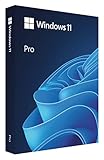
- Instantly productive. Simpler, more intuitive UI and effortless navigation. New features like snap layouts help you manage multiple tasks with ease
- Smarter collaboration. Have effective online meetings. Share content and mute/unmuteright from the taskbar (1). Stay focused with intelligent noise cancelling and background blur. (2)
- Reassuringly consistent. Have confidence that your applications will work. Familiar deployment and update tools. Accelerate adoption with expanded deployment policies.
- Powerful security. Safeguard data and access anywhere withhardware-based isolation, encryption, and malware protection built in.
When buying retail, verify the seller and the exact license terms rather than relying on successful activation or a low-cost key listing. When using OEM Windows, keep the license with the PC it came with. For an organization, retain the agreement and verify the rights for each deployed device.
Independent reader supportYour contribution helps us test, update, and keep practical guides available for everyone.Which license type should you choose?
- Choose retail when you need a stand-alone Windows 11 Pro purchase and want the conditional transfer rights described in the applicable terms.
- Choose OEM when Windows 11 Pro is supplied with a new PC and you expect the license to remain with that device.
- Use commercial licensing when an organization has the appropriate agreement and qualifying operating-system licenses for its devices, and has confirmed the offer’s requirements and deployment rights.
Microsoft notes that its commercial overview does not replace or override the Windows end-user license agreement or Commercial Licensing Product Terms. For a particular purchase or deployment, those applicable terms—not a simplified description of the channel—determine the rights.
Quick wins for a faster PC:
Repair Windows errors before they cause bigger problemsFix Now →Scan for outdated or missing drivers - takes under a minuteDriver Scan →Clear out junk files and repair common Windows errorsFree Scan →Quick Recap
Best Value
- Microsoft License Windows 11 Pro, 32/64 Bit - Lifetime Key
- 1- To use the access key, you must have the Windows 11 Pro version installed on your device.
- 2- Make sure you have version 11 Pro installed, Download if necessary for installation is free, please visit the official Microsoft page at microsoft.com/en-us/software-download
- 3- Follow the instructions for use contained in the Access Key Card to know the location where the Key should be inserted.
- 4- Use the access key provided for activation.
Product prices and availability are accurate as of the date/time indicated and are subject to change. Any price and availability information displayed on Amazon at the time of purchase will apply.

