
There is no single best window for every houseplant. In the Northern Hemisphere, a south-facing window is usually brightest, while a north-facing window generally receives the least direct sun; east windows get morning sun and west windows get afternoon sun. Choose based on the plant’s light needs and the conditions at its actual spot, including distance from the glass, window size, shade, and season.
How the four window directions compare
These are broad Northern Hemisphere patterns, not guaranteed light levels. Iowa State Extension cautions that a south- or east-facing window is not automatically better than a west- or north-facing one because other conditions affect the light reaching a plant.
| Direction | Typical light | Practical starting point |
|---|---|---|
| South | Usually the brightest exposure, with direct sun for the longest duration. | Offers more options for high-light plants. If strong summer sun is excessive for a particular plant, move it farther from the window or filter the light. |
| East | Generally receives morning sun. | Can work for plants suited to moderate light or some direct sun; check how much light reaches the specific spot. |
| West | Generally receives afternoon sun, which may be more intense and warmer than morning light. | May suit plants that can use stronger light. Sensitive plants may need more distance or filtered light. |
| North | Generally receives the least direct sun in the Northern Hemisphere. | Can suit plants tolerant of lower light, but a north-facing label alone does not guarantee enough light for growth. |
These directional patterns are based on Northern Hemisphere guidance from University of Maine Cooperative Extension and University of Missouri Extension. South of the equator, the pattern reverses; use local horticultural guidance and assess the sun exposure where you live.
Match the plant to its actual position
Use a plant’s stated light needs as the starting point, then choose a position that receives the right kind and amount of light. UConn Extension’s placement examples suggest a low-light plant can sit somewhat back from a north-facing window; a medium-light plant can be closer to a north-facing window or a few feet back from an east- or west-facing one; and a high-light plant can sit in front of an east- or west-facing window or up to five feet from a south-facing window. These are examples, not guarantees for every room or season.
Quick wins for a faster PC:
Scan for outdated or missing drivers - takes under a minuteDriver Scan →Repair Windows errors before they cause bigger problemsFix Now →Fix the driver behind crashes, sound loss and screen glitchesFind Drivers →#1 Best Overall

- LIVE INDOOR HOUSEPLANTS: Includes a rotating assortment of 6 popular indoor plants in 2 in. grower pots, ranging in height by variety - approximately 4 - 6 in. tall
- WHAT'S IN THE BOX: Features Pothos, Peperomia, Spider Plants, Croton, Ficus, Syngonium, Begonia, and more
- COMPACT SIZE, BIG IMPACT: Small but striking, this pack is perfect for event decor, grouped planters, and DIY projects
- GROWN WITH CARE: Our hand-selected assortment rotates monthly to ensure every pack is a delightful surprise
- FRESH FROM THE FARM: Grown with love and shipped with care directly from our team of passionate horticulturists
Distance matters: light drops quickly as a plant is moved away from a window, and a spot more than a few feet from even a bright window may be too dim for successful growth. A large window admits more light than a small one, while a spot just to the side of a window can be substantially darker than it looks. These factors are highlighted by Iowa State University Extension.
What “direct” and “bright indirect” light mean
Direct light means sunlight falls on the leaves. Bright indirect light is still bright: Iowa State Extension describes it as light bright enough to cast a distinct shadow without direct sun hitting the leaves. A plant can therefore be near a bright window but outside the sunbeam, or receive softened light through a sheer curtain.
Rank #2
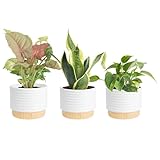
- DECOR-READY LIVE INDOOR PLANTS: This 3-pack of houseplants offers incredible value to gift or instantly upgrade any space. Perfect for shelf, tabletop, or office desk. Varieties will vary — examples include Peace Lily, Snake Plant, Fern, and Pothos
- EASY TO MAINTAIN, BEGINNER-FRIENDLY INDOOR PLANTS: This pack of three Assorted Indoor Houseplants are an effortless way to start your collection. These low-maintenance varieties are easy to grow and require minimal attention, making them a perfect match for new plant parents
- CREATE A CALMING SANCTUARY: Group these gorgeous varieties together for an instant mood-boosting display that supports your wellbeing and brings life to any room
- PERFECT GIFT FOR ANY OCCASION: This living and thoughtful present is ideal for birthdays, housewarmings, holidays, or just because. Brighten a loved one's day with a beautiful indoor plant
- FRESH PLANTS, READY FOR YOUR HOME: Your collection of healthy, vibrant live indoor plants, fresh from our farm, arrives secured in specialized packaging right to your home
If summer direct sun is too strong for a particular plant, University of Maryland Extension recommends moving it farther from the window or using a light shade such as a sheer curtain. A south- or west-facing window does not automatically harm plants; the effect depends on the plant and the exposure.
Quick Recap
Rank #4
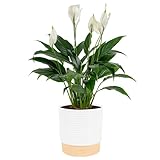
- ELEGANT LIVE PLANT DECOR: The pure white blooms of the Peace Lily bring timeless sophistication to any space. Ideal as a tabletop centerpiece, living room accent, or serene office décor, this plant makes a thoughtful year-round or thoughtful gift for plant lovers and home décor enthusiasts
- BREATHE EASIER WITH A NATURAL AIR PURIFIER: Beautiful Peace Lily Plant helps to filter the air, removing toxins for a healthier indoor environment. Elevate your indoor garden with this air-cleaning houseplant for a fresh home
- CREATE A CALMING SANCTUARY: The Peace Lily's elegant white blooms and deep green leaves are perfect for setting a tranquil mood and enhancing your space's sense of wellbeing
- PERFECT GIFT FOR ANY OCCASION: Features beautiful, colorful flowers, making it a unique and thoughtful gift for any occasion. A memorable present for friends and family
- FRESH PLANT, READY FOR YOUR HOME: Your beautiful, healthy live indoor plant, fresh from our farm, arrives secured in specialized packaging right to your home
Rank #3

- FARM-DIRECT PACKAGING & ARRIVAL: Each Money Tree is hand-selected at the greenhouse and secured in breathable, reinforced transit-safe materials. This direct-from-nursery process maintains plant integrity and soil moisture, providing a healthy houseplant ready for immediate indoor display
- VERSATILE 12-16 INCH TABLETOP ACCENT: Instantly refresh your desk, shelf, or side table with Pachira aquatica's beautifully braided trunk and a vibrant, hand-shaped canopy. This medium-sized house plant arrives pre-potted in a stylish decorative planter, offering a sophisticated "designer look" that fits perfectly in smaller spaces with absolutely no messy repotting required
- PET-FRIENDLY HOUSEPLANT: Money Tree is safe for homes with cats and dogs according to ASPCA guidelines. Its upright growth habit naturally keeps foliage elevated, reducing accidental pet contact and making it a functional, worry-free botanical choice for pet-loving households
- SYMBOL OF LUCK & PROSPERITY: A staple of Feng Shui tradition, the Money Tree is believed to "trap" fortune in its braided trunk. It is the perfect, meaningful gift for housewarmings, new jobs, or birthdays, offering a living, growing alternative to temporary flowers
- 100% HAPPINESS GUARANTEE: We want your new plants to succeed. If plants arrive stressed, water and rest them in indirect light for 24 hours to revive. If any arrive beyond saving, reach out immediately for a refund. We are here to help!
Why the light can differ from one room or season to another
- Distance and position: Light falls off quickly away from the glass, and a plant beside rather than directly in front of a window may receive much less.
- Window size: Larger windows generally admit more light than smaller ones.
- Outdoor shade and surroundings: Trees and buildings can block sunlight. Leafy trees may shade a window in summer and admit more light after their leaves fall, as University of Illinois Extension notes.
- Season, weather, and geography: The sun’s angle changes through the year, and local weather and landscape also affect exposure. The four-direction comparison is only a starting point, especially across different latitudes.
- Duration versus intensity: How bright light is and how many hours it reaches a plant are separate considerations. Illinois Extension says 14–16 hours of light duration is sufficient in low-light conditions; this is not a schedule that every houseplant needs.
A practical way to choose and adjust a spot
- Check the plant’s stated light requirement—low, medium, or high—and whether it tolerates direct sun.
- Notice when sunlight reaches the intended position and whether it falls directly on the leaves.
- Use direction as a rough clue: south is usually brightest, east gets morning sun, west gets afternoon sun, and north usually gets the least direct sun in the Northern Hemisphere.
- Adjust for the plant’s distance from the window, the window’s size, outdoor shade, and seasonal changes.
- If natural light remains inadequate, consider supplemental lighting. Maine Extension discusses artificial lighting for houseplants; it is an option for insufficient natural light, not a universal requirement.
Product prices and availability are accurate as of the date/time indicated and are subject to change. Any price and availability information displayed on Amazon at the time of purchase will apply.

