
A virtual tape system (VTS) presents tape-like drives and volumes to a host while managing the data on underlying storage, typically disk cache and, in many configurations, physical tape. The host can continue using tape-oriented software and operations; the VTS handles where the data resides and how it moves between storage tiers.
What is a virtual tape system?
A virtual tape system is an enterprise storage system that emulates tape drives and tape volumes for host systems. IBM defines a VTS as a tape-data solution that combines disk arrays, tape drives, tape automation, and intelligent storage-management software. In practice, the host sees virtual tape devices and volumes, while the VTS manages the storage resources behind them.
| # | Preview | Product | Price | |
|---|---|---|---|---|
| 1 |
|
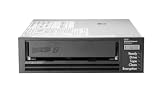
HPE LTO-8 Ultrium 30750 SAS Internal Tape Drive | $4,899.00 | Buy on Amazon |
| 2 |

|
5-Pack IBM LTO 6 Ultrium 00V7590 (2.5/6.25 TB) Data Cartridge | $184.99 | Buy on Amazon |
| 3 |

|
HP Ultrium 960 External Tape Drive US - English Localization | $577.77 | Buy on Amazon |
| 4 |
|
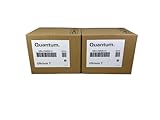
Quantum LTO 7 10 Pack | $629.99 | Buy on Amazon |
| 5 |

|
Quantum Tape, Lto, Ultrium-7, Mr-L7Mqn-01 6Tb/15Tb, Lto-7 | $64.99 | Buy on Amazon |
VTS, virtual tape library, and virtual tape server are related terms, but usage can vary by vendor and product generation. They do not necessarily name identical products or configurations. IBM’s [glossary definition of virtual tape system] is one example of the term in enterprise storage.
How does a virtual tape system work?
- The host requests a virtual tape volume. It communicates with a virtual tape drive using a tape-like interface. IBM describes TS7700 virtualization as appearing to an accessing host as a collection of tape drives; in that implementation, direct-access storage (DASD), not physical tape, acts as the virtual drive’s media. See IBM’s virtual device operation documentation.
- The system serves data from its disk cache when available. Frequently accessed or recently written data can remain on the high-speed disk tier, supporting access and restore operations.
- The VTS manages the underlying storage destination. Depending on product and configuration, data may be migrated from disk to physical tape for capacity-efficient retention, or stored in supported object storage. For TS7700, IBM describes a disk-and-tape hierarchy in its product introduction. IBM Redbooks’ TS7700 R6.0 Cloud Storage Tier Guide, published January 21, 2026, covers object-storage configurations including IBM Cloud Object Storage and Amazon S3.
- The host continues to address virtual volumes. The physical media or storage tier beneath a virtual volume may differ from the virtual tape identity the host uses. IBM’s glossary describes the relationship between virtual volumes and stacked logical volumes as transparent to the host.
Key VTS terms
| Term | Meaning |
|---|---|
| Virtual tape drive | A host-visible drive emulated by the VTS. |
| Virtual volume | A tape volume represented within the virtualized system; its data can be held in cache or associated with underlying storage. |
| Tape volume cache | The disk tier used to hold virtual tape data for access and staging. |
| Physical volume | Physical tape media managed beneath the virtual interface in configurations that use tape. |
IBM’s z/OS overview of virtual tape systems also identifies functions such as import and export, cache management, physical-volume pooling, logical-library partitioning, and selective dual copy. Which functions are available depends on the implementation.
Quick wins for a faster PC:
Fix the driver behind crashes, sound loss and screen glitchesFind Drivers →Repair Windows errors before they cause bigger problemsFix Now →Scan for outdated or missing drivers - takes under a minuteDriver Scan →#1 Best Overall
- Recording technology: lto-8 Ultrium 30750
- Capacity: 30 TB
- Host interface 6 GB/s SAS
What a virtual tape system is—and is not
- It is a storage system, not simply software that makes any disk behave like a tape drive. IBM’s definition encompasses storage hardware, tape automation, and management software.
- A virtual tape volume is not the same thing as a physical cartridge. The host works with the virtual volume; the VTS may manage physical media below that interface.
- Not every VTS uses physical tape or cloud storage. Storage tiers and supported endpoints depend on the product and deployment.
- Faster access and lower retention cost are design goals, not universal guarantees. Actual results depend on workload, cache sizing, access patterns, retention, and configuration.
Where is a VTS used?
VTS is primarily an enterprise storage concept, including mainframe environments where organizations need tape-compatible operations alongside managed disk and tape tiers. IBM TS7700 is a current enterprise example, documented in Release 6.0 product material. It is not a generic consumer tape appliance.
Planning such a system means considering host and tape-command compatibility, workload and mount patterns, virtual-volume size, scratch-volume demand, retention, recovery and disaster-recovery design, expected growth, and the physical or object-storage tiers required. IBM’s TS7700 Release 6.1 virtual-volume planning page lists a product-specific maximum of four million virtual volumes and advises planning around volume size, scratch use, and return-to-scratch processing. That limit is not a general VTS capacity figure. Hardware, enclosure, microcode, and enabled features can change supported capacities and options, so a deployment must be checked against the relevant current IBM planning documentation.
Rank #2
- Durable 2.5 Inch Hard Disk: Portable 5 pack of 2.5 inch mechanical hard drives for data storage and backup
- High Storage Capacity: Each cartridge offers 6.25 TB of digital storage space for large files and data sets
- Reliable IBM Brand: Trusted brand known for quality and innovation in data storage solutions
- Compatible with Desktop Computers: Designed to work seamlessly with internal hard drive slots in desktop systems
- Easy Installation: Simple plug-and-play setup for quick and hassle-free installation of the hard drives
When does a virtual tape system make sense?
A VTS may suit an organization that needs to retain tape-oriented host workflows but wants a managed disk cache and, where configured, migration to physical tape or supported object storage. Whether it fits depends on compatibility, recovery targets, data access patterns, retention policy, scale, supported hardware and software, operational skills, and total cost for the specific configuration. No single VTS design is best for every workload.
Quick Recap
Best Value
- Item Package Height:11.4 Centimeters
- Item Package Length:2.8 Centimeters
- Item Package Width:11.0 Centimeters
- Product Type:Computer Component
Rank #4
- Higher Storage Capacity - 6TB native and up to 15TB Compressed
- Better Performance - Expect data transfer rates of up to 700 MB/sec
- Future Compatibility - LTO 7 tapes will be able to be read by and written to by LTO 8 tape drives and be able to be read by LTO 9 drives.
- Backward Compatible - LTO 7 drives can read LTO 5 tapes and Read and Write to LTO 6 Tapes
Product prices and availability are accurate as of the date/time indicated and are subject to change. Any price and availability information displayed on Amazon at the time of purchase will apply.
Recommended Free Tools

