
For most beginners setting up a dedicated Home Assistant system, Home Assistant Green is the simplest choice: it arrives with Home Assistant installed, so you connect power and Ethernet and complete setup. You do not need a Raspberry Pi. An existing compatible Pi or 64-bit Intel- or AMD-based mini PC can also work, but those options require more preparation.
What hardware does Home Assistant need?
Home Assistant needs an always-on computer connected to your home network. That computer can be a ready-to-use Green hub, a Raspberry Pi, a suitable x86-64 PC, or a host running a container or virtual machine. The right choice depends mainly on what you already own and how much setup and maintenance you want to handle.
Home Assistant OS is the recommended installation type for most people. It includes Supervisor and apps, and Home Assistant describes it as the most convenient option for installation and maintenance. Container installations are more hands-on: Home Assistant Container is a standalone Core installation and does not include apps. See the Home Assistant installation overview.
Compare the main hardware options
| Option | Best for | What you need or should check | Setup and trade-offs |
|---|---|---|---|
| Home Assistant Green | Beginners who want a dedicated, ready-to-start hub | Hub, included power supply and Ethernet cable; an available network port | Home Assistant is preinstalled. Connect power and Ethernet, then complete setup. |
| Raspberry Pi 4 or 5 | DIY beginners or people who already own a compatible Pi | Pi with at least 2 GB RAM, compatible power supply, microSD card and Ethernet | Requires flashing the Home Assistant OS image, assembling the parts and completing headless setup. An NVMe drive can be used for data with a Pi 5 under Home Assistant’s guidance. |
| Generic x86-64 mini PC | People reusing a computer or wanting a small dedicated PC | 64-bit Intel- or AMD-based machine with UEFI; an internal SATA or M.2 SSD is typical | Requires configuring UEFI, disabling Secure Boot and installing Home Assistant OS. Writing the image to a drive erases its existing contents. |
| Container or virtual machine on an existing system | People already comfortable with Linux, Docker or virtualization | An existing host that supports the container or VM setup you intend to use | Offers reuse of existing hardware but requires more host administration. Container installations do not include Home Assistant apps. |
There is no directly comparable performance benchmark in Home Assistant’s documentation for Green, Raspberry Pi and mini PC installations, so the documentation does not establish a universal speed winner. Consider setup effort, equipment you already own, storage and boot arrangements, network access, and whether the computer must also run other services.
Recommended Free Tools
#1 Best Overall
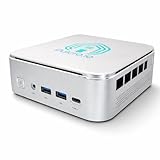
- 🌍 𝗔𝘀𝘀𝗲𝗺𝗯𝗹𝗲𝗱 𝗶𝗻 𝘁𝗵𝗲 𝗨𝗦𝗔 – Built and quality-checked in Texas with a 2-Year US-Based Limited Warranty for dependable long-term support.
- 🏠 𝗛𝗼𝗺𝗲 𝗔𝘀𝘀𝗶𝘀𝘁𝗮𝗻𝘁 𝗢𝗦 𝗣𝗿𝗲𝗶𝗻𝘀𝘁𝗮𝗹𝗹𝗲𝗱 – Ready to power your smart home locally with fast, reliable automation and no mandatory cloud dependence. A truly powerful smart home hub.
- ⚙️ 𝗗𝗲𝘀𝗶𝗴𝗻𝗲𝗱 𝗳𝗼𝗿 𝗖𝗼𝗻𝘁𝗶𝗻𝘂𝗼𝘂𝘀 𝗢𝗽𝗲𝗿𝗮𝘁𝗶𝗼𝗻 – Built for reliable 24/7 performance powering virtualization, automation, containers, storage, and professional workloads.
- 🧠 𝗖𝗵𝗼𝗼𝘀𝗲 𝗬𝗼𝘂𝗿 𝗣𝗿𝗼𝗰𝗲𝘀𝘀𝗼𝗿 𝗣𝗲𝗿𝗳𝗼𝗿𝗺𝗮𝗻𝗰𝗲 – Available with AMD R2314 (efficient 4-core), AMD R2514 (8-thread multitasking), or Intel Core i3-1215U (hybrid 6-core performance) to match your workload.
- 💾 𝗘𝘅𝗽𝗮𝗻𝗱𝗮𝗯𝗹𝗲 𝗥𝗔𝗠 & 𝗨𝗽 𝘁𝗼 𝟰𝗧𝗕 𝗡𝗩𝗠𝗲 𝗦𝘁𝗼𝗿𝗮𝗴𝗲 – Dual SO-DIMM slots support up to 64GB RAM. Dual NVMe SSD slots support up to 4TB total storage. Select installed memory and storage based on your needs.
Why Home Assistant Green is the easiest starting point
Home Assistant says Green is its recommended option for most people. Its product specifications list a Rockchip RK3566 quad-core Arm Cortex-A55 processor at 1.8 GHz, 4 GB LPDDR4X RAM, 32 GB eMMC storage, Gigabit Ethernet and two USB 2.0 ports. A universal 12 V power supply and Ethernet cable are included. These are specifications for Green, not a performance comparison with other hardware. Details are on the Home Assistant Green product page.
Because Home Assistant is already installed, Green avoids sourcing separate computer parts and flashing an operating-system image. You still need a wired network connection for initial setup and an appropriate place to leave the hub powered on.
Rank #2
- 🌍 𝗔𝘀𝘀𝗲𝗺𝗯𝗹𝗲𝗱 𝗶𝗻 𝘁𝗵𝗲 𝗨𝗦𝗔 – Built and quality-checked in Texas with a 2-Year US-Based Limited Warranty for dependable long-term support.
- 🏠 𝗛𝗼𝗺𝗲 𝗔𝘀𝘀𝗶𝘀𝘁𝗮𝗻𝘁 𝗢𝗦 𝗣𝗿𝗲𝗶𝗻𝘀𝘁𝗮𝗹𝗹𝗲𝗱 – Ready to power your smart home locally with fast, reliable automation and no mandatory cloud dependence. A truly powerful smart home hub.
- ⚙️ 𝗗𝗲𝘀𝗶𝗴𝗻𝗲𝗱 𝗳𝗼𝗿 𝗖𝗼𝗻𝘁𝗶𝗻𝘂𝗼𝘂𝘀 𝗢𝗽𝗲𝗿𝗮𝘁𝗶𝗼𝗻 – Built for reliable 24/7 performance powering virtualization, automation, containers, storage, and professional workloads.
- 🧠 𝗖𝗵𝗼𝗼𝘀𝗲 𝗬𝗼𝘂𝗿 𝗣𝗿𝗼𝗰𝗲𝘀𝘀𝗼𝗿 𝗣𝗲𝗿𝗳𝗼𝗿𝗺𝗮𝗻𝗰𝗲 – Available with AMD R2314 (efficient 4-core), AMD R2514 (8-thread multitasking), or Intel Core i3-1215U (hybrid 6-core performance) to match your workload.
- 💾 𝗘𝘅𝗽𝗮𝗻𝗱𝗮𝗯𝗹𝗲 𝗥𝗔𝗠 & 𝗨𝗽 𝘁𝗼 𝟰𝗧𝗕 𝗡𝗩𝗠𝗲 𝗦𝘁𝗼𝗿𝗮𝗴𝗲 – Dual SO-DIMM slots support up to 64GB RAM. Dual NVMe SSD slots support up to 4TB total storage. Select installed memory and storage based on your needs.
When a Raspberry Pi makes sense
A Raspberry Pi is an option, not a requirement. Home Assistant’s installation overview lists a Raspberry Pi 4 or 5 with at least 2 GB of RAM, plus a compatible power supply, microSD card and Ethernet connection. Unlike Green, a Pi setup means obtaining the pieces and flashing Home Assistant OS before completing setup without a monitor and keyboard.
In its Raspberry Pi 5 article, Home Assistant says the higher CPU clock made Home Assistant feel noticeably snappier in the project’s testing. That is an attributed observation, not a standardized benchmark comparing the Pi 5 against Green or mini PCs. The same guidance describes booting from an SD card and using an NVMe drive for data as an option. Read Home Assistant’s Raspberry Pi 5 guidance alongside the installation overview.
Rank #3
- 🌍 𝗔𝘀𝘀𝗲𝗺𝗯𝗹𝗲𝗱 𝗶𝗻 𝘁𝗵𝗲 𝗨𝗦𝗔 – Built and quality-checked in Texas with a 2-Year US-Based Limited Warranty for dependable long-term support.
- 🖥️ 𝗣𝗿𝗼𝘅𝗺𝗼𝘅 𝗩𝗘 + 𝗛𝗼𝗺𝗲 𝗔𝘀𝘀𝗶𝘀𝘁𝗮𝗻𝘁 – Preinstalled with Proxmox Virtual Environment and a ready-to-run Home Assistant VM, giving you a powerful, flexible platform for virtualization, automation, and self-hosted services - all in one system with full local control and no mandatory cloud dependence.
- ⚙️ 𝗗𝗲𝘀𝗶𝗴𝗻𝗲𝗱 𝗳𝗼𝗿 𝗖𝗼𝗻𝘁𝗶𝗻𝘂𝗼𝘂𝘀 𝗢𝗽𝗲𝗿𝗮𝘁𝗶𝗼𝗻 – Built for reliable 24/7 performance powering virtualization, automation, containers, storage, and professional workloads.
- 🧠 𝗖𝗵𝗼𝗼𝘀𝗲 𝗬𝗼𝘂𝗿 𝗣𝗿𝗼𝗰𝗲𝘀𝘀𝗼𝗿 𝗣𝗲𝗿𝗳𝗼𝗿𝗺𝗮𝗻𝗰𝗲 – Available with AMD R2314 (efficient 4-core), AMD R2514 (8-thread multitasking), or Intel Core i3-1215U (hybrid 6-core performance) to match your workload.
- 💾 𝗘𝘅𝗽𝗮𝗻𝗱𝗮𝗯𝗹𝗲 𝗥𝗔𝗠 & 𝗨𝗽 𝘁𝗼 𝟰𝗧𝗕 𝗡𝗩𝗠𝗲 𝗦𝘁𝗼𝗿𝗮𝗴𝗲 – Dual SO-DIMM slots support up to 64GB RAM. Dual NVMe SSD slots support up to 4TB total storage. Select installed memory and storage based on your needs.
Can you run Home Assistant on a mini PC?
Yes. Home Assistant’s generic x86-64 Home Assistant OS guide is for a dedicated 64-bit Intel- or AMD-based machine with UEFI. An existing mini PC may be suitable if it meets those requirements. The guide calls for enabling UEFI and disabling Secure Boot; an internal SATA or M.2 SSD is a typical storage arrangement.
Installing Home Assistant OS to the target disk replaces its prior contents. Back up any files you need before writing the image, and confirm that the intended drive is selected. Follow the generic x86-64 installation guide for the installation steps.
Rank #4
- 🌍 𝗔𝘀𝘀𝗲𝗺𝗯𝗹𝗲𝗱 𝗶𝗻 𝘁𝗵𝗲 𝗨𝗦𝗔 – Built and quality-checked in Texas with a 2-Year US-Based Limited Warranty for dependable long-term support.
- 🏠 𝗛𝗼𝗺𝗲 𝗔𝘀𝘀𝗶𝘀𝘁𝗮𝗻𝘁 𝗢𝗦 𝗣𝗿𝗲𝗶𝗻𝘀𝘁𝗮𝗹𝗹𝗲𝗱 – Ready to power your smart home locally with fast, reliable automation and no mandatory cloud dependence. A truly powerful smart home hub.
- ⚙️ 𝗗𝗲𝘀𝗶𝗴𝗻𝗲𝗱 𝗳𝗼𝗿 𝗖𝗼𝗻𝘁𝗶𝗻𝘂𝗼𝘂𝘀 𝗢𝗽𝗲𝗿𝗮𝘁𝗶𝗼𝗻 – Built for reliable 24/7 performance powering virtualization, automation, containers, storage, and professional workloads.
- 🧠 𝗖𝗵𝗼𝗼𝘀𝗲 𝗬𝗼𝘂𝗿 𝗣𝗿𝗼𝗰𝗲𝘀𝘀𝗼𝗿 𝗣𝗲𝗿𝗳𝗼𝗿𝗺𝗮𝗻𝗰𝗲 – Available with AMD R2314 (efficient 4-core), AMD R2514 (8-thread multitasking), or Intel Core i3-1215U (hybrid 6-core performance) to match your workload.
- 💾 𝗘𝘅𝗽𝗮𝗻𝗱𝗮𝗯𝗹𝗲 𝗥𝗔𝗠 & 𝗨𝗽 𝘁𝗼 𝟰𝗧𝗕 𝗡𝗩𝗠𝗲 𝗦𝘁𝗼𝗿𝗮𝗴𝗲 – Dual SO-DIMM slots support up to 64GB RAM. Dual NVMe SSD slots support up to 4TB total storage. Select installed memory and storage based on your needs.
Do you need a Zigbee or Z-Wave adapter?
No radio adapter is required just to run Home Assistant. You need one only if you want to connect devices that use a radio protocol your setup does not otherwise support. Home Assistant lists Connect ZBT-2 for Zigbee and Thread, and Connect ZWA-2 for Z-Wave. Check the Home Assistant hardware page for its current hardware options.
Choose based on the setup you want
- Choose Green if you want the least assembly and installation work for a dedicated hub.
- Choose a Raspberry Pi if you already have a compatible model or prefer a DIY setup and are comfortable flashing an image.
- Choose an x86-64 mini PC if you can dedicate a compatible machine and are comfortable configuring UEFI and installing to a disk.
- Choose a container or VM if you already administer the host system and want Home Assistant to share it with other services.
For a first dedicated installation, the simpler route is usually preferable to buying hardware for a theoretical performance advantage: the official documentation does not provide a like-for-like benchmark to establish one. Home Assistant’s hardware FAQ and installation overview outline the supported starting points.
Free tools Windows power users keep installed
One-click scans. No signup required.
Quick Recap
Best Value
- 🌍 𝗔𝘀𝘀𝗲𝗺𝗯𝗹𝗲𝗱 𝗶𝗻 𝘁𝗵𝗲 𝗨𝗦𝗔 – Built and quality-checked in Texas with a 2-Year US-Based Limited Warranty for dependable long-term support.
- 🏠 𝗛𝗼𝗺𝗲 𝗔𝘀𝘀𝗶𝘀𝘁𝗮𝗻𝘁 𝗢𝗦 𝗣𝗿𝗲𝗶𝗻𝘀𝘁𝗮𝗹𝗹𝗲𝗱 – Ready to power your smart home locally with fast, reliable automation and no mandatory cloud dependence. A truly powerful smart home hub.
- ⚙️ 𝗗𝗲𝘀𝗶𝗴𝗻𝗲𝗱 𝗳𝗼𝗿 𝗖𝗼𝗻𝘁𝗶𝗻𝘂𝗼𝘂𝘀 𝗢𝗽𝗲𝗿𝗮𝘁𝗶𝗼𝗻 – Built for reliable 24/7 performance powering virtualization, automation, containers, storage, and professional workloads.
- 🧠 𝗖𝗵𝗼𝗼𝘀𝗲 𝗬𝗼𝘂𝗿 𝗣𝗿𝗼𝗰𝗲𝘀𝘀𝗼𝗿 𝗣𝗲𝗿𝗳𝗼𝗿𝗺𝗮𝗻𝗰𝗲 – Available with AMD R2314 (efficient 4-core), AMD R2514 (8-thread multitasking), or Intel Core i3-1215U (hybrid 6-core performance) to match your workload.
- 💾 𝗘𝘅𝗽𝗮𝗻𝗱𝗮𝗯𝗹𝗲 𝗥𝗔𝗠 & 𝗨𝗽 𝘁𝗼 𝟰𝗧𝗕 𝗡𝗩𝗠𝗲 𝗦𝘁𝗼𝗿𝗮𝗴𝗲 – Dual SO-DIMM slots support up to 64GB RAM. Dual NVMe SSD slots support up to 4TB total storage. Select installed memory and storage based on your needs.
Product prices and availability are accurate as of the date/time indicated and are subject to change. Any price and availability information displayed on Amazon at the time of purchase will apply.

