
Recommended Free Tools
In shared (cross) margin, liquidation of one futures position can put other positions in the same margin pool at risk. The exchange may reduce or close additional positions—including profitable ones—if it needs to restore the account’s maintenance-margin requirements. It may stop once the account is adequately margined, or continue liquidating if the shortfall remains. The exact outcome depends on the exchange’s rules and which assets and positions share the pool.
Why one position can affect the others
Cross margin uses shared collateral to support multiple open positions. As a result, losses on one position can reduce the equity available to support the rest. OKX describes cross margin as sharing the entire margin balance among open positions; its margin calculation also accounts for items such as account balance and profit and loss on cross positions. OKX’s futures margin calculation rules


Liquidation is generally triggered when the collateral available for a position or account falls below its maintenance-margin requirement. Binance describes liquidation in terms of the collateral made available to maintain a position falling below the required margin. The trigger does not, by itself, mean every position will be closed at once. Binance Futures liquidation protocols
What the exchange may do during liquidation
There is no universal sequence for liquidating shared-margin positions. Exchanges can cancel orders, reduce positions incrementally, prioritize positions by risk or liquidity, and reassess whether the account has recovered after each action.
Do these 3 things before closing this tab:
1Fix the driver behind crashes, sound loss and screen glitches2Clear out junk files and repair common Windows errors3Scan for outdated or missing drivers - takes under a minute#1 Best Overall
Cancel orders and try to reduce exposure
Binance says its cross-mode process first cancels open orders, then attempts to reduce a position using an Immediate or Cancel order. If the remaining assets meet maintenance requirements after realized losses and the liquidation clearance fee, the process stops. If they do not, liquidation may continue. Binance Futures liquidation protocols
Reduce positions in stages
Kai Exchange describes a tiered procedure: cancel unfilled orders, lower the contract risk limit by one tier, and liquidate the amount exceeding that limit. It repeats the process if the account margin ratio has not recovered. Kai says its cross-mode liquidation order is based on market liquidity, rather than a universal rule that the losing position must always be handled first. Kai Exchange’s forced-liquidation process
Assess risk across a portfolio
Deribit describes portfolio liquidation that assesses risk and margin contribution across positions. In cross-collateral accounts, positions with different settlement currencies are combined and assessed in USD; its guidance says positions with the highest maintenance margin are liquidated first. Deribit also notes that its risk team may exercise discretion and that portfolio-margin liquidation can involve futures hedges or opening new futures positions to reduce delta risk. Deribit’s liquidation documentation
Could a profitable position be closed?
Yes. In cross margin, a position’s profit does not guarantee that it will remain open. Kai explicitly says a cross-mode position may be liquidated whether it is profitable or not. The exchange may close some positions and leave others open if the account ratio recovers; if it does not, it may continue reducing positions. Kai Exchange’s forced-liquidation process
Which positions and funds are exposed?
The relevant boundary is the margin pool, not simply the exchange account as a whole. Positions and collateral included in the same pool can affect one another; balances or assets outside it should not be assumed to be exposed. Check the exchange’s account configuration and product-specific margin rules.
Deribit illustrates the distinction: in its segregated standard-margin mode, liquidation is confined to the asset that lacks margin, while cross-collateral mode assesses the portfolio together. This is a venue-specific example, not a rule that applies to every exchange. Deribit’s liquidation documentation
What happens if liquidation does not cover the shortfall?
Some exchanges describe additional mechanisms for losses that remain after liquidation, but these are not guarantees that a trader will avoid losses. Binance says its insurance fund may cover bankrupt-position losses to the extent possible; if it cannot cover them, auto-deleveraging may affect opposing non-bankrupt traders. Binance also describes a liquidation clearance fee. Deribit says it assigns a liquidation fee to its insurance fund. Binance’s liquidation protocols and Deribit’s liquidation documentation
Independent reader supportYour contribution helps us test, update, and keep practical guides available for everyone.How to check your account’s liquidation rules
- Identify the margin mode and pool. Confirm whether the position is cross/shared or isolated, and which positions and assets are included in that pool.
- Find the actual trigger. Check the exchange’s maintenance-margin calculation and the reference price used to trigger liquidation, such as mark price if applicable.
- Read the liquidation sequence. Look for whether open orders are canceled, positions are reduced incrementally or together, and what determines which position is selected first.
- Check the recovery condition. Determine whether liquidation stops when maintenance requirements are met or can continue under other stated rules.
- Review loss-handling rules. Read how the exchange treats liquidation fees, bankrupt positions, insurance funds, and any auto-deleveraging mechanism.
Exchange documentation is essential because the liquidation order and process differ by venue, product, and account configuration. Binance, Kai, and Deribit describe different procedures; none establishes a universal rule for which contract closes first or whether all positions will be liquidated.
Quick Recap
Best Value
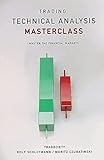
- Language: english
- Book - trading: technical analysis masterclass: master the financial markets
- It is made up of premium quality material.
Product prices and availability are accurate as of the date/time indicated and are subject to change. Any price and availability information displayed on Amazon at the time of purchase will apply.

