
Do these 3 things before closing this tab:
1Scan for outdated or missing drivers - takes under a minute2Clear out junk files and repair common Windows errors3Fix the driver behind crashes, sound loss and screen glitchesNoise in an EEG recording is activity captured alongside brain signals. It can come from the body—such as eye blinks, muscle tension, pulse, or sweat—or from electrodes, moving leads, grounding problems, mains electricity, and nearby equipment. The best first step is to identify the likely source in the raw recording, then correct the acquisition problem where possible; filters can also remove or distort useful EEG information.
What noise looks like in an EEG
Artifacts are signals that interfere with interpreting brain activity. Their appearance can suggest a cause, but no visual pattern alone proves it. Check when the disturbance occurs, which channels show it, and whether it changes with movement or other events.

- Frontal activity linked to blinking or eye movement: often reflects physiological activity rather than electrical interference.
- Fast, irregular activity or sudden spikes: may be associated with muscle tension, talking, chewing, movement, or an electrode disturbance.
- Slow baseline drift: can occur with sweat or changing electrode-skin contact.
- Rhythmic contamination: may come from cardiac or pulse signals. Pulse artifact can occur when an electrode is positioned over a blood vessel.
- Regular activity near 50 or 60 Hz: may indicate power-line interference. The relevant mains frequency depends on the electrical system.
- Channel-specific swings, unstable baselines, or signal interruptions: can point to loose contact, cable movement, or an electrode pop.
These categories can overlap. For example, movement can disturb a lead while also producing muscle activity, so inspect the circumstances and multiple channels rather than assuming every artifact has a single cause.
Common causes and the first remedy to try
| Likely source | Typical clue | First response |
|---|---|---|
| Eye movement or blinks | Prominent activity in frontal channels, associated with eye movement | Check whether the pattern follows blinks or gaze shifts; interpret it as a possible physiological artifact. |
| Muscle activity, talking, chewing, or movement | Fast activity, spikes, or changing waveforms around movement | Reduce avoidable movement and muscle tension, and stabilize the participant and leads. |
| Pulse or cardiac activity | Rhythmic contamination | Review electrode position; a pulse artifact may be related to an electrode over a blood vessel. |
| Sweat or poor electrode contact | Slow drift or degraded signal quality | Recheck contact and impedance. For a wet-electrode system, reapply compatible gel if appropriate and check contact again. |
| Loose electrode or moving cable | Sudden spikes, swings, interruptions, or unstable baseline | Secure the contact and lead, then inspect the affected channel again. |
| Power-line interference or ground loop | Persistent contamination near the local mains frequency | Review contact, impedance balance, grounding, shielding, lead layout, and nearby electrical sources before applying a notch filter. |
How to troubleshoot noise, in order
- Inspect the unprocessed recording. Examine raw traces over time and, if available, their frequency content. Note whether noise is continuous or intermittent, rhythmic or broadband, limited to certain channels, or linked to movement. Processing first can hide clues about the source.
- Check electrode contact and impedance. Confirm contacts are secure and review the system’s impedance readings at the start of recording. In its 2022 routine clinical EEG standards, IFCN and ILAE suggest below 5 kΩ and consider below 10 kΩ acceptable in that clinical context. These are not universal thresholds for every amplifier, electrode, cap, or protocol. The same guidance notes that higher impedances may be more vulnerable to sweat, movement, and electrode-pop artifacts, and that imbalance can compromise common-mode rejection. See the IFCN/ILAE routine EEG standards.
- Stabilize the physical setup. Secure leads to limit cable motion and address avoidable participant movement or posture changes. If sweat or poor contact is suspected, recheck the electrode. With wet electrodes, use only gel compatible with the recording system and follow its instructions; gel will not correct grounding or cable-motion problems. A 2024 human-participant protocol describes these and other artifact troubleshooting examples.
- Review the electrical environment. Check the grounding and reference setup, shielding, lead arrangement, and nearby electrical sources. A ground loop can contribute line-frequency noise. The AES/ILAE task-force report recommends correct setup and grounding before filtering line noise; although it focuses on animal EEG acquisition, this electrical guidance is relevant to troubleshooting. Read the AES/ILAE report.
- Process selectively, then compare. If line interference remains, a notch filter at the applicable 50 or 60 Hz frequency may reduce it. Use artifact rejection or component-based removal only with quality checks. Compare the processed signal with the raw recording and document what was changed or removed.
How to handle 50/60 Hz interference
A line-frequency pattern is a clue, not proof that filtering should be the first response. Poor contact or impedance imbalance, grounding and shielding problems, lead layout, ground loops, and nearby electrical sources can all contribute. Correcting an acquisition issue can prevent contamination without sacrificing signal content.
#1 Best Overall
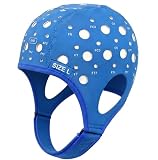
- Gain insights into brain activity with this EEG 10-20 cap during meditation.
- Elastic, thickened nylon-rubber composite material, featuring high elasticity and breathability, is suitable for long-term wear.
- 64 electrode holes per 10-20 system international standard.
If the interference persists after setup checks, use a notch filter matched to the electrical system’s mains frequency. A notch filter can also affect EEG information near that frequency, so inspect the result rather than assuming the filtered recording is automatically more reliable. The AES/ILAE report specifically favors proper grounding, referencing, and shielding over filtering because filtering can distort the signal and eliminate information.
Independent reader supportYour contribution helps us test, update, and keep practical guides available for everyone.Why filtering cannot fix every artifact
Artifacts differ in source and frequency content. A filter suited to persistent line noise will not necessarily resolve eye, muscle, pulse, sweat, or movement artifacts, and broad filtering can remove useful brain activity along with unwanted signal. Computational removal methods also involve trade-offs; an IEEE Access review concludes that there is no single method that works optimally for different EEG artifacts. Read the IEEE Access review.
Quick Recap
Best Value
Rank #4

- Gold-Plated Electrodes
- Durable Lead Wires
- EEG-Compatible Design
- Disc Electrodes Φ10mm
- Corrosion-Resistant Finish
Rank #3

- Good conductivity: copper multi-core flexible wire is used, which has low resistance and high conductivity, and can adapt to electrical equipment with different powers.
- Insulating skin is often made of PVC and other materials, which has the characteristics of temperature resistance, oil resistance, wear resistance, waterproof and corrosion resistance to prevent leakage and short circuit.
- Good waterproof and dustproof performance: water and dust can be prevented from entering the wiring harness through seals and coating materials, which will affect the electrical performance.
- According to the electrical system requirements of different equipment and models, customized design is carried out in terms of length, connection points and wiring methods.
- 10pcs Multicolor Din 1.5mm female plug and gold plated Copper cap electrode sleep brain EEG cable, 1.5m
Rank #2
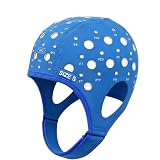
- 64-Point Reference Layout: Provides 64 reference points for accurate sensor placement during meditation and biofeedback training
- High Elastic Comfort Fit: Flexible, secure, and comfortable for extended use in training and research sessions
- Address preventable problems during acquisition, such as unstable contact, moving leads, or poor electrical setup.
- Choose processing for the suspected artifact rather than applying filters indiscriminately.
- Keep the raw recording available, compare it with the processed version, and record the processing choices.
Product prices and availability are accurate as of the date/time indicated and are subject to change. Any price and availability information displayed on Amazon at the time of purchase will apply.

