
A useful live chat scorecard measures four things together: how quickly customers receive a meaningful reply, whether their issue stays resolved, how customers rate the experience, and whether the team has enough capacity to deliver it. A fast first response alone can hide unresolved problems; a high satisfaction score can be hard to interpret if few customers respond to the survey. Define each metric, segment results by channel and issue, and use the numbers to test focused operational changes—not to chase a universal benchmark.
Build a balanced live chat scorecard
Start with a small set of measures tied to decisions your team can make. For each metric, record its start and end events, eligible conversations, exclusions, reporting period, and whether customer-pending time counts. Make the definition visible wherever the number is reported.
| Metric | What it tells you | Definition to state |
|---|---|---|
| First meaningful response time (FRT) | How long a customer waits for a useful reply | Arrival event, qualifying reply, and whether automation or acknowledgments count |
| Resolution time | How long it takes to reach a solution | First resolution versus final resolution, plus treatment of customer-pending time |
| First contact resolution (FCR) | Whether eligible issues are solved in the first interaction | Interaction boundary and follow-up window for reopens or repeat contacts |
| Customer satisfaction (CSAT) | How respondents rate the chat experience | Question, rating scale, period, and number or share of conversations rated |
| Queue wait and abandonment | How long customers wait to reach an agent and how often they leave first | Queue entry, agent connection, abandonment event, and eligible population |
| Workload and operational health | Whether volume and effort fit available capacity | Selected measures such as incoming volume, backlog, chats per agent, handling effort, touches, or escalations |
| AI handling and handoff | What automation resolves and what it transfers to people | Which conversations count as handled, resolved, or handed off, and how post-handoff feedback is measured |
Zendesk distinguishes first reply time as the time until a real human response; Salesforce describes a meaningful response and notes that teams may choose to count human or AI-assisted replies. Pick one rule and label it rather than mixing definitions in a trend line. See Zendesk’s guide to customer support metrics and Salesforce’s customer service KPI guidance.
First meaningful response time
Measure elapsed time from the customer’s request arriving to the first reply that meets your definition of meaningful. A receipt confirmation can reassure a customer that the message arrived, but it does not necessarily answer the question. If a bot gives substantive help, you may report that separately from the first human reply; do not let an automated acknowledgment make human response performance appear faster.
#1 Best Overall
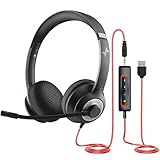
- ✅【Outstanding Noise cancelling Microphone】 The headphones with unidirectional boom 270°microphone that only picks up your voice and block out unwanted background noises. Also, you can wear it on the left or right ear as you like.
- ✅【All-Day Comfort for All Head Shape】 Eaglend always designed for all-day comfort using, there will be no restraint pressure, with the adjustable headbend fit adult and kids easily.The soft protein memory foam earpads is made of high-level breathable materials,ROHS certified materials prevent your ears from heat and sweat.
- ✅【Enhanced sound performance & 40mm audio driver】:Corded phone headset with built-in audio sound card, Eaglend sound lab tested thousands of times for your daily conversation/music/movie/gaming, bringing you extra clear and bass for pleasant experience.
- ✅【USB/3.5mm Connection】 The headphone is designed for multiple use, 3.5mm audio cable with USB In-line audio volume control (cord length 5+4 feet),with mic mute &indicators /speaker mute.Compatible with PC/Tablet/Mac/iOS/laptop /Android phone and other devices."
- ✅【Global warranty &multi-purpose】24 months warranty by eaglend. Great ideal for online courses, Skype chat, call center, Webinars Presentations, Office, Business, Rosetta Stone, Dragon Speaking, Conference Calls and more.
Resolution time and FCR
Keep first resolution separate from final or full resolution. A conversation can be marked solved quickly and then reopen, or require another contact for the same issue. Define the follow-up window that makes a reopen or repeat contact count, and report FCR only for eligible issues that are fully resolved in the first interaction under that rule. Total elapsed resolution time may include periods when no agent is actively working because the team is waiting for the customer.
CSAT, queues, and capacity
For CSAT, show the rating scale, survey period, and response coverage alongside the score. Read comments and compare issue and channel segments; an aggregate can conceal a poor experience in one part of the service. Queue wait and abandonment help explain access to support, while volume, backlog, agent workload, handling effort, touches, and escalations help explain whether the operation can meet demand. Track only workload measures that inform a decision.
AI and agent handoffs
Where chat automation is used, distinguish conversations contained by the bot from those handed to a person, and distinguish handling from resolution. Measure customer feedback after handoff separately where possible. A rising automation-handling rate does not by itself show that customers got a good outcome.
Make the numbers comparable over time
Keep channels and issue types distinct
Report website chat separately from email, phone, and social support. Customer expectations and response patterns differ by channel, so a pooled result can move simply because the channel mix changed. Segment further by issue or product area and time period when there is enough data for a useful comparison. Track incoming volume alongside response-time changes so launches, incidents, or demand spikes are not mistaken for an individual-agent performance problem.
What’s actually slowing this PC down?
Pick the symptom - the matching free tool is one click away.
Rank #2

- Digital Stereo Sound: Fine-tuned drivers provide enhanced digital audio for music, calls, meetings and more
- Rotating Noise Canceling Mic: Minimizes unwanted background noise for clear conversations; the rotating boom arm can be tucked out of the way when you’re not using it
- Handy In-line Controls: Simple in-line controls on the headset cable let you adjust the volume or mute calls without disruption
- Plug-and-Play USB Computer Headset: Simply plug the USB-A connector into your computer and you’re ready to talk or listen without the need to install software
- Padded Comfort: Comfortable headphones with adjustable headband features swivel-mounted, leatherette ear cushions for hours of comfort and is easy to clean
Show distributions and sample sizes
Averages make it easier to continue an existing dashboard, but a small number of very long conversations can skew them. Add a median or a distribution when outliers matter; Salesforce specifically identifies median resolution time as a way to account for outliers. Show the conversation count behind rates and survey scores, especially CSAT. LiveChat’s report, whose data was last updated in 2024, says only 6.7% of chats were rated, illustrating why a rating score needs its response coverage beside it.
Compare benchmarks cautiously
Benchmarks are reference points, not service targets. LiveChat’s 2024-updated report describes data from its platform across website visits, chats, and tickets; Comm100’s 2026 report summary covers more than 220 million live chat interactions across 18 industries. Both are vendor-reported samples, and their figures reflect their own populations and definitions. The retrieved sources do not establish a regulator- or standards-body-mandated live chat benchmark.
| Published figure | Source and qualification |
|---|---|
| 35 seconds average first response time | LiveChat report; data last updated 2024, based on its platform data. Not a universal target. |
| 8 minutes 25 seconds average chat duration | LiveChat report; data last updated 2024. Not a universal target. |
| 64.2% average CSAT on rated chats | LiveChat report; data last updated 2024. The report says 6.7% of chats were rated, so this is not a score for all chat customers. |
| 4 minutes 18 seconds average queue wait; 27.4% queue dropout | LiveChat report; data last updated 2024. Descriptive vendor figures, not service goals. |
| 75.3% AI agent chat handling rate | Comm100, 2026 report summary; vendor-reported sample. |
| 37.5% wait-time reduction for large teams | Comm100, 2026 report summary; stated for large teams in its vendor-reported sample. |
| 92.6% chatbot-to-agent handoff CSAT | Comm100, 2026 report summary; vendor-reported sample. |
Before comparing a company’s results with these figures, account for the source population, year, channel, industry, team size, automation mix, and metric definitions. A difference from a vendor sample does not prove that a team is performing well or poorly.
Use the scorecard to improve support
When a metric changes, investigate the operating conditions behind it before changing targets. Use customer feedback and conversation evidence alongside the operational numbers.
Rank #3
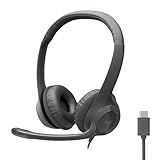
- Digital Stereo Sound: Fine-tuned drivers provide enhanced digital audio for calls, meetings, music, and more
- Rotating Noise-Canceling Mic: Minimizes unwanted background noise for clear conversations; the rotating boom arm can be tucked out of the way when not in use
- Handy Inline Controls: Simple inline controls on the headset cable let you adjust the volume or mute calls without disruption
- USB-C Plug-and-Play: Simply plug the USB-C cable into your computer, including MacBook Neo laptops, and you're ready to talk or listen without installing software.
- Padded Comfort: Comfortable USB C headphones with adjustable headband feature swivel-mounted, leatherette ear cushions for hours of comfort
If first response time rises
- Compare incoming volume with staffing by hour to find coverage gaps.
- Align schedules with the times customers actually arrive and add short-term capacity for predictable surges.
- Check routing and workflow delays, not just agent speed.
If resolution time rises
- Separate active handling time from time waiting for the customer.
- Review handoffs, missing intake information, and complex workflows that delay a complete answer.
- Compare first resolution with final resolution so a quick initial closure does not obscure a slow or incomplete outcome.
If FCR falls or reopens increase
- Review complex escalations, agent knowledge, and the questions asked at intake.
- Check whether speed incentives are encouraging closure before the customer has a complete answer.
- Add missing customer context or targeted training, then monitor whether reopens and repeat contacts decline.
If repeat questions or negative feedback rise
- For recurring, straightforward questions, improve a knowledge-base answer customers and agents can use.
- Share repeated product problems with the product team.
- For a CSAT dip, read comments and compare results by channel, issue, and resolution path to locate the source of dissatisfaction.
If queues or abandonment grow
- Compare queue demand with coverage by time of day and adjust staffing where arrivals exceed capacity.
- Review the waiting experience as well as the time spent waiting.
- Use queue and dropout figures to diagnose access problems, not as stand-alone agent-quality measures.
If AI handles more conversations
- Report bot-contained resolutions separately from human-assisted resolutions.
- Measure satisfaction on transferred conversations and examine whether the handoff preserved the customer’s context.
- Look beyond automation volume to whether the customer’s issue was resolved.
Run a focused review cycle
- Set the definitions. Document each metric’s start and end events, eligible population, exclusions, reporting period, and treatment of automation and waiting time.
- Establish a usable baseline. Record channel, issue mix, volume, sample size, and the measure’s average or distribution so later changes can be interpreted in context.
- Choose one or two changes. For each, name the operational action, the metric expected to move, and the customer outcome that must not worsen.
- Review after a defined period. Compare like-for-like segments, including volume and relevant feedback, and decide whether the change helped or needs adjustment.
- Recheck balance. Do not celebrate faster replies if reopens, repeat contacts, or negative feedback rise.
How to choose what belongs on the dashboard
- For queue management: prioritize arrival volume, staffing coverage, wait time, abandonment, and first meaningful response time.
- For service quality: pair FCR and final resolution with reopen or repeat-contact rates and CSAT response coverage.
- For capacity planning: use volume, backlog, chats per agent, handling effort, touches, and escalations in the combinations needed to explain workload.
- For automated support: separate bot handling, bot resolution, human-assisted resolution, handoffs, and post-handoff satisfaction.
Keep the dashboard small enough to support action. A metric earns its place when a team can define it consistently, interpret it in context, and use it to make a service decision.
Frequently Asked Questions
What are the most important live chat metrics?
A balanced core is first meaningful response time, resolution time, first contact resolution, CSAT with response coverage, queue wait and abandonment, plus a small number of workload measures. Add AI handling and handoff measures if your team uses chat automation.
Should an automated message count as a first response?
Only if your written definition says it qualifies as a meaningful reply. Keep receipt acknowledgments distinct from substantive bot help and human replies so response-time reporting stays interpretable.
What is a good live chat response time or CSAT target?
There is no regulator- or standards-body-mandated target established by the cited sources. Set goals using your channel, issue mix, customer expectations, staffing, metric definitions, and a baseline; treat vendor-report figures as context rather than universal standards.
The Tool Desk
Outbyte PC Repair FREERepair Windows errors before they cause bigger problemsFix Now →Outbyte Driver Updater FREEFix the driver behind crashes, sound loss and screen glitchesFind Drivers →Rank #4

- Digital Stereo Sound: Fine-tuned drivers provide enhanced digital audio for music, calls, meetings and more
- Rotating Noise Canceling Mic: Minimizes unwanted background noise for clear conversations; the rotating boom arm can be tucked out of the way when you’re not using it
- Handy In-line Controls: Simple in-line controls on the headset cable let you adjust the volume or mute calls without disruption
- Plug-and-Play USB Computer Headset: Simply plug the USB-A connector into your computer and you’re ready to talk or listen without the need to install software
- Padded Comfort: Comfortable headphones with adjustable headband features swivel-mounted, leatherette ear cushions for hours of comfort and is easy to clean
Why should CSAT include response coverage?
A rating represents respondents, not automatically every customer who chatted. Showing how many chats were rated, along with the scale and period, makes the score easier to interpret.
How do you measure first contact resolution in live chat?
Count eligible issues fully resolved in the first interaction, define what ends that interaction, and set a follow-up window for detecting reopens or repeat contacts. State the rule in the report.
Should live chat metrics be combined with email or phone metrics?
Usually report them separately because channel expectations and response patterns differ. Cross-channel rollups can be useful for an overall view, but should not replace channel-specific results.
Quick Recap
Product prices and availability are accurate as of the date/time indicated and are subject to change. Any price and availability information displayed on Amazon at the time of purchase will apply.
Free tools Windows power users keep installed
One-click scans. No signup required.

