
The Tool Desk
Outbyte PC Repair FREERepair Windows errors before they cause bigger problemsFix Now →Outbyte Driver Updater FREEFix the driver behind crashes, sound loss and screen glitchesFind Drivers →Dyed diesel is ordinary diesel fuel with red dye added. An obvious red tint is the main visual clue, but color alone cannot establish the fuel’s tax status, sulfur level, quality, or whether a particular use is legal. Check the pump or container labels and fuel paperwork, then consult the rules where the fuel will be used.
How to identify dyed diesel
Look for a red tint in the fuel, then corroborate it with the source and paperwork. North Carolina’s Department of Revenue describes dyed diesel as regular diesel fuel with red dye added: Guide for Dyed Diesel Use.
- Inspect the fuel: Red coloring is the ordinary visible sign of dyed diesel. Appearance is a clue, not a conclusive test.
- Check labels: Look at the dispensing pump, storage tank, or container for a dyed-fuel notice.
- Review the paperwork: Check the invoice, bill of lading, or other delivery documents. IRS Publication 510 specifies the notice “DYED DIESEL FUEL, NONTAXABLE USE ONLY, PENALTY FOR TAXABLE USE” in applicable sales and delivery contexts: Publication 510 (12/2025), Excise Taxes.
If the fuel’s identity matters for a legal or operational decision and its appearance or records are unclear, contact the supplier or the relevant state fuel-tax authority. The reviewed official guidance does not establish a consumer test kit or field protocol that conclusively distinguishes dyed from undyed fuel. Illinois describes sampling as part of authorized enforcement inspections: Dyed Diesel Fuel Enforcement Program.
Dyed and undyed diesel: what the difference tells you
| What to compare | Dyed diesel | Undyed diesel |
|---|---|---|
| Visible appearance | Red dye has been added; a red tint is the usual visual clue. | Does not have deliberately added red dye. |
| Labels and records | Relevant pumps, delivery facilities, and documents may carry a dyed-fuel notice. | Check the pump and sales documents to confirm what was supplied. |
| Stated intended use | Associated with non-taxable or off-road use; applicable restrictions depend on jurisdiction. | Tax-paid, undyed fuel is generally the relevant category for ordinary highway use, subject to local rules. |
| What color establishes | Indicates dye was added; it does not by itself establish sulfur level, engine compatibility, or overall fuel quality. | The absence of visible red dye does not establish sulfur level, engine compatibility, or overall fuel quality. |
What red color does—and does not—mean
Red dye is used to identify fuel designated for non-taxable or off-road use. It is not a reliable shortcut for determining sulfur content. In a 2020 final rule, the EPA explained that red dye had ceased to be a meaningful screening signal for sulfur-standard compliance as off-road fuel standards changed. The rule removed EPA’s requirement that motor-vehicle diesel be free of visible red dye, while recognizing the separate Internal Revenue Code dye requirement for qualifying tax-exempt fuel: EPA 2020 final rule.
Quick wins for a faster PC:
Repair Windows errors before they cause bigger problemsFix Now →Fix the driver behind crashes, sound loss and screen glitchesFind Drivers →Clear out junk files and repair common Windows errorsFree Scan →#1 Best Overall

- Accurate Detection in Seconds: Identify water contamination quickly, ensuring diesel quality and protecting your engine.
- Compatible with All Diesel Systems: Perfect for diesel tanks, backup generators, boats, trucks, and agricultural equipment.
- Easy-to-Use Testing Solution: Simple instructions make testing your fuel hassle-free—no special tools required.
- Reliable Results, Every Time: Trusted by professionals for routine maintenance and preemptive quality checks.
- Portable & Cost-Effective: Compact kit for on-the-go testing—save time and money by catching issues early.
Therefore, do not infer that a red sample is necessarily high-sulfur, or that an undyed sample meets a particular sulfur specification. The 15 ppm sulfur standard discussed by EPA is a regulatory limit, not a test result for any individual sample.
Why the label and location matter
Federal rules and state fuel-tax laws govern dyeing, required notices, and permitted use. IRS Publication 510 (December 2025 edition) describes federal dye composition and mechanical injection requirements, notices, and penalties for misuse or dye alteration. States may add requirements and penalties; one state’s rule should not be assumed to apply nationwide.
Rank #2
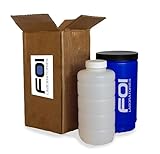
- LAB TESTING NOT INCLUDED — This purchase is the life-safety FOI diesel fuel sample collection and shipping kit. It provides the materials and documentation needed to properly collect in continuity and submit a diesel fuel sample to a laboratory. Laboratory analysis and testing fees are purchased separately.
- FIRST STEP IN THE CONTINUITY WORKFLOW — The standby sample kit establishes the prepared starting point for an FOI fuel-quality event. Having the correct sampling materials, documentation, and shipping pathway, stand-by ready, allows the continuity workflow and chain of custody to begin at the time the sample is taken rather than after materials must be sourced.
- ESTABLISHES DOCUMENTED SAMPLE CUSTODY — The included Sample Information Form (SIF), container, secondary containment, absorbent materials, isolation packaging, and instructions support a documented chain of custody, tracking the sample from the source thru final record.
- WHAT'S INCLUDED — A engineered life-safety diesel-compatible sample container, secondary containment, absorbent material, isolation packaging, shipping carton, Sample Information Form, and collection/shipping instructions for shipping a diesel sample safely.
- LABORATORY ANALYSIS AVAILABLE SEPARATELY — After collection, the sample may be submitted to FOI Laboratories for the appropriate ASTM D975 / NFPA 110 fuel-quality testing package. Laboratory testing is not included with the purchase of this kit.
For example, Illinois says tax-paid, undyed diesel is the fuel allowed in ordinary tanks of specified highway-registered vehicles and recreational watercraft in that state, and it lists enforcement penalties. North Carolina describes its own off-road-use rule and penalties. Montana also identifies dyed diesel with off-road use. Check the current rules for the state where the fuel will be used before relying on it in a vehicle or equipment.
Independent reader supportYour contribution helps us test, update, and keep practical guides available for everyone.If you still cannot identify the fuel
- Compare the visible appearance with the pump or container label.
- Match the invoice or bill of lading to the tank or delivery in question.
- If the records conflict or the result affects legal use, ask the supplier to verify the product and contact the applicable state fuel-tax authority.
Do not treat color alone as proof of legal status or fuel specification. The authoritative guidance cited here does not provide a consumer field test that resolves an uncertain sample.
Do these 3 things before closing this tab:
1Scan for outdated or missing drivers - takes under a minute2Repair Windows errors before they cause bigger problems3Fix the driver behind crashes, sound loss and screen glitchesQuick Recap
Best Value
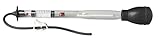
- OTC's 6750 Diesel Fuel Hydrometer allows technicians to quickly troubleshoot engine performance problems and measure #1 and #2 grade diesel fuel quality
- Hydrometer measurements are given as an American Petroleum Institute (API) gravity reading when testing diesel fuel composition and combustion characteristics
- Fuel is drawn into the hydrometer tube which then floats the internal bulb float; Internal float contains a thermometer that is used to compensate the API reading for the highest accuracy
- Hydrometer Scale: 30 to 110; Correction Scale: +2.5 to -5.0; applications include #1 and #2 grade diesel fuels
- Similar to OE tool number J-38641-D; Instructions included
Rank #4
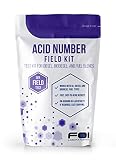
- Accurate Detection in Seconds: Identify Acid Number quickly, ensuring diesel quality and protecting your engine.
- Compatible with All Diesel Systems: Perfect for diesel tanks, backup generators, boats, trucks, and agricultural equipment.
- Easy-to-Use Testing Solution: Simple instructions make testing your fuel hassle-free—no special tools required.
- Reliable Results, Every Time: Trusted by professionals for routine maintenance and preemptive quality checks.
- Portable & Cost-Effective: Compact kit for on-the-go testing—save time and money by catching issues early.
Rank #3

- Made in United States
Product prices and availability are accurate as of the date/time indicated and are subject to change. Any price and availability information displayed on Amazon at the time of purchase will apply.

