
Start by confirming the person’s exact facility and jurisdiction. In U.S. federal Bureau of Prisons (BOP) custody, contact between visits may include phone calls, TRULINCS electronic messages, and postal mail—but availability, approvals, costs, and limits depend on the person and facility. State prisons, local jails, and prisons outside the United States may use different systems, so follow the facility’s current instructions.
1. Confirm the facility and jurisdiction
Find out whether the person is held in a federal prison, a state prison, a local jail, or a facility outside the United States. Then use that corrections agency’s official website or contact the facility directly. Federal BOP rules do not govern state or local custody; USAGov directs people seeking state or local information to the relevant corrections department.


Before choosing an app or sending anything, ask the facility which communication methods are currently available and where to find its instructions. Providers, permissions, costs, mail procedures, and schedules can vary and change.
2. Find out which contact methods are available
For people in BOP custody, the agency lists telephone calls, electronic messaging through TRULINCS, and written correspondence as ways to maintain contact. BOP encourages correspondence with family, friends, and other community contacts, but access to any particular method is conditional. Ask the person or facility what they can use and what you must do first.
Recommended Free Tools
#1 Best Overall

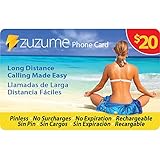
- Up to 415 Domestic Minutes. Dialing Instructions: Dial the appropriate access number from the phone card, when prompted enter PIN number, then your destination number including the country code. Important: do not press talk button after international number, do not call from your phone contacts after dialing pin number or you will be billed at your carrier rates. No reimbursement of such phone company or hotel charges allowed.
- Call Africa: Nigeria Ethiopia Egypt Democratic Republic of the Congo South Africa Tanzania Kenya Sudan Algeria Uganda Morocco Mozambique Ghana Angola Ivory Coast Madagascar Cameroon Niger Burkina Faso Mali Malawi Zambia Somalia Senegal Chad Zimbabwe Rwanda Tunisia Guinea Benin Burundi South Sudan Togo Eritrea Sierra Leone Libya Republic of the Congo Central African Republic Liberia Mauritania Namibia Botswana
- Call Europe: Russia Germany Turkey France United Kingdom Italy Spain Ukraine Poland Romania Kazakhstan Netherlands Belgium Greece Czech Republic Portugal Sweden Azerbaijan Hungary Belarus Austria Switzerland Bulgaria Serbia Denmark Finland Slovakia Norway Ireland Croatia Georgia Moldova Bosnia and Herzegovina Armenia Albania Lithuania North Macedonia Slovenia Latvia Kosovo Estonia Cyprus Montenegro Luxembourg Malta Iceland Andorra Monaco Liechtenstein San Marino Vatican City
- Call MidEast: Iran Turkey Iraq Saudi Arabia Yemen Syria Jordan United Arab Emirates Israel Lebanon Palestine Oman Kuwait Qatar Bahrain Call Latin America: Brazil Colombia Argentina Peru Venezuela Chile Ecuador Bolivia Paraguay Uruguay Guyana Suriname FrenchGuiana Falkland Islands
- Call Asia: China India Japan South Korea North Korea Afghanistan Armenia Azerbaijan Bahrain Bangladesh Bhutan Brunei Cambodia Georgia Kazakhstan Kyrgyzstan Laos Lebanon Malaysia Maldives Mongolia Myanmar Nepal Oman Pakistan Singapore Sri Lanka Taiwan Tajikistan Thailand Timor-Leste Turkmenistan Uzbekistan Vietnam Yemen
| Method | What to confirm | Privacy and practical limits |
|---|---|---|
| Telephone calls | Whether the person can call you, any account or approval steps, and when calls are permitted. | BOP says calls are monitored, subject to limited exceptions for unmonitored attorney calls. Its legal guide says telephone time is ordinarily limited to 300 minutes per calendar month for federal BOP inmates; this is not a rule for every prison or a guarantee for every person. |
| TRULINCS electronic messages | Whether the person is approved to use the system and whether you must consent or complete any enrollment steps. | BOP describes messages as text-only, with no attachments; messages are monitored and screened. TRULINCS is not internet access for inmates. Availability and limits should be confirmed with the facility. |
| Postal correspondence | The current mailing address and format, permitted contents, and local mail-processing instructions. | BOP distinguishes general mail from special or legal mail, which have different handling procedures. Do not assume a personal letter is confidential. |
BOP’s Community Ties information explains its federal communication options. The BOP Legal Guide provides further details on federal calls and mail categories. Those descriptions are specific to BOP custody, not a universal prison standard.
3. Set expectations about monitoring and privacy
Assume ordinary calls and electronic messages may be monitored. BOP states that its calls are monitored, with limited exceptions for unmonitored attorney calls, and that TRULINCS messages are monitored and screened. Do not use an ordinary call or public messaging contact for a communication that needs to be privileged. For legal communications, ask the facility or the person’s lawyer how to arrange the applicable protected channel.
Rank #2

- Dialing Instructions: Dial the appropriate access number from the phone card, when prompted enter PIN number, then your destination number including the country code. Important: do not press talk button after international number, do not call from your phone contacts after dialing pin number or you will be billed at your carrier rates. No reimbursement of such phone company or hotel charges allowed.
- Call Africa: Nigeria Ethiopia Egypt Democratic Republic of the Congo South Africa Tanzania Kenya Sudan Algeria Uganda Morocco Mozambique Ghana Angola Ivory Coast Madagascar Cameroon Niger Burkina Faso Mali Malawi Zambia Somalia Senegal Chad Zimbabwe Rwanda Tunisia Guinea Benin Burundi South Sudan Togo Eritrea Sierra Leone Libya Republic of the Congo Central African Republic Liberia Mauritania Namibia Botswana
- Call Europe: Russia Germany Turkey France United Kingdom Italy Spain Ukraine Poland Romania Kazakhstan Netherlands Belgium Greece Czech Republic Portugal Sweden Azerbaijan Hungary Belarus Austria Switzerland Bulgaria Serbia Denmark Finland Slovakia Norway Ireland Croatia Georgia Moldova Bosnia and Herzegovina Armenia Albania Lithuania North Macedonia Slovenia Latvia Kosovo Estonia Cyprus Montenegro Luxembourg Malta Iceland Andorra Monaco Liechtenstein San Marino Vatican City
- Call MidEast: Iran Turkey Iraq Saudi Arabia Yemen Syria Jordan United Arab Emirates Israel Lebanon Palestine Oman Kuwait Qatar Bahrain Call Latin America: Brazil Colombia Argentina Peru Venezuela Chile Ecuador Bolivia Paraguay Uruguay Guyana Suriname FrenchGuiana Falkland Islands
- Call Asia: China India Japan South Korea North Korea Afghanistan Armenia Azerbaijan Bahrain Bangladesh Bhutan Brunei Cambodia Georgia Kazakhstan Kyrgyzstan Laos Lebanon Malaysia Maldives Mongolia Myanmar Nepal Oman Pakistan Singapore Sri Lanka Taiwan Tajikistan Thailand Timor-Leste Turkmenistan Uzbekistan Vietnam Yemen
4. Send postal mail only after checking the facility’s instructions
A letter can be a practical way to keep in touch where the facility allows it. Before mailing, verify the current address, required addressing format, permitted contents, and any processing instructions with the facility. General mail and special or legal mail can be handled differently, so follow the facility’s current rules rather than assuming that personal correspondence is confidential.
Acceptance rules for packages, photos, stationery, and other items are not universal. Do not assume an item can be sent just because it is commonly accepted elsewhere; check the specific institution’s instructions first.
Do these 3 things before closing this tab:
1Fix the driver behind crashes, sound loss and screen glitches2Repair Windows errors before they cause bigger problems3Scan for outdated or missing drivers - takes under a minute5. Arrange the next visit using the institution’s rules
If you are planning another visit, check the facility’s visitor approval process and visiting schedule before traveling. BOP instructs visitors to consult the relevant institution’s regulations and schedule; the BOP visiting page links to federal institution information. Confirm approval and hours directly with the facility if anything is unclear.
Independent reader supportYour contribution helps us test, update, and keep practical guides available for everyone.6. Ask about deposits only if the facility says they are needed
Do not assume you must deposit money to communicate or that one payment service works at every facility. For federal custody, BOP provides deposit procedures and accepted payment information; its instructions say to wait until the person has physically arrived at a BOP facility. Other jurisdictions may have different procedures, so verify the current facility guidance before sending money.
Quick Recap
A short checklist before you make contact
- Confirm the person’s exact facility and whether custody is federal, state, local, or outside the United States.
- Ask which methods the person can use and whether you need approval, consent, or enrollment.
- Check the facility’s rules for monitoring, access limits, schedules, and costs.
- For mail, verify the address, format, accepted contents, and handling category.
- Before visiting, confirm visitor approval and hours directly with the institution.
- Use a deposit service only after checking the facility’s current instructions.
Product prices and availability are accurate as of the date/time indicated and are subject to change. Any price and availability information displayed on Amazon at the time of purchase will apply.

