
Quick wins for a faster PC:
Clear out junk files and repair common Windows errorsFree Scan →Scan for outdated or missing drivers - takes under a minuteDriver Scan →To start a food blog, choose a specific audience and cooking focus, set up a name, domain, and publishing platform, then publish original recipes that are easy to make and follow. Begin with the equipment you have, add recipe structured data when it fits, and grow readership through a mix of search, social channels, and email. Treat revenue as a later possibility—not a guaranteed result.
1. Decide who your food blog is for
Start with a reader and a cooking problem, not a broad label such as “easy recipes.” A clear focus helps you decide what to publish and gives visitors a reason to return. Examples include budget dinners for busy families, gluten-free baking, or high-protein vegetarian meal prep; these are possible directions, not proven formulas for success. Member Kitchens’ 2026 guide offers similar niche examples.


![The Adobo Road Cookbook: A Filipino Food Journey-From Food Blog, to Food Truck, and Beyond [Filipino Cookbook, 99 Recipes]](https://m.media-amazon.com/images/I/51c9523HMpL._SL160_.jpg)
- Audience: Who do you want to help?
- Need: What do they want to cook, and what makes it difficult?
- Perspective: What useful approach, experience, or point of view will shape your recipes?
Use those answers to set a practical editorial boundary. For example, “weeknight vegetarian meals for people with limited time” is easier to plan around than “food.” You can broaden your coverage as you learn what readers respond to.
2. Choose a name, domain, and publishing platform
Pick a name that is easy to spell and remember, then check whether a suitable domain is available. Before committing, consider whether the name still fits if your recipes evolve. Your platform choice is a trade-off between convenience and control; there is no single best option for every new blogger.
Crashes, No Sound, or Screen Glitches?
Random freezes, missing sound and display glitches usually trace back to one bad driver. Find and replace yours safely.Free scan · under a minutePC Slower Than It Used to Be?
A free scan shows the junk files, broken settings and background clutter dragging Windows down - then fixes them in one click.Free scan · Windows 10 & 11#1 Best Overall
| Option | Setup and maintenance | Control and portability | Cost |
|---|---|---|---|
| Hosted service | Often simpler to get started; the service manages more of the technical upkeep. | Features and portability depend on the service’s rules and export options. | Provider pricing varies and is not established here. |
| Self-hosted WordPress | Requires choosing hosting and handling or arranging updates and maintenance. | Offers more flexibility, while moving a site still takes planning. | Total cost depends on hosting, domain, and any paid tools; current provider prices are not established here. |
For a comparison of setup considerations, see WPZOOM’s food-blog guide and WordPress.com’s guide. Check current features, export options, support, and renewal costs directly with providers before signing up; the published guides do not establish a universal platform winner or current provider prices.
3. Publish recipes that genuinely help readers
A recipe post should help someone decide whether to make the dish and then make it successfully. Include the information a cook needs: ingredients with useful measurements, clear steps in the order they happen, timing where you can support it, and notes that address likely substitutions or technique questions. Add original photos and explain details that matter to the result rather than padding the page with generic text.
Rank #2

- Food Rules
Google says its automated ranking systems are designed to prioritize helpful, reliable information created to benefit people rather than content made to manipulate rankings. Its guidance recommends assessing whether a page offers original information, research, analysis, or a substantial, complete description. Read Google’s people-first content guidance as an editorial check, not a promise of search visibility.
4. Format recipe pages for readers and search engines
Use a consistent recipe layout so readers can scan ingredients and instructions without hunting through unrelated material. A dedicated recipe card can organize those details, but formatting alone does not guarantee a search feature or more visitors.
Recipe structured data can help Google understand recipe content, and eligible pages may receive recipe enhancements. Eligibility does not guarantee a rich result or traffic. Follow the required properties and content guidelines in Google’s recipe structured data documentation, then validate the implementation with Google’s available testing tools. Keep structured data accurate and consistent with what readers can see on the page.
5. Photograph food with the equipment you have
You do not need a professional camera to begin. A phone and available light are reasonable starting points; focus first on making the food look clear and appetizing. Try window light, tidy the frame, and take several angles so you can choose an image that helps explain the dish.
A phone tripod or stand is an optional, relatively simple way to steady a phone for overhead shots or video. It is useful when your hands need to be free, but it is not a prerequisite. Food-photography equipment suggestions from Farmgirl Gourmet and Zaytouna Studio include stands or tripods as practical aids. Add lighting or a dedicated camera only if your workspace, image needs, or video workflow makes the upgrade worthwhile.
6. Build readership across more than one channel
Search can help people find recipes when they are looking for them, while visual and social channels can put food in front of new audiences. An email list gives interested readers a way to hear from you again without relying entirely on a third-party feed or search result. Choose channels you can maintain and use them to point readers toward useful, complete recipes on your site.
Best Value
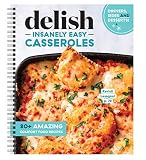
- Amazing recipes for dinner, appetizers, brunch, even dessert!
- The 184-page spiral-bound cookbook lays flat so you can keep both hands on cooking without losing your page.
- Each recipe includes a full-page color photo of the finished dish so you know what to expect.
- It’s loaded with easy-to-make crowd-pleasers, comfort classics, over-the-top spins on familiar favorites — and it can go from the oven to the table all in one dish.
There is no reliable promise that a particular posting schedule, platform, or tactic will produce a specific audience size. Build a repeatable publishing routine, make it easy for readers to subscribe, and pay attention to which topics and formats generate meaningful engagement.
Independent reader supportYour contribution helps us test, update, and keep practical guides available for everyone.7. Consider monetization without compromising trust
Once you have useful content and an audience, possible revenue routes include advertising, affiliate links, sponsored endorsements, or products of your own. Each has a different workload and relationship to reader trust; none should be treated as dependable income in advance. Specific ad-network thresholds, revenue figures, and affiliate-program terms are not established here, so check the current terms of any service you consider.
If you publish an endorsement or affiliate recommendation, make the relationship clear where readers encounter the endorsement. The U.S. Federal Trade Commission says disclosures should be easy to notice and placed with the endorsement; a notice buried in a profile, at the end, or behind a “more” click may be missed. The FTC also notes that U.S. law may apply to posts made abroad when effects on U.S. consumers are reasonably foreseeable. See FTC guidance for social media influencers, and check the rules that apply in other jurisdictions.
Quick Recap
Product prices and availability are accurate as of the date/time indicated and are subject to change. Any price and availability information displayed on Amazon at the time of purchase will apply.
The Tool Desk
Outbyte PC Repair FREERepair Windows errors before they cause bigger problemsFix Now →Outbyte Driver Updater FREEFix the driver behind crashes, sound loss and screen glitchesFind Drivers →
