
Quick wins for a faster PC:
Clear out junk files and repair common Windows errorsFree Scan →Fix the driver behind crashes, sound loss and screen glitchesFind Drivers →Repair Windows errors before they cause bigger problemsFix Now →If you suspect an infostealer, disconnect the affected device from the internet, then secure your important accounts from a separate device you trust. Change passwords and revoke active sessions: a password reset alone may not invalidate stolen cookies or tokens. After that, scan and remediate the affected device, and keep monitoring accounts for unfamiliar activity.
What should you do first if you suspect an infostealer?
- Disconnect the suspected device. Turn off Wi-Fi and unplug any wired network connection. Do not use that device to change passwords, check email, or sign in to financial or other sensitive accounts.
- Use a separate, known-clean device. Use a device you have reason to trust, such as a different computer or phone that is not showing signs of infection. Microsoft’s guidance for RedLineStealer recommends isolating the affected device and changing passwords from a separate clean device.
- Involve your organization if it is a work device. Contact your employer’s IT or security team and follow its incident process, especially if the device contains work credentials, VPN access, or company data. Do not attempt an independent cleanup that could interfere with the organization’s response.
An infostealer may collect more than saved passwords. Microsoft describes infostealers as malware designed to steal data stored in browsers. Depending on the malware and device, exposed information may include session cookies or tokens, autofill and form data, payment details, files, and cryptocurrency wallet data. A malware’s capabilities do not prove which information was actually taken from a particular device.
How do you secure accounts if passwords were stolen?
Work from the clean device. Prioritize accounts that could unlock or reset others, then revoke sessions and remove access you do not recognize. Microsoft’s RedLine guidance and Microsoft 365 compromised-account guidance both include session revocation as part of recovery.
Secure accounts in this order
- Primary email and identity-provider accounts. These often control password resets for other services. Set a new, unique password. Check recovery email addresses and phone numbers, authentication methods, forwarding and inbox rules, and connected applications.
- Financial accounts. Change passwords for banking, payment, and investment services, and review recent activity and account changes. Contact the provider promptly if you see an unfamiliar transaction or change.
- Work, VPN, and administrator accounts. Follow your organization’s directions rather than relying on a personal cleanup. Prioritize accounts that can access sensitive systems or data.
- Other important accounts. Change any other password that was saved in the affected browser, reused elsewhere, or entered on the suspected device. Use a distinct password for each account.
Sign out existing sessions and remove unknown access
In each provider’s security settings, use controls such as Sign out everywhere, Revoke sessions, or Sign out of all devices, then remove unfamiliar signed-in devices. Names and locations vary by service. This matters because a stolen session cookie or token can sometimes continue to authenticate access even after you change the account password.
Free tools Windows power users keep installed
One-click scans. No signup required.
#1 Best Overall

- Does Not Fix Hardware Issues - Please Test Your PC hardware to be sure everything passes before buying this USB Windows 11 Software Recovery USB.
- Make sure your PC is set to the default UEFI Boot mode, in your BIOS Setup menu. Most all PC made after 2013 come with UEFI set up and enabled by Default
- Does Not Include A KEY CODE, LICENSE OR A COA. Use your Windows KEY to preform the REINSTALLATION option
- Free tech support
Review connected apps and revoke consent for anything you do not recognize or no longer use. Check for unfamiliar app passwords as well. Microsoft’s Microsoft 365 guidance notes that resetting the main password does not automatically revoke app passwords.
Can an infostealer steal cookies or bypass MFA?
It can steal browser session cookies or tokens. Some can carry evidence that a user has already authenticated, including an MFA claim. That means an attacker may be able to use a stolen, still-valid session without repeating the usual sign-in challenge. It does not mean every infostealer bypasses every MFA method, or that every stolen cookie will work.
For that reason, treat saved credentials and authenticated sessions as separate recovery tasks: change exposed passwords and revoke active sessions. If MFA seeds, authenticator data, or recovery codes were stored on the affected device, replace or rotate them from the clean device. Remove unknown authentication methods and generate new recovery codes where the provider supports it.
Rank #2

- Dual USB-A & USB-C Bootable Drive – compatible with nearly all Windows PCs, laptops, and tablets (UEFI & Legacy BIOS). Works with Surface devices and all major brands.
- Fully Customizable USB – easily Add, Replace, or Upgrade any compatible bootable ISO app, installer, or utility (clear step-by-step instructions included).
- Complete Windows Repair Toolkit – includes tools to remove viruses, reset passwords, recover lost files, and fix boot errors like BOOTMGR or NTLDR missing.
- Reinstall or Upgrade Windows – perform a clean reinstall of Windows 7 (32bit and 64bit), 10, or 11 (amd64 + arm64) to restore performance and stability. (Windows license not included.). Includes Full Driver Pack – ensures hardware compatibility after installation. Automatically detects and installs drivers for most PCs.
- Premium Hardware & Reliable Support – built with high-quality flash chips for speed and longevity. TECH STORE ON provides responsive customer support within 24 hours.
For future protection, consider phishing-resistant sign-in options such as passkeys or WebAuthn where your provider supports them. A FIDO2 security key is one possible option, but compatibility and recovery arrangements vary by account. It is an authentication measure, not a way to remove malware or invalidate old sessions.
Recommended Free Tools
How do you remove an infostealer from the device?
Once accounts are being secured from a separate device, remediate the affected one. Keep it disconnected while deciding how to proceed. Microsoft’s most direct removal steps concern its RedLineStealer threat entry and include Windows-specific examples; those examples should not be treated as universal instructions for every malware family or operating system.
Scan and remove detected threats
- Update the definitions for a trusted antimalware product, then run a full scan.
- Remove detected malware and investigate unauthorized security exclusions or other changes identified by the security product.
- If the infection persists, you cannot establish that the device is trustworthy, or it was used for sensitive work, get qualified technical help or follow a clean reinstall process appropriate to that operating system.
Automatic threat removal may leave remnants or system changes. A scan that reports no threats is useful, but it cannot establish that no data was stolen or prove that every trace of an infection is gone.
Rank #3
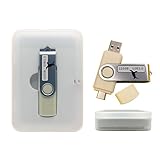
- Supports UEFI and Legacy BIOS boot on many PCs and laptops. If boot issues occur, check Secure Boot settings and use the included boot instructions.
- Complete All-in-One Dual USB-A & USB-C System Toolkit – boot, repair, recover, reinstall, reset forgotten Windows or Linux passwords, restore files, access locked systems, run LIVE/install best Linux OS systems - all from one ultra-fast 128 GB USB 3.0 drive loaded with premium Linux and Windows utilities.
- Fully Customizable USB – easily Add, Replace, or Upgrade any compatible bootable ISO app, installer, or utility (clear step-by-step instructions included).
- Powered by the most powerful Multi-Boot Manager – easily launch dozens of OS and recovery tools without reformatting. Works with laptops, desktops, mini-PCs, Windows tablets and other modern USB-C devices — no adapters or setup required.
- Includes 31+ OS & Utilities (x86-64 & ARM64) – Linux Ubuntu, Kali, Mint, Tails, retro-gaming emulator - Batocera (ready to play), Garuda, Fedora, openSUSE, Solus, CAINE Digital Forensics, 3D printing and engineering Linux OS, Windows Installers, DriverPacks, Antivirus Rescue Disks, and much more!
Clear browser data after remediation
After the device has been remediated, clear saved passwords, cookies, site data, and autofill entries in its browsers. Microsoft’s RedLine guidance advises against restoring this browser data from sync. Do not export the old browser profile or reintroduce synced data that could put exposed credentials or sessions back on the device.
Avoid threat-specific repair instructions as general advice
Microsoft’s RedLine entry gives Windows examples involving suspicious Run registry values and scheduled tasks in user-writable folders. These are examples for a particular threat and operating system, not a safe checklist for every suspected infection. Deleting registry entries, tasks, or files without identifying the threat and understanding the system can cause damage or miss the actual persistence method.
What should you monitor after recovery?
- Review recent sign-ins, security alerts, and account changes for unfamiliar activity.
- Check email forwarding and inbox rules, connected applications, recovery details, and authentication methods for changes you did not make.
- Review financial activity and respond to suspicious transactions through the relevant provider.
- Remove unfamiliar devices, app permissions, and other access you have not authorized; keep following any security notifications from providers or your organization.
Microsoft’s token-theft response guidance for organizations also includes revoking tokens, resetting passwords, remediating affected devices, and removing suspicious email rules. For a personal account, use the provider’s available controls; for a work account or device, follow the organization’s incident process.
Can you know exactly what the infostealer took?
Not from the malware name or a clean scan alone. Infostealers are capable of collecting different kinds of data, but the cited guidance does not establish a universal consumer method to determine exactly what a particular infection exfiltrated. Treat credentials, browser sessions, and data accessible on the affected device as potentially exposed, then use account activity, provider alerts, and any organizational investigation to guide follow-up.
Quick Recap
Product prices and availability are accurate as of the date/time indicated and are subject to change. Any price and availability information displayed on Amazon at the time of purchase will apply.

