
You can’t control oil prices, but you can reduce how much fuel you use and avoid paying more than necessary at the pump. For U.S. drivers, the most practical steps are smoother driving, fewer or combined trips, correct vehicle maintenance, and sensible local price comparisons. Savings depend on your vehicle and routine; no single step guarantees a fixed dollar amount.
Why do gas prices rise when oil prices rise?
Crude oil is a major influence on U.S. gasoline prices, but it is not the only one. The U.S. Energy Information Administration says retail prices are mainly affected by crude oil prices and the available gasoline supply relative to demand. Refinery or pipeline disruptions, inventories, seasonal demand, and seasonal fuel specifications can also affect what drivers pay. EIA’s explanation of gasoline prices notes that “Gasoline prices generally follow crude oil prices.”
Crude oil prices respond to global supply and demand. In the short term, both production capacity and the equipment that uses petroleum are relatively fixed, so supply and demand may respond little to price changes. That makes oil markets difficult for an individual driver to predict or influence. Focus instead on gallons used and the local price you pay.
Seasonality can matter even when crude oil prices are stable. EIA reported in 2024 that the average U.S. retail price for regular gasoline in August was about 40 cents per gallon higher than in January, on average over 2004–2023. That is a historical pattern, not a current price comparison or a forecast.
#1 Best Overall
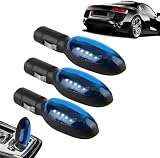
- [WHAT IT DOES & FUEL EFFICIENCY SUPPORT] This Fuel Sync fuel saver is a plug and play fuel sync device to help your vehicle use fuel more efficiently during daily driving. It supports smoother driving performance, better mileage and less unnecessary fuel waste, helping you get more value from every tank.
- [PLUG-AND-PLAY DESIGN] No tools, no wiring, no messy fuel additives and no mechanic visit required. Simply place the device into your vehicle’s compatible port and drive as usual. It is made for drivers who want an easy, low-cost fuel-saving upgrade without changing parts or complicated setup.
- [WIDE VEHICLE COMPATIBILITY] Designed for gasoline and diesel vehicles including cars, trucks, SUVs, pickups, vans and daily commuter vehicles. Whether you drive an older high-mileage car, a family SUV or a work truck, this universal fuel saving devices fits naturally into everyday driving.
- [3-PACK VALUE & PORTABLE SIZE] Each set includes 2 gas saver device for gas cars for multiple vehicles, family use or backup. The small, lightweight body stays neat inside your vehicle and is ideal for commutes, delivery routes, road trips, highway travel and everyday fuel-conscious driving.
- [COST-EFFECTIVE CHOICE WITH SUPPORT] Save money on expensive shop visits, complicated vehicle upgrades and frequent fuel waste with this affordable ultra fuel efficiency plug. A practical choice for daily drivers, families and high-mileage vehicles. If you are not satisfied with your experience, contact us for responsive after-sales support and refund service.
How can you save money on gas when prices go up?
Drive smoothly and avoid unnecessary idling
Avoid rapid starts and hard stops, and drive at an appropriate speed. On suitable highway trips, cruise control can help maintain a steady pace. Avoid letting the engine idle when it is not needed. These measures can reduce wasted fuel, but the result varies with the vehicle, traffic, route, and driving habits. See the U.S. Department of Energy’s fuel-saving driving tips.
Combine errands and reduce unnecessary trips
Plan errands together when practical so the same trip serves several purposes. If it fits your circumstances, consider carpooling, transit, walking, biking, or working remotely rather than driving. EPA says leaving a car at home two days a week can reduce greenhouse gas emissions by over 3,000 pounds per year; that is an emissions estimate based on the example’s assumptions, not a universal fuel-cost saving.
Remove cargo you do not need
Take unnecessary items out of the vehicle. Extra weight can increase fuel use, so keep only the cargo you need for your regular trips.
Rank #2

- Save on Fuel Costs: Fuel Sync Gas Saver effectively stabilizes voltage fluctuations and helps your engine burn fuel more efficiently. Enjoy smoother acceleration in stop-and-go traffic, reduce unnecessary fuel consumption, and experience a more consistent and reliable drive
- Wide Compatibility: Fuelsync Gas Saver works with vehicles powered by gasoline, diesel, lubricants, or water. Perfect for cars, trucks, SUVs, and other vehicles—making it a versatile, all-in-one solution for almost any vehicle on the road
- Easy Plug-and-Play Installation: No tools or professional installation needed. Simply plug the Gas Saver Fuel Device into your car’s cigarette lighter port to start optimizing fuel usage right away. Its compact, lightweight design makes it easy to carry and store, with no maintenance or extra costs required
- Optimized Performance for Any Driving Condition: Ideal for both city traffic and highway cruising. The car fuel saver device helps maximize fuel efficiency, improve engine response, deliver smoother starts, steadier acceleration, and can potentially extend the mileage you get per tank
- Portable Design, Includes 2 Devices: This compact and durable car part fuel saver efficiently maintains fuel flow while taking up minimal space. Each package includes 2 devices, providing an affordable, low-maintenance solution for your daily driving. They fit easily in your glove box, armrest, or center console.
What maintenance helps reduce fuel use?
Check tire pressure against the vehicle’s recommendation
Use the pressure listed on the driver-side doorjamb placard or in the owner’s manual, and check tires when cold. The number on the tire sidewall is a maximum, not the vehicle’s target pressure. A U.S. Department of Energy consumer guide published in 2021 estimates that properly inflated tires improve fuel economy by 0.6% on average and up to 3% in some cases; your result may differ. A tire-pressure gauge can help you check, but the correct target comes from your vehicle documentation.
Quick wins for a faster PC:
Fix the driver behind crashes, sound loss and screen glitchesFind Drivers →Clear out junk files and repair common Windows errorsFree Scan →Follow the maintenance schedule and use specified products
Follow the manufacturer’s maintenance schedule and use the motor oil and fuel grade specified for your vehicle. DOE reported in 2022 that properly maintained vehicles have 4% better gas mileage on average. That figure is an average, not a promise that any particular repair or service will improve your mileage by 4%. For maintenance details, consult the DOE maintenance guidance and your owner’s manual.
Should you drive farther to get cheaper gas?
Price-comparison apps and websites can help you find local prices, according to the Federal Trade Commission’s consumer guidance on gas-saving products and tips. But a lower posted price does not always mean a cheaper fill if reaching the station takes a detour.
Rank #3

- Most Fuel Efficient Non-Hybrid Cars So you want to save on fuel costs but are interested in options other than hybrids.
- Join the 40 mpg club and drive a fuel-efficient car that won't break the bank to buy one Using technologies that make them fuel-efficient, these cars fill everyday The youngest billionaires in the world .
Before making a special trip, compare the per-gallon difference with the amount you plan to buy, your vehicle’s fuel economy, and the extra distance. A station already on your route may be worthwhile; a longer detour may use up the difference. There is no universal break-even distance because the result depends on those variables and current local prices.
Independent reader supportYour contribution helps us test, update, and keep practical guides available for everyone.Are gas-saving additives or gadgets worth buying?
Be cautious about products promising large or effortless fuel savings. In a 2004 consumer alert, the FTC described EPA testing of more than 100 purported gas-saving devices: very few provided a benefit, and some could cause engine damage or increased emissions. That is historical evidence from the testing described in the alert, not an exhaustive test of every current product.
EPA also explains that registering a fuel additive does not validate claims that it improves fuel economy. Registration should not be treated as proof that an additive saves money. Prefer the fuel grade and maintenance products specified by your vehicle’s manufacturer.
Rank #4

- Plug and Play: This automotive gauge is easy to install, requiring no complicated wiring or professional installation; it connects directly to the vehicle's system.
- Fuel Economy Monitoring: Designed to help track and optimize fuel consumption, allowing drivers to monitor vehicle efficiency and potentially reduce fuel costs.
- Portable Design: This compact and lightweight gauge can be easily moved between different vehicles or removed when not needed. This fuel economy monitor can easily fit into your armrest box.
- Universal Compatibility: Suitable for vehicles using gasoline, diesel, water, and lubricants, making it suitable for a wide range of automotive applications.
Would a more fuel-efficient vehicle lower your overall costs?
If you are already considering another vehicle, compare the official fuel-economy information and estimated fuel costs using your annual mileage, city/highway driving mix, and local fuel prices. The EPA label and fueleconomy.gov vehicle comparisons can help you assess fuel use under comparable assumptions.
A vehicle that uses less fuel is not automatically the least-cost choice overall. A fuel-only comparison does not include purchase price, financing, insurance, or maintenance. Replacing a functioning vehicle solely because fuel prices have risen may not save money once those ownership costs are considered.
Quick Recap
Product prices and availability are accurate as of the date/time indicated and are subject to change. Any price and availability information displayed on Amazon at the time of purchase will apply.
Recommended Free Tools

