
Quick wins for a faster PC:
Fix the driver behind crashes, sound loss and screen glitchesFind Drivers →Clear out junk files and repair common Windows errorsFree Scan →Scan for outdated or missing drivers - takes under a minuteDriver Scan →Before applying, read both the cardholder agreement and the offer’s pricing information. Compare the APRs for different balance types, promotional-rate conditions, fees, grace-period rules, payment consequences, and the terms for changes, disputes, and account closure. The agreement and offer—not a marketing summary—determine the terms that apply to your account.
Get the documents that govern the offer
A credit card agreement sets the terms between you and the issuer. APRs and fees may appear in a separate pricing disclosure that is still part of the agreement; arbitration or term-change provisions may also be in another document. Gather the full agreement, the offer-specific pricing table, and any other documents the offer identifies as governing your account.
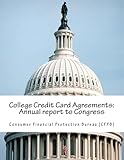
The Consumer Financial Protection Bureau (CFPB) describes a cardholder agreement as setting the card’s terms and conditions, including APR, fees, and liability for unauthorized transactions. Its agreement database lets you search by issuer, and issuers generally make public agreements available. The database contains issuer-submitted general terms and pricing, not the details of an individual account. If the database version differs from your offer or leaves a term unclear, ask the issuer for the documents that apply to your account and confirm them before applying. The CFPB says an issuer must provide your agreement upon request.
Identify the legal issuer named in the agreement, not just the card network, retailer, or brand on the front of the card. If you cannot find an issuer in the database, it may use a different legal name or fall under an exception; request the agreement directly. The CFPB’s archive listed Q2 2026 as its newest collection when checked, so a database entry may not reflect the exact offer currently presented to you.
Windows Errors? Fix Them Before They Spread
Repair common Windows errors and clear accumulated junk for a smoother, more stable PC - no reinstall needed.Free scan · no reinstallCrashes, No Sound, or Screen Glitches?
Random freezes, missing sound and display glitches usually trace back to one bad driver. Find and replace yours safely.Free scan · under a minute#1 Best Overall

- [MULTIPURPOSE CARD MANAGE] This card book has 58 count in total, business crad, credit card, gift card, name card, vip card, library card, shopping card, etc.
- [REMIND MATTERS] Notebook Style, remind anyting important matters about card for you.
- [VALID STORAGE] Protable and vaild file rolodex business sleeve storage, prevent damage and loss.
- [EASY TO LOCATED CARD AND CHECK] This business card notebook have PVC transparent cover,only one card is recorded on each side, include the area for note.
- [EASY TO CARRY] Card holder notebook only 7.01*4.80*0.47 inch, 0.47pound.
Read the terms in this order
1. Identify the exact card and offer
Match the product name and legal issuer on the agreement to the application. Check that you also have the pricing sheet for the specific offer, especially if an introductory rate or other promotion was advertised.
2. Separate APRs by balance type
Look for purchase, balance-transfer, cash-advance, and penalty APRs. Different rates can apply to different balances. APR is an annualized rate; if you might carry a balance, the applicable APR affects the interest cost. For a variable APR, check the stated index and margin so you know how the rate is determined.
Rank #2

- 【 Product Information】: The credit card organizer size: 3.94x2.95in(LxW), convenient to take with you when you shop, travel, or go for a stroll. Our credit card book is designed with a high-quality metal snap button, easy to lock, sturdy, and longevity, and more protective
- 【Genuine Leather Wallet】: The credit card protector sleeves are made of durable PU leather and RFID-blocking wear-resistant fabric, nice looking, fine texture. The credit card organizer features premium PVC card slots with exquisite metal hardware, very durable and fashionable.
- 【Upgrade Designs】Our credit card holder book is made of thickened PVC card slots, not easy to tear, more durable. And using the groove design and the frosted design, the credit card organizer will not stick to the cards, easy to load and take out the cards. We pay more attention to consumers' experiences and feelings
- 【Easy to Use】: The practical credit card binder fits easily into your pocket or bag. Accordion slots keep your cards organized and easy to access, and the metal snap button of the credit card organizer design keeps your cards and money safe
- 【Multiple Storage】: The credit card organizer has 24 card slots, enough room for all your cards. Fits various types of cards: ID cards, credit cards, business cards, medical cards, gift cards, discount cards, driver's licenses, etc. Thedebit card sleeve makes your life convenient and easy!
3. Check promotional rates and what ends them
For each introductory APR, note which transactions qualify, when the rate expires, and what rate applies afterward. Do not assume a purchase promotion also covers transfers or cash advances. A balance-transfer offer should be assessed together with its transfer fee and promotional period. CFPB guidance also warns that a missed minimum payment may jeopardize an introductory rate under the agreement.
4. List fees you could actually incur
Check for annual, late-payment, balance-transfer, cash-advance, returned-payment, and foreign-transaction fees. A fee may be a flat amount or a percentage of a transaction. Weigh an annual fee against benefits you expect to use; if you often make purchases overseas, check the foreign-transaction fee in particular.
Rank #3
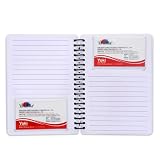
- [MULTIPURPOSE CARD MANAGE] This card book has 58 count in total, business crad, credit card, gift card, name card, vip card, library card, shopping card, etc.
- [REMIND MATTERS] Notebook Style, remind anyting important matters about card for you.
- [VALID STORAGE] Protable and vaild file rolodex business sleeve storage, prevent damage and loss.
- [EASY TO LOCATED CARD AND CHECK] This business card notebook have PVC transparent cover,only one card is recorded on each side, include the area for note.
- [EASY TO CARRY] Card holder notebook only 7.01*4.80*0.47 inch, 0.47pound.
5. Find the grace-period and interest rules
Issuers are not required to offer a grace period. If the card has one, find out which balances qualify and what payment behavior preserves it. Paying the full qualifying balance by the due date may be necessary to avoid interest on purchases or retain the grace period, according to the terms. Cash advances and balance transfers can have different interest timing, so do not assume purchase rules apply to them.
The CFPB’s grace-period guidance explains the general concept. Its separate credit card contract definitions say to rely on those definitions only if your contract says it uses them and marks the relevant terms as specified. Your agreement controls the terms of your card.
6. Understand minimum payments and missed payments
Locate how the minimum payment is calculated, when payment is due, and what happens if you pay late or miss the minimum. Depending on the agreement and applicable rules, consequences can include a late fee, a penalty APR on new purchases, or loss of an introductory APR. Late payments may also affect your credit history. Paying more than the minimum reduces interest costs and pays down the balance sooner.
7. Review changes, disputes, liability, and closure
Find the provisions for changing terms, disputing a charge, reporting unauthorized use, arbitration, and closing the account. CFPB consumer guidance says most significant agreement changes require 45 days’ notice, but not every change follows the same process; read the applicable terms and current rules. The CFPB’s credit card agreement guidance explains the general notice rule and options that may accompany certain changes.
The Tool Desk
Outbyte PC Repair FREERepair Windows errors before they cause bigger problemsFix Now →Outbyte Driver Updater FREEScan for outdated or missing drivers - takes under a minuteDriver Scan →Best Value

- Large Capacity: This book-style cardholder can hold up to 240 business cards, two cards back-to-back in each pouch. It is very compact & professional. Enough capacity for your different cards: business cards, credit card, social security, gift cards, insurance cards, name cards, personal IDs, mini photos, and more
- Sturdy & Long-lasting card book: Name card holder is made from high-quality pu leather cover and PVC pocket sheets. Long-lasting and sturdy
- Easy to Find & Read: Its transparent slots are good for reading and finding information on the business card
- Compact Size Card Organizer: The slim profile and lightweight design make carrying a breeze – Carry it in your hand, pocket or handbag when on the go. Dimensions: 7.7"x 4.5" x 0.7"
Arbitration and unilateral-change terms may be in a separate document and still form part of the agreement. Regulation Z’s official interpretation treats these provisions as agreement terms even when documented separately. Find them before applying rather than assuming the main agreement PDF contains everything.
Independent reader supportYour contribution helps us test, update, and keep practical guides available for everyone.Compare offers using the same checklist
Put the same terms side by side for each card. The right comparison depends on how you expect to use the card: APRs matter more if you may carry balances, while fees and grace-period rules may be more salient if you expect to pay purchases in full.
| What to compare | What to record |
|---|---|
| Purchase APR | Rate, whether it is variable, and the index-plus-margin formula if stated. |
| Balance-transfer and cash-advance APRs | Each rate separately, plus any applicable transaction fee and interest timing. |
| Promotional APRs | Eligible balance type, expiration date or duration, post-promotion rate, and conditions that could end the offer early. |
| Fees | Annual, late, transfer, cash-advance, returned-payment, and foreign-transaction fees relevant to your use. |
| Grace period | Whether one is offered, which balances qualify, and what payment is needed to retain it. |
| Payment consequences | Minimum-payment calculation, due date, late fee, and effects of a missed minimum. |
| Rights and account terms | Dispute process, unauthorized-use liability, arbitration, term changes, and account closure. |
Rewards or benefits do not replace this comparison: check the conditions and costs alongside them. The CFPB’s simplified sample agreement is a prototype, not a required form, so use it only as an aid to understanding—not as a substitute for the actual offer and governing documents.
Quick Recap
Confirm and save the terms before applying
- Collect: Download or request the full agreement, offer-specific pricing disclosure, and any separately referenced terms.
- Verify: Confirm the issuer, product, APRs, fees, promotions, and other terms with the issuer if the public database or marketing page does not match the offer.
- Compare: Complete the same checklist for every card you are considering, focusing on costs and conditions likely to apply to your use.
- Keep: Save the agreement and pricing disclosures you reviewed so you can check the terms later.
Product prices and availability are accurate as of the date/time indicated and are subject to change. Any price and availability information displayed on Amazon at the time of purchase will apply.
Do these 3 things before closing this tab:
1Fix the driver behind crashes, sound loss and screen glitches2Repair Windows errors before they cause bigger problems3Scan for outdated or missing drivers - takes under a minute
