
To prevent mold during rainy weather, find and fix water entry, keep indoor relative humidity below 60% (ideally 30–50%), vent moisture outdoors, and dry wet materials promptly. Don’t open windows automatically when it’s raining: if outdoor air is warm and very humid, it can slow drying. A persistent musty odor is a reason to look for dampness or hidden water damage, not just mask the smell.
Why rainy weather can lead to mold and musty odors
Mold spores are commonly present indoors and outdoors. The practical prevention step is to keep surfaces and materials from staying wet: as the U.S. Environmental Protection Agency puts it, “The key to mold control is moisture control.” Rain can reveal leaks, drive water into a basement or around windows, and raise indoor humidity; condensation on cold surfaces can add moisture even when there is no obvious leak.
A musty odor can point to persistent dampness or water damage behind or beneath visible surfaces. Cleaning a smell away, spraying fragrance, or painting over a stain does not fix the moisture source, so inspect before treating the symptom.
How to keep humidity under control
Check the indoor relative humidity
The EPA’s 2014 homeowner guide recommends keeping indoor relative humidity below 60%, ideally between 30% and 50%. A hygrometer (humidity meter) can help you monitor it. The guide described these meters as costing $10–$50 at the time; that is a historical range, not a current retail price.
#1 Best Overall
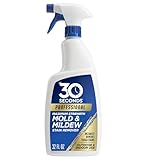
- BRIGHTER RESULTS INSTANTLY: Noticeably brightens indoor and outdoor surfaces, removing black mold and mildew stains as you watch, with no scrubbing or pressure washing required for fast, visible results
- NO SCRUBBING REQUIRED: Avoid the hassle and backbreaking work of scrubbing tough stains; the PRO formula lifts mold and mildew stains on contact so you simply apply, watch and rinse where needed
- 2X STRONGER FORMULA: The PRO formula is 2X stronger than the standard 30 SECONDS Outdoor Cleaner, made for your toughest black mold and mildew stains and messes on both indoor and outdoor surfaces
- OUTDOOR AND INDOOR USE: Use on siding, fences, decks, concrete floors, brick walls, drywall, wood, kitchen surfaces, bathroom tile and grout, bathtub soap scum and showers where mold and mildew can grow
- REMOVES BLACK MOLD STAINS & MORE: Targets stubborn black mold and mildew stains on a wide range of surfaces, giving a brighter, cleaner result indoors and outdoors without scrubbing or pressure washing
If humidity stays high, use air conditioning or a dehumidifier as appropriate for the space. Follow the appliance instructions and empty or drain it as designed. These devices manage moisture in the air; they do not repair a leak or remove mold embedded in damaged material.
Choose ventilation based on outdoor conditions
Open windows to reduce indoor humidity only when outdoor air is not humid and conditions permit. On a warm, very humid day, bringing outdoor air inside may slow drying. The EPA advises using air conditioning or dehumidification as appropriate instead. After flooding, follow current local safety instructions; close outside doors and windows if needed while using safe, available drying methods.
Rank #2

- Eliminates & Helps Prevent Mold: Targets existing mold at the source and leaves behind an invisible barrier that helps prevent future growth.
- EPA-Registered Solution: Registered with the U.S. Environmental Protection Agency for mold control when used as directed.
- Bleach-Free, Odorless, VOC-Free: Contains no bleach, ammonia, or volatile organic compounds, helping maintain healthy indoor air quality.
- Safe on Most Surfaces: Works on drywall, wood, tile, grout, concrete, fabric, and other common building materials.
- Versatile Use: Ideal for bathrooms, kitchens, basements, attics, laundry rooms, vehicles, and outdoor surfaces such as decks and patios.
Reduce everyday moisture and condensation
- Run bathroom exhaust fans while showering and kitchen exhaust fans while cooking or washing dishes; make sure they exhaust outdoors.
- Vent clothes dryers to the exterior. Do not release dryer exhaust or combustion-appliance moisture into the home.
- Wipe condensation from windows, walls, and pipes, then address why it forms. Insulate cold pipes and deal with repeatedly cold surfaces where practical.
- Keep gutters maintained and ensure the ground slopes away from the foundation so rain drains away from the building.
- Keep air-conditioner drip pans and drain lines clear.
What to do after a leak, spill, or heavy rain
- Stop the water source. Address the leak or arrange a repair rather than relying on cleanup alone.
- Remove standing water where it is safe. Do not enter areas with electrical hazards or uncertain floodwater contamination; follow local emergency guidance.
- Dry wet materials promptly. EPA’s general prevention guidance recommends drying wet or damp materials within 24–48 hours. The CDC’s August 26, 2026 public message says to clean and dry wet items within 48–72 hours. These are differently worded recommendations, not a guaranteed safe waiting period: start as soon as possible.
- Inspect and document significant damage. Check ceilings, window frames, exterior walls, under sinks, basements, and stored belongings. Keep a record and contact the property owner, insurer, or qualified repair professional as appropriate.
- Check for recurrence. Look for continuing dampness, visible growth, or a musty odor after drying. If moisture remains, mold problems are likely to return.
How to clean a small mold patch—and when not to do it yourself
For a small patch on a hard, cleanable surface, EPA guidance recommends detergent and water followed by complete drying. Porous materials such as carpet or ceiling tiles may need to be removed because mold can extend into the material. Do not paint or caulk over mold as a substitute for cleaning and drying.
The EPA’s 2014 guidance uses approximately 10 square feet—roughly a 3-by-3-foot patch—as a point to consult professional remediation guidance for larger growth; extensive water damage also merits professional help. If hiring a contractor, check experience and references.
Free tools Windows power users keep installed
One-click scans. No signup required.
Rank #3

- KILLS MOLD: EPA-registered formula kills mold and helps control mold and mildew on hard, nonporous surfaces when used as directed
- CLEANS AND DISINFECTS: Ready-to-use disinfectant cleaner provides non-acid cleaning performance while disinfecting treated hard, nonporous surfaces
- INHIBITS MILDEW GROWTH: Helps inhibit the growth of mold and mildew and the odors they cause when applied according to label directions.
- BLEACH-FREE FORMULA: Bleach-free cleaner deodorizes treated surfaces and leaves behind a fresh scent
- READY-TO-USE SPRAY: 32 fl oz trigger bottle is designed for household, commercial and industrial cleaning applications
- Get qualified help for contaminated floodwater, affected HVAC equipment, extensive water damage, or uncertainty about whether a home is safe to re-enter.
- Do not use an HVAC system affected by flooding. Typical HVAC systems may not dry a home on their own when humidity is very high.
- People with asthma or weakened immune systems should stay away from moldy cleanup sites. For symptoms or health concerns, consult a health professional.
For U.S. guidance, see the EPA’s A Brief Guide to Mold, Moisture and Your Home, Why is mold growing in my home?, EPA mold course: Chapter 2, EPA mold course: Chapter 9, Flood Cleanup to Protect Indoor Air and Your Health, and the CDC’s 2026 mold prevention message. Building methods, tenancy obligations, and flood response can vary by location.
Quick Recap
Rank #4
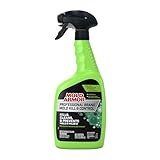
- KILLS, CLEANS & PREVENTS MOLD AND MILDEW: Kill and clean up mold and mildew on your hard, non-porous surfaces with MOLD ARMOR Professional Brand Mold Kill & Control.
- FAST RESULTS, NO SCRUBBING REQUIRED: This mold and mildew cleaner features a fast-acting formula that produces visible results in minutes without scrubbing.
- IDEAL FOR USE ON laminate, linoleum, sealed grout, stainless steel and plastic surfaces. Professional Brand Mold Killer eliminates bacteria and viruses on shower stalls and garbage cans as well as in your bathroom, bedroom and basement.
- EASY TO USE: Test on an inconspicuous area before use. Apply to stains and wait 10 minutes. Rinse with water or wipe with a damp sponge within 15 minutes of application. Rinse food contact surfaces with potable water.
- INHIBIT NEW MOLD GROWTH: To prevent mold and mildew growth, thoroughly wet surface, allow to air dry and repeat every 7 days. Effective against Aspergillus niger. Pre-clean heavily soiled surfaces.
Product prices and availability are accurate as of the date/time indicated and are subject to change. Any price and availability information displayed on Amazon at the time of purchase will apply.

