
What’s actually slowing this PC down?
Pick the symptom - the matching free tool is one click away.
iTechGuides is reader-supported. When you buy through links on our site, we may earn an affiliate commission. As an Amazon Associate I earn from qualifying purchases. Learn more
When Apple Music will not open, keeps buffering, crashes, or refuses to play songs on Windows 11, the cause is usually one of four things: a damaged app installation, an account or authorization problem, a Windows audio or network issue, or a Microsoft Store update that did not complete correctly.
Work through the fixes below in order. Start with the quick checks, then repair or reset the app before reinstalling it.
1. Check whether Apple Music is down
Before changing anything on your PC, check whether the problem affects Apple’s service rather than your installation.
Free tools Windows power users keep installed
One-click scans. No signup required.
- Open a browser and visit Apple System Status.
- Look for an outage affecting Apple Music, Apple Account, or related services.
- If there is an outage, wait for Apple to resolve it before troubleshooting the Windows app.
You can also test music.apple.com in a browser. If the website also fails to load or play music, the issue is probably not limited to the Windows app.
#1 Best Overall

- High-speed USB 3.0 performance of up to 150MB/s(1) [(1) Write to drive up to 15x faster than standard USB 2.0 drives (4MB/s); varies by drive capacity. Up to 150MB/s read speed. USB 3.0 port required. Based on internal testing; performance may be lower depending on host device, usage conditions, and other factors; 1MB=1,000,000 bytes]
- Transfer a full-length movie in less than 30 seconds(2) [(2) Based on 1.2GB MPEG-4 video transfer with USB 3.0 host device. Results may vary based on host device, file attributes and other factors]
- Transfer to drive up to 15 times faster than standard USB 2.0 drives(1)
- Sleek, durable metal casing
- Easy-to-use password protection for your private files(3) [(3)Password protection uses 128-bit AES encryption and is supported by Windows 7, Windows 8, Windows 10, and Mac OS X v10.9 plus; Software download required for Mac, visit the SanDisk SecureAccess support page]
2. Restart Apple Music and Windows 11
Close Apple Music completely instead of only closing its window.
- Press Ctrl + Shift + Esc to open Task Manager.
- Under Processes, select Apple Music if it is listed.
- Click End task.
- Restart Windows from Start > Power > Restart.
- Open Apple Music again from the Start menu.
This can clear a stuck playback session, a frozen sign-in window, or a process left behind after an app update.
3. Check the internet connection
Apple Music needs a working connection to sign in, verify your subscription, load your library, and authorize playback. A web page loading successfully does not always rule out a DNS, VPN, proxy, or firewall problem.
Quick wins for a faster PC:
Repair Windows errors before they cause bigger problemsFix Now →Scan for outdated or missing drivers - takes under a minuteDriver Scan →Clear out junk files and repair common Windows errorsFree Scan →- Open another website to confirm that Windows is online.
- Temporarily disconnect from a VPN or proxy.
- Restart your router if other apps are also losing connectivity.
- Try a different network, such as a phone hotspot.
- Make sure Windows is not set to Airplane mode.
If Apple Music works on another network, check your router’s filtering settings and any third-party firewall or security software.
4. Update Apple Music from the Microsoft Store
An outdated Apple Music build can cause crashes, sign-in failures, and playback errors after a Windows or service-side update.
- Open Microsoft Store.
- Select Library in the lower-left corner.
- Click Get updates.
- Install any available Apple Music update.
- Restart Windows and test the app.
Also install pending Windows updates through Settings > Windows Update > Check for updates. Restart when Windows requests it.
5. Repair Apple Music without deleting its data
Windows 11 can repair some Microsoft Store apps without removing their local data.
Recommended Free Tools
- Right-click Start and select Installed apps.
- Find Apple Music in the list, or search for it.
- Click the app’s three-dot menu.
- Select Advanced options.
- Click Repair.
- Open Apple Music and try again.
If the Repair button is unavailable, your Windows build or app package may expose different options. Continue to the reset step.
6. Reset the Apple Music app
Resetting removes Apple Music’s local Windows app data and settings. It does not delete your Apple Music subscription, Apple Account, or cloud library. You may need to sign in again and reconfigure downloaded music or app preferences.
- Open Settings > Apps > Installed apps.
- Locate Apple Music.
- Open its three-dot menu and choose Advanced options.
- Click Reset.
- Confirm the reset when Windows asks.
- Launch Apple Music and sign in again.
Use Reset after Repair has failed, particularly if the app opens but immediately closes, displays a blank window, or remains stuck at startup.
7. Sign out and back in to your Apple Account
If Apple Music opens but your library is empty, songs will not play, or the app repeatedly asks for your password, refresh the account session.
- Open Apple Music.
- Open the account menu, usually shown by your name or profile icon.
- Choose Sign Out.
- Close and reopen Apple Music.
- Sign in with the Apple Account that owns the Apple Music subscription.
Check that you are using the same Apple Account as on your iPhone, iPad, or other device where the subscription is active. An Apple Music subscription is tied to the Apple Account, not simply to the Windows user account.
8. Check playback and audio output
If the song timer moves but you hear nothing, the app may be sending audio to the wrong output device or Windows may have muted it.
- Play a song in Apple Music.
- Click the speaker icon in the Windows taskbar.
- Open the output-device selector and choose the correct speakers, headphones, or Bluetooth device.
- Right-click the speaker icon and open Sound settings.
- Confirm that the output volume is raised and the device is not muted.
For app-specific volume problems, open Settings > System > Sound > Volume mixer and check that Apple Music is not muted or assigned to a disconnected output.
Rank #2
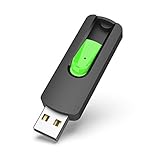
- Large Data Storage Capacity: Flash Drive with 128GB capacity, meet your needs of daily use on work, school, home and travelling for photos, music, videos, files storage and transfer
- Easy to use: The thumb drive is plug and play without any software installation; Supports Windows 7/8/10 / Vista / XP / Unix / 2000 / ME / NT Linux and Mac OS, also compatible with USB 2.0 and 1.1 ports; Storage is fast, safe and stable
- Wide Compatibility: USB flash drive support TV, desktop, notebook computer, car, audio and other device; It is your great data storage and transfer companion with traveling and working
- Retractable Desgin: The usb drive's retractable design can effectively protect the USB interface; The capless design can avoid losing of cap; Weight: 7g, Size: 2.6 × 0.8 × 0.4 inch. Portable to take your digital world anywhere
- What You Get: 1 x 128GB USB Flash Drive Thumb Drive, All of usb drives have been rigorously tested and formatted before leaving the factory; The default format of the USB stick is exFAT
If Bluetooth headphones are involved, disconnect and pair them again. Test with built-in speakers or wired headphones to determine whether the problem is Apple Music or the Bluetooth connection.
9. Check date, time, and region settings
Incorrect system time can interfere with secure sign-in and subscription verification.
- Open Settings > Time & language > Date & time.
- Turn on Set time automatically.
- Click Sync now if the option is available.
- Open Language & region and verify that the region is correct.
Restart Apple Music after changing these settings.
10. Reinstall Apple Music
Reinstall the app if it will not open after Repair and Reset, or if the Microsoft Store reports a damaged or incomplete installation.
- Open Settings > Apps > Installed apps.
- Find Apple Music.
- Open its three-dot menu and select Uninstall.
- Restart Windows.
- Open Microsoft Store.
- Search for Apple Music and select Install.
- Launch the app and sign in.
Downloaded songs stored locally may need to be downloaded again after reinstalling. Your cloud library and playlists should return after signing in with the correct Apple Account.
Independent reader supportYour contribution helps us test, update, and keep practical guides available for everyone.11. Run the Microsoft Store Apps troubleshooter
Windows 11 has moved some troubleshooting tools into the Get Help application, but the available options vary by build.
The Tool Desk
Outbyte PC Repair FREERepair Windows errors before they cause bigger problemsFix Now →Outbyte Driver Updater FREEScan for outdated or missing drivers - takes under a minuteDriver Scan →- Open Settings > System > Troubleshoot > Other troubleshooters.
- Look for a Microsoft Store apps troubleshooter.
- Click Run if it is available.
- Follow the recommendations and restart Apple Music.
If the troubleshooter is not listed, open the Get Help app from Start and search for Microsoft Store apps not working.
12. Fix common Apple Music symptoms
| Symptom | Likely causes | Best next step |
|---|---|---|
| Apple Music will not open | Damaged app data, incomplete update, Store problem | End the task, update the app, then use Repair and Reset |
| App opens to a blank window | Corrupted cache or failed sign-in session | Reset Apple Music and sign in again |
| Songs appear but will not play | Account authorization, subscription, network, or service problem | Check System Status, sign out, and verify the Apple Account |
| Playback works but there is no sound | Wrong Windows output, muted app, Bluetooth problem | Check Sound settings and Volume mixer |
| Library or playlists are missing | Wrong Apple Account or library synchronization issue | Sign out and use the account associated with the library |
| Downloaded music disappeared | Reset or reinstall removed local downloads | Sign in and download the music again |
When none of the fixes work
If Apple Music still fails, test the account and service separately:
- Sign in at music.apple.com.
- Try Apple Music on an iPhone or iPad using the same Apple Account.
- Create a temporary Windows user account and install or open Apple Music there.
- Check whether another security product, VPN, proxy, or corporate network policy is blocking Apple services.
If Apple Music works in a new Windows account, the original Windows profile may have damaged app permissions or Store data. If it fails on every device and the service-status page shows no outage, contact Apple Support to check the subscription or account.
FAQ
Does Apple Music work on Windows 11?
Yes. Apple distributes Apple Music for Windows through the Microsoft Store. Install it from Microsoft Store, then sign in with the Apple Account that has the Apple Music subscription.
Do these 3 things before closing this tab:
1Repair Windows errors before they cause bigger problems2Fix the driver behind crashes, sound loss and screen glitches3Clear out junk files and repair common Windows errorsWill resetting Apple Music delete my playlists?
Resetting the Windows app does not delete playlists stored in your Apple Account or iCloud Music Library. It removes local app data, so you may need to sign in again and download offline music again.
Why does Apple Music open but not play songs?
Common causes include an expired or different subscription account, a temporary Apple service issue, network filtering, or an authorization problem. Check Apple System Status, sign out and back in, and confirm that you are using the correct Apple Account.
Why is there no sound even though Apple Music is playing?
Windows may be using the wrong output device, or Apple Music may be muted in Volume mixer. Open Settings > System > Sound, select the intended output, and check the app-specific volume.
Should I install iTunes to fix Apple Music on Windows 11?
Usually no. Apple Music is a separate Windows app available through Microsoft Store. Install iTunes only if you specifically need an iTunes feature that Apple Music does not provide.
Crashes, No Sound, or Screen Glitches?
Random freezes, missing sound and display glitches usually trace back to one bad driver. Find and replace yours safely.Free scan · under a minutePC Slower Than It Used to Be?
A free scan shows the junk files, broken settings and background clutter dragging Windows down - then fixes them in one click.Free scan · Windows 10 & 11The Bottom Line
For most Windows 11 Apple Music problems, update the Microsoft Store app, restart Windows, then use Settings > Apps > Installed apps > Apple Music > Advanced options to run Repair followed by Reset. If playback still fails, verify the Apple Account, Windows audio output, network, and Apple’s service status before reinstalling the app.
Quick Recap
Product prices and availability are accurate as of the date/time indicated and are subject to change. Any price and availability information displayed on Amazon at the time of purchase will apply.

