
Windows offers two different kinds of built-in encryption: file encryption for selected files or folders, and drive encryption to protect data on a disk when the computer is off or the drive is inaccessible. For selected files, use the “Encrypt contents to secure data” option if your Windows edition supports it. For broader protection, check whether Device Encryption is available on your PC, or use BitLocker Drive Encryption on a supported edition. Before relying on drive encryption, save and verify the recovery key somewhere separate from the computer.
Choose the right kind of encryption
The main difference is what Windows protects. File encryption applies to particular files or folders. Device Encryption and BitLocker protect drives, including the Windows operating-system drive, against someone accessing the disk offline. Drive encryption is not a guarantee against every threat, particularly while you are signed in and using the computer.
| Windows feature | What it protects | Availability |
|---|---|---|
| File encryption (“Encrypt contents to secure data”) | Selected files or folders | Not available in Windows Home, according to Microsoft’s Windows instructions. |
| Device Encryption | Automatically protects the operating-system drive and fixed drives on a qualifying device | Available on a wider range of devices, including some Windows Home PCs; device eligibility and account permissions apply. See Microsoft’s Device Encryption guidance. |
| BitLocker Drive Encryption | Manual encryption of drives | Microsoft lists Windows Pro, Enterprise, and Education editions. See Microsoft’s BitLocker overview. |
If you need to protect only a few files, start with file encryption. If your goal is to make data on a lost or stolen computer or disk harder to access, check Device Encryption first; use BitLocker Drive Encryption where it is available and appropriate.
Encrypt a selected file or folder
Windows’ built-in file encryption setting is available only on supported editions. Microsoft says it is unavailable in Windows Home, and the option may not appear on every PC.
PC Slower Than It Used to Be?
A free scan shows the junk files, broken settings and background clutter dragging Windows down - then fixes them in one click.Free scan · Windows 10 & 11Outdated Drivers Are Slowing You Down
One free scan finds every outdated or missing driver and matches the right update for your exact hardware.Free scan · exact hardware match#1 Best Overall

- Hardware encrypted drive
- Simple to use pin access. RPM-5400
- Administrator password feature
- Bus powered
- Utilizes Military Grade FIPS PUB 197 Validated Encryption Algorithm
- In File Explorer, right-click the file or folder you want to protect and choose Properties.
- On the General tab, select Advanced.
- Check Encrypt contents to secure data, then select OK.
- Select Apply. If Windows asks whether to apply the change to the folder alone or to the folder, subfolders, and files, choose the scope you intend.
These steps follow Microsoft’s instructions for Windows 10 and Windows 11. File encryption is distinct from drive encryption: it does not encrypt the entire Windows drive. The guidance cited here does not establish detailed procedures for sharing encrypted files or managing encryption certificates, so do not assume another Windows user can open them.
Check whether Device Encryption is available
Device Encryption can protect the operating-system drive and fixed drives automatically on eligible hardware. It is available on some Windows Home devices, but not every PC qualifies.
Rank #2
- Utilizes Military Grade FIPS PUB 197 Validated Encryption Algorithm
- Super fast USB 3.0 Connection - Data transfer speeds up to 10X faster than USB 2.0
- Software Free Design - With no admin rights needed
- Sealed from Physical Attacks by Tough Epoxy Coating
- Brute Force Self Destruct Feature
- Sign in with an administrator account.
- Open Settings and go to Privacy & security > Device encryption.
- If the setting is available, review its status and follow the on-screen controls to turn it on.
- If the setting is missing, run System Information as an administrator and check Device Encryption Support or Automatic Device Encryption Support.
Microsoft identifies possible eligibility issues including an unusable or disabled TPM, an unconfigured Windows Recovery Environment (WinRE), and unsupported PCR7 binding. PCR7 issues can be related to Secure Boot settings or connected peripherals. A missing Settings option can also mean the signed-in account is a standard account rather than an administrator. See Microsoft’s Device Encryption requirements and troubleshooting guidance.
Use BitLocker Drive Encryption on supported editions
Manual BitLocker Drive Encryption is listed for Windows Pro, Enterprise, and Education. Do not confuse that edition requirement with Device Encryption, which can be available on some Home devices. BitLocker is intended to protect drive data against offline access, such as when someone has access to the disk but cannot unlock the protected Windows session.
Rank #3
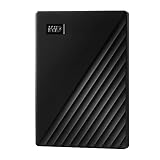
- Slim durable design to help take your important files with you
- Vast capacities up to 6TB[1] to store your photos, videos, music, important documents and more
- Back up smarter with included device management software[2] with defense against ransomware
- Help secure your important files with password protection and hardware encryption
- 3-year limited warranty
Because the exact controls and eligible drives can vary by Windows setup, use Microsoft’s current BitLocker Drive Encryption guidance for the drive you plan to protect. Before enabling encryption, make sure you have a recovery-key copy that you can access without the encrypted computer.
Back up the BitLocker recovery key before you need it
A BitLocker recovery key is a 48-digit number that Windows may request if it cannot automatically unlock a protected drive, including after certain security or hardware changes. Microsoft says its support staff cannot retrieve or recreate a lost key. Treat access to the key as part of setting up encryption, not as a later troubleshooting detail.
Rank #4

- Easily store and access 2TB to content on the go with the Seagate Portable Drive, a USB external hard drive
- Designed to work with Windows or Mac computers, this external hard drive makes backup a snap just drag and drop
- To get set up, connect the portable hard drive to a computer for automatic recognition no software required
- This USB drive provides plug and play simplicity with the included 18 inch USB 3.0 cable
- The available storage capacity may vary.
Microsoft lists several backup options: save the key to an account, a USB flash drive, a file, or a printed copy. Keep the USB drive, file, or printout somewhere separate from the protected computer. A USB drive is a convenient option if it is stored securely elsewhere; keeping it beside the encrypted PC could give someone both the device and the means to bypass its protection. See Microsoft’s recovery-key backup guidance.
- Make a backup before relying on encryption.
- Verify you can access the saved copy from another device or location.
- Keep the backup separate from the encrypted computer.
- If Windows displays a recovery-key ID, use it to identify the matching key.
If Windows asks for a recovery key
Check likely backup locations: the Microsoft account associated with the device, a work or school account or the organization’s IT department, a printed copy, or a USB drive. Microsoft’s guide explains where to look and how to match the requested key ID: Find your BitLocker recovery key.
If you cannot find the key, try to undo the recent hardware or security change that triggered the recovery prompt if you can do so safely. If the key is unavailable and the triggering change cannot be reversed, a remaining Windows recovery option may require resetting the device and removing files. Do not assume encrypted data can be recovered without the key.
Windows 10 support status
Windows 10 support ended on October 14, 2025. Microsoft says free Windows Update software updates, technical assistance, and security fixes are no longer provided after that date. Encryption does not replace operating-system security updates; see Microsoft’s Windows File Recovery support page for this support-status notice.
Quick Recap
Product prices and availability are accurate as of the date/time indicated and are subject to change. Any price and availability information displayed on Amazon at the time of purchase will apply.

