
What’s actually slowing this PC down?
Pick the symptom - the matching free tool is one click away.
iTechGuides is reader-supported. When you buy through links on our site, we may earn an affiliate commission. As an Amazon Associate I earn from qualifying purchases. Learn more
To create website templates to sell, build a reusable product system for one clearly defined buyer—not just an attractive homepage. Choose the platform first, validate demand, create editable and responsive components, test accessibility and performance, document installation and customization, license every asset, then sell through a compatible marketplace or direct storefront.
A website template becomes commercially useful when a customer can adapt it to a real business without rebuilding the design or guessing how the files work. The product includes the interface, code or project file, content structure, documentation, license, demo, support policy, and update process.
Key takeaways
- A sellable website template targets one buyer, one business problem, and one platform instead of trying to serve everyone.
- Marketplace rules differ substantially: Shopify Theme Store themes are exclusive to that store and are subject to a 15% revenue share, while Framer says creators keep 100% of template sales in the Framer Community.
- Responsive design, accessibility, realistic content states, documentation, licensing, and support boundaries are part of the product—not optional extras.
- A direct-sales platform offers more control, but the creator must generate traffic and handle delivery, refunds, tax administration, and support.
- The sustainable business model is productized design and support work, not guaranteed passive income.
What makes a website template sellable?
A sellable website template solves a specific buyer problem with a reusable system that works beyond the carefully staged demo. The template should give customers editable pages and components, realistic content behavior, clear setup instructions, lawful assets, and a defined level of support.
Free tools Windows power users keep installed
One-click scans. No signup required.
A visual mockup is not necessarily a template. A one-off client website may look polished but contain hard-coded content, page-specific exceptions, and undocumented dependencies that make it difficult for another customer to use. A commercial template must be designed for replacement: customers should be able to change text, imagery, links, colors, sections, products, or CMS content without unexpectedly breaking the layout.
Popular on Amazon
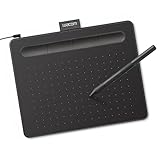
- Wacom Intuos Small Graphics Drawing Tablet: Enjoy industry leading tablet performance in superior control and precision with Wacom's EMR, battery free technology that feels like pen on paper
- Works With All Software: Wacom Intuos tablet can be used in any software program to explore new facets of digital creativity; draw, paint, edit photos/videos, create designs, and mark up documents
- What the Professionals Use: Wacom's industry leading pen technology and pen to paper feeling makes it the preferred drawing tablet of professional graphic designers
- Software and Training Included: Only Wacom gives you software with every purchase. Register your Intuos tablet and gain access to some of the best creative software and Wacom's online training
- Wacom is the Global Leader in Drawing Tablet and Displays: For over 40 years in pen display and tablet market, you can trust that Wacom to help you bring your vision, ideas and creativity to life
Decide what you are selling before writing the sales copy. A static HTML package, a WordPress block theme, a Shopify theme, a Webflow project, a Framer project, a Figma UI kit, and a developer starter kit have different buyers and different expectations.
| Product type | What the buyer receives | Best suited to | Important limitation |
|---|---|---|---|
| Static HTML template | HTML, CSS, JavaScript, assets, and documentation | Developers and technically confident site owners | The buyer must handle hosting, deployment, content editing, and often forms. |
| CMS theme | Platform-specific templates, settings, components, and styles | Businesses that need ongoing content management | Compatibility, updates, plugins, apps, and platform rules create maintenance work. |
| Visual-builder template | A project that the customer duplicates, imports, or remixes | Buyers who prefer visual editing | The buyer may need a particular account plan, and portability may be limited. |
| UI kit | Design components, layouts, and design-system assets | Designers, agencies, and client handoffs | It may not include a functioning published website. |
| Landing-page template | A focused page or small group of pages | Launches, campaigns, products, and lead generation | Its narrower scope limits the price and use cases. |
| Starter kit or boilerplate | A developer-oriented codebase and technical foundation | Developers building custom products | It is usually a poor fit for nontechnical customers. |
WordPress defines templates as files representing the document structure shown on a site’s front end. WordPress block themes also use template parts, global settings, and styles; the official documentation describes theme.json as part of that system. WordPress’s template documentation explains the distinction between templates and the broader theme architecture.
Shopify similarly assigns template types to page types and supports multiple versions of template types for different use cases. A Shopify product therefore needs to be described as a Shopify theme, not as a generic HTML download. Shopify’s template architecture documentation explains how those page templates fit into a theme.
Do these 3 things before closing this tab:
1Clear out junk files and repair common Windows errors2Scan for outdated or missing drivers - takes under a minute3Repair Windows errors before they cause bigger problemsWho should buy the template?
The strongest website template usually starts with a narrow buyer and use case. “A modern website template” is weak positioning because almost every competing product can use the same description.
Choose a buyer such as a SaaS startup, creative agency, restaurant, therapist, coach, photographer, nonprofit, local service company, real-estate professional, newsletter publisher, course creator, or boutique ecommerce brand. Then define the business result the buyer wants and the obstacle the template removes.
Use this positioning formula:
A [platform] template for [specific buyer] who needs [specific result] without [specific obstacle].
Examples include “a Framer template for early-stage SaaS companies that need a credible launch site without hiring a developer,” “a Shopify theme for small apparel brands with large product catalogs,” and “a Webflow template for creative agencies that need CMS-powered case studies.”
Write down these decisions before designing:
- Who is the buyer and how technically confident is the buyer?
- What business goal does the site support?
- Which platform or file format does the buyer already use?
- Which pages and content types are required?
- What budget is realistic for this buyer?
- Why would the buyer choose a template instead of hiring a designer?
- What does the buyer need to edit without code?
Which platform should you choose?
The right platform depends on the buyer’s editing needs, the product’s technical complexity, and the distribution rules you are willing to accept. Choose the distribution route before building because marketplace restrictions can affect the architecture, license, pricing, and whether you may sell the same product elsewhere.
| Platform or format | Best fit | Strengths | Trade-offs |
|---|---|---|---|
| Static HTML, CSS, and JavaScript | Fast marketing sites and developer buyers | Hosting flexibility, code ownership, and no platform lock-in | No built-in CMS; more questions about deployment, forms, dependencies, and hosting. |
| WordPress | Blogs, content-heavy sites, and small businesses | CMS editing and a broad ecosystem | Plugin compatibility, WordPress updates, theme architecture, and support can vary. |
| Shopify | Online stores | Native ecommerce data, theme editor, Liquid, sections, and blocks | Strict Theme Store requirements, platform dependence, and exclusivity rules. |
| Webflow | Visual marketing sites, agencies, portfolios, and CMS projects | Visual editing, CMS collections, components, and interactions | Marketplace approval, platform-specific licensing, and limited portability for some buyers. |
| Framer | Design-led marketing sites, startups, portfolios, and landing pages | Fast visual production, components, variants, CMS, and marketplace exposure | Customers may need a paid plan for intended publishing features, including custom domains. |
| Figma | Wireframes, UI kits, design systems, and handoff files | Useful before development and flexible for designers | It is design-only unless you separately provide a functioning implementation. |
What should you know about Shopify Theme Store restrictions?
Shopify is a strong choice for ecommerce specialists, but Shopify Theme Store distribution is not equivalent to selling an independent HTML template. Shopify states that Theme Store themes must be exclusive to that store, cannot be distributed through other marketplaces, and are subject to a 15% revenue share on Theme Store sales. Shopify’s Theme Store requirements should be treated as a product specification before development begins.
Shopify’s requirements cover originality, responsive and accessible design, performance, browser compatibility, SEO, demo stores, documentation, and support. Requirements also include sections on supported templates and a Custom Liquid section. Shopify prohibits designer credits and affiliate links inside Theme Store themes, disallows code that interferes with native admin or theme-editor behavior, and specifies rules for CSS, JavaScript, and asset handling.
These requirements make Shopify potentially attractive for reaching merchants with strong buying intent, but they make the product harder to maintain and less flexible to distribute independently. Do not build one Shopify Theme Store product on the assumption that you can automatically list the same product on another marketplace.
The Tool Desk
Outbyte PC Repair FREERepair Windows errors before they cause bigger problemsFix Now →Outbyte Driver Updater FREEScan for outdated or missing drivers - takes under a minuteDriver Scan →What should you know about Framer templates?
Framer describes templates as complete website projects created by creators. Its publishing documentation says creators keep 100% of template sales in the Framer Community, and it says templates are published immediately rather than held through the same kind of review process described for some other marketplaces. Framer’s template documentation and Framer’s publishing workflow explain the current process.
Immediate publication increases the importance of your own quality-control process. Check browsers, screen sizes, broken links, performance, layout, typography, spacing, responsiveness, screenshots, categories, description, and pricing before publishing.
Framer’s pricing page displays a free plan and monthly Basic and Pro prices of $10 and $30 respectively, while noting plan, regional, tax, and billing-cycle limitations. The same page says that custom domains require a paid plan. Framer’s pricing page should be linked from your product documentation so buyers can verify their own plan requirements.
Also popular on Amazon

- Large Active Drawing Space: UGEE M708 V3 graphic drawing tablet features 10 x 6 inch large active drawing space with papery texture surface, provides enormous and smooth drawing for your digital artwork creation, offers no-lag sketch and painting experience
- 16384 Passive Stylus Technology: A more affordable passive stylus technology offers 16384 levels of pressure sensitivity allows you to draw accurate lines of any weight and opacity according to the pressure you apply to the pen, sharper line with light pressure and thick line with hard pressure for artistry design or unique brush effect for photo retouching
- Compatible with Multiple System and Softwares: Powerful compatibility, tablet for drawing computer, perform well with Windows 11/10/8/7, Mac OS X 10.10 or later, Android 10.0 or later, mac OS 10.12 or later, Chrome OS 88 or later and Linux; Driver program works with creative software such as Photoshop, Illustrator, Macromedia Flash, Comic Studio, SAI, Infinite Stratos, 3D MAX, Autodesk MAYA, Pixologic ZBrush and more
- Ergonomically Designed Shortcuts: 8 customizable express keys on the side for short cuts like eraser, zoom in and out, scrolling and undo, provide a lot more for convenience and helps to improve the productivity and efficiency when creating with the drawing tablet
- Easy Connectivity for Beginners: The UGEE M708 V3 offers USB to USB-C connectivity, plus adapters for USB C, ensuring easy connection to various devices and allowing beginner artists to set up quickly and focus on their creativity without compatibility concerns; Whether using a laptop, desktop, chromebook, or tablet, the UGEE M708 V3 provides a seamless experience for those just starting their digital art journey
What should you know about Webflow and WordPress?
Webflow is well suited to visual, CMS-driven websites, but creators must understand CMS collection fields, components, interactions, responsive settings, forms, fonts, images, and the duplication or transfer workflow. Webflow requires approval as a Template creator before a creator can submit templates to its Marketplace. Webflow’s Marketplace creator guidance documents that approval step.
Read Webflow’s template-license information before promising customers rights to reuse, transfer, or distribute included assets. Marketplace licensing terms are not interchangeable with the terms for another platform.
WordPress is a good fit when customers need a content-management system, but WordPress products require decisions about block themes versus classic themes, template parts, global styles, navigation, block patterns, plugin dependencies, child themes, and update behavior. Use the WordPress Theme Handbook as the technical reference for the architecture you actually support.
How do you validate a template idea before building?
Validate the audience, platform, feature set, and price before committing to a full product. Framer’s official publishing guidance specifically recommends researching similar templates before choosing a price. Framer’s template-publishing guidance is useful even when you plan to sell through another route.
- Search the selected marketplace for competing templates.
- Record recurring niches, layouts, page counts, features, and price points.
- Read reviews, support discussions, and creator conversations for repeated complaints.
- Look for underserved combinations of audience and functionality rather than copying the most popular visual style.
- Ask potential buyers what they would need to launch and what they would struggle to edit.
- Create a prototype with a hero section, one or two representative inner pages, and the intended design system.
- Test whether the concept can be explained and demonstrated in one clear preview.
Ask whether the niche is actually buying websites or merely browsing inspiration. Check whether the buyer needs CMS or ecommerce functionality, whether the buyer can edit independently, whether the assets and integrations can be licensed, and whether the product will remain maintainable when the platform changes.
PC Slower Than It Used to Be?
A free scan shows the junk files, broken settings and background clutter dragging Windows down - then fixes them in one click.Free scan · Windows 10 & 11Outdated Drivers Are Slowing You Down
One free scan finds every outdated or missing driver and matches the right update for your exact hardware.Free scan · exact hardware matchThe minimum useful validation is a small prototype and a short product explanation. If the concept is not compelling with a hero, representative pages, and a clear buyer benefit, adding twenty more pages usually will not fix the positioning.
What belongs in the product brief?
A one-page product brief limits scope and turns a design idea into a maintainable product. Write the brief before creating the full sitemap.
- Target buyer: the person or business that will purchase and use the template.
- Platform: the exact builder, CMS, marketplace, or code format.
- Primary use case: the launch, sale, booking, publication, or lead-generation job.
- Required pages: the smallest complete site needed for that use case.
- Optional pages: useful additions that will not compromise maintenance.
- Core features: CMS collections, product variants, forms, filters, animations, or other supported functions.
- Content assumptions: expected text length, image ratios, number of products, and number of posts.
- Support policy: what counts as a bug, setup question, or paid customization.
- Update policy: supported versions, update windows, and whether updates are included.
- License model: personal, commercial, client, agency, single-site, or multi-site use.
- Price hypothesis: a starting price based on comparable products and support cost.
How should you plan the sitemap?
Plan the information architecture before designing individual screens. A productized template should include enough pages for a realistic launch while remaining small enough to document and test thoroughly.
| Template category | Typical pages | Additional states to plan |
|---|---|---|
| Marketing site | Home, About, Services or Features, Pricing, Case Studies or Portfolio, Blog, Contact, legal pages, and 404 | Long case study, empty blog, form error, and missing optional content |
| Ecommerce site | Home, collection, product, search, cart, About, Contact, Blog, and policy pages | Sold-out product, variants, sale price, empty cart, long product name, and missing product image |
| Portfolio or agency site | Home, work archive, project detail, services, About, journal, and Contact | One project versus many projects, portrait imagery, long client names, and empty CMS collection |
Do not add pages only to increase the apparent size of the package. Each page creates design, documentation, testing, support, and update obligations.
Quick wins for a faster PC:
Clear out junk files and repair common Windows errorsFree Scan →Fix the driver behind crashes, sound loss and screen glitchesFind Drivers →How do you design a reusable system?
A reusable design system makes customer editing safer and future product updates faster. Define tokens and components before producing dozens of page-specific variations.
Define color tokens, typography scale, spacing scale, container widths, border radii, shadows, buttons, form controls, navigation, footers, alerts, tables, testimonials, pricing blocks, and common content sections. For code templates, isolate repeated patterns into components, partials, or includes. For visual builders, use components, symbols, classes, variants, and CMS fields appropriately.
Allow customers to change text, images, links, colors, fonts where the platform permits it, card counts, section order, calls to action, product or CMS content, and navigation items. A useful component test is simple: could a customer replace the content without opening the source code? If the answer is no, improve the editing controls or state clearly that the product is developer-oriented.
Avoid text embedded in images, scattered hard-coded colors, one-off spacing values, components that work only with one exact text length, decorative animations that hide content, and sections that appear reusable but require manual code changes.
How do you build and test realistic content states?
Build the template against varied content rather than only polished demo copy. Real customers will use longer headings, different image proportions, incomplete collections, and inconsistent product or business data.
Also popular on Amazon

- Word-first 16K Pressure Levels: The upgraded stylus features 16,384 levels of pressure sensitivity and supports up to 60 degrees of tilt, delivering smoother lines and shading for a natural drawing experience. With no battery or charging needed, it operates like a real pen, making it easy for beginners to create effortlessly. This functionality helps novice artists develop their skills and explore their creativity without the intimidation of complex tools
- Designed for Beginners: This drawing pad desinged with 8 customizable shortcuts for both right and left-hand users, express keys create a highly ergonomic and convenient work platform
- Perfectly Adapted for Android: The XPPen Deco 01 V3 art tablet supports connections with Android devices running version 10.0 and above. It is recommended to download the XPPen Tools Android application, which adapts to your smartphone's screen aspect ratio, ensuring accurate mapping. It also supports mapping on Android screens with different aspect ratios in portrait mode
- Large Drawing Space, Bigger Bold Inspiration: This expansive drawing pad has10 x 6.25-inch helps you break through the limit between shortcut keys and drawing area
- Easy Connectivity for Beginners: The Deco 01 V3 offers USB-C to USB-C connectivity, plus adapters for USB C. This ensures easy connection to various devices, allowing beginner artists to set up quickly and focus on their creativity without compatibility concerns. Whether using a laptop, tablet, or desktop, the Deco 01 V3 provides a seamless experience, making it an ideal choice for those just starting their digital art journey
- Very short and very long headings.
- Long navigation labels and expanded text from translation.
- Portrait, landscape, missing, and slow-loading images.
- Empty CMS collections and collections with many items.
- Long product names, multiple variants, sale prices, and no testimonials.
- Missing optional fields and long blog titles.
- Form validation errors, privacy notices, and cookie notices.
- Large text settings and browser zoom.
A demo that works only with carefully chosen English copy is not production-ready. Content flexibility is a product feature because content variation is one of the first things that exposes weak layouts.
How do you make the template responsive, accessible, and fast?
A template is not responsive merely because a desktop layout becomes narrower. Responsive behavior must preserve navigation, readable text, usable controls, image quality, and interaction states at different widths.
Responsive checks
- Test small phones, large phones, tablets in portrait and landscape, laptops, and large desktop screens.
- Check navigation collapse, menu focus, grid-to-stack transitions, image cropping, text wrapping, button stacking, tables, pricing cards, sticky elements, and touch controls.
- Test landscape phone orientation, narrow navigation, long content, and zoomed text.
- Check for horizontal overflow and controls that become too small to use.
Accessibility checks
- Use semantic HTML and one logical
h1with a sensible heading hierarchy. - Provide visible keyboard focus and keyboard-operable menus, dialogs, carousels, and forms.
- Use sufficient color contrast and text alternatives for meaningful images.
- Hide decorative images from assistive technology when appropriate.
- Associate labels and error messages with form fields.
- Support reduced motion and provide clear link purposes.
- Use skip navigation where appropriate and avoid keyboard traps.
Do not claim WCAG compliance unless you have evaluated the relevant conformance criteria. A more defensible product statement is that the template was tested against named accessibility checks, with the scope and date documented.
Performance checks
Check image dimensions and formats, below-the-fold lazy loading, font loading, unused CSS and JavaScript, animation cost, third-party scripts, layout shift, mobile performance, background video, and external API dependencies.
Shopify’s Theme Store requirements specifically address Lighthouse performance and accessibility considerations, browser compatibility, responsive images, and asset handling. Shopify’s official requirements should be used as a checklist for Shopify products, but a Lighthouse result should always identify the test URL, device, network, date, tool, and environment.
What platform-specific tests are required?
Every platform adds failure modes that a generic browser check will miss. Test the customer workflow, not only the published demo.
Shopify
- Verify product variants, variant pricing, product media, sold-out states, compare-at prices, cart behavior, collection filtering, search, blog templates, and article templates.
- Test theme-editor controls, sections, blocks, settings, app blocks where applicable, and the Custom Liquid section.
- Check the demo store on mobile and desktop and document any app, plan, or integration dependency.
Shopify’s requirements cover variant pricing, compare-at pricing, sold-out messaging, sections, blocks, settings, demo stores, documentation, and support. The Shopify Theme Store checklist is the authoritative place to verify requirements before submission.
WordPress
- Test installation, the Site Editor, global styles, navigation, query loops, featured images, search, comments if included, template hierarchy, and block patterns.
- Test the theme without unnecessary plugins and document every plugin dependency.
- Explain update and customization behavior, including whether a child theme or another customization method is needed.
Webflow
- Test CMS fields, collection lists with no items, forms, components, responsive settings, interactions, fonts, image licenses, and the duplication or transfer workflow.
- Check that the template license matches the rights promised on the sales page.
Framer
- Test project duplication or remixing, components, overrides, CMS collections, forms, links, breakpoints, animations, and responsive behavior.
- Check preview images, marketplace metadata, and whether the customer’s intended publishing workflow requires a paid plan.
How should you package a website template?
Package the product so a buyer can install it, make a first change, and recover from a common problem without contacting you immediately.
Example package for a code template
template-name/
├── index.html
├── pages/
├── assets/
│   ├── css/
│   ├── js/
│   ├── images/
│   └── fonts/
├── components/ or partials/
├── starter-content/
├── documentation/
│   ├── getting-started.html or README.md
│   ├── customization.md
│   ├── deployment.md
│   └── troubleshooting.md
├── changelog.md
├── license.txt
└── screenshots/
For WordPress, Shopify, Webflow, or Framer, provide installation or duplication instructions, required account level, required plugins, apps, fonts, and integrations, editing instructions, import steps, content replacement instructions, demo limitations, known incompatibilities, update instructions, support contact, and license terms.
Shopify requires Theme Store listings to link documentation and a contact form, and Shopify expects theme creators to support their themes after publication. Shopify’s documentation and support requirements show why support planning belongs in the build process.
What should the documentation include?
Documentation should answer the customer’s first practical questions in the order they will encounter them:
Recommended Free Tools
- How do I install or duplicate the template?
- What software, platform, or account plan is required?
- How do I edit the logo, colors, typography, and navigation?
- How do I add, remove, or reorder a section?
- How do I replace images?
- Where do I edit CMS, blog, or product content?
- How do I configure forms?
- How do I connect a domain?
- What appears in the demo but is not included?
- Which assets require a separate license?
- How do I update the template?
- What does support include and exclude?
A short screen recording can reduce repeated questions, but video should supplement written documentation. Written instructions are searchable, easier to update, and more accessible to customers who cannot or do not want to watch a video.
How do you handle assets and licensing?
Audit every asset before publication because a template license cannot give customers rights that you do not possess. Review fonts, stock photographs, illustrations, icons, video, audio, logos, plugins, JavaScript libraries, code snippets, AI-generated material, demo brands, and customer data shown in screenshots.
Prefer original assets, verified public-domain assets, commercial assets whose licenses permit redistribution or embedding, and open-source libraries whose notices and license obligations are preserved. Use placeholders when commercial redistribution is unclear.
Also popular on Amazon
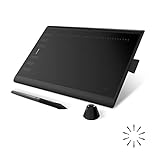
- Working Area Configuration - HUION art tablet equips with a 10 x 6.25 inches working area, providing the user with the most comfortable size to work; the 10mm slim structure and minimalist design of appearance make the drawing tablet more attractive.
- Tilt Function Battery-free Stylus: This computer graphics tablet come with a battery-free stylus PW100, no need to charge, allowing for constant uninterrupted drawing. ±60° tilt support enables imitation of lines input with diverse drawing gestures, with accuracy ensured.
- Press Keys:12 programmable press keys plus 16 programmable soft keys, you can set shortcut keys on drawing tablet's driver based on your preferences, such as erase, zoom in/out, scroll up and down, and so on.
- Compatibility: HUION graphics tablet supports Windows 7 or later/ macOS 10.12 or later/ Android 6.0 or later/ Linux (Ubuntu). A USB adapter is required to connect to a Mac computer. H1060P supports various mainstream design and drawing software, including PS, SAI, AI, CDR, etc. (Please note: The H1060P is compatible with Ubuntu, but it requires the use of the Xorg display server. Wayland is not supported.)
- NOTE: You can easily connect your phone to the art tablet via the OTG connector; while iPhone and iPad are NOT at the moment. The cursor will not show up in the SAMSUNG Galaxy S series at present. If you are not sure whether the product is compatible with your Phone or any help, please contact us.
Payhip’s official template-selling guidance warns sellers not to use pro content that is not licensed for resale and recommends free or original images and elements. Payhip’s template guidance provides a useful reminder to audit demo assets. Shopify also emphasizes originality and says creators should not upload images from the web without appropriate rights. Shopify’s theme guidance covers that principle.
Your license should state whether the buyer may use the template on one site or several, use it for client work, use it commercially, modify files, resell or redistribute the original files, use included fonts and images, transfer the license, or use the product for multisite or agency work. State which third-party assets require separate licensing.
Do not assume one marketplace’s license terms apply to another. Shopify says Theme Store themes cannot be purchased elsewhere and that a separate invoice is required for each expansion store. Shopify’s unlicensed-theme guidance explains the platform-specific purchase and transfer implications.
Where should you sell the template?
Use a platform marketplace when discovery, reviews, and platform-native delivery matter more than maximum control. Use a direct storefront when you own the audience or need to sell independent HTML, React, Figma, or multi-platform products.
| Route | Advantages | Costs and risks | Best use |
|---|---|---|---|
| Platform marketplace | Built-in discovery, reviews, buyer trust, and native installation or duplication | Approval rules, fees, ecosystem dependence, competition, and possible exclusivity | Shopify, Framer, Webflow, or WordPress ecosystem products |
| Direct storefront | Control over branding, pricing, customer relationship, bundles, and services | You must generate traffic and handle delivery, refunds, taxes, security, and support | HTML, React, Figma, documentation-heavy products, and bundles |
| Hybrid | Marketplace discovery combined with an owned audience and sales channel | Licensing and exclusivity must be checked for every product and platform | Creators with an audience and several genuinely separate products |
For direct sales, Gumroad lists a 10% plus $0.50 fee for sales through a creator profile or direct link and 30% for sales generated through Discover. Gumroad’s pricing page is the source for those listed rates; payment and tax circumstances can still affect the creator’s actual economics.
Lemon Squeezy lists a base transaction price of 5% plus $0.50, with possible additional fees in some cases, and describes merchant-of-record functionality and secure download links. Lemon Squeezy’s pricing page and its fee documentation should be checked before setting a low product price.
Payhip lists a free plan with a 5% transaction fee, a Plus plan at $29 per month plus 2%, and a Pro plan at $99 per month with no transaction fee; payment-processor charges remain separate. Payhip’s pricing page supplies the plan details. Payhip can suit creators who want a simple storefront, while it does not provide the same native installation experience as a platform marketplace.
Independent reader supportYour contribution helps us test, update, and keep practical guides available for everyone.How should you price a website template?
Price the complete product rather than the number of screenshots. Page count, platform complexity, CMS or ecommerce functionality, documentation, support, update commitments, commercial rights, niche value, competition, and marketplace fees all affect a defensible price.
Start by separating one-page products from complete website systems. Compare feature depth and editing experience, not merely visual polish. Establish a minimum price that covers expected support, test the listing, and adjust based on conversion, refunds, support time, and customer feedback. Framer recommends reviewing similar templates before setting a price, but its official guidance does not establish a universal price range. Framer’s publishing guidance supports research-based pricing rather than a fixed number.
The Tool Desk
Outbyte Driver Updater FREEScan for outdated or missing drivers - takes under a minuteDriver Scan →Outbyte PC Repair FREEClear out junk files and repair common Windows errorsFree Scan →| Tier | Possible contents | Support boundary |
|---|---|---|
| Basic | Core pages, components, and standard documentation | Community or email-only support with a defined response policy |
| Professional | More pages, CMS setup, advanced components, and expanded documentation | Defined support period and bug fixes |
| Agency or extended license | Use across multiple client projects or broader usage rights | Separate terms and potentially a higher support allowance |
| Customization add-on | Installation, branding, content population, or design changes | Paid service with a written scope, rather than unlimited support |
Use this model to estimate the economics of each sale:
Net contribution per sale =
sale price
− platform fee
− payment processing
− affiliate commission
− tax or merchant-of-record charges not absorbed by the platform
− refund cost
− expected support time
− update and maintenance cost
Do not promise unlimited support or lifetime updates at a low one-time price unless the ongoing cost is included in the business model. Define “lifetime,” supported platform versions, update windows, and whether major feature work is charged separately.
What should the sales page show?
A sales page should let a buyer decide whether the template fits before purchase. A live demo and screenshots are evidence; adjectives are not.
- A specific product name and target audience.
- Platform and version or plan requirements.
- The main business use case.
- A live demo and desktop and mobile screenshots.
- Included pages, components, and CMS or ecommerce features.
- The editing experience and required technical skill.
- Required plugins, apps, fonts, integrations, and services.
- Browser and device support.
- License terms and excluded assets.
- A documentation preview, changelog, support policy, and refund terms.
- A clear purchase button.
Replace claims such as “fully responsive” and “easy to customize” with demonstrations: show mobile screenshots, a customization video, editable controls, before-and-after content examples, the editor interface, and a sample of the documentation.
Windows Errors? Fix Them Before They Spread
Repair common Windows errors and clear accumulated junk for a smoother, more stable PC - no reinstall needed.Free scan · no reinstallOutdated Drivers Are Slowing You Down
One free scan finds every outdated or missing driver and matches the right update for your exact hardware.Free scan · exact hardware matchDisclose differences between the demo and the purchased product. The demo may use custom photography, paid fonts, manually configured CMS content, premium integrations, custom code, brand-specific copy, or additional services. A buyer should never discover those exclusions after purchase.
Also popular on Amazon

- Customize Your Workflow: The 6 customizable press keys on Huion H640P drawing tablet for pc let you assign your most-used commands—like undo, zoom, brush switch, or save—so you can keep your hands on the tablet and your mind on the art. Whether you're a digital painter switching brushes, or a comic artist zooming in and out, these keys keep your workflow smooth and uninterrupted. Plus, the Huion driver lets you save different shortcut profiles for different apps, so you never have to reconfigure when switching software.
- Professional Pen Performance: Huion H640P drawing pad for computer comes with the battery-free PW100 stylus that's always ready when inspiration strikes. With 8192 levels of pressure sensitivity, every light sketch, or bold stroke responds naturally to your hand—just like a real pen. The 5080 LPI resolution and 233 PPS report rate deliver lag-free, precise strokes, so you can draw confidently without second-guessing your cursor. The pen side buttons help you switch between pen and eraser instantly.
- Compact and Portable: Huion H640P computer graphics tablet features a compact, ultra-portable design at just 0.3 inches thin and 0.61 lbs light, so it slides easily into your backpack—perfect for sketching in coffee shops, taking notes in class, or editing on the go between home and studio. The 6x4 inch active area offers enough room for natural pen movements while fitting comfortably on crowded desks, or lecture hall seats.
- Stable Compatibility: Huion H640P graphic drawing tablet works seamlessly with Mac, Windows, Linux PCs, and Android smartphones/tablets (OS version 6.0 or later). Left-handed friendly, and you just need to flip the tablet and adjust the settings in the driver. Please note: H640P does NOT support iPhone/iPad.
- Move Beyond the Mouse: Huion Inspiroy H640P is a pen tablet that replaces your mouse for more natural, precise control. Freehand draw, take notes, or even play OSU—everything you do with a mouse, you can do better with a pen. The precise tip makes it ideal for detailed photo editing, graphic design, or signing PDF. Meanwhile, the ergonomic pen grip helps you avoid the strain that comes from hours of using a mouse.
How do you launch and market the product?
Launch the template with enough evidence for a stranger to understand the niche, the workflow, and the result. Useful promotion channels include:
- A portfolio case study explaining the buyer problem and the system you built.
- Short videos showing customization, responsive behavior, or CMS editing.
- Search-oriented landing pages for the specific niche and platform.
- An email list or launch sequence for people who have already shown interest.
- Partnerships with agencies that need a repeatable starting point.
- A free or limited version that demonstrates the editing experience.
- Customer examples, reviews, and before-and-after launches.
- Relevant affiliates or referral partners where the platform and license rules permit them.
Market the outcome rather than generic design language. “Launch a therapist website with editable services and booking-focused pages” communicates more than “beautiful modern theme.”
How do you support and update a template after launch?
A template requires maintenance because browsers, platforms, dependencies, integrations, and customer expectations change. Treat support and updates as part of the product’s operating cost.
Recommended Free Tools
Separate support into three categories:
- Bug: the product fails to perform a documented function in a supported environment.
- Setup question: the buyer needs help following the documented installation or editing process.
- Customization request: the buyer wants new content, branding, functionality, or design work outside the product specification.
Document the supported platform version or date, maintain a versioned changelog, test after major platform updates, avoid unnecessary dependencies, and provide update instructions. Track repeated support questions and turn them into documentation. Offer paid installation or customization when a request is outside the original scope.
What should you do when the product fails?
The template looks good but does not sell
Generic positioning, weak preview images, no live demo, the wrong platform, excessive competition, an unclear buyer, or a price disconnected from feature depth can all reduce sales. Narrow the audience, rewrite the listing around a concrete job, improve screenshots and demo content, publish a limited version, add a customization service, or build a small product family for the same niche.
The marketplace rejects the submission
Save the exact rejection notice, map every issue to a checklist item, fix the underlying system rather than only the reported example, retest from a clean installation or duplicate, review the documentation and demo, and resubmit only after checking the entire product. Shopify warns that missing requirements result in rejection and that poorly tested themes may be rejected without further review. Shopify’s submission requirements should guide the recovery checklist.
Customers cannot customize the product
Hard-coded content, missing global style controls, poor component names, hidden dependencies, and incomplete documentation are common causes. Add editable settings, simplify the component structure, include a “first 30 minutes” setup guide, and state honestly when coding knowledge is required.
Support consumes the revenue
Define support scope before launch, separate bugs from customization, offer paid installation, maintain troubleshooting documentation, use replies for recurring questions, and stop adding features that increase support complexity without improving the product’s value.
Assets create legal exposure
Audit every file, remove unlicensed stock images and fonts, replace brand names and logos, preserve open-source notices, create a third-party asset inventory, and explain which assets the customer must license separately.
A platform change breaks the product
Maintain a versioned changelog, test after major updates, reduce unnecessary dependencies, provide recovery and update instructions, state the supported platform version or date, and define whether updates are permanent or limited to a stated period.
Final pre-launch checklist
- One specific buyer and business outcome are named.
- One platform and its account or plan requirements are documented.
- Competitors, features, complaints, and price points have been reviewed.
- The sitemap includes realistic required pages and states.
- Colors, typography, spacing, components, and controls use a consistent system.
- Customers can replace normal content without unnecessary code editing.
- The product has been tested on phones, tablets, laptops, and large screens.
- Keyboard navigation, focus, headings, labels, contrast, alt text, errors, and reduced motion have been checked.
- Images, fonts, code, icons, plugins, and demo content are licensed for the intended distribution.
- Documentation covers installation, editing, deployment, troubleshooting, updates, and support boundaries.
- The live demo, screenshots, included pages, exclusions, license, requirements, and refund terms are honest.
- The price covers fees, expected support, refunds, and maintenance.
- Marketplace exclusivity and licensing rules have been checked before publication.
- A changelog and post-launch support process are ready.
Frequently Asked Questions
Can you make passive income by selling website templates?
Selling website templates can create repeatable digital-product revenue, but template sales are not guaranteed passive income. Platforms change, browsers change, integrations break, and customers need documentation, bug fixes, support, and updates.
What’s actually slowing this PC down?
Pick the symptom - the matching free tool is one click away.
Which platform is best for selling a first website template?
Framer suits design-led creators who want a visual marketplace route, Shopify suits creators who can meet strict ecommerce theme requirements, Webflow suits CMS-focused visual designers, and WordPress suits content-oriented products. Payhip, Gumroad, or Lemon Squeezy are more suitable for independent HTML, React, Figma, or multi-platform downloads.
Can the same Shopify theme be sold on multiple marketplaces?
A Shopify Theme Store theme cannot simply be distributed through other marketplaces because Shopify requires Theme Store themes to be exclusive to that store. Check Shopify’s current requirements before using a hybrid distribution plan.
Do buyers need to pay for a platform plan after purchasing a template?
Often, yes. A purchased template does not necessarily include hosting, a custom domain, CMS features, ecommerce features, forms, or other platform services. For example, Framer’s pricing page says custom domains require a paid plan, so the product listing should identify those separate costs.
The Bottom Line
The most reliable way to create website templates to sell is to build one narrowly positioned, platform-appropriate product and treat the product system—not the homepage—as the deliverable. Validate the buyer first, make editing predictable, test real content and accessibility, license every asset, price support honestly, and choose a sales channel whose rules you can maintain.

