
Compare mortgage offers by first making sure each Loan Estimate describes the same loan, then weighing the rate and payment against fees, cash to close, the rate-lock terms, and the lender’s ability to close on schedule. A lower rate alone does not prove an offer is cheaper. The Consumer Financial Protection Bureau (CFPB) says getting offers from multiple lenders can potentially save homebuyers $600 to $1,200 per year; that is a possible saving, not a guarantee for an individual borrower. CFPB: Compare and negotiate your loan offers
How do I compare mortgage offers?
Ask multiple lenders for a Loan Estimate using the same loan amount, loan type, term, down payment, and requested terms. The CFPB describes the Loan Estimate as a standardized form intended to make offers easier to compare. If an estimate does not reflect the scenario you discussed, ask the lender to correct or explain it before comparing prices.
Use the same rows for every offer. Record the details from the estimates and ask lenders about anything that is missing or unclear.
| Comparison area | What to record or ask |
|---|---|
| Loan structure | Loan amount, fixed or adjustable rate, term, down payment, and any balloon payment or prepayment penalty. |
| Rate and payment | Interest rate, points, monthly principal and interest, mortgage insurance, and total monthly payment including escrow where applicable. |
| Upfront costs | Origination charges, lender-required services, lender credits, cash to close, and services you can shop for separately. |
| Longer-horizon cost | The Loan Estimate’s five-year total paid and principal repaid. Subtract principal repaid from total paid to estimate interest and fees paid over that period. |
| Rate lock and schedule | Whether the rate is locked, the lock expiration date, extension terms and cost, expected processing timeline, and whether the lender expects to meet your closing date. |
| Estimate accuracy | Whether the estimate matches the scenario and terms you discussed; request an explanation or corrected estimate for discrepancies. |
Is the lower mortgage rate actually a better deal?
Not necessarily. Compare the rate alongside the monthly payment, points, lender charges and credits, mortgage insurance, cash to close, and how long you expect to keep the mortgage. A lender may offer a lower rate in exchange for higher upfront points. Whether that trade makes sense depends partly on your expected holding period and how much cash you can put toward closing; it is a decision framework, not a prediction of how long you will keep the loan.
What’s actually slowing this PC down?
Pick the symptom - the matching free tool is one click away.
#1 Best Overall
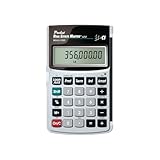
- Loan Amortization and Remaining Balances
- Instant Principal, Interest, Interest Only and Total Payments
- Future Values
- Date math function
Should I pay points to get a lower rate?
Compare the upfront points and resulting payment against another offer’s rate and costs. The lower payment may matter more if you expect to keep the mortgage longer, while lower upfront costs may suit a shorter expected holding period or tighter cash constraints. The estimates alone cannot tell you how long you will keep the loan, so use your own plans rather than treating a typical holding period as a forecast.
How should I use the five-year comparison?
The CFPB says, “figuring out the total dollar amount you pay in interest and fees over five years is a good way to compare loan offers.” On the Loan Estimate, subtract principal repaid after five years from the total amount paid over that period to get the CFPB-described interest-and-fees comparison. For an adjustable-rate mortgage, the estimate assumes rates do not change; actual costs could be higher if rates rise. CFPB: Compare and negotiate your loan offers
Rank #2

- SPEAKS YOUR LANGUAGE: Keys clearly labeled in residential mortgage finance terms like Loan AMT, Int, Term, PMT. This industry-standard calculator is super easy to use on all realty financing matters from finding a loan that works for your client to considering trust deeds investments, or finding remaining balances or balloon payments and much more
- CONFIDENTLY AND EASILY SOLVES: All your clients' financial questions whether they are buyers, sellers, investors or renters. Increase your perceived professionalism as a new agent, experienced broker or seasoned loan officer. Close more home sales and impress your clients with fast, accurate answers to all their real estate finance questions
- DEDICATED BUYER QUALIFYING KEYS: Enter client's income, debt and expenses to pre-qualify them to only show properties they can afford. Include tax, insurance and mortgage insurance then compare loan options and payment solutions to give your client choices before they make an offer to buy
- FIGURE OUT THE RIGHT LOAN: At the press of a button for jumbo, conventional, FHA/VA, or even 80:10:10 or 80:15:5 combo loans; check to see if ARMs or bi-weekly loans, quarterly payments or if interest-only payments are the answer; giving your client more choices; easily perform what if loan or tvm calculations Find loan amount, term, interest or PITI or PI payments
- BECOME AN INVALUABLE RESOURCE: Reduce your clients' confusion and uncertainty; ensuring they are able to make a purchase offer; knowing they can afford the down payment; and determining which is the right loan for them. Date-math for listings and contracts too. Comes with a protective slide cover, quick reference guide, pocket User's Guide, and long-life batteries
What fees and cash-to-close items should I compare?
Look closely at charges the lender controls, including origination charges, lender-required services, and lender credits. Compare services you can shop for separately as well. Taxes, insurance, prepaids, and initial escrow amounts may vary for reasons outside the lender’s control; ask why estimates differ rather than assuming the lender caused every difference.
Cash to close is the amount you need to bring to closing under the estimate. Review its components and ask the lender to explain any amount that differs from what you expected. A “no closing cost” offer does not necessarily eliminate costs: it may shift them into a higher payment. Compare the full payment and upfront figures, not just the label.
Rank #3

- DEDICATED FUNCTION KEYS for Quick Financial Solutions: Clearly labeled function keys enable you to quickly and confidently provide financial answers and options for your clients, whether in the office, in the car or at an open house. Compare loan options and provide payment solutions to give your client choices
- INSTANT FINANCIAL PROBLEM SOLVING: Solve the financial questions your clients have whether they are buyers, investors or renters; increase your perceived professionalism and close more home sales by quickly answering real estate finance problems including remaining balances
- RESIDENTIAL REAL ESTATE FINANCE TERMS: Keys labeled in residential real estate finance terms like Loan AMT, Int, Term, PMT; Calculator is super easy to use to determine a mortgage loan that works for your client
- VERSATILE LOAN CALCULATION OPTIONS: Calculate 80:10:10 or 80:15:5 combo loans at the press of a button; check to see if ARMs or bi-weekly loans, quarterly payments or if interest-only payments are the answer; giving your client more choices
- COMES COMPLETE: Comes with a protective slide cover, quick reference guide, pocket user's guide, two long-life batteries, and 1-year warranty
How long does a mortgage rate lock last, and what if closing is delayed?
An unlocked rate can change. A rate lock generally protects the quoted rate only through the period stated by the lender and subject to the lock’s conditions, including whether the application changes materially. Check the expiration date and ask whether an extension is available, what it costs, and whether the lender can close before the lock expires. A Loan Estimate is not final loan approval.
Closing capability belongs in the comparison alongside price: a delay can create costs or put a purchase contract at risk. If your expected closing date may fall after the lock expires, ask about a longer lock or extension and confirm that the lender can meet the contract timeline. Switching lenders after choosing an offer restarts the loan process and may delay or endanger closing, so discuss timing with the new lender before you switch.
Rank #4

- SPEAKS YOUR LANGUAGE: Keys clearly labeled in residential mortgage finance terms like Loan Amt, Int, Term, Pmt; this industry-standard calculator is super easy to use on all realty financing matters from finding a loan that works for your client to considering trust deeds investments, or finding remaining balances or balloon payments and more
- CONFIDENTLY AND EASILY SOLVE: Clients' financial questions whether they're buyers, sellers, investors or renters. Increase your perceived professionalism as a new agent, experienced broker or seasoned loan officer. Close more home sales and impress your clients with fast, accurate answers to all their real estate finance questions from PITI Payments to IRR, NPV and Cashflows
- DEDICATED BUYER QUALIFYING KEYS: Enter client's income, debt and expenses to pre-qualify them to only show properties they can afford. Include tax, insurance and mortgage insurance then compare loan options and payment solutions to give your client choices before they make an offer to buy
- FIGURE OUT THE RIGHT LOAN: For your client at the press of a button for jumbo, conventional, FHA/VA, or even 80:10:10 or 80:15:5 combo loans; check to see if ARMs or bi-weekly loans, quarterly payments or if interest-only payments are the answer; giving your client more choices; easily perform what if loan or TVM calculations find loan amount, term, interest or PITI or PI payments
- BECOME AN INVALUABLE RESOURCE: To your clients by reducing their confusion and uncertainty; ensuring they are able to make a purchase offer; knowing they can afford the down payment; and determining which is the right loan for them. Date-math for listings and contracts too. Comes with a protective slide cover, quick reference guide, pocket user's guide, and long-life battery
What is the mortgage estimate and closing timeline?
- Request estimates for one matching scenario. Give each lender the same loan type, amount, down payment, term, and other requested terms.
- Check when the Loan Estimate should arrive. The CFPB says lenders generally must provide it within three business days after receiving the required application information. If it has not arrived, contact the lender and ask why. CFPB: Loan Estimate explainer
- Review the estimate and the lock terms. Confirm the loan details, costs, whether the rate is locked, its expiration, and any conditions that apply.
- Respond promptly if you want to proceed. If you do not express intent to proceed within ten business days after the estimate is sent, the lender may close the application as incomplete. Fees such as application or appraisal fees may arise after you express intent to proceed and may or may not be refundable; confirm the lender’s steps and fee terms. CFPB: Loan Estimate explainer
- Confirm the lender’s schedule. Ask about expected processing time, whether it can close by your contract date, and what happens if that date approaches the lock expiration.
- Compare the Closing Disclosure with the latest Loan Estimate. Ask the lender to explain unexpected changes to the rate or costs. The CFPB notes that costs may differ if important information changed or was missing, and a rate lock has conditions that may not protect against material application changes. CFPB: Closing Disclosure explainer
How can I negotiate mortgage offers?
Use competing Loan Estimates to ask lenders whether they can match or improve an offer. Compare any revision as a whole: a lower fee could be offset by another fee, higher points, or a changed rate. Ask the lender to explain the difference rather than assuming a revised estimate is automatically better. The CFPB advises negotiating over a short timeframe after signing a purchase contract; if you are considering a switch, discuss the closing schedule with the new lender first. CFPB: Compare and negotiate your loan offers
Which offer should I choose?
Choose based on the complete offer and your constraints, not one headline number. Favor the combination of loan terms, upfront and ongoing costs, expected time in the mortgage, rate-lock protection, and credible closing schedule that best fits your plans. If key assumptions do not match or a cost is unclear, get the lender’s explanation or a corrected estimate before deciding.
The Tool Desk
Outbyte PC Repair FREEClear out junk files and repair common Windows errorsFree Scan →Outbyte Driver Updater FREEFix the driver behind crashes, sound loss and screen glitchesFind Drivers →Quick Recap
Best Value

- Extra large 12-digit angled display.
- Loan Wizard.
- Automatic Tax Keys.
- Selectable decimal setting.
- Input any three loan variables to compute the fourth.
Product prices and availability are accurate as of the date/time indicated and are subject to change. Any price and availability information displayed on Amazon at the time of purchase will apply.

