
There is no universal main-to-side-quest ratio. Follow the main mission when the game signals immediate stakes or important context; take optional quests when they deepen a character or place you care about, suit your pace, or fit your route. If a quest might be time-sensitive, check the game’s own warnings and guidance rather than treating dramatic wording as proof of a deadline.
How to choose your next quest
When both the main objective and optional activities are available, compare them on the factors that matter to your current playthrough. This is a practical decision framework, not an in-game scoring system.
- Urgency: Does the quest explicitly warn that someone or something is in immediate danger, or does the game state that time matters?
- Story relevance: Does it clarify the current conflict, introduce a key character, or change what the protagonist is responding to?
- Character or setting interest: Are you curious about the people or place involved?
- Commitment: Does it look self-contained, or does it appear to open a longer arc?
- Route and pace: Is it nearby, and would its gameplay offer a welcome change before the next main-story beat?
Use these factors to choose what sounds engaging—not to create a duty to clear every map marker. If the optional task feels unrelated and you want to know what happens next, continue the main mission.
Should you do side quests before the main quest?
Do them first when they connect to the current region or conflict, develop someone you care about, or offer a distinct activity you want to try. A nearby quest can fit naturally between main-story sections, but convenience is a tie-breaker, not an obligation.
Quick wins for a faster PC:
Fix the driver behind crashes, sound loss and screen glitchesFind Drivers →Clear out junk files and repair common Windows errorsFree Scan →#1 Best Overall

- 192-page full color hardcover packed with tools and guidance to help gamemasters run immersive campaigns.
- Includes expert advice for new and experienced GMs tailored to the Warhammer The Old World roleplaying system.
- Features campaign-building tools like Grim Portents, Contacts, and Dark Threads to create dynamic narratives.
- Expanded setting details for Talagaad with guidance for adapting adventures to other regions and stories.
- Contains bestiary, magic items, downtime events, and corruption paths to enrich gameplay and surprise players.
Prioritize the main mission when it establishes important context, delivers a major revelation, or makes the protagonist’s immediate response clear. A dramatic premise by itself does not establish a deadline: check the quest text, dialogue, and game-specific guidance before assuming an optional task will expire.
Why the right balance depends on the game
Quest structure varies by game, so a ratio that works in one RPG may disrupt the pacing of another. In a 2020 Ubisoft interview, Assassin’s Creed Valhalla narrative director Darby McDevitt described a design built around almost two dozen territory quests lasting two to three hours each, alongside shorter World Events. He contrasted that structure with roughly 100 or more side quests in Origins and Odyssey, which he characterized as taking 10 or 20 minutes each. Those are estimates for the games he discussed, not a recommended ratio for players.
Rank #2

- Explore the grim and thrilling World of Legend with this 192-page full-color hardback RPG book for Warhammer: the Old World, ideal for players and collectors alike.
- Create iconic characters using six Origins and 30 Careers, from cunning Rat Catchers to noble Knight-Exiles, with full rules for advancement, Skills, Talents, and Lores.
- Fast-paced, easy-to-learn d10 dice pool system delivers high-lethality gameplay true to the Old World, offering combat, adventure, and peril for every session.
- Customize your hero with trappings, Assets, Endeavours, magical spells, and improvised spellcasting, plus divine Favours, prayers, and miracles from ten gods.
- Perfect for players seeking epic adventures, survival, and glory; this book contains everything needed to explore the Old World, complementing the Gamemaster’s Guide.
Other designers describe different approaches. In a Game Developer interview about Prey, lead designer Ricardo Bare said the team deliberately gave players latitude over when they consumed story content. A PlayStation.Blog interview with Horizon Zero Dawn developers discussed making quests responsive when players leave and return. These examples show why a universal rule cannot tell you which quest to do next: games differ in how they connect optional content, pacing, and the central story.
Will you miss side quests if you continue the main story?
Sometimes a game may change or remove access to optional content as the story progresses, but there is no universal rule about when that happens. Look for an explicit warning, urgent dialogue, a change in quest status, or official guidance for the specific game. If missing a quest would matter to you and the game offers no clear answer, make a manual note of its name and objective before moving on.
Recommended Free Tools
Rank #3

- ENTER THE WORLD OF SKYRIM: Experience the legendary open-world RPG as a tabletop adventure, exploring Tamriel through branching quests, iconic factions, and rich Elder Scrolls lore.
- COOPERATIVE OR SOLO PLAY: Designed for 1–4 players, allowing you to adventure solo or team up to face dragons, uncover conspiracies, and shape the fate of Skyrim together.
- OPEN-ENDED QUEST SYSTEM: Choose how you approach each mission—diplomacy, stealth, or combat—as your decisions permanently impact the story and the world around you.
- DEEP CHARACTER PROGRESSION: Build unique heroes with evolving skills, gear, and abilities inspired by the video game’s iconic progression systems.
- HIGH REPLAYABILITY: Modular scenarios, multiple quest paths, and varied character builds ensure every campaign feels fresh and every journey through Skyrim is different.
A quest that sounds urgent is not, by itself, proof that it expires. Likewise, the fact that one game lets you leave and resume content does not prove another handles quest state the same way. Check the named game rather than relying on genre-wide assumptions.
How to switch quests without losing the story
Before leaving a main mission—or after pausing a long optional arc—capture a short continuity note. This simple habit helps you remember what was happening without assuming that every game saves or presents quest state identically.
Rank #4
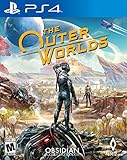
- The outer worlds is a new single-player first-person sci-fi rpg from obsidian entertainment and private division
- In the outer worlds, you awake from hibernation on a colonist ship that was lost in transit to halcyon, the furthest colony from earth located at the edge of the galaxy, only to find yourself in the midst of a deep conspiracy threatening to destroy it. As you explore the furthest reaches of space and encounter various factions, all-vying for power, the character you decide to become will determine how this player-driven story unfolds. In the corporate equation for the colony, you are the unplanned variable
- Write down the active objective. Include the quest name and the next concrete task.
- Record where you paused. Note the location, the last event, or the point at which you chose to leave.
- Name the relevant characters. Add who was involved and what they wanted, if that affects the objective.
- Capture why the event mattered. A brief note about the current conflict or motivation is more useful than a full plot recap.
- On returning, check the quest log and current dialogue. Use the game’s own state to confirm whether anything changed before resuming.
Leaving and returning is a normal open-world play pattern. Horizon Zero Dawn’s quest designers specifically discussed the need for quests to respond to players who walk away and come back, but your available continuity tools still depend on the game.
Independent reader supportYour contribution helps us test, update, and keep practical guides available for everyone.How to keep the side-quest backlog manageable
Choose one or a few optional quests that genuinely interest you, then reassess instead of collecting every task for later. If an activity becomes repetitive, pulls you away from the protagonist’s current motivation, or leaves you unsure what the main conflict was, return to the central mission.
Best Value
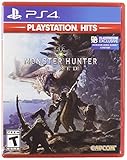
- Welcome to the new world: taking on the role of a Hunter, players are tasked with going on a research expedition to a newly discovered continent known only as “new world”.
- Living and breathing ecosystem: utilize the surrounding environment and wildlife to your advantage;Subgenre:Action role-playing game (RPG)
- Online drop-in multiplayer: when the battle is too daunting to take on single-handedly, hail up to three other hunters to assist during quests by sending up a sos flare to a worldwide server.
- Hunt to craft new Gear: defeat monsters and collect loot from fallen foes to craft equipment and weapons styled after the monsters that have been slain.
- SEAMLESS gameplay: players and monsters can move from One map area to another freely and without loading screens whilst gameplay also dynamically transitions between night and day.
Side quests can add character, relationships, and local context; they can also feel like a backlog when the game presents them as tasks to collect and postpone. A change of pace is useful when you want one, not when it turns play into a checklist. Quest designers describe pacing as an intentional part of the experience: Techland’s 2024 discussion of quest and level design emphasizes keeping players engaged between quest stages.
Quick Recap
A quick decision rule
- Choose the main mission for explicit urgency, essential context, or when you are eager to follow the central arc.
- Choose a side quest when it interests you, adds relevant character or setting detail, or offers a worthwhile change of pace.
- Pause and check when the game gives a specific warning or you suspect access could change; verify through the quest status or official game-specific guidance.
- Leave it for later when it feels unrelated, and jot down your place if you might want to resume it.
Product prices and availability are accurate as of the date/time indicated and are subject to change. Any price and availability information displayed on Amazon at the time of purchase will apply.

