
The Tool Desk
Outbyte Driver Updater FREEScan for outdated or missing drivers - takes under a minuteDriver Scan →Outbyte PC Repair FREERepair Windows errors before they cause bigger problemsFix Now →Researchers test reef shading by comparing shaded corals with unshaded controls, measuring underwater light and heat, and tracking coral condition over time. A shade can reduce the light reaching a coral without reducing marine heat stress, so neither a change in color nor a lower light reading alone proves that shading protected the coral.
What measurements show whether shade changed a coral’s environment?
Underwater light: photosynthetically active radiation
Researchers measure photosynthetically active radiation (PAR), the light available for photosynthesis, at coral depth. Readings taken beneath shaded and unshaded treatments show whether the intervention actually changed the coral’s light exposure. Underwater quantum sensors and PAR loggers can be calibrated against a handheld meter; repeated readings help describe the light dose rather than relying only on a shade structure’s nominal percentage.
In the Opal Reef study, Strudwick and colleagues reported mean midday PAR of 293.66–316.2 μmol photons m⁻² s⁻¹ in unshaded shallow nurseries. The authors judged those levels may not have been high or sustained enough to exceed relevant saturation thresholds for the corals in that experiment. These measurements are specific to that study, not universal thresholds for when corals need shade. Read the 2025 Opal Reef study.
Water temperature and accumulated heat stress
Temperature must be tracked separately from light. Shade changes irradiance; it does not remove heat from the water or undo heat accumulated during a marine heatwave. Researchers therefore record site temperatures and, where relevant, report cumulative thermal stress alongside the biological results. Otherwise, a change in coral condition could be wrongly attributed to shade when the heat exposure differed between sites or treatments.
#1 Best Overall

- Valued Carpenter Pencil Set: You will get 2 pcs solid carpenter pencils with 26 piece 2.8 mm refills, 1 replaceable sharpener, 1 plastic storage box.The complete carpenter pencils combination allows you to finish your work faster and more easily
- Deep Hole Marker Pencil: The deep-hole construction pencils adopts 45mm elongated tip design, which is more convenient to mark in the small hole or in other tight areas that other carpenter markers cannot reach
- Carpenter Pencils with Sharpener: The sharpener is screwed into the top of the work pencil, which won't get lost either. Built-in pencil sharpener that keep the lead with pointed and smooth to Improves line of sight in fine work
- Stronger Solid Lead: This work pencil is matched with a 2.8 mm thick lead , which is much thicker and stronger during the drawing process of construction work, it will not break or damage easily
- Marks on Various Surfaces: 3 colors solid construction pencil can marks on various surfaces,such as metal, plastic, wood, paper etc. Ideals for woodworkers, contractors, craftsmen, builders, merchants and masons
A 2023 controlled experiment compared shading schedules across temperature treatments. Its authors used treatment temperatures of 26.4°C and 28.6°C, with heat-stressed treatments reaching 32.6°C. Those are conditions in that experiment, not recommended reef temperatures. Repeated PAR measurements alongside temperature helped characterize both the light and heat exposures. Read the 2023 intermittent-shading experiment.
How do researchers measure coral condition?
Color, paling, and bleaching
Researchers may score coral color with a standardized chart, estimate the share of a colony affected by paling or bleaching, or analyze photographs. In the Opal Reef field study, researchers photographed fragments with a CoralWatch card for reference and used image analysis of grey intensity normalized to a white standard as a proxy for paling. The Florida Keys field study repeatedly assessed color and bleaching index.
Rank #2

- Ergonomically Designed: Work in tight areas with a compact design that gets into tough spots
- Compact and Lightweight: Both tools are designed to fit into difficult to reach spaces. The 1/4" impact driver has a length of 5.55 in. and weighs just 2.8 lbs, while the 1/2" drill/driver measures only 7.5 in. and weighs 3.6 lbs
- Both the DEWALT impact driver and electric drill driver feature integrated LED work lights with a convenient 20-second delay, ensuring enhanced visibility in dimly lit or challenging work areas
- One-Handed Loading - Keep one hand free with a 1/4 in. hex chuck that accepts 1 in. bit tips
- Power drill cordless with 1/2" single sleeve ratcheting chuck provides tight bit gripping strength, making bit changes faster and more secure
Color is a useful response measure, but it is not a complete measure of coral health. A change in appearance does not by itself establish that a coral survived, recovered, or grew. Researchers pair color assessments with outcomes that address those questions.
Survival, growth, and biological measures
Live cover and mortality indicate whether corals remained alive; growth can show changes in size or production. Depending on the study’s question, researchers may also measure photochemical performance, tissue or symbiont characteristics, and recovery after shade is removed. A 2026 Florida Keys in-situ study, for example, combined repeated color/bleaching assessments with live-cover and mortality observations and tissue sampling. Read the 2026 Florida Keys study.
Rank #3

- 【Great Compatibility】This Katerk 1/4 inch hex shank bit holder is specifically designed for 1/4 inch hex shank drill bits. It's compatible with most 1/4 fast hex handles, hex sockets, various electric screwdrivers, and handheld screwdrivers. The bit holder makes it a valuable addition for any handyman.
- 【Secure and Safe】Built with a secure backup nut design, each drill bit holder securely locks onto your bits, ensuring they stay firmly in place. Additionally, our bit holder incorporates a high-quality steel ball rolling design that holds up to several kilograms of weight, ensuring your various drill bits don't fall off.
- 【Easy One-Handed Operation】The bit holder for impact driver allows you to change bits single-handedly, simplifying your workflow. Its multi-color design further allows for quick identification of the drill bit you need.
- 【Compact and Convenient】Thanks to its compact size, this 1/4 inch bit holder is easy to carry around. The bit holder allows for easy attachment to various tools, making this a convenient addition to your construction accessories. The Katerk bit holder is cast from high-quality alloy material, promising a long product lifespan. Despite its rugged strength, the bit holder remains lightweight, making it portable.
- 【Cool Christmas Gift For Men Stocking Stuffers】 This screwdriver bit holder, driver bit holder, impact bit holder, can be given as a gift to your loved one, especially for anyone involved in construction or electrical work. It's a must-have for stocking stuffers for men and women, tools gifts for dad, tech gadgets for men, gifts for dad, gifts for him, gifts for husband, gifts for boyfriend, cool gadgets for men, and cool gifts for dad.
What makes a shade experiment convincing?
The central comparison is shaded corals versus comparable unshaded controls observed over the same period. Strong designs match or randomize groups, account for species and site, and repeat measurements through the stress event. A factorial design can test shading separately from factors such as depth or temperature, rather than confounding them.
Researchers also document the treatment itself: shade percentage, hours per day, timing, and duration. These details matter because intermittent and continuous shade are different exposures, and outcomes may vary by species, depth, site, light regime, and heat stress. Follow-up after shade removal helps establish whether any benefit persists or whether corals recover once the intervention ends.
Rank #4

- Long Nib and Deep Hole Marker: Our mechanical carpenter pencil with 45mm nib is designed for easy marking of deep holes or narrow areas. These construction pencils are the great choice for woodworking tools, construction tools, carpenter tools, contractor tools, wood carpentry tools and architect tools
- Extra Refills in 2 Colors for Versatile Marking: The construction mechanical pencil comes with 12 extra 2.8mm refills, including 6 red and 6 black refills. The black refill is suitable for light surfaces, while the red wax is perfect for dark surfaces. Our carpenter mechanical pencil makes sure that you'll have an ample supply for extended use
- Built-in Sharpener: Our construction pencil comes with a built-in sharpener to ensure the mechanical pencil tip is always sharp and ready for use. Never buy an extra pencil sharpener again. A great tool for any woodworker pencil, contractor pencils. The refill can easily be extended or retracted with a simple click of the pencils mechanical, allowing you to work more efficiently and accurately
- Portable Clip Design: Our deep hole construction pencil features a portable clip design, easy to carry and attach to your pocket or tool box, so that you can keep the carpenter pencils mechanical close at hand, making it a convenient tool to have on the go. Great gifts choice for carpenters
- Stronger Pencil Lead: The black refills are made of lead, sturdy and smooth. The red refills are made of wax, clear and light. These marking pencils are much thicker and stronger than normal pencils during the marking process of construction work, suitable for various surfaces, such as glasses, metal, boards, floors, walls, furniture, etc. The written marks can be easily wiped with a wet paper towel when needed
- Environmental check: Did PAR actually fall at the coral, and how did temperature and cumulative heat stress compare?
- Biological check: Did standardized paling or bleaching scores change, and did survival, growth, or other relevant outcomes also change?
- Comparison check: Were shaded corals compared with suitable controls under comparable conditions?
- Time check: Were corals observed repeatedly during treatment and after it ended?
What have coral-shading studies found?
Opal Reef: no overall shading benefit in a 2023–2024 nursery trial
At two Great Barrier Reef sites, Strudwick and colleagues crossed shading with lowering nursery structures from 4 to 7 m during the 2023–2024 Austral summer. They followed coral paling and mortality for 138 days. Lowering improved bleaching outcomes at one site but not the other; shading did not reduce paling or mortality overall. The authors concluded that irradiance may not have been a primary regulator of bleaching severity in those conditions, or that thermal stress was not severe enough for shade to mitigate bleaching.
That result does not establish that shade never helps. It shows why researchers measure the conditions and outcomes together: if the light exposure was not the main driver, or the heat-and-light combination did not produce a measurable benefit, a shade treatment may not improve coral condition.
Do these 3 things before closing this tab:
1Clear out junk files and repair common Windows errors2Fix the driver behind crashes, sound loss and screen glitches3Repair Windows errors before they cause bigger problemsBest Value
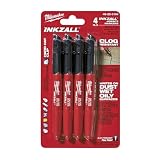
- Milwaukee Ink all Fine Point Marker, Black, 4 Per Pack
- 4 per pack Features Clog Resistant Marker Tip Writes through Dusty, Wet and Oily Surfaces Durable Marker Tip for Writing on Concrete, OSB and Rough Surfaces
- Clog resistant tip writes on dusty, wet and oily surfaces and is optimized for rough surfaces such as OSB, cinderblock and concrete
- Hard hat clip- attaches for easy access
- Quick dry time with reduced smearing and marking
American Samoa: results varied by species and stress level
An earlier experiment tested no shade, 50% shade, and 75% shade during thermal stress in three Indo-Pacific coral species. The NOAA-hosted study record reports color and growth responses, with protection differing by species and stress level; shading was particularly beneficial to more sensitive species in that experiment. Its percentages are experimental treatments, not a universal prescription. Read the NOAA study record.
Early observations are not controlled evidence
A 2004 USGS account described coral that appeared to regain normal brown color under visible-light shade, but explicitly characterized the observation as non-quantitative. It can motivate a controlled test; it does not establish that shading caused recovery or that corals survived better. View the USGS account.
How to interpret a reported benefit
Ask what was measured and under which conditions. A lower PAR reading confirms a change in light exposure, not a biological benefit. A better color score is evidence about appearance, not necessarily mortality or lasting recovery. A stronger claim rests on comparable controls, repeated observations, appropriate environmental measurements, and outcomes aligned with the claim.
Results from local nursery experiments also should not be treated as proof that shading will protect whole reefs. Across the studies described here, no single shade percentage or duration is established as effective in every setting; species, site, depth, shade schedule, light regime, and heat exposure all affect the interpretation.
Quick Recap
Product prices and availability are accurate as of the date/time indicated and are subject to change. Any price and availability information displayed on Amazon at the time of purchase will apply.

