
Outdated Drivers Are Slowing You Down
One free scan finds every outdated or missing driver and matches the right update for your exact hardware.Free scan · exact hardware matchPC Slower Than It Used to Be?
A free scan shows the junk files, broken settings and background clutter dragging Windows down - then fixes them in one click.Free scan · Windows 10 & 11iTechGuides is reader-supported. When you buy through links on our site, we may earn an affiliate commission. As an Amazon Associate I earn from qualifying purchases. Learn more
Monitoring your mic through headphones is easiest with a USB microphone, audio interface, or mixer that supports direct monitoring: connect wired headphones to the hardware, enable Direct Monitor or Zero-Latency Monitoring, and disable software monitoring. Use OBS, a DAW, or Windows monitoring only when you need processed audio or custom routing.
Hearing your own voice while you speak is called microphone monitoring. The microphone’s live signal is sent to your headphones so you can judge volume, noise, distortion, microphone position, and processing in real time. The important choice is whether you want the raw microphone signal with almost no delay or the processed signal that a recording, stream, or call receives.
Key takeaways
- Hardware direct monitoring sends the microphone signal to headphones without routing it through the computer, so it is usually the best choice for natural speech, singing, and low-delay monitoring.
- Software monitoring is necessary when you need to hear OBS, DAW, or call-app effects, but buffer settings, plug-ins, Bluetooth, and computer load can add an uncomfortable delay.
- Hearing your voice twice usually means that direct monitoring and software monitoring are active at the same time; use only one microphone-monitoring path.
- Direct monitoring normally does not reproduce software noise suppression, EQ, compression, or reverb, so direct monitoring may not sound exactly like the stream or recording.
- A USB microphone with a headphone jack is the simplest one-person setup, while an audio interface suits XLR microphones and a mixer or production console suits multiple speakers and headphone mixes.
What does monitoring your mic through headphones mean?
Monitoring your mic through headphones means routing the microphone’s live input to headphones while you speak. Monitoring is separate from recording, sending audio to a stream or call, raising microphone gain, and listening to a delayed recording playback.
Quick wins for a faster PC:
Clear out junk files and repair common Windows errorsFree Scan →Fix the driver behind crashes, sound loss and screen glitchesFind Drivers →A simple setup has two possible signal paths:
Microphone
   │
   ├── Direct hardware path ──> Headphones
   │       Lowest practical latency
   │
   └── Computer/software path ──> DAW, OBS, call app ──> Headphones
           Can include effects, but adds processing delay
Direct monitoring uses the hardware path. Software monitoring sends the microphone into the computer and back out through an application. Sidetone on a gaming headset is a related feature, but sidetone is controlled by the headset and is not necessarily the same signal sent to a game, stream, or call.
Popular on Amazon

- Bass Sound: Enjoy clear sound and superior comfort with the OneOdio Studio Monitor Headphones. Equipped with large 50mm speaker drivers and neodymium magnets, pro-10 deliver powerful bass, clear vocals, and crisp highs for a balanced stereo sound.
- Built for Comfort: The soft, padded ear cushions are designed to provide long-lasting comfort and effective noise isolation. The adjustable, stretchable headband allows you to easily find the perfect fit and angle for your listening pleasure.
- Single-side Monitoring: The 90° swiveling ear cups allow for single-ear monitoring, making it ideal for DJing or mixing. The self-adjusting and flexible headband ensures a fatigue-free listening experience, even during extended sessions, making these headphones perfect for mastering and mixing.
- Compatibility: Pro-10 wired headphones work exclusively in wired mode and are compatible with a wide range of devices, including smartphones, laptops, tablets, desktop computers, audio interfaces, DJ mixers, amplifiers, and any device that features either a 3.5mm or 6.35mm audio jack.
- Share Audio Port: With a shared audio port, easily connect another pair to share music or videos—no splitters or special cables needed.
Why should you hear your own microphone?
Microphone monitoring lets you detect problems while they are happening instead of discovering them after a recording or live broadcast. Listening through headphones can reveal clipping, distortion, hum, buzz, cable noise, room noise, plosives, and an inconsistent speaking distance.
Monitoring also helps with vocal technique. A speaker can hear whether the microphone is too quiet, too loud, muffled, metallic, over-compressed, or affected by an aggressive noise suppressor. The same feedback is useful for podcasting, voice-over, singing, overdubbing, streaming, gaming, remote calls, and live production.
A mixer or production console may provide channel-level Listen or Solo controls. According to RØDE’s RØDECaster documentation, these controls can isolate a selected channel in the monitoring headphone output without changing the main mix. That is useful when a producer needs to check one microphone privately.
Which microphone monitoring method should you choose?
The best monitoring method depends on whether you need immediate raw audio, processed audio, or a mix of several sources.
| Requirement | Best choice | Reason | Main limitation |
|---|---|---|---|
| Speak naturally with almost no delay | Hardware direct monitoring | Uses the shortest signal path | Usually bypasses software effects |
| Hear the raw microphone signal | USB mic, interface, or mixer direct monitoring | Does not send the signal through the computer first | May expose room noise and plosives without processing |
| Hear EQ, compression, noise reduction, or reverb | DAW or OBS software monitoring | Effects are applied before headphone playback | Can introduce delay or doubled audio |
| Hear a microphone alongside game, music, or call audio | Interface mixer, OBS, or a hardware mixer | Combines live input and computer playback | Routing is more complex |
| Monitor several speakers | Mixer or multi-output interface | Provides more inputs and headphone-routing options | Costs more and requires more setup |
| Route different applications separately | Virtual audio software | Provides custom application-by-application mixes | Extra drivers and more difficult troubleshooting |
How do you hear yourself with a USB microphone?
The fastest USB microphone setup is to connect wired headphones directly to the microphone’s headphone output and enable the microphone’s hardware monitoring control.
- Connect the USB microphone directly to the computer.
- Plug headphones into the microphone’s headphone jack, not the computer’s headphone jack.
- Select the USB microphone as the recording input in the operating system and in the recording, streaming, or call application.
- Turn on Direct Monitor, Zero-Latency Monitoring, or the microphone’s similarly named control.
- Start with a low headphone volume and raise it gradually.
- Disable software monitoring for the same microphone input if your voice sounds doubled or delayed.
Controls vary by model. For example, the RØDE NT-USB Mini monitoring instructions describe pressing the front volume control to enable or disable zero-latency monitoring and recommend muting software monitoring when the hardware path is active. The RØDE PodMic USB user guide documents a 3.5 mm headphone output and a control for zero-latency monitoring.
Direct monitoring normally gives you the microphone’s input signal, not the final sound processed by OBS, a DAW, or a conferencing application. A USB microphone’s headphone output may also provide a limited blend of microphone audio and computer playback, and the headphone amplifier may not provide enough level for every high-impedance headphone.
How do you monitor an XLR microphone through an audio interface?
An XLR microphone normally needs an audio interface, mixer, or compatible USB adapter to provide microphone preamplification, analog-to-digital conversion, a headphone output, and—ideally—direct monitoring.
- Connect the XLR microphone to the interface’s microphone input.
- Connect headphones directly to the interface’s headphone output.
- Set the interface as the application’s input device and, when appropriate, its output device.
- Enable the interface’s Direct Monitor control or configure direct monitoring in the interface mixer software.
- Set microphone input gain separately from headphone volume. Speak at your normal distance and keep the input below clipping.
- Mute the microphone’s software-monitoring track if you are already hearing the hardware path.
Focusrite defines direct monitoring as listening to the input signal with near-zero latency and recommends muting the software-monitored recording track when direct monitoring is enabled. The exact control may blend live input with computer playback rather than replacing the computer mix.
For computer audio, connect headphones or speakers to the interface when the interface is serving as the monitoring device. Focusrite’s computer-audio monitoring guidance explains that headphones connected to the interface can monitor both interface inputs and computer playback. On Windows, the interface may use its ASIO driver or the Windows audio driver, and that choice can affect routing.
What is the difference between raw and processed microphone monitoring?
Raw monitoring sends the microphone signal to headphones before software effects. Processed monitoring sends the signal through a DAW, OBS, or another application before returning it to the headphones.
| Monitoring type | What you usually hear | Best for | What you may not hear |
|---|---|---|---|
| Raw/direct | Microphone gain, room sound, plosives, and unprocessed voice | Natural speaking, singing, overdubbing, and low-delay performance | OBS filters, DAW plug-ins, software EQ, compression, and reverb |
| Processed/software | The signal after application effects and routing | Checking the sound sent to a stream or recording | An immediate response; the signal may be delayed |
Neither method is universally more accurate. Direct monitoring is better for timing and natural performance, while software monitoring is better for judging the processed signal. A noise suppressor, compressor, or reverb can make the monitored voice sound better while hiding problems in the raw recording, so check the unprocessed signal occasionally.
Also popular on Amazon
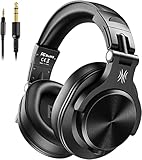
- Hi-Res Sound Quality: Equipped with 40mm drivers, these wired over-ear headphones deliver exceptional sound clarity and depth, making them perfect for studio monitoring, mixing, and DJing. The high-resolution audio ensures every detail and nuance in your music is captured and reproduced with precision.
- Built to Stay Comfortable: The soft padded ear cushions are specifically designed for monitor headphones comfort and noise isolation. The headband is adjustable and stretchable for you to find the desired angle you like to fit in.
- No More Adapter: A long-style 6.6-9.8 ft coiled cord and standard-sized 6.35mm plug and a 3.5mm plug are included. These headphones can be easily connected to a variety of devices including AMPs, computers, keyboards, guitars, and laptops.
- Single-sided Monitoring: 90° swiveling earcups for single-ear monitoring anytime, keep one ear free for conversations with single-sided monitoring.
- Share Audio Port: With a shared audio port, easily connect another pair to share music or videos—no splitters or special cables needed.
Hardware direct monitoring usually bypasses computer processing. RØDE explains that zero-latency monitoring avoids sending the microphone signal through the computer; the practical consequence is immediate monitoring without automatically hearing software effects.
How do you enable microphone monitoring in Windows?
Windows provides a classic Listen to this device route for microphones that lack a direct-monitoring headphone output, although menu names and locations vary between Windows 10, Windows 11, and individual audio drivers.
- Open Settings.
- Choose System → Sound.
- Open More sound settings or Sound Control Panel.
- Open the Recording tab.
- Double-click the microphone.
- Open the Listen tab.
- Enable Listen to this device.
- Choose the headphones under Playback through this device.
- Apply the setting and test at a low headphone volume.
The classic control-panel workflow is documented in OBS forum guidance about Listen to this device. Windows monitoring is a useful fallback, but the signal may be delayed enough to make speaking or singing uncomfortable.
If the Listen tab is missing, open the classic Sound Control Panel rather than relying only on the modern Settings page. Confirm that the selected device is a recording device. If the option remains unavailable, use the microphone’s headphone output, an interface with direct monitoring, or a DAW or OBS monitoring path.
Windows monitoring should not be enabled at the same time as OBS monitoring or hardware direct monitoring. OBS’s application-audio documentation also references the Windows Listen workflow and its routing implications.
How do you monitor a microphone on macOS?
macOS does not provide one universal system-wide microphone-monitoring switch equivalent to the classic Windows Listen workflow. The reliable low-delay choices are a USB microphone’s headphone output, an audio interface’s headphone output, or input monitoring inside a DAW, OBS, or another recording application.
- Connect the USB microphone or audio interface.
- Open System Settings → Sound and select the microphone under Input when the system input needs to be changed.
- In the DAW, OBS, or call application, select the intended microphone as the input.
- Select the microphone, interface, or another suitable device as the output.
- Enable the application’s input-monitoring control if hardware direct monitoring is unavailable or if processed monitoring is required.
RØDE’s USB microphone setup guidance notes that macOS and individual applications can select audio devices independently. The system default input therefore does not guarantee that a browser, call app, DAW, or streaming application uses the same microphone.
Do these 3 things before closing this tab:
1Clear out junk files and repair common Windows errors2Fix the driver behind crashes, sound loss and screen glitches3Repair Windows errors before they cause bigger problemsFor the RØDE NT1 5th Generation, RØDE documents low-latency monitoring through a computer headphone output or an external audio interface when the microphone is selected as the input and the desired output is selected in audio software.
How do you monitor your microphone in OBS Studio?
OBS monitoring is useful when you need to hear a processed microphone, a media source, a capture card, or a complete scene mix. OBS can monitor a source locally, send it to the stream or recording, or do both.
- Open OBS and add the microphone with Audio Input Capture, or configure the microphone as a global audio device.
- Open Settings → Audio → Advanced and select the desired Monitoring Device.
- Open Advanced Audio Properties from the Audio Mixer.
- Set the microphone or source to one monitoring mode.
| OBS monitoring mode | Local headphones | Stream or recording | Typical use |
|---|---|---|---|
| Monitor Off | No | Yes | Use hardware direct monitoring or simply send the microphone to the audience |
| Monitor Only (Mute Output) | Yes | No | Hear a source privately without sending it to the stream or recording |
| Monitor and Output | Yes | Yes | Hear the source and send it to the stream or recording |
Use Monitor Off for the OBS microphone when the interface or USB microphone is already providing direct monitoring. Use OBS monitoring when you need to hear OBS filters or sources that do not naturally appear in the hardware headphone mix.
OBS’s audio-source documentation warns that adding the same device directly to a scene while also selecting it globally in Settings → Audio can create an echo. Configure the microphone once, then check that the microphone is not also being captured as desktop audio or fed through a virtual cable.
What’s actually slowing this PC down?
Pick the symptom - the matching free tool is one click away.
Do not set OBS’s monitoring device to an input that OBS is simultaneously capturing. That arrangement can create a feedback loop. If an echo appears, turn off all monitoring first and re-enable only the one path you actually need.
Also popular on Amazon

- 【All-in-One Sound Card Headset for Easy Setup】-- This portable karaoke headset combines earbuds, microphone, and built-in sound card in one compact wired design. It helps simplify your audio setup for karaoke practice, livestreaming, short video creation, and casual vocal recording without needing multiple separate devices. Plug-and-Play, No drivers, No setup! Switch between Sound Card Mode (Sing Mode) for live streams, karaoke, or recording, and Headset Mode for daily music, gaming, or calls.
- 【Zero-Latency Real-Time In-Ear Monitoring, Sing & Stream with Confidence】-- Zero-latency monitoring makes it easier to stay aware of your pitch, timing, and vocal delivery, making practice sessions and live content feel more natural and controlled. Whether you're live streaming on TikTok, recording a Smule duet, or hosting a YouTube podcast, you'll hear exactly what your audience hears, so you can adjust pitch, tone, and volume instantly. No more lag, no more guessing.
- 【4 Sound Effects + 2 Voice Changers】-- Built-in DSP audio processing offers 4 sound modes (KTV, Concert Hall, Original, Recording Studio) and 2 voice changer options (male/female). Adjust pitch and tone in real time for fun, creative, or professional use. Perfect for gaming, dubbing, or just having fun with friends.
- 【Noise Reduction Mic for Clearer Voice Pickup】-- Powered by a built-in DAC chip and intelligent noise reduction, this headset minimizes background noise and focuses on your voice. Even in noisy environments like outdoor streaming or group settings, your voice stays clear and focused.
- 【Say Goodbye to Painful Fit】 -- Comes with an extra pair of silicone ear tips for a softer & more comfortable fit. Helps improve comfort during longer sessions compared with many similar hard-tip models. A handy clip to attach to your collar, keeps the mic in place, no slipping. The OTG Lightning adapter works flawlessly with all USB-C and Lightning iPhones (with adapter). NOTE: Call function is not available on Lightning-equipped Phone models.
How do you monitor a microphone in a DAW?
A DAW uses input monitoring to return the armed track to the selected output. Menu names differ, but the control is commonly called Input Monitoring, Record Monitoring, or an icon resembling a speaker.
- Select the microphone or interface as the DAW input device.
- Select the interface, USB microphone, or headphones as the DAW output device.
- Create an audio track and choose the microphone input.
- Arm the track if the DAW requires arming before monitoring.
- Enable the track’s input-monitoring or speaker control.
- Disable the track’s software monitoring if direct hardware monitoring is already active.
- Reduce the audio buffer gradually if the software-monitored voice is delayed.
- Increase the buffer again if clicks, pops, crackles, or dropouts begin.
Software monitoring passes through device conversion, drivers, the DAW, plug-ins, and the output device. Large buffers and look-ahead or oversampling plug-ins can increase the delay. A smaller buffer can reduce latency but increases CPU demand and may make the system unstable.
How can you reduce microphone monitoring delay?
The most effective way to reduce monitoring delay is to use hardware direct monitoring. Hardware direct monitoring avoids the computer round trip that causes most of the noticeable delay in software monitoring.
- Use direct monitoring first. Connect headphones to the USB microphone, interface, or mixer and enable its direct-monitor control.
- Use wired headphones. Bluetooth delay varies by headset, codec, operating system, and application, so wired headphones are the safer choice for live speech, singing, and voice-over.
- Use the manufacturer’s native driver on Windows where applicable. The driver can affect the interface’s routing and latency behavior.
- Lower the DAW buffer gradually. Test after each change instead of choosing the smallest possible setting immediately.
- Disable heavy plug-ins while recording. Look-ahead limiters, oversampling, and complex effects can delay the monitored signal.
- Close unnecessary audio applications. Routing through Windows, a DAW, OBS, a virtual mixer, and a call application creates more opportunities for delay.
- Keep one microphone-monitoring path active. Multiple paths create doubling as well as delay.
There is no universal millisecond result for an entire setup. Even when a manufacturer calls a feature “zero-latency monitoring,” the complete chain still includes the behavior of the headphones, output hardware, software routing, and any other processing.
How do you hear your microphone with game, music, or call audio?
To hear your voice alongside computer audio, the headphones must receive both the live microphone signal and the computer playback signal. The correct routing depends on the hardware.
USB microphone with a headphone jack
Connect headphones to the microphone and select the USB microphone as the computer’s output device if the microphone supports computer playback. Adjust the microphone’s monitor or playback blend if the model provides one. If computer audio remains silent, check the operating system’s output device and the individual game, music player, or call application.
Audio interface
Connect headphones to the interface, select the interface as both input and output where appropriate, and adjust the interface’s direct-monitor blend. A direct-monitor blend commonly combines live microphone input with playback from the computer, but the balance may be controlled by a hardware knob or companion mixer application.
Recommended Free Tools
When an interface is selected only as the input while the computer continues sending playback to its internal headphone output, the interface’s headphones may contain the microphone but not the game or music. Focusrite recommends routing headphones or speakers directly through the interface for interface-based monitoring.
OBS
In OBS, configure the Monitoring Device under Settings → Audio → Advanced, then choose a monitoring mode for each source in Advanced Audio Properties. This is useful for media, capture-card, and scene audio, but hardware direct monitoring is usually better for the live voice when low delay matters.
Virtual audio routing
Virtual audio software can separate application audio and create different mixes for a call, stream, game, and recording. Virtual routing is powerful but introduces extra drivers and troubleshooting branches. VB-Audio’s Voicemeeter page is the official starting point for that category; verify current software and licensing details on the vendor’s page before choosing a version.
Why do I hear my voice twice?
Hearing your voice twice means that two monitoring paths are active. Common combinations are hardware direct monitoring plus OBS monitoring, Windows Listen to this device plus OBS monitoring, or duplicate OBS sources plus a virtual audio cable.
Free tools Windows power users keep installed
One-click scans. No signup required.
- Turn off every monitoring control temporarily.
- Enable only the preferred path.
- If using direct monitoring, set the DAW or OBS microphone to Monitor Off.
- If using OBS monitoring, disable the interface or USB microphone’s direct-monitor control.
- Check that the microphone is not also being captured as desktop audio.
- Check that the microphone is not added both globally and as a duplicate scene source.
When the two paths have different delays, the doubled voice sounds like an echo. When both paths are nearly aligned, the voice may sound louder, hollow, or phasey rather than obviously delayed.
Also popular on Amazon
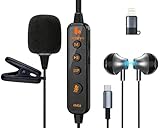
- 【Professional DSP Sound for Studio-Quality Audio】Built-in high-performance DSP chip enables real-time vocal optimization, delivering layered, clear sound with studio-level tuning; 14mm large dynamic coil unit boosts immersive audio with deep bass and crisp treble, ensuring every note and vocal is heard with stunning clarity—perfect for karaoke, live streaming and music listening.
- 【Dual Professional Microphone for Clear Voice Capture】Comes with a detachable lavalier mic and an in-line condenser mic, double mic setup minimizes background noise and captures your voice with exceptional sharpness; the lavalier mic is ideal for live stream/vlog voiceovers, while the in-line mic keeps vocals front and center for karaoke sessions, meeting all your voice pickup needs.
- 【Zero-Latency Real-Time Monitoring】Supports real-time ear return with no latency, allowing you to hear your own voice instantly as you sing or speak; adjust your tone, volume and pitch on the fly to avoid off-key issues, ensuring smooth, professional and polished live streaming/karaoke performances every time.
- 【Stable Bluetooth Wireless Connection】Equipped with Bluetooth 5.3 technology, offers a stable, low-latency wireless connection with a 10-meter transmission range; pairs seamlessly with phones, tablets, laptops and other devices, freeing you from tangled cables and letting you move freely during live streams, karaoke or gaming.
- 【All-in-One Versatility for Multiple Scenarios】This 2-in-1 sound card headset is a one-stop audio solution for karaoke, live broadcasting, podcasting, gaming and video calls; suitable for content creators, streamers, singers and gamers, it replaces multiple audio devices and meets all your daily audio and performance needs.
How do you fix common microphone-monitoring problems?
I hear no voice in the headphones
Confirm that the headphones are connected to the intended monitoring device, the microphone is selected as the input, the direct-monitor control is enabled, and headphone volume is raised. If software monitoring is being used, confirm that the correct output device is selected in the application and that the track or source is armed for monitoring.
I hear a noticeable delay
Switch to hardware direct monitoring if available. Otherwise connect wired headphones, reduce the DAW buffer, remove high-latency plug-ins, close unnecessary audio applications, and eliminate extra virtual routing stages.
I hear a loud squeal or feedback
Use headphones instead of speakers, lower the monitoring level immediately, mute nearby speakers, and remove any route that sends the monitored output back into the microphone input. In OBS, ensure that the monitoring device is not also an audio capture source.
The Tool Desk
Outbyte Driver Updater FREEFix the driver behind crashes, sound loss and screen glitchesFind Drivers →Outbyte PC Repair FREEClear out junk files and repair common Windows errorsFree Scan →The microphone sounds distorted or clipped
Check microphone gain, interface preamp gain, the Windows input level, the OBS or DAW input meter, and plug-in makeup gain. Headphone volume does not correct a clipped recording, and raising microphone gain does not necessarily make the headphones louder.
I can hear the microphone, but the recording contains no voice
You may be hearing a hardware-direct signal that is not being recorded, or OBS may be set to Monitor Only (Mute Output). Confirm that the microphone is selected as a recording input, the track is armed, and OBS uses Monitor and Output when the source must reach both the headphones and the recording or stream. Make a short test recording before going live.
The voice is audible in one application but not another
Check the microphone selection inside the application itself. The operating system’s default input does not guarantee that Zoom, Discord, OBS, a browser, or a DAW uses the same device. Also check microphone privacy permissions, exclusive access, sample-rate conflicts, and application-specific output routing. RØDE notes that conferencing and recording applications can select a USB microphone independently of the operating system default.
I hear my voice but not the game or music
Select the interface or USB microphone as the computer and application output where appropriate, turn up the computer-playback side of the hardware monitor blend, and check the game or music application’s own output setting. In OBS, confirm that the relevant source is monitored and that OBS is sending monitoring to the headphones you are wearing.
PC Slower Than It Used to Be?
A free scan shows the junk files, broken settings and background clutter dragging Windows down - then fixes them in one click.Free scan · Windows 10 & 11Crashes, No Sound, or Screen Glitches?
Random freezes, missing sound and display glitches usually trace back to one bad driver. Find and replace yours safely.Free scan · under a minuteOnly one side of the headphones works
Check whether the microphone or interface exposes a mono microphone signal correctly to a stereo headphone output. In OBS or a DAW, confirm that a mono microphone is not being routed to an unintended channel. Also test another headphone cable and another pair of headphones before changing software routing.
Independent reader supportYour contribution helps us test, update, and keep practical guides available for everyone.What are the special cases for mic monitoring?
Bluetooth headphones
Bluetooth headphones can introduce audible delay, particularly when the microphone is active and the headset switches into a two-way communications mode. Behavior varies by codec, operating system, headset, and application, so use wired headphones for timing-sensitive monitoring whenever possible.
Gaming-headset sidetone
Sidetone is feedback from a gaming headset microphone controlled by headset hardware or firmware. Sidetone can be the simplest way to hear yourself, but sidetone may have limited volume, may not work with a separate USB microphone, and normally does not include OBS or DAW processing. Disable sidetone or application monitoring if the voice is doubled.
XLR microphone without an interface
An XLR microphone cannot normally connect directly to a computer without an audio interface, mixer, or compatible USB adapter. Choose a device that includes a microphone preamp, analog-to-digital conversion, a headphone output, and preferably direct monitoring.
USB microphone without a headphone output
Software monitoring is the normal fallback when a USB microphone has no headphone output. If the delay is unacceptable, the practical upgrade is a USB microphone with headphone monitoring, an XLR microphone with a direct-monitoring interface, or a mixer with a monitor output.
Also popular on Amazon

- [Natural Audio Clarity] Operated with frequency response of 50Hz-16KHz, the podcasting XLR mic delivers balanced audio range, likely to resonate with your audience. Directional cardioid dynamic microphone corded will not exaggerate your voice, while rejects unwanted off-axis noise for vocal originality and intelligibility during your PS5 gaming streaming video recording. (Tips: Keep the top of end-addressing XLR dynamic microphone AM8 facing audio source, and suggested recording range is 2 to 6 in.)
- [XLR Connection Upgrade-Ability] To use XLR connection, connect the podcast microphone to an audio interface (or mixer) using a separate XLR cable (NOT Included) . Well-connected and smooth operation improves audio flexibility to make you explore various types of music recording singing. The streaming mic isolates the pristine and accurate sound from ambient noise with greater no interference and fidelity. (RGB and function key on mic are INACTIVE when using XLR connection.)
- [USB Connection with Handy Mute] Skip the hassle of setting something up and plug the cable to play the dynamic USB microphone directly, which suits for beginner creators or daily podcast. You can quickly control the gamer mic with tap-to-mute that is independent of computer/Macbook programs to keep privacy when live streaming. LED mute reminder helps you get rid of forgetting to cancel the mute. (RGB and function key are only available for USB connection, but NOT for XLR connection)
- [Soothing Controllable RGB] RGB ring on the desktop gaming microphone for PC, with 3 modes and more than 10 light colors collection, matches your PC gears accessories for gaming synergy even in dim room. You can control the RGB key button of the dynamic microphone USB directly for game color scheme gaming or live streaming. Configured memory function, the streaming microphone RGB no need to repeated selections after turnning off and brings itself alive when power on. (Only available for USB connection)
- [More Function Keys] Computer microphone with headphones jack upgrades your rhythm game experience and gets feedback whether the real-time voice your audience hear as expected. Get the desired level via monitoring volume control when gaming recording. Smooth mic gain knob on the PC microphone gaming has some resistance to the point, easily for audio attenuation or boost presence to less post-production audio. (Only available for USB connection)
Recording with effects
Software monitoring is needed when the speaker must hear noise suppression, compression, EQ, or reverb applied by a DAW, OBS, or another application. Keep the monitoring level comfortable and occasionally check the raw signal, because aggressive processing can hide recording problems.
Multiple people monitoring
A basic USB microphone may offer only one headphone output. Interviews, co-hosted podcasts, and production teams are better served by a mixer or interface with multiple headphone outputs and, ideally, separate monitor mixes.
What hardware or software should you buy?
Buy for the monitoring problem you actually have rather than assuming one microphone or application is universally best.
| Setup need | Suitable category | Look for | When it is a poor fit |
|---|---|---|---|
| One-person USB recording or streaming | USB microphone with headphone monitoring | Headphone output, headphone volume, direct-monitor toggle or blend, computer-playback mix | Multiple microphones or independent headphone mixes |
| XLR microphone and low-delay monitoring | USB audio interface | Direct monitor, adequate headphone level, monitor mix, suitable Windows driver support | Already owning only a USB microphone or needing multi-channel podcast routing |
| Several speakers and tactile controls | Mixer or creator console | Multiple inputs, headphone outputs, mute, solo/listen, routing, talkback where needed | Simple one-microphone setups where cost and simplicity matter |
| Processed voice or scene monitoring | OBS or a DAW | Input monitoring, output-device selection, buffer controls, plug-in bypass | Users who need immediate voice monitoring and do not need processing |
| Separate mixes for applications | Virtual audio routing | Application routing, monitoring controls, stable drivers, recovery options | Beginners who need only basic voice monitoring |
When does a USB microphone make sense?
A USB microphone with a headphone jack is appropriate for a solo podcaster, streamer, voice-over artist, or remote worker who wants a simple connection and immediate monitoring without a separate interface. The RØDE NT-USB Mini is one example documented with a built-in zero-latency monitoring control; the official NT-USB Mini product page is the appropriate place to verify current model details and availability.
The RØDE PodMic USB is a more upgradeable category example because it provides both USB and XLR connectivity along with a headphone output and zero-latency monitoring. Consult the official PodMic USB documentation for the current model information. Current US pricing was not verified in the supplied research, so a live price should not be assumed.
When does an audio interface make sense?
An audio interface is the better category for an XLR microphone, instrument input, reliable direct monitoring, or future expansion. Focusrite Scarlett Solo and Scarlett 2i2 are examples of the basic interface category discussed in the supplied research. The Focusrite OBS setup guidance covers selecting an interface and configuring its input for OBS.
When does a mixer or creator console make sense?
A mixer or creator console is appropriate when multiple people need headphones, several microphones or playback sources must be mixed, or the operator needs physical mute, solo, listen, and routing controls. A RØDECaster-style console is more capable than a single USB microphone but is poor value for someone who only needs to hear one voice.
When should you use OBS, a DAW, or virtual audio software?
Use OBS or a DAW when processed monitoring or several production sources matter. Use virtual audio software when different applications need separate custom mixes. Hardware direct monitoring remains the better purchase or setup choice when the only requirement is hearing one voice with the least practical delay.
What should you check before recording or going live?
- Headphones are connected to the intended microphone, interface, or mixer output.
- The correct microphone is selected as the application input.
- The computer and application output are routed to the device feeding the headphones.
- Only one microphone-monitoring path is active.
- Input gain is below clipping at normal speaking volume.
- The direct-monitor blend includes computer playback if music, game, or call audio is required.
- OBS or the DAW is set to send the microphone to the recording or stream, not only to local monitoring.
- A short test recording has been made and played back.
Frequently Asked Questions
Can I hear my microphone without recording it?
Yes. Hardware direct monitoring or OBS’s Monitor Only (Mute Output) mode can send the microphone to your headphones without placing the monitored signal in the recording or stream. Verify the recording application’s input and output separately before relying on the setup.
Why does direct monitoring sound different from my stream?
Direct monitoring usually sends the raw or pre-software microphone signal to the headphones, while a stream may include OBS filters, EQ, compression, noise suppression, routing, and fader changes. Use software monitoring when hearing the processed stream signal is more important than minimizing delay.
Is Windows Listen to this device good for live singing?
Windows Listen to this device can make a microphone audible, but the monitoring path may add enough delay to make singing or precise performance uncomfortable. A USB microphone, interface, or mixer with direct monitoring is generally the more suitable choice for timing-sensitive work.
Free tools Windows power users keep installed
One-click scans. No signup required.
Can Bluetooth headphones be used for microphone monitoring?
Bluetooth headphones can be used, but Bluetooth latency varies and may be noticeable during live speech, singing, or voice-over. Wired headphones connected directly to the monitoring hardware are the safer choice when immediate feedback matters.
The Bottom Line
For the most natural microphone monitoring, connect wired headphones directly to a USB microphone, audio interface, or mixer with Direct Monitor or Zero-Latency Monitoring enabled. Use only one microphone-monitoring path. Choose software monitoring through OBS or a DAW when you need to hear effects or a complete stream mix, then reduce the buffer and remove high-latency plug-ins if the delay becomes distracting.

