
The Tool Desk
Outbyte Driver Updater FREEFix the driver behind crashes, sound loss and screen glitchesFind Drivers →Outbyte PC Repair FREEClear out junk files and repair common Windows errorsFree Scan →For most beginners, Google Home is the easiest smart-home starting point. Alexa is the better fit for Echo, Fire TV, and eero households; Apple Home makes the most sense for an Apple-centered home; SmartThings is the strongest mainstream choice for mixed Matter, Zigbee, and Z-Wave installations; and Home Assistant offers the deepest local control and automation. Hubitat is a compelling local-control alternative for DIY users, while Aqara Home is best when Aqara sensors and security products are the center of the system.
The important choice is not just an app or voice assistant. A smart-home system is a combination of controller, wireless protocols, device ecosystem, cloud dependence, and automation engine. Matter improves compatibility between platforms, but it does not make controllers interchangeable or guarantee that every advanced device feature will follow a device from one ecosystem to another.
The quick verdict
Choose the system that matches the devices and networking standards you expect to use—not merely the logo on the speaker you already own.
- Best for most beginners: Google Home — straightforward setup, voice control, entertainment integration, and a practical path into Matter.
- Best for Alexa households: Amazon Alexa — particularly suitable for homes already using Echo, Fire TV, or eero.
- Best for Apple households: Apple Home — polished iPhone, iPad, Apple Watch, Apple TV, and Siri integration.
- Best mainstream mixed-protocol system: Samsung SmartThings — useful when Matter, Zigbee, Z-Wave, and Samsung appliances need to coexist.
- Most powerful: Home Assistant — the best choice for local control, privacy, integrations, and complex automation.
- Best local-control appliance for DIY users: Hubitat Elevation — built-in Zigbee and Z-Wave support without maintaining a general-purpose Home Assistant server.
- Best brand-centered sensor ecosystem: Aqara Home — especially attractive for Aqara sensors, switches, locks, cameras, and related automations.
If you are starting from nothing, begin by choosing a smart home hub or controller that supports the protocols your future devices will use. Do not buy a Thread-only sensor until you know which device in your home will act as its Thread Border Router.
Matter and Thread: the distinction that prevents expensive mistakes
Matter and Thread are related, but they are not the same technology.
#1 Best Overall

- Echo Hub — An easy-to-use smart home control panel redesigned for your home. Arrange controls on your dashboard to quickly adjust devices, view cameras, start routines, and more.
- Customize your dashboard — Arrange devices into sections and resize them to focus on what matters most. Create a personalized layout that matches how your family uses their connected devices.
- Reimagined for your home - With an Alexa+ and compatible Ring subscription (sold separately), get Ring camera event summaries to stay in the know. Search your Ring footage using simple voice commands. Create routines by voice, activate modes to manage multiple devices at once, and chat with Alexa to easily control your smart home.
- Home security for the whole family — Use Echo Hub to easily arm and disarm your compatible security system, making it easy for everyone in your family to manage home security. Use the Alexa app and compatible cameras, locks, alarms, and sensors to check in while you're out.
- Works with thousands of Alexa compatible devices — WiFi, Bluetooth, Zigbee, Matter, Sidewalk, and Thread devices sync seamlessly with the built-in smart home hub.
- Matter is an application-layer smart-home standard. It defines how compatible devices and controllers communicate and can operate over Wi-Fi, Ethernet, or Thread.
- Thread is an IP-based, low-power mesh network designed for smart-home devices such as sensors, locks, and switches. Thread devices use a Thread Border Router to connect the Thread mesh to the rest of the home network.
The Thread Group’s smart-home explanation describes Border Routers as the bridge between the low-power Thread mesh and the home IP network. Home Assistant’s Matter documentation likewise explains that Matter does not define its own proprietary radio transport. A Matter device may therefore use Wi-Fi, Ethernet, or Thread.
That creates two separate compatibility questions:
- Can the platform control this type of Matter device? For example, a light, lock, thermostat, sensor, or robot vacuum may be supported at a basic level.
- Does the home have the required connectivity hardware? A Thread-based Matter device needs access to a compatible Thread Border Router, while Matter devices using Wi-Fi need suitable network and controller support.
Google explicitly says that Matter devices require a compatible household hub, and Thread-based Matter devices require a hub with Thread Border Router capability. Its official device guide lists the Google TV Streamer (4K), Nest Hub (2nd generation), and Nest Hub Max as hubs supporting Matter devices over Wi-Fi and Thread. Nest Mini and Nest Audio are listed as Wi-Fi Matter hubs, but buyers should verify the exact device and protocol requirements before purchasing Thread accessories.
The same principle applies across ecosystems: a platform may advertise Matter support while a particular controller lacks Thread hardware, supports only certain device types, or does not expose the vendor’s advanced features.
Do these 3 things before closing this tab:
1Clear out junk files and repair common Windows errors2Fix the driver behind crashes, sound loss and screen glitches3Repair Windows errors before they cause bigger problems1. Google Home: the best starting point for most people
Choose Google Home if you want a relatively simple setup, voice control, and a useful combination of smart-home and entertainment features. It is a particularly sensible choice for apartment dwellers, first-time buyers, families, and households already using Google TV or Nest products.
Google’s current hub lineup gives buyers several ways to add Matter support. The Google TV Streamer (4K) doubles as an entertainment device and a Google Home Matter hub with Thread Border Router capability. A Nest Hub (2nd gen) or Nest Hub Max can also serve as a household hub for supported Matter devices. Google’s device guide identifies Nest Mini and Nest Audio as Wi-Fi Matter hubs, but that does not make them equivalent to a Thread-capable hub.
That distinction matters if your shopping list includes Thread sensors, locks, or other low-power accessories. Check the individual model rather than assuming that every Nest or Google speaker has the same radio hardware. The Google Home device guide is the appropriate place to verify current hub capabilities.
For a household that also wants streaming, the Google TV Streamer (4K) can be an efficient first purchase because one device can provide entertainment and controller functions. It is not automatically the best choice if you already have an appropriate Nest hub or if your main priority is local, highly customized automation.
Strengths
- Easy-to-understand consumer experience.
- Good fit for voice control, family access, and Google TV integration.
- Support for Matter devices through compatible household hubs.
- Several hub choices, including devices that combine streaming or display functions with smart-home control.
Limitations
- Google Home works best when devices have explicit Google Home or Matter support.
- Matter compatibility does not guarantee that every vendor-specific feature will appear in Google Home.
- Thread support depends on the exact hub model, not simply on owning a Google speaker.
- It is less suitable than Home Assistant or Hubitat for unusually complex, deeply customized automations.
Best first purchase: Choose a compatible Google Home hub based on whether you need Thread support, a display, or integrated streaming. The Google TV Streamer (4K) is the entertainment-centered option; a Nest Hub may be more useful if you want a display for household controls.
2. Amazon Alexa: the best fit for Echo and Fire TV homes
Choose Alexa if voice control is central to your home or you already use Echo speakers, Fire TV devices, or eero networking equipment. Alexa has a broad device ecosystem and supports Matter, Thread, Zigbee, Wi-Fi, and Bluetooth across different Echo and eero products.
The critical caveat is model specificity. Amazon’s developer documentation identifies the Echo 4th Gen as both a Thread Border Router and Zigbee hub. Amazon also identifies products such as Echo Hub, selected Echo Show models, Echo Studio, and eero 6/eero 7 products as having Thread Border Router capability. That does not mean every Echo speaker is a Zigbee hub or Thread Border Router.
Before buying a device for a protocol-specific installation, check the individual model’s technical specifications. If you need Zigbee as well as Thread, the Echo 4th Gen is a particularly relevant model to investigate. If your priority is a wall-mounted control panel, Echo Hub may be more appropriate, but its exact role should be checked against the devices you plan to install.
Amazon’s Matter and device-maker documentation provides the model-level context that is easy to miss in a general Alexa compatibility list.
Strengths
- Strong voice-first experience.
- Broad range of Echo, Fire TV, and eero products.
- Support for several wireless technologies, depending on the exact controller.
- Good fit for households already invested in Amazon services and hardware.
Limitations
- Not every Echo device includes Zigbee or Thread hardware.
- Alexa support for a Matter product may expose fewer features than the manufacturer’s native app.
- The large number of model variations makes specification checking especially important.
- Alexa is less attractive for readers whose main goal is fully local, vendor-independent automation.
Best first purchase: The Echo 4th Gen is the most relevant starting point when you want an Alexa speaker with Zigbee and Thread-related capability. Confirm that its supported device categories match your installation before buying.
3. Apple Home: the natural choice for Apple households
Choose Apple Home if most members of the household use iPhones, iPads, Apple Watches, Apple TVs, and Siri. Apple Home offers a polished way to control compatible accessories through the Home app, Siri, Control Center, and compatible HomeKit apps.
Apple says iOS 16.1 and later support Matter. However, an iPhone alone is not the complete remote-control and automation setup. Apple’s support documentation says Matter accessories require a home hub. Remote control and automations require a home hub such as an Apple TV 4K or HomePod speaker.
Thread users need to be even more specific. Apple identifies the Apple TV 4K, HomePod mini, and HomePod (2nd generation) as Thread-enabled home-hub options. Do not assume that every Apple TV or HomePod generation has identical Thread capabilities. The Apple support guide gives the relevant home-hub and Thread requirements, while Apple’s Matter documentation explains how Matter accessories work with Apple Home.
Apple Home is a strong fit for people who value a consistent, relatively controlled ecosystem and straightforward household sharing. It is less suitable if your priority is experimenting with unusual device categories, mixing every available brand, or building extensive community-developed automation logic.
Strengths
- Excellent fit for iPhone, iPad, Apple Watch, Apple TV, and Siri users.
- Clean control through the Home app, Siri, and Apple device interfaces.
- Matter support on current Apple software and compatible home hubs.
- A good choice for households that prefer an Apple-centered, privacy-conscious experience.
Limitations
- A home hub is required for remote control and automations.
- Thread support depends on the exact Apple TV or HomePod model.
- Device-category and feature support can be narrower than in a manufacturer’s own app.
- It is not the best platform for maximum cross-brand experimentation or unusually advanced automation logic.
Best first purchase: An Apple TV 4K or HomePod mini can provide the home-hub foundation, but verify the model’s Thread support if Thread accessories are part of the plan.
Rank #2
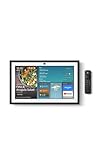
- MEET ECHO SHOW 15 - A stunning 15.6" Full-HD (1080p) smart display that's perfect for your kitchen and ready to show you more. Use customizable widgets to keep your day on track, watch your favorite shows with Fire TV and powerful vibrant sound, and enjoy natural video calling, with 3.3x zoom and wide field of view.
- FAMILY ORGANIZATION HUB - See your top widgets at a glance, like your family’s calendars and to-do lists, local weather, smart home, and more.
- ALL YOUR FAVORITES, ALL RIGHT HERE - Built-in Fire TV unlocks endless entertainment, so you can enjoy your favorite content from thousands of apps like Prime Video, Netflix, YouTube, Apple TV, and more (subscription may be required). Fire TV remote included. Plus, now you can quickly add a device to play music with Active Media - start playing a song in the kitchen, then add the living room and bedroom on the fly.
- SMART HOME CENTRAL - Control smart devices with your voice or a few taps using the smart home dashboard. Easily turn on all your living room lights at once or check live camera feeds to see what's happening around your home.
- YOUR FAVORITE MEMORIES ON DISPLAY - Brighten your space (and your day) by turning your home screen into a photo slideshow that displays your favorite memories. Auto curate your images and show off your favorite family memories.
4. Samsung SmartThings: the best mainstream option for mixed protocols
Choose SmartThings when your home contains several brands or a mixture of Matter, Zigbee, Z-Wave, and Samsung appliances. It provides a more conventional consumer app than Home Assistant while retaining support for legacy and specialist smart-home hardware through compatible hubs.
Free tools Windows power users keep installed
One-click scans. No signup required.
Samsung says SmartThings supports Matter devices through standalone hubs and hubs built into selected Samsung TVs, Smart Monitors, Family Hub refrigerators, SmartThings Station, and newer Samsung soundbars. Its Matter documentation lists categories including lights, plugs, sensors, locks, thermostats, appliances, water valves, air purifiers, robot vacuums, and energy-management products.
SmartThings also retains Zigbee and Z-Wave support through compatible hubs. Its SmartThings Edge architecture moves supported device processing and automations locally to the hub, which can reduce dependence on cloud processing for those supported functions. That should not be read as a guarantee that every integration or every remote-access feature operates locally.
The SmartThings Matter compatibility page and SmartThings hub-connected device documentation are useful references when planning a mixed installation.
What to buy
A compatible SmartThings controller may be a standalone product such as the Aeotec Smart Home Hub, SmartThings Station, or a supported Samsung appliance or display. The SmartThings app alone is not a universal radio hub. If you need Zigbee or Z-Wave, confirm that the specific hub you choose includes or supports those radios.
Strengths
- Strong mainstream option for multiple brands and legacy protocols.
- Supports Matter alongside Zigbee and Z-Wave through compatible hubs.
- Can integrate with a broad range of Samsung appliances and displays.
- SmartThings Edge provides local processing for supported devices and automations.
Limitations
- The app, hub, and radio capabilities are separate questions.
- Not all devices or advanced features behave identically across Matter and native integrations.
- Choosing the wrong hub can leave you without the Zigbee, Z-Wave, or Thread capability you expected.
- It is less extensible than Home Assistant for highly unusual integrations.
Best first purchase: Start with a SmartThings-compatible hub that matches your required radios. For a home containing existing Zigbee or Z-Wave devices, compatibility with those protocols should matter more than the convenience of a built-in display or TV controller.
5. Home Assistant: the most powerful system for advanced users
Choose Home Assistant when local control, privacy, broad integrations, and deep automation matter more than effortless setup. It runs on hardware you control, stores data locally, and can communicate with devices over local protocols including Zigbee, Z-Wave, Matter, Thread, and ESPHome without requiring internet access for every interaction.
That flexibility comes with responsibility. Home Assistant can become the most capable system in the home, but it also asks you to understand networking, integrations, device pairing, backups, updates, and troubleshooting. Complexity increases further when you introduce VLANs, multiple Thread networks, custom integrations, or unusual hardware.
Home Assistant Green is the simplest official hardware entry point. Home Assistant recommends pairing Green with Home Assistant Connect ZBT-2 for Zigbee or Thread devices. The manufacturer notes that Thread support on that hardware is still under development, so readers should verify the current status before making it the foundation of a Thread-heavy installation. The Home Assistant Green documentation explains the intended hardware path.
Quick wins for a faster PC:
Clear out junk files and repair common Windows errorsFree Scan →Fix the driver behind crashes, sound loss and screen glitchesFind Drivers →Repair Windows errors before they cause bigger problemsFix Now →Home Assistant’s Matter implementation received Connectivity Standards Alliance certification in 2025. Current documentation describes Matter control through a separate Matter Server integration. Certification improves confidence in the implementation, but it does not remove the need to configure the network and verify individual device support. See the Home Assistant Matter certification announcement for the platform’s current position.
Voice control
Home Assistant Assist provides a local voice-control route through the companion app, dedicated Home Assistant Voice hardware, or ESPHome-based devices. It can operate locally or use optional cloud processing for more conversational requests. Home Assistant’s voice-control documentation explains the available approaches.
Strengths
- Local-first operation and local data storage.
- Extensive integrations and support for multiple local protocols.
- Very deep automation logic, dashboards, templates, and device combinations.
- Strong choice for privacy-conscious users and technically confident hobbyists.
- Less dependent on a single commercial ecosystem’s device catalog or policy decisions.
Limitations
- More setup, maintenance, and troubleshooting than the mainstream platforms.
- Networking mistakes, unsupported integrations, and radio configuration can require hands-on diagnosis.
- Thread and Matter setups can become confusing if several controllers or Thread networks are introduced without a plan.
- Local control does not mean every third-party integration, notification, or remote-access feature is local.
Best first purchase: Home Assistant Green is the simplest official starting point. Add Home Assistant Connect ZBT-2 only after deciding whether you need Zigbee, Thread, or both, and check the current support status for the protocol you intend to use.
6. Hubitat Elevation: local automation without running a general-purpose server
Choose Hubitat if you want local automations, built-in Zigbee and Z-Wave radios, and a dedicated appliance rather than a general-purpose Home Assistant installation. It sits between consumer ecosystems and Home Assistant: more technical and community-driven than Google Home or Apple Home, but more focused than maintaining a broad home server.
Recommended Free Tools
Hubitat says its C-8 Pro includes Zigbee 3.0, Z-Wave 800 Long Range, Matter controller support, Wi-Fi, Ethernet, and external antennas. The company advertises compatibility with more than 1,000 devices across more than 100 brands. That figure is a manufacturer compatibility claim, not an independent test result, and individual device support can depend on drivers and integration method.
Hubitat’s compatibility documentation, updated in February 2026, states that Matter-over-Thread devices require a Thread Border Router. It also identifies Bluetooth-device compatibility as limited to the C-8 Pro among the current C-8 models. Read the Hubitat compatibility documentation before buying a controller for a specific protocol.
The Hubitat Elevation C-8 Pro is therefore a particularly logical choice for DIY users who want Zigbee and Z-Wave built into the appliance. It is not as beginner-friendly as the big consumer platforms, and its community-driver model means readers should distinguish official support from integrations created by community members.
Strengths
- Local execution for automations.
- Built-in Zigbee and Z-Wave support on the C-8 Pro.
- Matter controller support and a dedicated hardware appliance.
- Less general server administration than Home Assistant.
Limitations
- The interface and configuration model have a steeper learning curve.
- Some device integrations rely on community drivers.
- Thread devices still require a separate compatible Thread Border Router.
- Bluetooth compatibility is model-specific.
Best first purchase: The Hubitat Elevation C-8 Pro is the model to investigate if you need its combination of local execution, Zigbee, Z-Wave, and Matter support. Do not generalize those specifications to every C-8 model.
Crashes, No Sound, or Screen Glitches?
Random freezes, missing sound and display glitches usually trace back to one bad driver. Find and replace yours safely.Free scan · under a minuteWindows Errors? Fix Them Before They Spread
Repair common Windows errors and clear accumulated junk for a smoother, more stable PC - no reinstall needed.Free scan · no reinstallRank #3
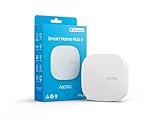
- Powered by SmartThings: Connect, monitor, and automate your home through the SmartThings app. Build a reliable, unified smart home using Samsung's proven ecosystem
- Matter + Zigbee Smart Home Hub: Supports the newest Matter standard plus Zigbee for lighting, sensors, plugs, switches, thermostats, and more - thousands of compatible devices. PLEASE NOTE: Z-Wave not supported
- Easy Setup with Wi-Fi or Ethernet: Get started in minutes using Wi-Fi or a wired Ethernet connection for apartments, houses, and expanding smart home systems - Z-Wave not supported
- Automations That Work for You: Create custom routines for security, lighting, comfort, and energy savings. Many local automations continue working even if your internet goes offline
- Wide Device Compatibility: Connect compatible smart devices from Aeotec and many other brands to build a unified system for lighting, voice control, energy management, and climate settings
7. Aqara Home: the best choice for an Aqara-centered installation
Choose Aqara Home when compact Aqara sensors, switches, locks, cameras, and related accessories are the heart of the installation. Aqara’s native ecosystem can provide brand-specific features and automations that may not appear when the devices are bridged into another platform.
Aqara’s Hub M3 manual describes a multi-mode hub supporting Thread, Zigbee 3.0, and Bluetooth child devices, with Matter access capability. Aqara’s product catalog also describes the M3 as supporting Aqara Zigbee devices and thousands of third-party Matter accessories. The relevant Aqara Hub M3 manual should be checked for current setup and compatibility details.
The Aqara Hub M3 is not a universal best platform. Its value is highest when you want Aqara’s compact sensors and brand-specific functions. If you plan to expose Aqara devices to Apple Home, Google Home, Alexa, or SmartThings through Matter or bridging, verify which capabilities remain available. Cross-platform support may present a narrower feature set than the native Aqara Home app.
Strengths
- Strong sensor and security-device ecosystem.
- Multi-protocol hub design with Zigbee, Thread, and Bluetooth support described by Aqara.
- Matter access for compatible third-party accessories.
- Good fit for compact, brand-centered installations.
Limitations
- Best value depends on committing to Aqara products.
- Native Aqara features may not all transfer to another smart-home platform.
- Cross-platform compatibility should be checked by device and feature, not assumed from the Matter logo.
- It is not the natural choice for a home that wants maximum vendor independence.
Best first purchase: The Aqara Hub M3 is the logical controller for an Aqara-centered sensor and security installation. If you are buying only one or two Aqara devices for an existing Apple, Google, Alexa, or SmartThings home, first check whether the existing platform already provides the features you need.
What’s actually slowing this PC down?
Pick the symptom - the matching free tool is one click away.
How to choose between the seven systems
| System | Best for | Protocol and controller considerations | Main trade-off |
|---|---|---|---|
| Google Home | Beginners, families, Google TV and Nest users | Compatible hubs support Matter over Wi-Fi; selected hubs also support Thread | Less automation depth and vendor-specific feature coverage than advanced platforms |
| Amazon Alexa | Echo, Fire TV, and eero households | Capabilities vary by model; selected devices support Matter, Thread, Zigbee, Wi-Fi, or Bluetooth | Model-by-model hardware differences can be confusing |
| Apple Home | Apple-centric households | Requires a home hub for remote control and automations; Thread requires a compatible Thread-enabled hub | Less flexible for unusual devices and extensive custom logic |
| SmartThings | Mixed-brand and legacy-protocol homes | Compatible hubs can combine Matter, Zigbee, and Z-Wave; supported Edge functions can run locally | The app alone is not a universal radio controller |
| Home Assistant | Privacy, local control, and advanced automation | Runs on user-controlled hardware and supports many local protocols through integrations | Highest setup and maintenance burden |
| Hubitat | DIY users wanting a dedicated local hub | C-8 Pro includes Zigbee, Z-Wave, and Matter controller support; Thread still needs a Border Router | Steeper interface and community-driver learning curve |
| Aqara Home | Aqara sensor and security installations | Hub M3 supports Aqara protocols and Matter access; confirm bridged feature coverage | Less compelling outside the Aqara ecosystem |
Buying rules for a 2026 smart home
1. Identify the controller before buying accessories
Start with the controller, not a random bulb or sensor. A controller may be a smart speaker, display, streaming box, dedicated hub, appliance, or software installation. The important question is whether it supports the device category and wireless protocol you intend to use.
For example, “Alexa-compatible” does not tell you whether a particular Echo has Zigbee. “Matter-compatible” does not tell you whether the controller has Thread. “Works with SmartThings” does not necessarily mean that the SmartThings app itself contains the radio hardware required for a Zigbee or Z-Wave device.
2. Make a protocol inventory
Write down the protocols used by devices you already own and the devices you plan to buy:
- Wi-Fi: Common and convenient, but large installations can increase network traffic and may depend more heavily on the home router and cloud services.
- Thread: Low-power, mesh-based, and IP-connected; requires a Thread Border Router to reach the home network.
- Zigbee: A mature low-power mesh protocol still valuable in larger or legacy installations.
- Z-Wave: Another established mesh protocol, especially relevant to compatible locks, sensors, switches, and hubs.
- Matter: A device-communication standard that can run over Wi-Fi, Ethernet, or Thread; it is not itself a radio.
SmartThings, Hubitat, and Home Assistant are especially relevant when Zigbee or Z-Wave devices are part of the plan. A Google Home, Apple Home, or Alexa system may still be suitable, but check whether the selected controller can use those devices directly or whether a manufacturer bridge is required.
3. Confirm the Thread Border Router
For every Thread accessory, ask: Which device in this home is the Thread Border Router? It may be built into a Google, Apple, Amazon, eero, or other compatible controller, but the answer must be tied to a specific model.
A Matter-over-Thread accessory can be perfectly compliant with Matter and still fail to join the intended system if the home lacks a compatible Border Router. This is one of the most common ways that a shopper can misunderstand a “Matter” product listing.
4. Check feature exposure, not just compatibility
Matter can make basic cross-platform control easier, but it does not promise feature parity. A lock may expose locking and unlocking while omitting vendor-specific access management. A sensor may expose motion or temperature while leaving advanced detection settings in the native app. A camera, robot vacuum, appliance, or energy device may have especially different capabilities across platforms.
Before buying, verify:
- The device type supported by the chosen platform.
- Whether setup requires the manufacturer’s app first.
- Which controls are available after Matter pairing or bridging.
- Whether firmware updates require the native app.
- Whether automations run locally or depend on cloud services.
5. Decide how much cloud dependence you can accept
Mainstream systems usually prioritize convenience and broad consumer integrations. Home Assistant and Hubitat are stronger choices when local execution is a central requirement. SmartThings offers local processing for supported devices and automations through SmartThings Edge.
Free tools Windows power users keep installed
One-click scans. No signup required.
“Local” is not a single yes-or-no property. A device may communicate locally while remote access, notifications, voice processing, firmware updates, account services, or a third-party integration still use the cloud. Ask which parts of the system must continue working during an internet outage and test those functions before depending on them for security or safety.
6. Prefer Matter when flexibility is valuable—but not automatically
Matter is useful when you want the option to move compatible devices between major ecosystems or operate them alongside multiple platform types. It is not automatically better than a mature native integration. A native integration may expose more device controls, better diagnostics, firmware management, or brand-specific automation.
Rank #4
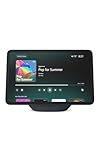
- New size, more viewing area: The 11“ smart display features a vibrant Full-HD touchscreen with 60% more viewing area versus Echo Show 8 (2025 release), built-in smart home hub, AZ3 Pro chip for powerful performance, and Omnisense technology for highly personalized experiences.
- Content looks and sounds incredible: Watch shows on Prime Video, Netflix, and more on the vibrant Full-HD 11" screen and enjoy room-filling spatial audio, crisper vocals, wider sound stage, and up to 2x bass versus Echo Show 8 (2023 release). With Alexa+, find the name of that song you love and discover new shows based on your preferences.
- Your everyday assistant: The 11" display makes it easy to see recipes and calendars at a glance, find meal inspo, and manage your shopping lists. With Alexa+, find recipes based on foods you love, make reservations, order groceries, and more.
- Simple Smart Home control: Pair and control thousands of devices that work with Alexa without needing a separate smart home hub. Easily view your camera feeds. Manage lights, thermostats, and more using the display or your voice. With Omnisense technology, you can activate routines via temperature, presence, or visual ID detection.
- Crystal-clear video calls: Video calls feel natural on the vibrant 11" screen with a centered, auto-framing camera, 3.3x zoom, and noise reduction technology. Use live view to check in on your family, pets, and more while you're away.
A sensible rule is: choose Matter for interoperability where the supported feature set is sufficient; choose a native integration when you need capabilities that Matter does not expose in your chosen platform.
7. Do not call any system future-proof
Standards, firmware, device support, regional availability, and vendor policies continue to change. Matter improves the odds that a compatible device will remain useful across platforms, but it cannot guarantee long-term support, identical features, or permanent compatibility.
Outdated Drivers Are Slowing You Down
One free scan finds every outdated or missing driver and matches the right update for your exact hardware.Free scan · exact hardware matchPC Slower Than It Used to Be?
A free scan shows the junk files, broken settings and background clutter dragging Windows down - then fixes them in one click.Free scan · Windows 10 & 11A practical setup plan
- Choose one primary ecosystem. Avoid starting with several overlapping controllers unless you understand how their networks and automations will interact.
- Select the physical hub or host. Confirm Ethernet or Wi-Fi requirements, Thread Border Router capability, and Zigbee or Z-Wave support where applicable.
- Update firmware before pairing. Update the controller, router, hub, and accessory according to the manufacturer’s instructions.
- Pair one simple device first. A plug, light, or basic sensor is a better initial test than a lock, camera, or multi-function appliance.
- Test the failure path. Disconnect internet access if local operation is promised, then check whether local control and automations still work.
- Build automations incrementally. Start with one trigger and one action. Add conditions, schedules, presence detection, and notifications only after the basic automation behaves reliably.
- Document the installation. Record the hub model, device protocol, account used for setup, network details, and reset procedure. This makes future troubleshooting much easier.
What to buy first by household type
- First apartment or rental: Google Home or Alexa with a compatible hub, plus a few Matter or Wi-Fi plugs and lights. Avoid buying a large collection before confirming coverage and reliability.
- Google entertainment household: A compatible Google Home hub such as the Google TV Streamer (4K) if streaming and Thread support are both useful.
- Alexa household: An Echo model selected for the required radios. The Echo 4th Gen is worth considering when Zigbee and Thread capability matter.
- Apple household: An Apple TV 4K or compatible HomePod hub, followed by accessories explicitly supporting Apple Home or Matter.
- Mixed-brand home with older devices: SmartThings with a hub that supports the protocols already installed, or Hubitat if local execution is more important than a mainstream interface.
- Privacy-focused technical home: Home Assistant Green, with a carefully selected radio adapter if Zigbee or Thread devices are needed.
- Aqara sensor installation: An Aqara Hub M3 and the native Aqara ecosystem, with separate checks for which functions can be shared with Apple Home, Google Home, Alexa, or SmartThings.
If you are building across brands, look for Matter smart home accessories in the categories you actually need—such as sensors, locks, lights, switches, cameras, and energy devices—but verify controller, protocol, and feature support before purchase.
Troubleshooting branches
A Matter device will not pair
- Confirm that the controller supports the device category.
- Check whether the accessory uses Wi-Fi, Thread, or Ethernet.
- If it uses Thread, confirm that a compatible Thread Border Router is present.
- Update the controller and accessory firmware.
- Check whether the accessory was previously paired to another ecosystem and needs to be reset.
A Thread device appears compatible but is unreliable
- Verify that the Border Router is online and belongs to the intended home.
- Check for multiple Thread networks or controllers that were added without a clear plan.
- Move the device or add powered Thread equipment to improve mesh coverage where appropriate.
- Confirm that the selected hub model—not merely the platform—supports Thread.
A device works in its native app but loses features in another platform
- Compare the native integration with the Matter or bridge-based integration.
- Identify whether the missing function is vendor-specific.
- Use the native app for firmware and advanced configuration if required.
- Decide whether the convenience of cross-platform control outweighs the lost features.
An automation stops when the internet goes down
- Determine whether the automation is documented as local.
- Check whether the trigger, action, notification, and voice command each have different cloud requirements.
- For important automations, test local behavior before relying on them for security, heating, water protection, or access control.
- Consider SmartThings Edge, Hubitat, or Home Assistant when local execution is a primary requirement.
Our testing and evidence note
This comparison is based on current official platform and manufacturer documentation, not independent hands-on testing. It does not claim measured latency, comparative laboratory performance, long-term reliability, or equal real-world results across homes. Product prices, stock, regional support, firmware behavior, and model availability should be checked at the time of purchase.
Frequently Asked Questions
Do I need a smart-home hub for Matter?
Usually, yes. Matter devices require a compatible controller or household hub. Thread-based Matter devices additionally need access to a compatible Thread Border Router. The exact requirement depends on the device’s transport and the platform you choose.
Is Thread the same as Matter?
No. Thread is a low-power IP mesh network; Matter is an application-layer standard that can run over Thread, Wi-Fi, or Ethernet. A Matter device may therefore use Thread, but Matter itself is not a radio.
The Tool Desk
Outbyte Driver Updater FREEFix the driver behind crashes, sound loss and screen glitchesFind Drivers →Outbyte PC Repair FREEClear out junk files and repair common Windows errorsFree Scan →Which smart-home system works without the internet?
Home Assistant is the clearest local-control option, and Hubitat is designed for local automations. SmartThings can run supported devices and automations locally through SmartThings Edge. However, remote access, notifications, voice processing, firmware updates, and some integrations may still require cloud services.
Can I use the same Matter device with Google Home, Apple Home, Alexa, and SmartThings?
Matter is intended to improve cross-platform compatibility, but support varies by device category, controller, and feature. Basic controls may transfer while advanced vendor-specific features do not. Check the exact device and platform support before buying.
Which system is best for Zigbee and Z-Wave devices?
SmartThings, Hubitat, and Home Assistant are the strongest choices in this comparison for homes that need Zigbee or Z-Wave. Confirm that the specific hub or adapter has the required radio support; the app or platform name alone is not enough.
Is Home Assistant too difficult for a beginner?
It can be. Home Assistant Green reduces the hardware and installation burden, but configuration and troubleshooting are still more involved than with Google Home, Alexa, Apple Home, or SmartThings. Choose it when local control and automation depth are worth the additional learning.
What’s actually slowing this PC down?
Pick the symptom - the matching free tool is one click away.
The Bottom Line
Pick Google Home for the easiest all-round start, Alexa for an Echo-centered home, Apple Home for an Apple household, and SmartThings for a mixed-protocol installation. Choose Home Assistant when you want maximum local control and automation depth, Hubitat when you want a dedicated local Zigbee/Z-Wave hub with less server maintenance, and Aqara Home when Aqara sensors and security products are the main event.
Whichever system you choose, verify the exact controller model, identify the required Thread Border Router, and check which Matter features the platform actually exposes. Those details matter more than the headline compatibility logo.
Quick Recap
Product prices and availability are accurate as of the date/time indicated and are subject to change. Any price and availability information displayed on Amazon at the time of purchase will apply.

