
Do these 3 things before closing this tab:
1Clear out junk files and repair common Windows errors2Fix the driver behind crashes, sound loss and screen glitches3Repair Windows errors before they cause bigger problemsThe best recruitment CRM depends on the type of recruiting you do. An in-house talent-acquisition team needs passive-candidate rediscovery and nurture campaigns; a permanent-placement agency needs candidate and client pipelines; a temporary staffing firm may also need timesheets, billing, and pay-and-bill operations.
For most buyers, Gem is the strongest choice for in-house recruiting, Recruit CRM is the best agency-focused option, and Bullhorn is the better fit for staffing companies with broader operational requirements. Lower-cost alternatives include Loxo, Manatal, and Zoho Recruit. Large global organizations should also consider Beamery.


Best recruitment CRM at a glance
| Best for | CRM | Why choose it | Main limitation |
|---|---|---|---|
| In-house talent acquisition | Gem | Talent rediscovery, nurture campaigns, AI sourcing, analytics, and ATS synchronization | Pricing is mostly quote-based |
| Small and midsize agencies | Recruit CRM | Candidate and client pipelines, sourcing, sequences, submissions, and agency workflows | Some advanced features are Enterprise features or add-ons |
| Temporary staffing operations | Bullhorn | Recruiting, client management, automation, analytics, and optional middle-office functions | Higher cost and greater implementation complexity |
| Free starting point | Loxo | Free one-user ATS/CRM with paid upgrades for sales, sourcing, and AI | The free plan is limited to one user |
| Low-cost agency recruiting | Manatal | CRM features included in every plan and transparent pricing | Automation and enterprise controls require higher plans |
| Budget customization | Zoho Recruit | ATS, candidate CRM, automation, portals, assessments, and integrations | Active-job and feature limits vary by plan |
| Global enterprise talent management | Beamery | Skills-based profiles, talent pools, compliance, permissions, and HCM integrations | Enterprise implementation and quote-only pricing |
1. Gem: best recruitment CRM for in-house teams
Gem is the best fit when the recruiting problem is not simply processing applications but finding and re-engaging people already known to the organization. It is built around passive prospects, previous applicants, referrals, silver medalists, and talent communities.
Its CRM includes AI talent rediscovery, natural-language search, personalized outreach sequences, nurture campaigns, enriched profiles, activity history, analytics, and two-way ATS synchronization. Native connections include Greenhouse, Workday, Lever, and iCIMS.
What’s actually slowing this PC down?
Pick the symptom - the matching free tool is one click away.
#1 Best Overall
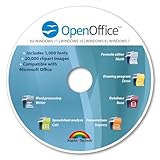
- THE ALTERNATIVE: The Office Suite Package is the perfect alternative to MS Office. It offers you word processing as well as spreadsheet analysis and the creation of presentations.
- LOTS OF EXTRAS:✓ 1,000 different fonts available to individually style your text documents and ✓ 20,000 clipart images
- EASY TO USE: The highly user-friendly interface will guarantee that you get off to a great start | Simply insert the included CD into your CD/DVD drive and install the Office program.
- ONE PROGRAM FOR EVERYTHING: Office Suite is the perfect computer accessory, offering a wide range of uses for university, work and school. ✓ Drawing program ✓ Database ✓ Formula editor ✓ Spreadsheet analysis ✓ Presentations
- FULL COMPATIBILITY: ✓ Compatible with Microsoft Office Word, Excel and PowerPoint ✓ Suitable for Windows 11, 10, 8, 7, Vista and XP (32 and 64-bit versions) ✓ Fast and easy installation ✓ Easy to navigate
Gem offers two broad configurations:
- Gem + Your ATS: keeps the existing ATS and adds sourcing, outreach, scheduling, analytics, and CRM capabilities.
- Gem All-in-One: includes a built-in ATS as well as the CRM and recruiting tools.
Public pricing is generally customized according to company size and requirements. Gem also publishes a startup offer of $270 per month, or $130 per month with annual billing, for eligible companies with one to 10 full-time employees.
Choose Gem if: you already have an ATS and need better talent rediscovery, proactive sourcing, and long-term candidate engagement.
Check before buying: confirm whether the quote includes AI-powered seats, sourcing access, enrichment, scheduling, analytics, implementation, and ATS functionality. Those details can materially change the total cost.
2. Recruit CRM: best for small and midsize recruitment agencies
Recruit CRM combines agency ATS and CRM functions in one product. It is aimed at permanent-placement firms, executive-search practices, and boutique staffing agencies that need to manage both candidates and clients.
Important features include a Chrome sourcing extension, AI resume parsing, candidate matching, GPT integration, email and calendar synchronization, email sequences, candidate and client deal pipelines, job-board posting, calling, candidate submissions, Kanban views, reports, and hiring-manager collaboration.
The public plans are organized as Pro, Business, and Enterprise. Pro covers core recruiting operations such as unlimited open jobs, sourcing, parsing, email and calendar sync, calling, reporting, and deal pipelines. Business adds capabilities such as automated sequencing, bulk texting, multiple hiring pipelines, custom roles and teams, SSO, and audit logs. Enterprise adds or includes advanced analytics, workflow automation, LinkedIn messaging, data enrichment, job multiposting, and Recruit Craft.
Recruit CRM supports Excel and CSV imports. It also offers paid migration, with a published estimate of 10–14 business days, and allows customers to export their data.
Choose Recruit CRM if: you need one system for candidate records, client development, submissions, sales pipelines, and recruiting delivery.
Windows Errors? Fix Them Before They Spread
Repair common Windows errors and clear accumulated junk for a smoother, more stable PC - no reinstall needed.Free scan · no reinstallOutdated Drivers Are Slowing You Down
One free scan finds every outdated or missing driver and matches the right update for your exact hardware.Free scan · exact hardware matchCommon mistake: do not assume that AI matching, automated workflows, LinkedIn messaging, advanced analytics, enrichment, and multiposting are included in the lowest-priced plan.
Rank #2
3. Bullhorn: best for staffing firms with operational depth
Bullhorn makes the most sense when recruiting is connected to a larger staffing operation. In addition to applicant tracking and client management, the platform can support job posting, career portals, custom fields, workflows, LinkedIn integrations, recruitment sales pipelines, automation, AI assistance, and analytics.
Published core pricing lists:
- Starter: $99 per user per month
- Core: $165 per user per month
- Pro: quote required
Bullhorn places its Recruitment CRM sales pipeline, AI Assistant, automation, real-time analytics, and dedicated account manager in Pro. Middle-office products are separate platform components and can cover onboarding, timesheets, time interpretation, invoicing, billing, and pay-and-bill automation.
Choose Bullhorn if: you run contract or temporary staffing and want recruiting, sales, operations, compliance, and billing workflows connected.
Free tools Windows power users keep installed
One-click scans. No signup required.
Important limitation: Bullhorn Starter or Core should not be treated as the same product as the complete front-to-back staffing platform. Confirm which CRM and middle-office modules are included in the proposal.
4. Loxo: best free-to-paid recruitment CRM
Loxo is a practical starting point for an independent recruiter or small agency that wants to test an ATS/CRM before committing to a larger deployment.
The free plan includes one user, unlimited jobs or projects, importing, ATS functionality, and recruitment CRM functionality. Personal contact information is an optional paid capability.
The published annual-billing prices are:
- Free: one user
- Basic: $169 per user per month
- Professional: quote-based or plan-dependent advanced functionality
- Enterprise: quote-based
Basic adds sales CRM, organic job-board posting, resume parsing, multiple users, Chrome Extension access, reporting, dashboards, analytics, and job-board posting. Professional adds Loxo Source, AI agents, Outreach, account-based prospecting, AI Notetaker, Loxo AI Chat, and a hiring-manager portal.
The CRM supports Boolean search, advanced filters, custom views, activity history, duplicate-profile flags, self-updating records, and quick actions that add people to jobs, campaigns, lists, or call queues.
Choose Loxo if: you want a genuine free one-user system and a clear path to paid sourcing, outreach, sales, and AI tools.
Rank #3
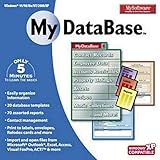
- Pre-designed templates for both business and personal use
- 10,000 clipart images and 100 fonts
- Notes table for history and to-do items
- Sort, filter and index
- Calculation & totaling
Watch the limit: the free plan is not a free team edition. It is restricted to one user.
5. Manatal: best low-cost agency CRM
Manatal includes its recruitment CRM in all plans rather than charging separately for it. The CRM covers company and contact management, LinkedIn importing through the People-Match AI Chrome extension, integrated email, revenue tracking, commercial analytics, permissions, notes, tasks, and candidate or client workflows.
Recommended Free Tools
Annual-billing prices are:
| Plan | Price per user/month | Published limits or additions |
|---|---|---|
| Professional | $15 | 15 jobs and up to 10,000 candidates |
| Enterprise | $35 | Unlimited jobs and candidates; workflow automation |
| Enterprise Plus | $55 | User groups, SSO, API access, priority support, and beta access |
Choose Manatal if: you need basic candidate and client relationship management at a predictable price, without the cost of an enterprise platform.
Check the tier: unlimited jobs, workflow automation, SSO, user groups, and API access are not included in the $15 plan.
6. Zoho Recruit: best budget and customization option
Zoho Recruit combines an ATS with candidate and client relationship management. It is especially attractive for organizations already using Zoho applications or teams that need customizable workflows and broad business-software integrations.
Features include candidate sourcing, resume parsing, a resume inbox, candidate and client management, custom hiring pipelines, Blueprint and workflow automation, candidate and hiring-manager portals, vendor portals, submissions, mass email, SMS and telephony integrations, assessments, scorecards, Zia candidate matching, custom fields, custom modules, functions, and permissions.
Current U.S. pricing lists:
- Free: one active job per recruiter license
- Standard: $25 per recruiter per month annually, or $30 monthly; 10 active jobs per recruiter
- Enterprise: $50 per recruiter per month annually, or $60 monthly; 20 active jobs per recruiter
Enterprise adds or includes AI candidate matching, candidate and staffing portals, Blueprint, advanced customization, territory management, recruitment automation, advanced analytics, custom reports, SMS and PhoneBridge, auto responders, field-level security, Google Meet, and Microsoft Teams integrations.
Choose Zoho Recruit if: you want low-cost customization, automation, portals, and integration with a wider business platform.
Free-plan warning: the Free edition allows only one active job per recruiter license and excludes many sourcing, parsing, automation, portal, and reporting features.
7. Beamery: best enterprise talent CRM
Beamery is designed for large and global organizations that need a skills-based talent ecosystem rather than a straightforward agency database.
Its Talent CRM supports skills-based profiles, targeted talent pools, silver-medalist rediscovery, ATS and HCM integrations, AI-assisted workflows, global permissions, compliance automation, multiple data-residency options, internal and external talent records, consent campaigns, and LinkedIn CRM Connect.
Choose Beamery if: your organization has complex permission, compliance, data-residency, and skills-management requirements across multiple regions.
Limitation: pricing is available on request. Beamery’s terms also describe possible limits involving contacts, users, and monthly email volume, so request those limits in writing.
What a recruitment CRM should do
An ATS mainly manages applicants against open requisitions. A recruitment CRM should manage relationships before, between, and after applications. That includes passive prospects, former applicants, referrals, alumni, silver medalists, talent communities, and—on the agency side—clients and hiring managers.
Use this checklist when comparing products:
- Search and segmentation: Boolean search, structured fields, tags, notes, activity filters, and duplicate detection.
- Relationship history: email, calls, SMS, LinkedIn activity, interviews, submissions, notes, and consent history.
- Outreach: templates, sequences, personalization, scheduling, unsubscribe handling, and engagement reporting.
- Rediscovery: the ability to find suitable former applicants and prospects before sourcing new people.
- ATS integration: synchronization of stages, notes, candidate updates, and rejection reasons where supported.
- Collaboration: hiring-manager portals, submissions, feedback, approvals, and candidate presentation.
- Data maintenance: enrichment, stale-record detection, duplicate handling, ownership rules, and correction workflows.
- Reporting: pipeline health, source effectiveness, recruiter activity, conversion, time-to-fill, and agency revenue.
- Migration and export: records, attachments, notes, custom fields, activity history, consent data, and job relationships.
- Security and compliance: role-based permissions, retention rules, consent management, audit logs, SSO, and data residency where needed.
Recruitment CRM failure modes to avoid
Calling an ATS a CRM
A product is not a full recruitment CRM merely because it stores candidate records. Verify that it supports passive-candidate pools, outreach, long-term relationship history, rediscovery, and nurture campaigns—not only requisitions and applicant stages.
Comparing starting prices instead of usable configurations
The advertised entry price may omit the features that justify buying a CRM. Bullhorn places recruitment CRM, AI assistance, automation, and real-time analytics in Pro. Recruit CRM places several advanced tools in Enterprise or add-ons. Loxo reserves Source, AI agents, Outreach, and its hiring-manager portal for Professional. Manatal reserves automation and enterprise controls for higher plans.
Assuming enrichment is always accurate
Enrichment and self-updating records reduce manual maintenance but do not guarantee current phone numbers, email addresses, job titles, employment status, or outreach consent. Verify important data before contacting a person.
Letting AI make the final decision
Resume parsing, ranking, matching, and summaries are screening aids. They can miss transferable skills, unconventional career paths, nonstandard titles, career gaps, accessibility information, or context held only in recruiter notes. Require human review and test the system with representative profiles.
The Tool Desk
Outbyte PC Repair FREERepair Windows errors before they cause bigger problemsFix Now →Outbyte Driver Updater FREEScan for outdated or missing drivers - takes under a minuteDriver Scan →Migrating only names and resumes
Before signing, ask whether the migration includes historical email and call activity, notes, attachments, tags, custom fields, candidate ownership, job associations, client relationships, consent records, deletion history, duplicate handling, and source attribution.
Overlooking staffing back-office requirements
Direct-hire recruiting and temporary staffing have different operational needs. If your company handles timesheets, payroll, time interpretation, invoicing, billing, or pay-and-bill automation, evaluate those functions separately rather than assuming they are part of the CRM.
Missing usage limits
Check recruiter versus hiring-manager seats, active-job limits, candidate and contact limits, email volume, AI usage, enrichment credits, job-board credits, SMS and calling costs, retention limits, API access, SSO, and audit logs. These constraints can matter more than the monthly seat price.
How to choose the right one
- Define your operating model: identify whether you are in-house, permanent placement, executive search, contract staffing, or a global enterprise.
- List the workflows that must be connected: sourcing, outreach, applications, submissions, client sales, onboarding, timesheets, billing, or HCM data.
- Choose three finalists by use case: for example, Gem and Beamery for enterprise in-house teams; Recruit CRM, Loxo, Manatal, or Zoho Recruit for agencies; Bullhorn for staffing operations.
- Test with real records: import a sample containing duplicates, old applicants, incomplete profiles, notes, attachments, and consent history.
- Run a complete workflow: source a candidate, send a sequence, record a reply, submit the candidate, collect feedback, update the stage, and report on the result.
- Request a written quote: include seats, integrations, migration, training, AI, enrichment, messaging, implementation, support, storage, API access, and cancellation terms.
FAQ
What is the best recruitment CRM for an in-house team?
Gem is the strongest general fit for in-house talent acquisition teams that need passive-candidate sourcing, talent rediscovery, nurture campaigns, analytics, and synchronization with an existing ATS. Beamery is better suited to large global organizations with complex skills, compliance, permissions, and HCM requirements.
Quick wins for a faster PC:
Repair Windows errors before they cause bigger problemsFix Now →Scan for outdated or missing drivers - takes under a minuteDriver Scan →What is the best recruitment CRM for a small agency?
Recruit CRM is the best agency-focused option for many small and midsize permanent-placement or executive-search firms. Loxo, Manatal, and Zoho Recruit are worth considering when a free starting point, low price, or extensive customization matters more than advanced agency features.
Is Bullhorn an ATS, CRM, or staffing platform?
Bullhorn can cover all three roles, but the exact scope depends on the purchased modules. Its core platform includes ATS and recruiting capabilities, while Recruitment CRM, advanced automation, analytics, and middle-office functions such as timesheets and billing may require higher plans or separate components.
What should I test during a recruitment CRM trial?
Test searching and deduplication, importing records, preserving notes and consent history, sending and stopping outreach sequences, syncing with your ATS, handling candidate submissions, collecting hiring-manager feedback, exporting data, and applying user permissions. Also verify active-job, email, AI, enrichment, and API limits.
The Bottom Line
Choose Gem for in-house proactive recruiting, Recruit CRM for a small or midsize permanent-placement agency, and Bullhorn when staffing operations extend into timesheets, billing, and pay-and-bill workflows. Loxo is the strongest free-to-paid starting point, Manatal offers low-cost agency basics, Zoho Recruit offers budget customization, and Beamery is aimed at global enterprise talent management.
The Tool Desk
Outbyte Driver Updater FREEFix the driver behind crashes, sound loss and screen glitchesFind Drivers →Outbyte PC Repair FREEClear out junk files and repair common Windows errorsFree Scan →Do not choose from the headline price alone. The decisive questions are whether the product can rediscover and nurture talent, preserve relationship history, integrate with your existing systems, support your permissions and compliance model, and export the data you will need later.
Quick Recap
Product prices and availability are accurate as of the date/time indicated and are subject to change. Any price and availability information displayed on Amazon at the time of purchase will apply.

