
Crashes, No Sound, or Screen Glitches?
Random freezes, missing sound and display glitches usually trace back to one bad driver. Find and replace yours safely.Free scan · under a minutePC Slower Than It Used to Be?
A free scan shows the junk files, broken settings and background clutter dragging Windows down - then fixes them in one click.Free scan · Windows 10 & 11iTechGuides is reader-supported. When you buy through links on our site, we may earn an affiliate commission. As an Amazon Associate I earn from qualifying purchases. Learn more
The best multipoint Bluetooth headphones and earbuds for 2026 are the Sony WH-1000XM6 for most over-ear buyers and the Technics EAH-AZ100 for three-device connectivity. Both use true Bluetooth multipoint, while Apple AirPods primarily offer ecosystem switching rather than general-purpose multipoint across devices such as an iPhone and Windows laptop.
True multipoint is the feature to look for if you want one headset connected to your phone and computer at the same time. The shortlist below separates over-ear headphones from true-wireless earbuds, distinguishes two-device from three-device multipoint, and flags the compromises involving ANC, microphones, codecs, comfort, battery life, and price.
Key takeaways
- Sony WH-1000XM6 is the strongest all-round over-ear pick, combining true multipoint, strong ANC, broad device compatibility, and approximately 30 hours of stated battery life.
- Technics EAH-AZ100 is the connectivity specialist because its true-wireless earbuds support three-device multipoint rather than the more common two-device implementation.
- Bose QuietComfort Ultra Headphones (2nd Gen) are the comfort-and-ANC alternative, with Bluetooth multipoint and a manufacturer-rated maximum battery life of 30 hours.
- Sennheiser MOMENTUM 4 Wireless is the value-oriented over-ear choice for buyers who prioritize sound and unusually long battery life over class-leading ANC.
- Apple AirPods can switch smoothly within Apple’s ecosystem, but ecosystem switching is not the same as standard cross-platform Bluetooth multipoint.
Best multipoint Bluetooth headphones and earbuds for 2026 at a glance
The following recommendations are editorial categories, not universal rankings. “Active devices” means the number of source devices that can remain connected, not the number of audio streams the product can mix simultaneously.
Do these 3 things before closing this tab:
1Fix the driver behind crashes, sound loss and screen glitches2Repair Windows errors before they cause bigger problems3Scan for outdated or missing drivers - takes under a minute| Product | Form factor | Best for | Active devices | Battery claim or price signal | Main drawback |
|---|---|---|---|---|---|
| Sony WH-1000XM6 | Over-ear headphones | Best overall | Two-device true multipoint | Approximately 30 hours; approximately $449.99 MSRP signal in current editorial coverage | Premium price and feature-heavy app |
| Bose QuietComfort Ultra Headphones (2nd Gen) | Over-ear headphones | Comfort and ANC | Two-device true multipoint | 30 hours maximum claim; $449 list price | Immersive modes reduce battery life and list price is high |
| Sennheiser MOMENTUM 4 Wireless | Over-ear headphones | Value, sound, and battery | Two-device true multipoint | Approximately $350 MSRP signal | ANC and carrying case are less compelling |
| Technics EAH-AZ100 | True-wireless earbuds | Three-device connectivity | Three-device true multipoint | Check current regional price | Fit and codec-related battery trade-offs |
| Sony WF-1000XM6 | True-wireless earbuds | Premium ANC earbuds | Two-device true multipoint | Check current regional price | Premium price and fit varies by ear shape |
| JBL Tour Pro 3 | True-wireless earbuds | Features and smart case | Two-device true multipoint | Check current regional price | Charging case is relatively complex and bulky |
| Sony WF-C710N | True-wireless earbuds | Lower-cost multipoint | Two-device multipoint-oriented design | $119.99 MSRP signal in current editorial coverage | Less advanced sound, codecs, and call features |
Price signals in the table are primarily US-oriented and should not be treated as live prices. Manufacturer battery figures are “up to” claims made under controlled conditions; ANC, codec selection, volume, calls, temperature, and battery age can change actual endurance. See the SoundGuys multipoint buying guide for the current editorial price and category signals, and verify specifications on the relevant manufacturer page before buying.
Popular on Amazon

- Ultra-Comfort with Open-Ear Design: Experience matchless comfort even for all-day wear with these non-intrusive, open-ear Bluetooth earbuds.
- Enhanced Situational Awareness: V20i open-ear wireless earbuds let you stay connected to the world while enjoying pristine playback. Ideal for both urban life and outdoor ventures.
- Four Adjustable Positions for a Secure, Comfy Fit: Easily rotate to find the sweet spot for your ears with these bluetooth earbuds, boosting stability and comfort. Listen and move freely with V20i open-ear earbuds throughout the day.
- Powerful Sound with 16mm Drivers: Immerse in rich, resonant bass fueled by V20i's advanced 16mm drivers—featured in these wireless earbuds—with titanium-coated domes and soundcore's proprietary BassUp technology.
- Clear Calls with 4 Mics and AI Enhancement: Equipped with four mics and an AI algorithm, V20i open-ear Bluetooth earbuds ensure crisp and clear calls wherever you are.
What is Bluetooth multipoint?
Bluetooth multipoint allows headphones or earbuds to maintain active connections to two or more source devices at once. For example, a headset can stay connected to a laptop playing music while also remaining connected to a phone that may receive a call.
Pairing and connecting are different. Pairing stores a device in the headset’s memory; connecting establishes the active Bluetooth link. A product may remember many paired phones and computers but maintain only one active connection. Multipoint is the ability to keep multiple active source connections.
Most consumer products support two active devices. The Technics EAH-AZ100 is notable because it supports three-device multipoint. Three-device multipoint does not mean three independent music streams play at once. The usual behavior is that audio from device A pauses or ducks when device B starts playback or receives a call, while device C remains available.
How does multipoint switching actually work?
Multipoint switching is product- and operating-system-dependent. A typical sequence is music from a laptop, an incoming phone call, automatic audio transfer to the phone, and either automatic or manual resumption of the laptop audio after the call ends.
Switching is not always instantaneous or symmetrical. Some products switch reliably for cellular calls but behave differently with Teams, Zoom, Google Meet, or browser-based calls. A laptop application can keep a Bluetooth audio profile occupied, preventing the switch that the user expects. Some headphones also reconnect to an old device and appear to “steal” the connection.
| Behavior to check | Why it matters |
|---|---|
| Both source devices remain connected during playback | Confirms that the feature is working as multipoint rather than simple remembered pairing |
| Incoming calls interrupt music reliably | Determines whether the phone remains genuinely available |
| Music resumes after a call | Some products require the user to press play again |
| Switching works in both directions | A product may prioritize one source or profile |
| Multipoint survives sleep and wake | Laptops often renegotiate Bluetooth connections after sleep |
| High-resolution codecs preserve multipoint | LDAC, aptX, and similar modes can reduce or disable multipoint on some models |
Which multipoint headphones are best?
Sony WH-1000XM6: best overall multipoint headphones
The Sony WH-1000XM6 is the safest all-round over-ear recommendation for mixed-device users who want strong ANC, sound, app controls, and true Bluetooth multipoint in one product. Current 2026 buying coverage treats the WH-1000XM6 as a leading wireless headphone and reports approximately 30 hours of battery life and an approximately $449.99 MSRP signal. Those figures should be verified against Sony’s current regional listing and the buying date.
The WH-1000XM6 suits office workers and travelers who alternate between a phone and laptop. Sony’s app provides extensive controls and sound customization, while broad Bluetooth-source compatibility makes the headphones more appropriate for mixed Android, iPhone, Windows, and macOS setups than ecosystem-bound alternatives.
Free tools Windows power users keep installed
One-click scans. No signup required.
The trade-offs are the premium price, a potentially complicated app, and the fact that multipoint behavior can vary with firmware, source devices, and codec settings. Do not assume every call or media-switching scenario will be instant. Check Sony’s official WH-1000XM6 product page for the current model and regional specifications.
Bose QuietComfort Ultra Headphones (2nd Gen): best for comfort and ANC
The Bose QuietComfort Ultra Headphones (2nd Gen) are the better choice when long-session comfort and noise reduction matter more than lowest price or maximum sound customization. Bose lists Bluetooth multipoint, active noise cancellation, and a 30-hour maximum battery claim for the second-generation model. Bose lists a $449 original price; a $399 promotional price appeared on the US page in the research snapshot, but promotions are temporary.
The second-generation Ultra is suited to frequent flyers and people who wear headphones for several hours. The main distinction from the original model is important: buyers should confirm that a listing specifically says “2nd Gen.” Immersive or spatial modes reduce the stated battery life, and Bose’s strongest advantages are comfort and ANC rather than the deepest EQ or codec flexibility.
See Bose’s official QuietComfort Ultra Headphones (2nd Gen) page for current availability and price. A promotional price should always be shown with its region and date.
Sennheiser MOMENTUM 4 Wireless: best value over-ear headphones
The Sennheiser MOMENTUM 4 Wireless is the value pick for music-first buyers who want true multipoint and very long battery endurance without paying the highest premium-headphone price. Current editorial coverage identifies the MOMENTUM 4 as a strong value option for sound quality and battery life, with an approximately $350 MSRP signal.
The MOMENTUM 4 makes sense for someone who will listen for long periods and can accept less refined ANC and a bulkier case. The large earcups and case may be inconvenient for travel, and not every Momentum-branded product should be assumed to have the same multipoint behavior. Confirm the exact MOMENTUM 4 model, firmware, and regional bundle on Sennheiser’s official MOMENTUM 4 page.
Which multipoint earbuds are best?
Technics EAH-AZ100: best three-device multipoint earbuds
The Technics EAH-AZ100 is the best choice when three active source devices are the reason you are buying multipoint earbuds. Technics supports three-device multipoint, making the earbuds especially useful for a personal phone, a personal computer, and an employer-issued computer. Current recommendations from RTINGS’ wireless-earbud guide, SoundGuys, and other specialist publications identify three-device support as the AZ100’s standout connectivity feature.
The AZ100 is more flexible than ordinary two-device earbuds for users who regularly alternate among three sources. Three-device multipoint still does not mix three audio streams, and codec selection can affect battery life and compatibility. Ear-tip fit and long-session comfort remain personal, so buyers should confirm the return policy in their region.
The Tool Desk
Outbyte PC Repair FREEClear out junk files and repair common Windows errorsFree Scan →Outbyte Driver Updater FREEScan for outdated or missing drivers - takes under a minuteDriver Scan →Also popular on Amazon
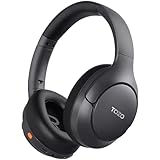
- [45dB ANC & Hybrid Noise Cancellation] Enjoy unmatched tranquility with Adaptive ANC and Hybrid Noise Cancellation. Four high-sensitivity microphones continuously detect and adapt to your surroundings—whether you're on a noisy subway, airplane, or in a bustling café. A single press restores complete silence, while a dedicated call mic ensures crystal-clear voice quality, even in noisy environments. Ideal for both calls and music, offering superior audio no matter where you are.
- [40mm Dynamic Drivers for Premium Sound] Immerse yourself in rich deep bass, clear mids, and crisp highs, all powered by 40mm dynamic drivers. Designed for music, movies, and gaming, these drivers deliver an expansive and detailed audio experience, ensuring you stay fully engaged with every sound.
- [90-Hour Battery Life & Quick 10-Minute Charge] Enjoy up to 90 hours of continuous playback on a single charge. In a rush? A 10-minute quick charge gives you an extra 9 hours of use. Perfect for long flights, road trips, or extended study and gaming sessions. Stay powered and keep enjoying your favorite content uninterrupted.
- [Seamless Multi-Mode Connectivity] Connect effortlessly with Bluetooth, AUX 3.5mm, or Type-C for versatile audio experiences. Switch seamlessly between wireless, wired, and fast charging modes, ensuring compatibility with both modern and older devices. One pair of headphones, all your connection needs.
- [Six Advanced Technologies for Ultimate Performance] Enjoy lag-free gaming, dual device connectivity, and immersive spatial audio for a cinematic experience. AI noise reduction guarantees crystal-clear calls, while personalized sound settings let you adjust left/right balance for a tailored listening experience.
Technics provides current product information on its official EAH-AZ100 page. Choose the AZ100 for the third connection, not merely because a product table says “multipoint.”
Sony WF-1000XM6: best premium multipoint earbuds
The Sony WF-1000XM6 is the premium earbud pick for buyers who want flagship-level ANC, strong sound, call features, and true multipoint across mixed operating systems. Current coverage identifies the WF-1000XM6 as a leading combination of ANC, sound, call quality, and compatibility with Android, iOS, Windows, and other Bluetooth sources.
The WF-1000XM6 is a good fit for travelers who dislike over-ear headphones and for users who do not want to be locked into Apple or Samsung hardware. Fit, ear-tip pressure, and passive isolation vary substantially by ear shape, and Sony’s foam-style tips will not suit everyone. Premium codec modes can also interact with multipoint, so check the current companion-app behavior before selecting high-resolution audio.
Check Sony’s official WF-1000XM6 page for the current model and regional pricing. Independent comparisons such as What Hi-Fi’s WF-1000XM6 versus EAH-AZ100 comparison are more useful than manufacturer claims for comparative sound and ANC judgments.
JBL Tour Pro 3: best feature-rich multipoint earbuds
The JBL Tour Pro 3 is the best multipoint earbud alternative for buyers who value controls, high-resolution audio features, and its unusually capable charging case. SoundGuys highlights the Tour Pro 3’s sound quality, high-resolution audio, multipoint, and smart charging-case display.
The feature-rich case can be useful for people who want controls and information without opening a phone, but the added technology makes the case bulkier and the experience more complex. Verify that the regional model and current firmware support the codec and multipoint combination you expect on JBL’s official Tour Pro 3 page.
Sony WF-C710N: best lower-cost multipoint earbuds
The Sony WF-C710N is the practical lower-cost choice for commuters who want ANC and multipoint-oriented connectivity without flagship pricing. SoundGuys lists a $119.99 MSRP signal for the WF-C710N in current editorial coverage.
The WF-C710N gives up some advanced codec, spatial-audio, sound, and call features compared with flagship earbuds. Buyers should verify current battery, case, microphone, and regional price details rather than treating the editorial MSRP signal as a live sale price. Sony’s official WF-C710N page is the appropriate specification reference.
What is the difference between true multipoint and ecosystem switching?
True Bluetooth multipoint keeps active Bluetooth connections to multiple source devices, while ecosystem switching transfers audio among compatible devices using a manufacturer’s software and account ecosystem. Ecosystem switching can feel smoother inside one brand but is less useful for mixed-device setups.
| Feature | True Bluetooth multipoint | Ecosystem switching |
|---|---|---|
| Works across brands | Usually, subject to model and firmware limits | Often limited to one manufacturer’s devices |
| Two active Bluetooth connections | Yes, and three on some products | Not necessarily |
| Windows support | Usually possible | Often limited or less seamless |
| Automatic switching | Depends on product, operating system, and audio profile | Often smooth within the supported ecosystem |
| Best for | Mixed iPhone, Android, Windows, macOS, and ChromeOS setups | People who rarely leave one brand’s device ecosystem |
Apple AirPods are the clearest example. AirPods may be the better choice for someone entirely inside Apple’s ecosystem, but AirPods should not be presented as conventional multipoint for a reader who specifically needs simultaneous iPhone-and-Windows connectivity. Samsung Galaxy Buds and Google Pixel Buds deserve the same qualification: ecosystem features can be attractive within Samsung or Pixel and Android hardware, but exact cross-platform multipoint behavior depends on the model and connected devices. Apple’s AirPods page, Samsung’s Galaxy Buds page, and Google’s Pixel Buds listings should be checked for current model-specific details.
Which product is best for iPhone, Android, Windows, and Mac?
Mixed-device users should generally choose Sony, Technics, Bose, Sennheiser, or JBL models with explicit conventional multipoint rather than relying on ecosystem switching. The best choice depends on the exact combination:
- iPhone plus Windows laptop: Sony WH-1000XM6, Bose QuietComfort Ultra Headphones (2nd Gen), Sennheiser MOMENTUM 4, Sony WF-1000XM6, Technics EAH-AZ100, and JBL Tour Pro 3 are safer conventional multipoint categories than AirPods.
- Android plus Windows laptop: Sony, Technics, Bose, Sennheiser, and JBL are broadly suitable starting points, subject to the exact codec and firmware configuration.
- iPhone plus MacBook: AirPods may provide the smoothest Apple-specific switching, but Sony, Bose, Technics, Sennheiser, and JBL remain better choices if Windows or other Bluetooth sources may be added later.
- Android plus Chromebook: Cross-platform multipoint models are generally more flexible than ecosystem-specific products, but ChromeOS behavior should be checked with the exact model.
- Phone plus work laptop plus personal laptop: Technics EAH-AZ100 is the clearest shortlist choice because it supports three-device multipoint.
Bluetooth transmitters, airplane adapters, smart TVs, and game consoles are special cases. A transmitter often behaves as one source rather than a normal two-way phone or computer, so multipoint may offer little benefit. USB audio can also bypass Bluetooth entirely and change microphone, ANC, and switching behavior.
Are over-ear headphones or true-wireless earbuds better for multipoint?
Over-ear headphones are usually better for long work sessions, battery endurance, physical controls, and often ANC, while true-wireless earbuds are better for portability, exercise, and compact travel.
| Consideration | Over-ear headphones | True-wireless earbuds |
|---|---|---|
| Long sessions | Often more comfortable for users who dislike ear-canal pressure | Fit and pressure vary greatly by ear shape |
| Portability | Bulkier and may create a larger travel case | Compact and protected by a charging case |
| ANC | Generally stronger, especially for low-frequency travel noise | Can be very effective but depends on seal and fit |
| Battery | Usually longer per charge | Shorter earbud runtime but extra charge from the case |
| Calls | Some models offer better wind handling and controls | Microphones are more exposed to wind and fit changes |
| Exercise | Hotter, heavier, and less practical | More portable, but check the exact sweat and water-resistance rating |
| Controls | Usually easier to operate physically | Touch controls can be convenient but more variable |
Water resistance is not waterproofing. An earbud’s rating does not automatically apply to its charging case, and exercise earbuds marketed as sweat- or splash-resistant are not necessarily suitable for swimming or heavy rain.
What should work-from-home buyers prioritize?
Work-from-home buyers should prioritize reliable phone-to-laptop switching, microphone noise handling, comfort, mute controls, and USB or wired fallback rather than assuming excellent ANC means excellent calls.
Also popular on Amazon

- 𝗕𝗹𝗼𝗰𝗸 𝘁𝗵𝗲 𝗪𝗼𝗿𝗹𝗱, 𝗞𝗲𝗲𝗽 𝘁𝗵𝗲 𝗠𝘂𝘀𝗶𝗰: Four built-in mics work together to filter out background noise — whether you're in a packed office, on a crowded commute, or moving through a busy street — so every beat comes through clean and clear. (Not available in AUX-in mode.)
- 𝗧𝘄𝗼 𝗪𝗮𝘆𝘀 𝘁𝗼 𝗛𝗲𝗮𝗿 𝗠𝗼𝗿𝗲: BassUp technology delivers deep, punchy bass and crisp highs in wireless mode — then step it up further by plugging in the included AUX cable to unlock Hi‑Res certified audio for studio-level clarity.
- 𝟰𝟬 𝗛𝗼𝘂𝗿𝘀. 𝟱-𝗠𝗶𝗻𝘂𝘁𝗲 𝗧𝗼𝗽-𝗨𝗽: With ANC on, a single charge keeps you listening through days of commutes and long-haul flights. Running low? Just 5 minutes plugged in gives you 4 more hours — so you're never stuck waiting.
- 𝗧𝘄𝗼 𝗗𝗲𝘃𝗶𝗰𝗲𝘀, 𝗭𝗲𝗿𝗼 𝗛𝗮𝘀𝘀𝗹𝗲: Stay connected to your laptop and phone at the same time. Audio switches automatically to whichever device needs you — so a call never interrupts your flow, and getting back to your playlist is just as easy. Designed for commuters and remote workers who move smoothly between work and personal listening throughout the day.
- 𝗬𝗼𝘂𝗿 𝗦𝗼𝘂𝗻𝗱, 𝗬𝗼𝘂𝗿 𝗥𝘂𝗹𝗲𝘀: The soundcore app puts everything at your fingertips — dials your ideal EQ with presets or build your own, flip between ANC, Normal, and Transparency modes on the fly, or wind down with built-in white noise. One app, total control.
Incoming-audio ANC and microphone noise suppression are separate capabilities. A headset can make aircraft noise quiet for the wearer while still transmitting wind, street noise, keyboard noise, or room echo to a colleague. Before buying for work, check quiet-room voice clarity, wind handling, echo control, sidetone or self-voice monitoring, mute controls, and behavior with Teams, Zoom, Google Meet, and browser calls.
What’s actually slowing this PC down?
Pick the symptom - the matching free tool is one click away.
Bluetooth multipoint can also change microphone behavior. Some products reduce audio quality when the microphone is active, and some behave differently when two devices are connected. USB audio can be a dependable fallback for a computer, but USB mode may bypass Bluetooth multipoint rather than supplement it.
Independent reader supportYour contribution helps us test, update, and keep practical guides available for everyone.What should travelers and music listeners prioritize?
Travelers should prioritize ANC, long-session comfort, battery life, fast charging, foldability, wired listening, and compatibility with airplane adapters; music listeners should prioritize tuning, EQ, codec compatibility, and stable multipoint.
Low-frequency ANC is most relevant to aircraft-engine and vehicle rumble. Midrange office chatter, high-frequency voices, keyboard noise, and wind require different performance, while transparency-mode naturalness matters when hearing announcements or talking to someone. Earbuds can be more portable, but ear pressure, fit, and wind noise are more individual.
Codec support is not an automatic sound-quality ranking. SBC and AAC provide broad baseline compatibility; LDAC, aptX, aptX Adaptive, LC3, and other premium codecs matter only when the source device supports them, the software path preserves them, and the codec does not compromise multipoint stability or battery life. A high-resolution codec may be less useful than reliable switching for someone using an iPhone and Windows laptop.
Quick wins for a faster PC:
Fix the driver behind crashes, sound loss and screen glitchesFind Drivers →Repair Windows errors before they cause bigger problemsFix Now →Scan for outdated or missing drivers - takes under a minuteDriver Scan →How should multipoint be tested before publishing or buying?
A meaningful multipoint test uses the actual phone, computer, call application, codec, firmware, and operating systems that the reader expects to use. A recommended test setup includes one iPhone, one Android phone, one Windows laptop, a macOS laptop if available, a second computer or tablet for three-device testing, a Teams or Zoom call, music and video playback, and the manufacturer’s current app and firmware.
- Pair the headphones or earbuds with device A, then pair them with device B.
- Confirm that both devices show an active connection rather than merely appearing in the pairing list.
- Start music on device A and then start music on device B. Record whether B interrupts A automatically.
- Pause B and try to resume A. Record whether playback resumes automatically or requires a manual press.
- Place an incoming call on device A while audio plays from B, end the call, and repeat in the opposite direction.
- Add device C when three-device multipoint is claimed and test sleep, wake, calls, and reconnection.
- Enable the highest-quality codec available and repeat the sequence to see whether multipoint changes or disappears.
- Test one-earbud use, a Bluetooth transmitter or airplane adapter where relevant, and USB audio where the product supports it.
- Record the firmware version, app version, operating-system versions, region, and test date.
Readers should not treat a single successful pairing demonstration as proof of reliable multipoint. The important evidence is whether active connections survive calls, sleep and wake cycles, codec changes, and switching in both directions.
How do you fix unreliable Bluetooth multipoint?
When multipoint is unreliable, first identify which source is reclaiming the connection and whether a codec or app setting is involved; factory reset should be a later step because it erases pairing state and settings.
- Toggle Bluetooth off and on for the affected source device.
- Disconnect the headphones manually from the unwanted source.
- Disable and re-enable multipoint in the companion app if the model requires an app setting.
- Update the headphone or earbud firmware and companion app.
- Check whether an old paired device is automatically reconnecting and taking priority.
- Disable high-resolution codec mode if multipoint becomes unstable.
- Confirm that the second source is not simultaneously connected to another Bluetooth accessory competing for audio.
- Forget the headset on the affected device and pair it again.
- Reboot the phone or computer.
- Perform a factory reset only after the less destructive steps fail.
Firmware can change multipoint support, codec availability, battery reporting, and switching logic. For a reproducible result, document the firmware, app, operating systems, region, and date rather than treating a future update as proof that every unit behaves identically.
Recommended Free Tools
How should you choose?
Choose the Sony WH-1000XM6 for the fewest major over-ear compromises, the Technics EAH-AZ100 for three active devices, the Bose QC Ultra 2 for comfort and ANC, and the Sennheiser MOMENTUM 4 for value and battery life.
- Choose Sony WH-1000XM6 if you want the strongest general-purpose headphone recommendation and can afford the premium price.
- Choose Technics EAH-AZ100 if your phone, personal computer, and work computer must remain connected at the same time.
- Choose Bose QuietComfort Ultra Headphones (2nd Gen) if comfort and travel noise reduction outrank price and advanced customization.
- Choose Sennheiser MOMENTUM 4 Wireless if sound, value, and long battery life matter more than top-tier ANC or compactness.
- Choose Sony WF-1000XM6 if you want flagship ANC in earbuds and broad mixed-device compatibility.
- Choose JBL Tour Pro 3 if the smart case and feature set are more important than simplicity.
- Choose Sony WF-C710N if you want a lower-cost ANC earbud with multipoint-oriented features.
- Choose AirPods, Galaxy Buds, or Pixel Buds only after confirming that your devices fit the relevant ecosystem; do not choose them solely because ecosystem switching is described as multipoint.
Official manufacturer pages are the right place to verify current model names, regional availability, specifications, firmware requirements, warranty, and return terms. Independent sources such as SoundGuys’ multipoint comparison, RTINGS’ wireless-earbud recommendations, and TechRadar’s noise-cancelling earbud guide are more appropriate for comparative judgments about ANC, sound, comfort, and real-world performance.
Frequently Asked Questions
Does Bluetooth multipoint let headphones play two audio sources at the same time?
No. Bluetooth multipoint normally keeps two or more source devices connected, but most consumer headphones do not mix two independent music streams. One source usually pauses or ducks when another source starts audio or receives a call.
Is Apple automatic switching the same as Bluetooth multipoint?
No. Apple automatic switching is primarily ecosystem switching among compatible Apple devices, whereas true Bluetooth multipoint maintains active connections to multiple source devices and is generally more suitable for mixed setups such as an iPhone and Windows laptop.
What’s actually slowing this PC down?
Pick the symptom - the matching free tool is one click away.
Which earbuds connect to three devices?
The Technics EAH-AZ100 is the standout recommendation in this shortlist because it supports three-device multipoint. Three-device multipoint means three active connections, not three simultaneous audio streams.
Can multipoint work with an iPhone and Windows laptop?
Yes, many conventional multipoint headphones and earbuds can connect to an iPhone and Windows laptop, including products from Sony, Bose, Sennheiser, Technics, and JBL. Exact switching behavior depends on firmware, operating-system versions, codecs, and whether the laptop is using a conferencing application.
The Bottom Line
Bottom line: Buy the Sony WH-1000XM6 for the best all-round multipoint headphones, the Technics EAH-AZ100 when three-device multipoint is essential, the Bose QuietComfort Ultra Headphones (2nd Gen) for comfort and ANC, or the Sennheiser MOMENTUM 4 Wireless for value and battery life. Choose AirPods, Galaxy Buds, or Pixel Buds for ecosystem convenience only when that ecosystem matches all of your devices.

