
Yes—password managers are generally a safe and useful way to create and store unique passwords, but they are not risk-free. A provider’s systems being hacked does not automatically mean attackers can read every saved password. The outcome depends on what was accessed, how the vault is encrypted and recovered, and whether an attacker also obtained your primary password or reached an unlocked device.
Is a password manager actually safe?
The UK National Cyber Security Centre (NCSC) answers: “Yes, you can trust the tech – but it’s important to understand what choices you’re making.” Its April 2026 guide, Trusting the tech: using password managers and passkeys to help you stay secure online, explains the practical balance: a manager can help you use a different, hard-to-guess password for every account, while concentrating those credentials behind a primary secret and your device access. NCSC guidance

NIST says password managers can generate unique, long passwords and store them in local or cloud vaults. Their security benefit is greatest when you replace reused or weak passwords with generated, distinct ones. NIST Digital Identity Guidelines
What does “a password manager was hacked” mean?
The phrase can describe very different events: someone accessing a provider’s systems, copying encrypted vaults, exposing account details, taking over a user account, or using malware to access a vault while it is unlocked. Those scenarios do not have the same consequences. General guidance cannot establish what happened in a particular provider incident; consult that provider’s incident notice for the scope.
Quick wins for a faster PC:
Scan for outdated or missing drivers - takes under a minuteDriver Scan →Clear out junk files and repair common Windows errorsFree Scan →Fix the driver behind crashes, sound loss and screen glitchesFind Drivers →#1 Best Overall
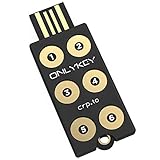
- ✅ PROTECT ONLINE ACCOUNTS – A password manager, two-factor security key, and secure communication token in one, OnlyKey can keep your accounts safe even if your computer or a website is compromised. OnlyKey is open source, verified, and trustworthy.
- ✅ UNIVERSALLY SUPPORTED – Works with all websites including Twitter, Facebook, GitHub, and Google. Onlykey supports multiple methods of two-factor authentication including FIDO2 / U2F, Yubico OTP, TOTP, Challenge-response.
- ✅ PORTABLE PROTECTION – Extremely durable, waterproof, and tamper resistant design allows you to take your OnlyKey with you everywhere.
- ✅ PIN PROTECTED – The PIN used to unlock OnlyKey is entered directly on it. This means that if this device is stolen, data remains secure, after 10 failed attempts to unlock all data is securely erased.
- ✅ EASY LOG IN –No need to remember multiple passwords because by plugging OnlyKey to your computer, it automatically inputs your username and password. It works with Windows, Mac OS, Linux, or Chromebook, just press a button to login securely!
If attackers copied only encrypted vault data
Encryption may prevent an attacker from reading vault contents without the necessary secret. A copied vault is therefore not the same as a readable list of passwords. However, an attacker could try to guess a weak primary secret offline, and the risk is greater if the secret or a recovery mechanism is also compromised. NIST Digital Identity Guidelines
If the primary secret or recovery access was compromised
An attacker who obtains what is needed to decrypt or recover the vault may be able to reach its contents. NIST advises using a long primary passphrase and says that if the master secret is compromised, the passwords in the vault need to be recreated. Recovery designs vary, so check the provider’s current explanation of what happens if you forget the primary password. NIST Digital Identity Guidelines NCSC guidance
Rank #2

- POWERFUL SECURITY KEY: The Security Key C NFC is the essential physical passkey for protecting your digital life from phishing attacks. It ensures only you can access your accounts.
- WORKS WITH 1000+ ACCOUNTS: Compatible with Google, Microsoft, and Apple. A single Security Key C NFC secures 100 of your favorite accounts, including email, password managers, and more.
- FAST & CONVENIENT LOGIN: Plug in your Security Key C NFC via USB-C and tap it, or tap it against your phone (NFC) to authenticate. No batteries, no internet connection, and no extra fees required.
- TRUSTED PASSKEY TECHNOLOGY: Uses the latest passkey standards (FIDO2/WebAuthn & FIDO U2F) but does not support One-Time Passwords. For complex needs, check out the YubiKey 5 Series.
- BUILT TO LAST: Made from tough, waterproof, and crush-resistant materials. Manufactured in Sweden and programmed in the USA with the highest security standards.
If someone reaches an unlocked or infected device
A person with access to an unlocked laptop may be able to use saved passwords, regardless of whether the provider’s servers were breached. Malware on a device can also change the situation from theft of encrypted data to access while the vault is available. Keep devices locked and updated; if you suspect device compromise, use a trusted device to change sensitive credentials. NCSC guidance
How to make a password manager safer
- Set a long, unique primary passphrase. Do not reuse a password from another account. NIST recommends a long primary passphrase because it protects access to the vault. NIST Digital Identity Guidelines
- Turn on multi-factor authentication (MFA). Enable the manager’s MFA or two-step verification if offered, and add MFA to important accounts. The FTC recommends an authenticator app or security key over text or email codes where possible. NIST Digital Identity Guidelines FTC: How to protect your personal information
- Generate a different password for every account. This limits the damage if one service is breached. NIST Digital Identity Guidelines
- Lock and update your devices. Do not leave a laptop open where another person can access an unlocked vault. NCSC guidance
- Protect the email account used for recovery. Someone controlling that inbox may be able to receive password-reset links for other accounts. Use MFA on email and review its recovery methods. FTC: What to do if your personal information was exposed in a data breach
- Understand the manager’s recovery process. Find out what happens if you forget the primary password and who or what can restore access. Recovery that can reset a primary secret has security trade-offs; designs differ by provider. NIST Digital Identity Guidelines NCSC guidance
What to do if your password manager may have been compromised
- Check the provider’s incident notice. Establish whether it reports access to encrypted vault contents, account credentials, personal details, or recovery channels. Do not assume the scope from the word “hack.”
- If your primary secret may have been exposed, act on the vault. Change the primary secret if possible and replace the passwords stored in the vault, starting with email, banking, and accounts that can reset other accounts. NIST says vault passwords need to be recreated if the master secret is compromised. NIST Digital Identity Guidelines
- Change reused passwords everywhere they were used. The FTC recommends changing reused passwords after a breach. FTC: What to do if your personal information was exposed in a data breach
- Enable MFA on the manager and critical accounts. Where available, use an authenticator app or security key rather than text or email verification codes. FTC: How to protect your personal information
- Secure the email account tied to account resets. Review its recovery methods and make sure an attacker cannot use it to reset other accounts. FTC: What to do if your personal information was exposed in a data breach
- If a device may be unlocked or infected, switch to a trusted device. Secure the affected device and change sensitive credentials from a device you trust. This is especially important if the concern is someone accessing a vault while it is open. NCSC guidance
How to choose a password manager
The NCSC distinguishes between first-party managers supplied by a device or browser maker and third-party managers installed separately. It suggests a first-party option when convenience is the priority; a reputable third-party manager may suit people who use a mix of devices or browsers, want additional features, or prefer flexibility beyond one vendor. Browser managers may not offer features such as secure notes or password sharing. Official guidance does not rank named commercial products. NCSC guidance
Rank #3

- Requires 3 "AAA" batteries (included)
- Unit auto-locks for 30 minutes after 5 consecutive incorrect PINs
Compare the features that affect your needs and security:
- MFA: whether the manager supports a second verification method.
- Vault protection: how encryption works and who can access the secrets needed to decrypt the vault.
- Recovery: what happens if you forget the primary password, and what security trade-offs the recovery method creates.
- Compatibility: whether it works across the browsers and devices you actually use.
- Features and flexibility: whether you need secure notes, password sharing, or the ability to move your data elsewhere.
Check current provider documentation before choosing: MFA support, recovery mechanisms, and incident details can differ between services and change over time.
Independent reader supportYour contribution helps us test, update, and keep practical guides available for everyone.Where passkeys fit
Passkeys use public-key cryptography, are distinct for each login, and are not easily stolen through phishing, according to NIST. They can replace passwords on services that support them, but they have not replaced passwords everywhere. A password manager can still be useful for accounts that require passwords. NIST: Passkeys NIST Digital Identity Guidelines
Quick Recap
Best Value

- FIDO-ONLY FUNCTIONALITY: Supports FIDO2 (passkeys) and FIDO U2F protocols for passwordless and second-factor authentication. Does not support OTP, TOTP, Smart Card (PIV), or other advanced features - upgrade to YubiKey 5 Series for extended functionality
- SECURE AND CONVENIENT: Passwordless MFA login with the YubiKey Bio authenticator and biometric information using a fingerprint, with a PIN as a fallback. Simply plug in via USB and use your fingerprint to authenticate
- DEVICE & OS COMPATIBILITY: Compatible with Windows, macOS, ChromeOS, and Linux. Works seamlessly with supported services like Google and Microsoft accounts, and major password managers. See the full compatibility list at "Works With YubiKey"
- DURABLE & RELIABLE: Resistant to tampering, water, and crushing. No batteries or network connectivity required, offering dependable authentication without any downtime. Securely manufactured in USA & Sweden
- Yubico Authenticator App - Fingerprint enrollment, passkey management and PIN configuration available via the app app - Upgrade to YubiKey 5 Series to generate one-time-passwords (OTP) via Yubico Authenticator and for advanced compatibility (OATH, PIV)
Product prices and availability are accurate as of the date/time indicated and are subject to change. Any price and availability information displayed on Amazon at the time of purchase will apply.

