
Build ecommerce customer loyalty by first delivering the experience customers were promised, then making it easy and worthwhile for them to return. A rewards program can support repeat purchases, referrals, reviews, or subscriptions—but it works only when its benefits encourage behavior that would not otherwise happen and do not erase your margin.
Retention and loyalty overlap, but they are not identical: retention is customers coming back to buy, while loyalty also includes an emotional connection and advocacy. Start by removing friction from the customer experience, choose one or two behaviors to improve, and measure results against your store’s normal repurchase cycle.


Start with the experience customers receive
Points cannot make up for a product that disappoints, confusing policies, poor support, unreliable fulfillment, or a frustrating return. Before offering a discount to bring customers back, identify where the experience is falling short of what your store promised.
Make order updates clear and useful, provide help when customers need it, and use post-purchase communication for a relevant next step rather than a stream of generic promotions. A message might thank a customer, explain how to use a product, or share a related offer when it genuinely fits their purchase.
Quick wins for a faster PC:
Repair Windows errors before they cause bigger problemsFix Now →Scan for outdated or missing drivers - takes under a minuteDriver Scan →Clear out junk files and repair common Windows errorsFree Scan →#1 Best Overall
Shopify’s customer-retention guidance describes post-purchase journeys as a way to thank customers, offer a relevant next step, and re-engage them according to their relationship with the store. The practical point is to fix avoidable friction before spending more on incentives.
Choose the customer behavior you want to change
Pick one or two goals before deciding on program mechanics. Examples include encouraging a second purchase, shortening the time until the next order, winning referrals, increasing subscription adoption, or prompting useful participation such as reviews. Each rewarded action should have a clear reason to matter to the business.
A loyalty program is broader than a points balance. Shopify describes programs that reward repeat purchases and other valuable actions, including referrals, reviews, subscriptions, and spending thresholds. See its ecommerce customer-retention guide for the program concepts and examples.
Match rewards to the goal and the economics
| Mechanic | Useful when the goal is | What to plan for |
|---|---|---|
| Points | Giving customers a clear reason to make another purchase or take another defined action. | Make earning and redemption understandable. Set thresholds with contribution margin and the normal purchase cadence in mind; a reward that is too hard to reach may not motivate customers. |
| Tiers | Recognizing sustained spending over time. | Explain progress and benefits plainly. Potential benefits include early access, shipping benefits, or improved earn rates. |
| Experiential or VIP benefits | Offering a reason to stay engaged that is not just another discount. | Consider early access, community, or service benefits where they are useful to your customers and deliverable by your team. |
| Referrals | Connecting retention spending with customer acquisition. | Reward successful referrals only when the value of the referred customer can justify the incentives offered to both participants. |
| Reviews and engagement | Encouraging participation that helps customers or informs other shoppers. | Keep review requests neutral. Never make an incentive depend on positive sentiment, and disclose incentives. |
More rewards do not automatically mean more loyalty. If existing customers would have bought anyway, a discount can simply subsidize the purchase. Estimate the cost of earning and redeeming rewards, then ask whether the mechanic is likely to change the behavior you chose as your goal.
Rank #2
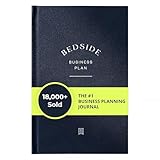
- TURN IDEAS INTO REALITY – Feeling stuck with your idea and not sure where to start? This guided journal helps you write a complete business plan so you can gain clarity and move forward with confidence as an entrepreneur.
- SIMPLE DAILY PRACTICE – 13 guided journaling sections with over 100+ business planning prompts. Make this business planner part of your routine to build momentum and work toward your business goals in just 5 minutes a day.
- BUSINESS PLANNER FOR ENTREPRENEURS – Use this guided journal to define your vision, understand your customers, evaluate competitors, plan expenses, and create a clear roadmap for launching your business.
- PERSONAL GROWTH – Designed as a personal growth workbook to help you reconnect with your purpose, prioritize well-being, and build a business plan centered around meaningful impact.
- PREMIUM ECO-FRIENDLY JOURNAL – Crafted with 100% FSC-certified recycled paper, a recycled cardboard cover, and wrapped in luxurious linen. This entrepreneur planner blends sustainability with thoughtful design.
Make the program easy to understand and use
Customers should be able to find out how to join, earn, redeem, and track progress without decoding complicated terms. Put the reward value, exclusions, expiration terms, and redemption steps where members can find them. A benefit that is difficult to understand or claim is less useful than it looks on paper.
Consider every channel where your store serves customers. Shopify describes loyalty apps that connect with customer data so online and in-store activity can share a profile and customers can earn or redeem across channels. Whether a particular setup supports your storefront and point-of-sale systems depends on the app and integrations involved.
Use customer history to make communication relevant
Customer segments and post-purchase journeys let you tailor messages to what people have bought and what they may need next. For example, a store could identify customers who bought a product before a replacement subscription became available and send that group a relevant offer. That is a targeting approach, not a guarantee that the same message will produce the same result for another store.
Shopify discusses segments, post-purchase journeys, and loyalty design in its customer-retention guidance. Use customer history to improve relevance, not to send more messages simply because you can.
Free tools Windows power users keep installed
One-click scans. No signup required.
Rank #3
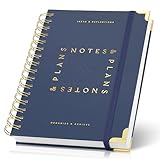
- Easily Stay On Track & Make The Most Of Your Time: ZICOTOs’ daily planner makes it easier than ever for you to stay organized, reduce stress & enjoy more free time! Arrange your schedule, priorities, to do’s and jot down plans & ideas on the daily notes section
- Smartly Plan Ahead & Boost Your Productivity: Absolutely clever & efficient! With the planner notebook you can break down your daily tasks into half-hourly focus blocks and map out priorities & follow-up duties to keep your day on track and enhance productivity
- Plenty Of Space For Efficient Planning: Stay focused & manage your time wisely! The 8.4x6.1” work planner & organizer notebook offers ample space for 105 days of life-changing planning with each day being spread across 2 pages - set yourself up for purposeful days
- Now Is The Best Time To Start: The daily planner is undated so you can start to add structure to your schedule and cultivate new planning habits right away! Beat procrastination, boost happiness & make each day count with the hourly planner
- Adds Beauty To Daily Planning: A gorgeous dark blue art paper cover, chic golden letters, a gold ring wire and a clean, easy-to-use layout, elastic band - enjoy the lovely and modern design of the undated daily planner!
Measure repeat behavior and program cost
Record a baseline before launch so you can compare what happens after the program begins. Review the measures that connect to your chosen goal and to the cost of delivering rewards.
- Repeat purchase rate: whether more customers return to buy.
- Time between purchases: whether customers return sooner, measured against the product’s usual repurchase cadence.
- Redemption: whether members use rewards, alongside the cost of those rewards.
- Referral activity: whether referrals lead to customers whose value supports the incentive.
- Contribution after rewards: whether repeat behavior remains worthwhile after reward costs.
Where practical, compare customer cohorts or segments and account for seasonality and differences in product repurchase cycles. Shopify’s retention guidance covers retention measurement, while its loyalty-program discussion emphasizes that rewards should change behavior rather than give away margin on purchases that would have happened anyway.
There is no single outcome that can be promised for every store. Results depend on the product, margins, customer mix, purchase cadence, and program design. Judge your program on your own baseline and economics rather than treating an outside benchmark as a guaranteed result.
Improve the cause of weak repeat purchasing before raising rewards
If customers are not returning, investigate product fit, fulfillment, customer support, return friction, and post-purchase communication before increasing discounts. Customer feedback can help show whether the issue is the product, the buying experience, or simply a purchase cycle that is longer than expected.
Recommended Free Tools
Rank #4

- KNOW WHAT IS WORKING AND WHAT IS NOT Each quarter opens with a structured review across revenue, time, clients, marketing, and content, so you understand what actually happened in your business before you decide what comes next.
- QUARTERLY PLANNING SYSTEM Break your annual vision into four focused 90-day plans using the 12-week-year structure that coaches and entrepreneurs rely on, giving you a strategic layer that sits above your daily calendar and holds the direction your scheduling tools cannot.
- TRACK REVENUE-GENERATING ACTIVITIES EVERY MONTH Every month gets a dedicated spread to set priorities, track revenue and the activities driving it, and review results against plan, keeping the business moving between quarterly reviews.
- A5 LINEN HARDCOVER, FULLY UNDATED A5 size (5.8" x 8.3") in linen with gold foil stamping, reinforced binding, and thick lay-flat pages built to hold a full year of planning. Organized by quarter and fully undated, so you start in any month without wasting a page. For business owners who invest in tools that match what they're building.
- A THOUGHTFUL GIFT FOR ENTREPRENEURS, COACHES AND CREATORS A quarterly planning system makes a purposeful gift for someone building a business alongside a full life, useful long after a birthday or a business milestone has passed because they will reach for it at the start of every quarter and every month.
Keep review invitations neutral and offer them broadly to eligible customers instead of screening for people likely to leave favorable feedback. The FTC says businesses should not condition incentives on positive reviews, explicitly or implicitly, and advises disclosing incentives because they may affect how readers assess a review. Its staff guidance for platforms says, “Don’t prevent or discourage people from submitting negative reviews.” Read the FTC’s guide for marketers and guide for platforms, and check the review platform’s own rules; some platforms prohibit incentivized reviews.
The FTC states that its Consumer Reviews and Testimonials Rule took effect on October 21, 2024. For questions about how requirements apply to a specific business or campaign, consult current FTC materials and obtain appropriate legal advice. The FTC’s questions and answers about the rule explain its scope.
Independent reader supportYour contribution helps us test, update, and keep practical guides available for everyone.When loyalty software can help
Loyalty software can administer balances, reward rules, segments, and earning or redemption across channels. Shopify names Smile, Yotpo, and LoyaltyLion as examples of loyalty apps that can sit on customer data and support cross-channel earning and redemption. That is an example list, not an independent comparison or endorsement; capabilities, integrations, and prices vary by provider and can change.
When assessing software for your store, compare it on the factors that affect day-to-day operation and program economics:
- Compatibility with your ecommerce platform, point of sale, email tools, and customer data systems.
- Support for the mechanics you intend to use, such as points, tiers, referrals, or non-purchase actions.
- How members see and redeem rewards in each channel where you sell.
- Reporting that helps you evaluate repeat behavior and the cost of rewards.
- How easily your team can maintain rules and resolve customer questions.
- Total cost at your order volume, not just the entry price.
Shopify’s retention guidance discusses loyalty programs and apps in the context of ecommerce customer retention.
Frequently Asked Questions
How do I get ecommerce customers to come back?
First address problems that make customers reluctant to return, such as product fit, fulfillment, support, or unclear policies. Then make post-purchase communication useful and consider a reward tied to a specific goal, such as a second purchase or referral. Measure whether the incentive changes behavior and remains profitable.
What rewards should I offer repeat customers?
Choose rewards that fit both the goal and your margins. Points can encourage another purchase; tiers can recognize sustained spending; early access or service benefits can offer value beyond discounts. Referral incentives should be justified by the value of a referred customer. For reviews, never make an incentive conditional on a positive opinion, and disclose it.
Is customer retention the same as customer loyalty?
No. Retention describes customers returning for repeat purchases. Loyalty can also involve an emotional connection to the store and advocacy, such as recommending it to others.
When should an ecommerce store start a rewards program?
Start after identifying a specific customer behavior to improve and understanding the experience problems that could be preventing repeat purchases. Set a baseline and estimate reward costs before launch so you can judge whether the program changes behavior without undermining contribution.
Can I offer rewards for customer reviews?
Review incentives require care. Do not condition a reward on a positive review, disclose an incentive, and do not solicit only customers expected to be favorable. Review platforms may have stricter rules, including prohibitions on incentivized reviews.
Quick Recap
Product prices and availability are accurate as of the date/time indicated and are subject to change. Any price and availability information displayed on Amazon at the time of purchase will apply.

